



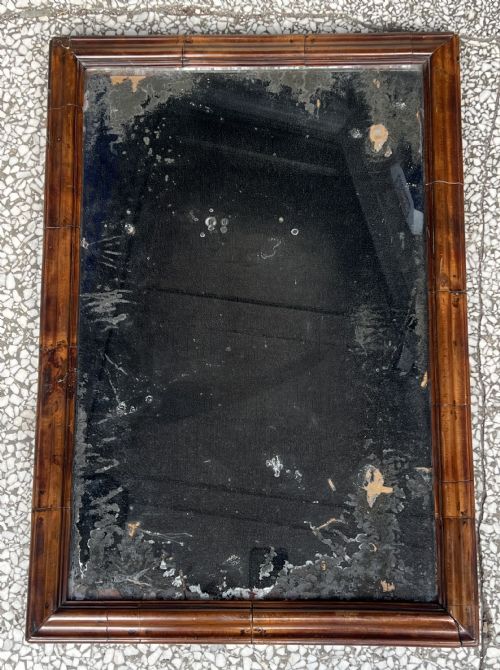
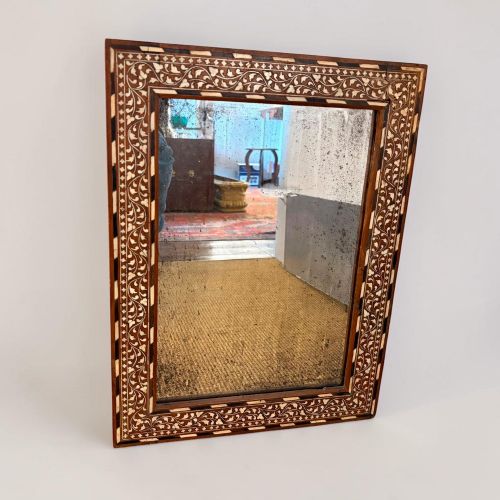
Vintage Brown Wall Mirror
A vintage brown wall mirror brings rich warmth and historic character to any room through deep timber tones and traditional craftsmanship.
Vintage Brown Wall Mirror
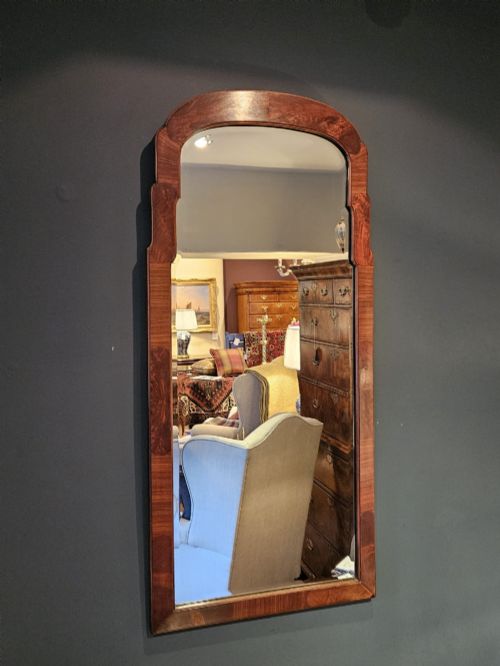
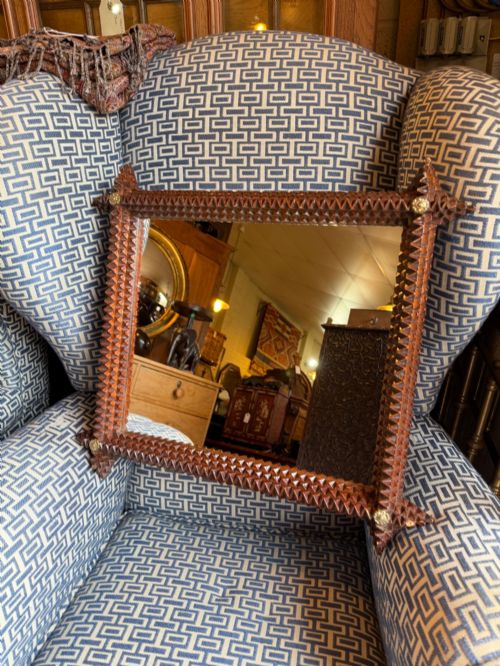
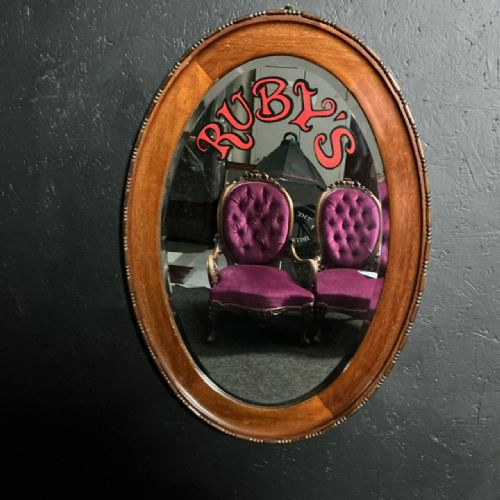
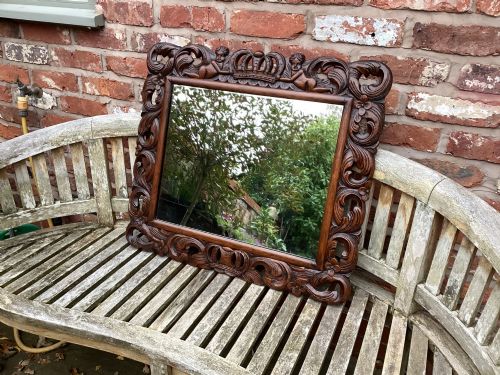
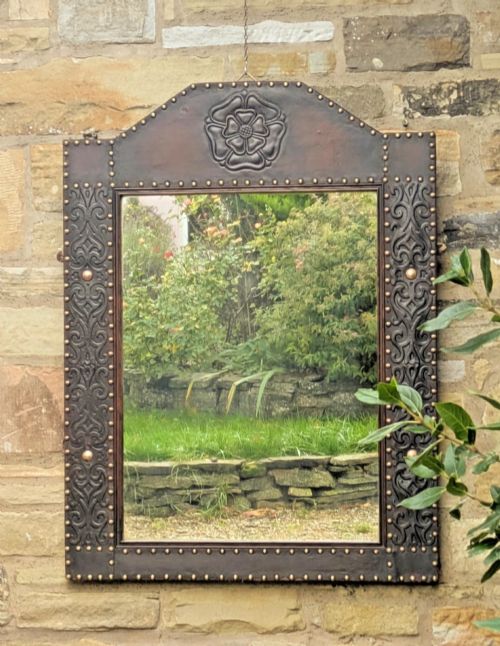
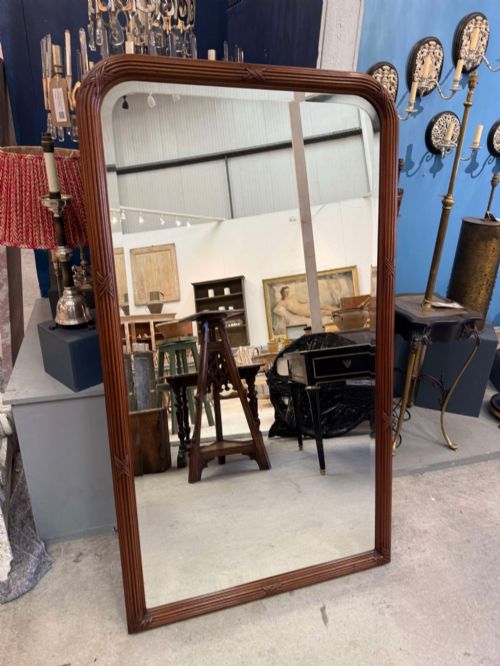
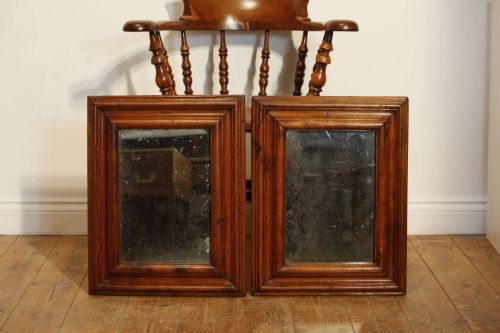
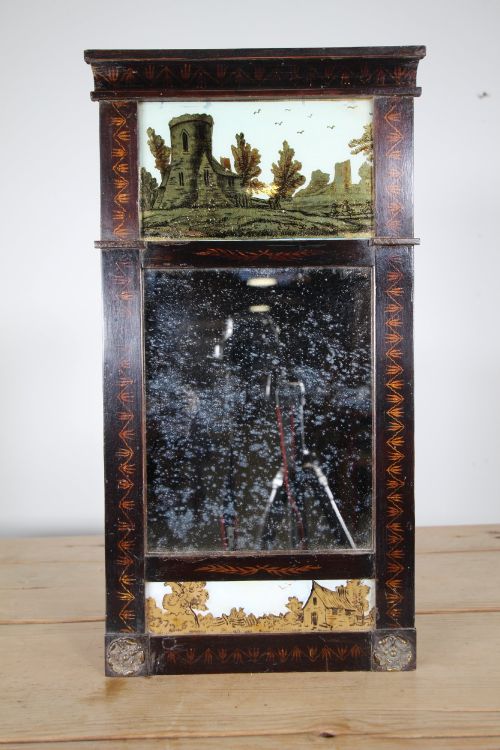
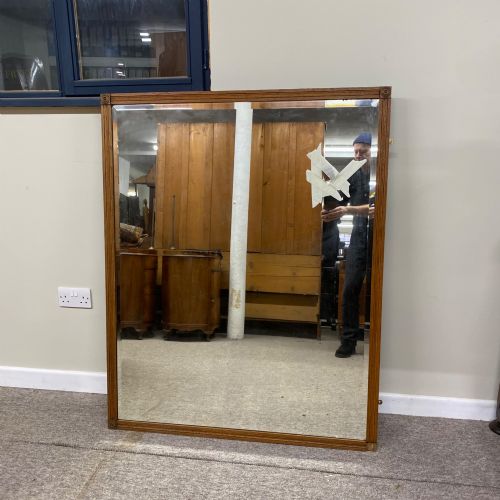
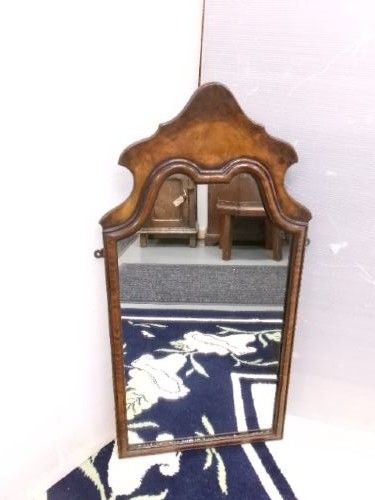
A vintage brown wall mirror encompasses wooden frames spanning from the eighteenth century to the twentieth century, including Edwardian, Victorian, and Georgian pieces. Buyers seeking a vintage brown wall mirror encounter diverse timber tones from rich mahogany and dark walnut to sturdy oak and carved French fruitwood.
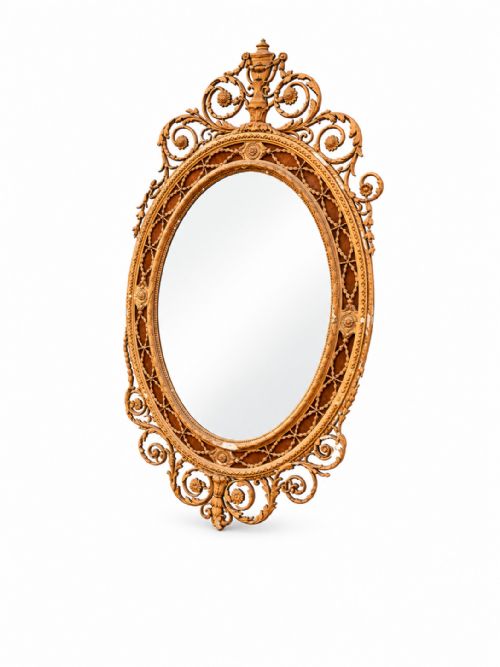
Origins vary widely across the inventory, ranging from English cabinet-making and Scottish workshops to Anglo-Indian brass inlaid pieces and French regional carving. This diversity allows buyers to source both understated Edwardian frames and ornate eighteenth-century Rococo styles.
Materials and construction
Makers utilised dense native and exotic hardwoods, predominantly framing the reflective plates in solid walnut, mahogany, and oak. Frame construction often incorporated traditional joinery, hand-carved ornamentation, and applied veneers such as burr walnut.
Decorative detailing on these frames relied upon hand-carving, fret-cutting, brass inlay, and parcel-gilt slips. Early pieces frequently utilised bevel-edged glass held securely within rebated wooden backs by pinned wooden slips.
Vintage Brown Wall Mirror Retail Price Guide 2026
Typical asking prices for vintage brown wall mirror among the pieces listed under this phrase on Sellingantiques today, from the lower quarter to the upper quarter. They describe what is for sale here now, not the wider market.
The listings span from the eighteenth century to the 1920s, featuring oak, mahogany, walnut, brass, and glass.
Assessing craftsmanship
Quality reveals itself in the crispness of hand-carving and the depth of the timber grain, where superior pieces showcase articulate fretwork and well-figured veneers. The integration of original brass hardware, stable backing timbers, and undamaged bevelled glass distinguishes finer examples.
The harmony of proportion and proportioned moulding profiles separate master-built workshop pieces from simpler regional production. Superior frames retain their original surface patination rather than enduring heavy modern refinishing.
Waring and Gillow
The Vintage Brown Wall Mirror Glossary
- Fretwork
- Openwork ornamentation cut with a fretsaw, commonly seen in Georgian-style mahogany frames. This decorative technique creates intricate symmetrical patterns along the outer edges.
- Trumeau
- A decorative wall mirror incorporating a painted panel or carved relief above the glass. These tall architectural pieces originated in French interior design.
- Parcel-gilt
- Partially gilded woodwork where thin gold leaf highlights specific carved details against a dark timber ground. It adds subtle contrast to mahogany and walnut frames.
- Bracket mirror
- A small wall-hung looking glass supported by miniature console brackets or integrated shelving. These compact items typically served practical dressing or hallway functions.
- Pier mirror
- A tall vertical looking glass designed to hang on the narrow wall space between windows. They frequently feature detailed crests and bottom console tables.
Vintage Brown Wall Mirror: Frequently Asked Questions
Where should I hang a vintage brown wall mirror?
These wooden mirrors suit hallways, living rooms, and bedrooms, particularly above mantelpieces or console tables where their warm timber tones anchor the surrounding decor.
Ensure the wall fixings match the substantial weight of solid mahogany, oak, or walnut frames to support the piece securely.
How do I identify an Edwardian mirror?
Edwardian mirrors often feature lighter oak or inlaid mahogany frames with bevel-edged glass plates. They frequently include functional additions like coat hooks or small umbrella shelves.
Their construction reflects early twentieth-century domestic utility combined with traditional revival styles.
What is a fretwork mirror?
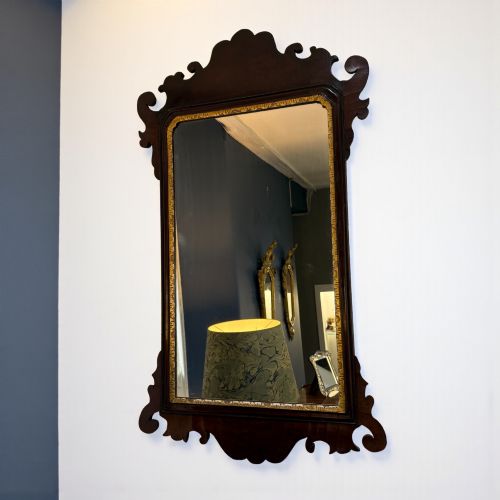
A fretwork mirror utilises intricate jigsaw-cut wooden frames, most commonly associated with Georgian and Chippendale-period designs. The woodwork is often fashioned from mahogany with subtle gilt accents.
These pieces showcase delicate symmetry and precise geometric or scroll motifs.