

Vintage Brown Dining Chair
These vintage brown dining chair examples bring rich timber tones and enduring practicality to the table.
Vintage Brown Dining Chair
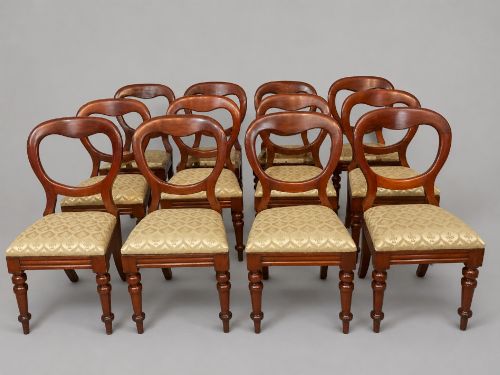
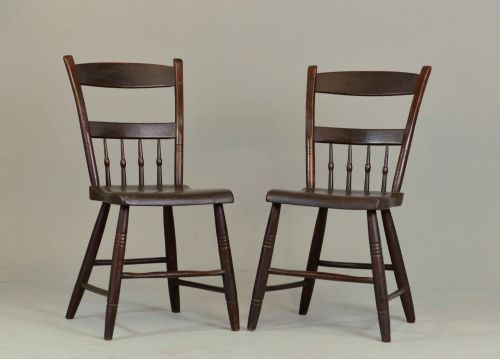
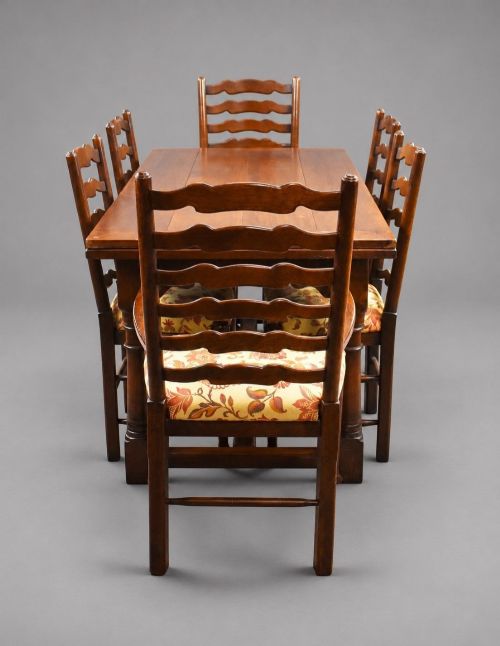
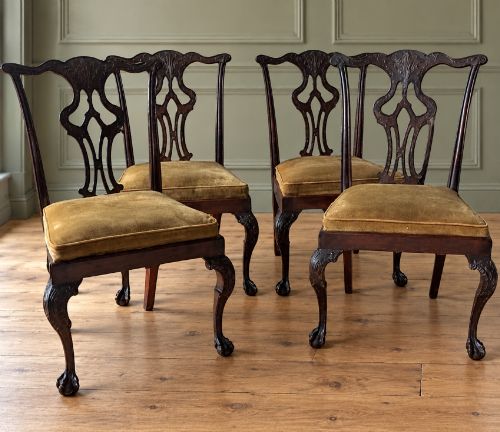
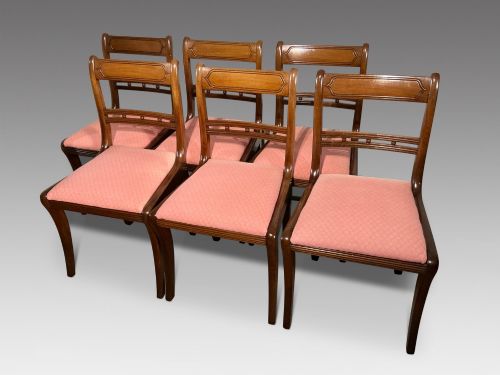
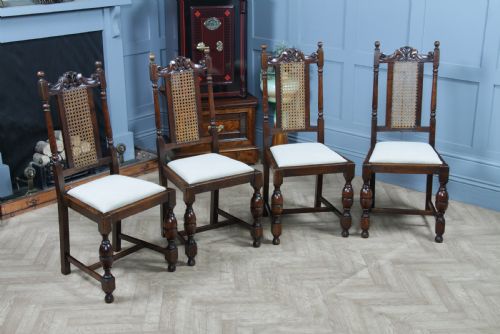
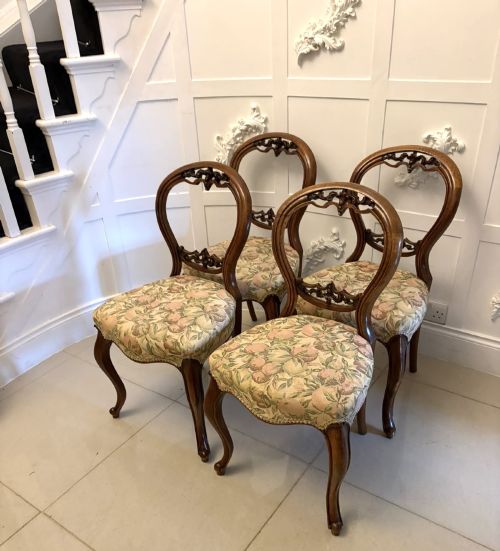
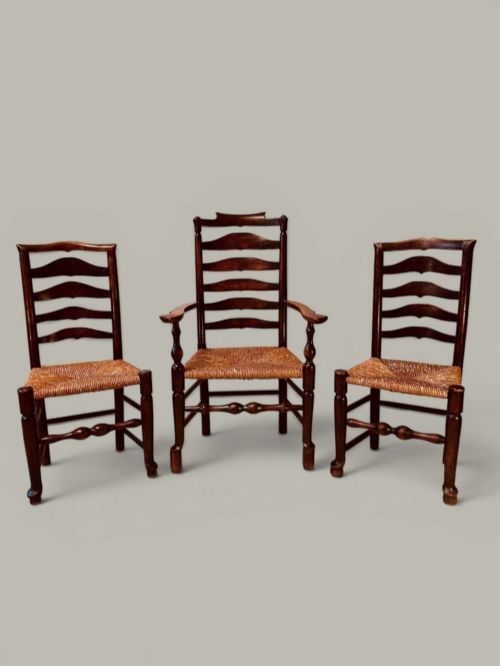
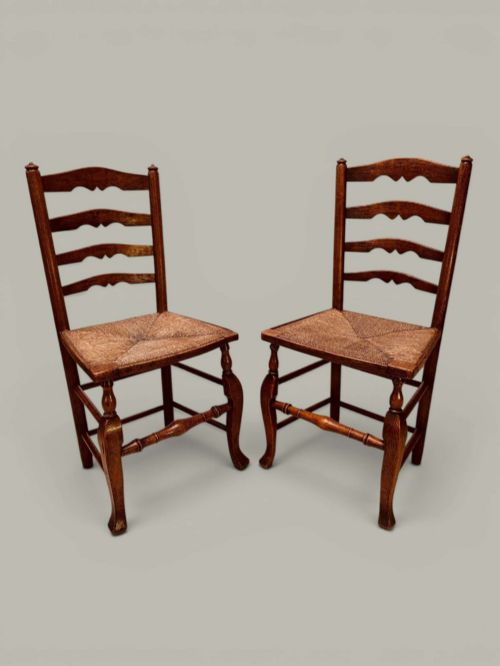
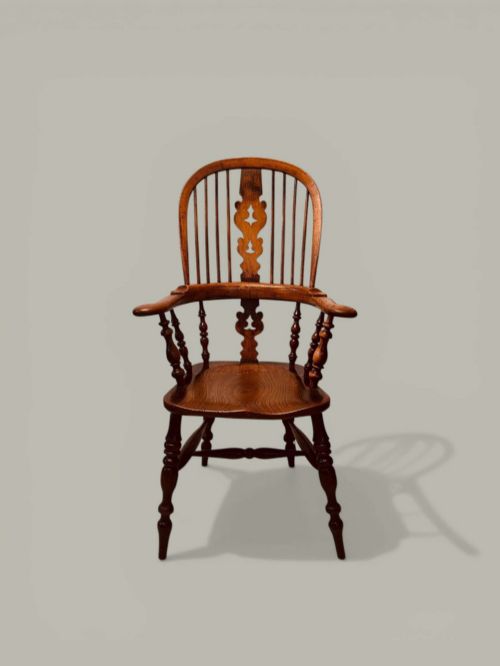
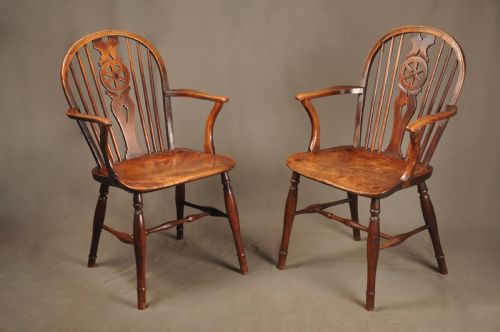
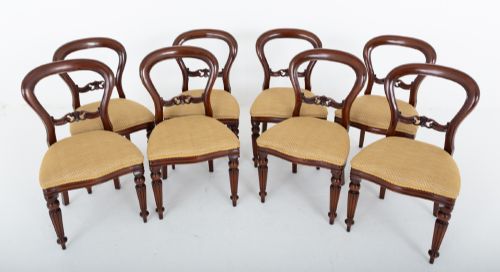
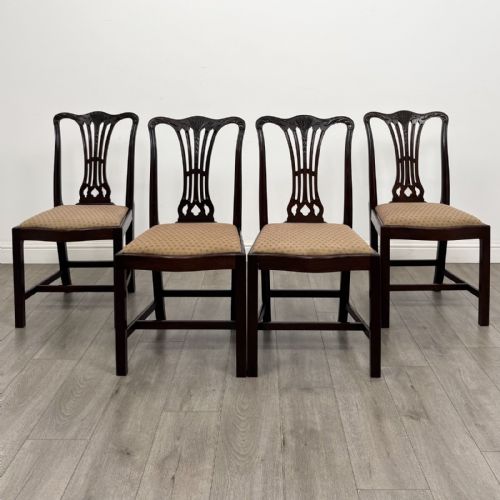
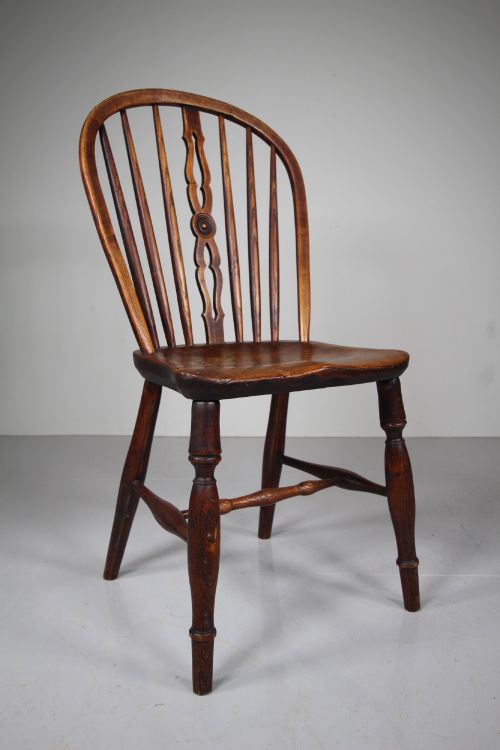
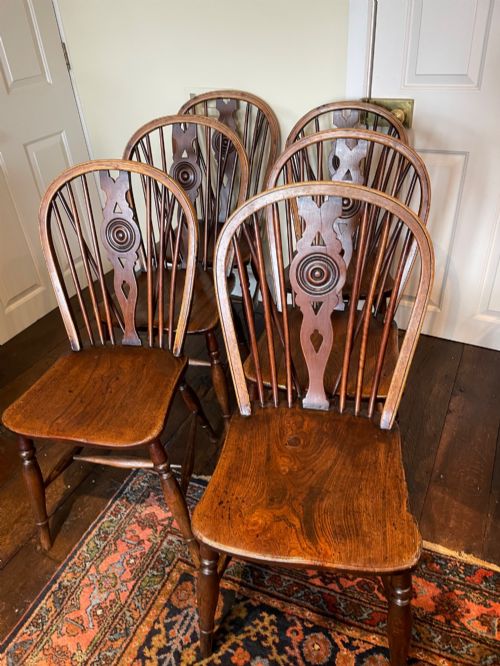
A vintage brown dining chair spans formal mahogany forms from the Regency and Victorian eras alongside robust country styles in elm, oak, and yew. Buyers will encounter sturdy Windsor designs alongside balloon back, ladderback, and wheel back chairs originating from the nineteenth and early twentieth centuries.
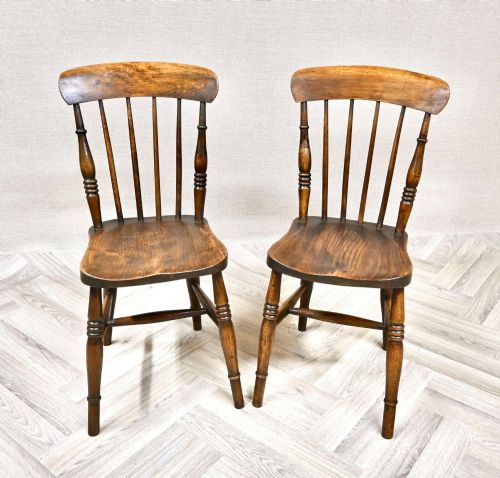
The selection ranges from single pairs of kitchen and bistro seating up to substantial matched sets intended for formal dining. Regional country pieces sit alongside revival designs inspired by earlier Georgian and Victorian aesthetics.
Makers and workshops of the period produced versatile seating solutions in various timber shades, accommodating both rural farmhouse interiors and polished urban dining rooms.
Materials and Technique
Timbers such as mahogany, oak, elm, walnut, and yew form the primary structural framework of these chairs, shaped through traditional turning, steam bending, and joinery techniques. Wood selection dictated both the visual warmth of the brown surface and the structural resilience of the frame.
Seating areas incorporate solid timber boards, rush weaving, or upholstered pads finished in leather, fabric, or velvet. Artisans utilised traditional mortise and tenon joints to secure the legs and stretchers, ensuring long-term stability under daily use.
Vintage Brown Dining Chair Retail Price Guide 2026
Typical asking prices for vintage brown dining chair among the pieces listed under this phrase on Sellingantiques today, from the lower quarter to the upper quarter. They describe what is for sale here now, not the wider market.
Quality and Construction
The distinction between standard examples and superior pieces rests upon timber selection, grain figure, and the precision of the joinery. Denser hardwoods like walnut and figured mahogany support more intricate carved details on splats and crest rails.
Original surface patination and uniform colour across larger sets elevate the standing of a group, while matched sets display greater consistency in timber matching and structural integrity.
Edward Barnsley·Heals·M. D. Miller & Sons Nottingham
The Vintage Brown Dining Chair Glossary
- Balloon back
- An oval or rounded upholstered backrest popular during the Victorian period. This profile offers ergonomic support while displaying polished mahogany or walnut grain.
- Windsor
- A traditional chair construction featuring turned legs and spindles socketed directly into a solid sculpted wooden seat. These country pieces often combine elm seats with ash or yew spindles.
- Carver
- An armchair designed with open armrests, traditionally placed at the head of a dining table. These pieces match the style of smaller side chairs in a larger set.
- Splat
- The vertical wooden strip down the centre of a chair backrest. Pierced or carved splats define the stylistic period of mahogany and walnut dining chairs.
- Rush
- Woven marsh grass utilised for traditional seat pads. This pliable material provides a textured surface that complements oak and ladderback chair frames.
Vintage Brown Dining Chair: Frequently Asked Questions
How do I match chairs to a table?
Consider the timber tone, leg style, and overall height when pairing seats with an existing table. Mahogany and oak pieces offer distinct visual weights that anchor the dining space.
Mixing country Windsor chairs with a formal table introduces contrasting textures, while matched sets create a unified appearance.
Can I mix different chair styles?
Combining complementary timber finishes allows for an eclectic arrangement around the dining room. Ensure seat heights remain uniform to maintain comfort during meals.
Pairing carver armchairs at the table ends with simpler side chairs along the sides creates a balanced arrangement.
How do I care for wooden seats?
Clean timber surfaces regularly with a soft cloth to remove dust and maintain the natural lustre of the finish. Avoid placing antique chairs in direct sunlight or near heat sources to prevent wood splitting.
Nourish dry timber periodically with appropriate wax to preserve the depth of the brown colour.
What defines a country chair?
Country seating typically utilises accessible regional timbers such as elm, beech, and ash rather than imported mahogany. These pieces prioritise functional durability through spindle construction and solid plank seats.
Craftsmen focused on practical utility rather than elaborate decorative carving, resulting in robust everyday seating.