



Vintage Bronze Trinket Box
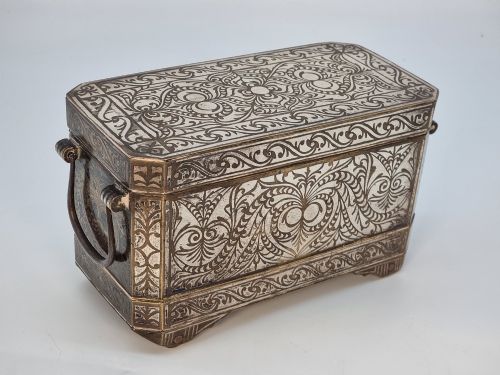
These vintage bronze trinket box examples offer small domestic storage cast in metal, carrying the weight and finish of past centuries.
Vintage Bronze Trinket Box
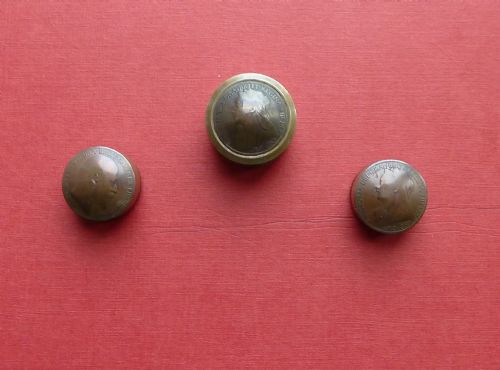
A vintage bronze trinket box serves as a small container for rings, pins, and keepsakes, appearing in forms ranging from simple lidded dishes to elaborate caskets. The selection here spans several decades, with pieces originating from Victorian, Edwardian, and early twentieth-century periods.
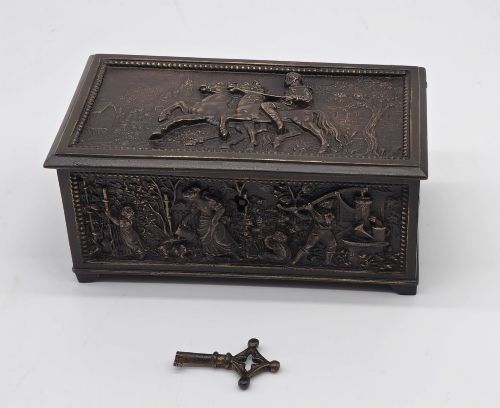
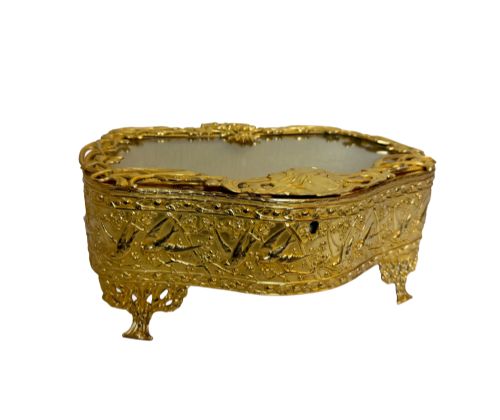
The objects take many shapes, including jewellery boxes, glass-sided caskets, snuff boxes, and architectural coffers styled after medieval designs. French workshops feature strongly among the items, alongside English and Austrian examples created during the height of the Art Nouveau and Art Deco movements.
Buyers encounter items combining metalwork with cut crystal, bevelled glass, onyx, and enamel panels. These boxes served dressing tables and writing desks, holding personal valuables before finding their way into contemporary collections.
How They Were Made
Casting forms the basis of most pieces, utilising bronze, brass, or ormolu to create structural frames and decorative lids. Metal founders poured molten alloy into moulds before finishing the surfaces by hand with chasing and gilding tools.
Many boxes incorporate transparent elements such as heavy cut crystal, Baccarat glass, or bevelled glass panes held together by metal mountings. Artisans integrated enamel work and painted panels into the lids to introduce colour and pictorial scenes.
Vintage Bronze Trinket Box Retail Price Guide 2026
Typical asking prices for vintage bronze trinket box among the pieces listed under this phrase on Sellingantiques today, from the lower quarter to the upper quarter. They describe what is for sale here now, not the wider market.
One early presentation box was made for competitive sailing, proving even salty mariners appreciated a tidy place for their trinkets.
What Varies in Quality
The standard of metal casting and chasing dictates the crispness of the decorative detail on the exterior. Superior pieces display deep, sharp relief work on figures and foliage, while lesser examples show softer, blurred contours from worn moulds.
Materials combined with the metal framework influence the overall distinction of a piece. Thick bevelled glass, heavy cut crystal, and intact gilding separate standard production items from finer presentation boxes.
W.M.F.·S Theeman
The Vintage Bronze Trinket Box Glossary
- Ormolu
- Gilded bronze, where a layer of gold is applied to a bronze base using mercury amalgamation or electroplating. This technique provides a bright, durable golden finish that resists tarnishing.
- Baccarat
- A French glass manufacturer known for producing clear and cut crystal of high clarity and weight. Pieces bearing these mounts often feature thick, diamond-cut glass panels.
- Bevelled glass
- Glass panes with edges cut and polished at an angle, designed to fit into metal-framed casket lids and sides. This treatment catches the light and adds depth to the transparent sections.
- Casket
- A decorative box, often hinged and lined with fabric, intended for holding jewellery or valuables. These items typically feature heavier construction and more ornate metalwork than standard utility boxes.
Vintage Bronze Trinket Box: Frequently Asked Questions
What did people keep in a vintage bronze trinket box?
These boxes held everyday personal items such as rings, brooches, small coins, and snuff. Their plush linings protected delicate items from scratching.
Over time, owners also used them on dressing tables to store letters, hairpins, and small keepsakes.
How do I clean a bronze box?
Dust the surface gently with a soft, dry brush to remove particles from recessed chasing and corners. Avoid harsh metal polishes that can strip original gilding or patina.
Keep moisture away from fabric linings and glass panels during any gentle maintenance.
How can I tell the period of a box?
Stylistic clues such as flowing plant motifs point toward Art Nouveau designs from the late nineteenth and early twentieth centuries. Geometric lines and stylized forms usually indicate later Art Deco production.
Construction details, including hinge types and glass thickness, also help narrow down the date of manufacture.
Where were these boxes displayed?
Victorian and Edwardian households placed them prominently on dressing tables, mantelpieces, and drawing-room side tables. They functioned both as decorative accessories and practical storage.
Today, collectors position them on open shelves, desks, and sideboards where light can catch the metal and glass.