

Vintage Bronze Table
A vintage bronze table brings heavy, tactile weight and rich metallic lustre to a room, grounding an interior with genuine period presence.
Vintage Bronze Table
A vintage bronze table encompasses a variety of functional and decorative surfaces, ranging from coffee tables and writing desks to small display vitrines and lamp tables. These pieces frequently emerge from nineteenth-century and early twentieth-century French and English workshops, often drawing heavily on historical design vocabularies like Louis XVI, Louis XV, and Art Deco styles.
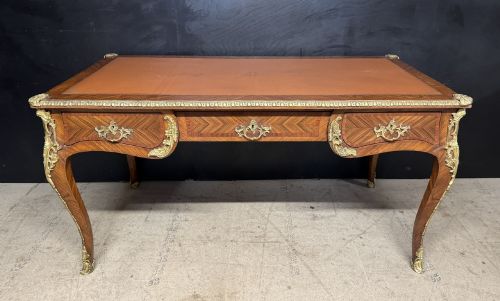
The versions most commonly met on this page combine cast metal mounts with timber frames such as kingwood, mahogany, or walnut, frequently topped with inset marble or parquetry surfaces. Alongside dedicated tables, the listings include related foundational forms where bronze forms the primary structural or decorative vocabulary, such as inlaid bureau plat desks and jardiniere stands.
Makers and designers from these periods utilised bronze and its sibling alloys to anchor elaborate domestic interiors, creating furniture that balanced utility with sculptural display. Whether formed as a simple coffee table or an intricate marquetry writing desk, each example reflects the prevailing taste for mixed media and classical ornamentation during the nineteenth and twentieth centuries.
How they were made
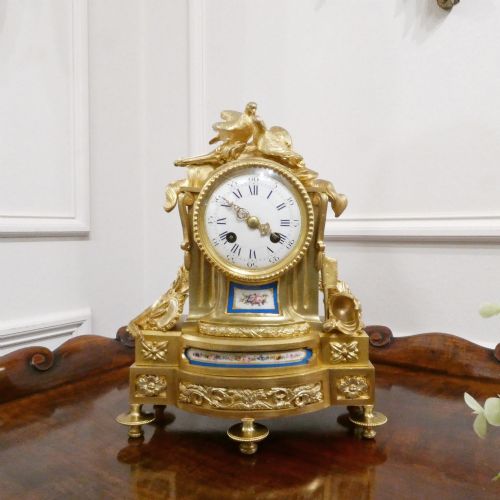
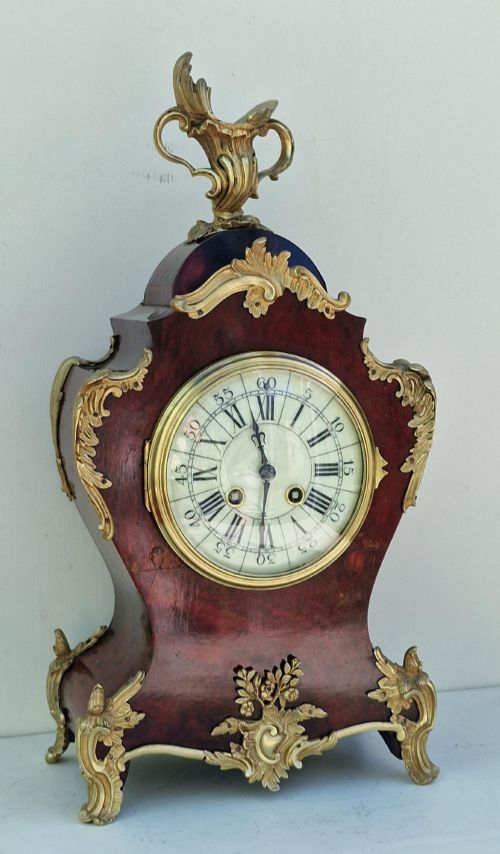
The construction of these items relies on traditional metalcasting techniques combined with fine cabinetry, where bronze, gilt bronze, and ormolu components are cast, chased, and applied to solid wood carcasses. Artisans joined timbers using dovetail and mortise methods, securing elaborate cast metal mounts, handles, and gallery rails with tiny brass screws or pins.
Surfaces frequently showcase decorative veneers like tulipwood and kingwood arranged in intricate parquetry or marquetry patterns, complemented by polished white or coloured marble slabs inset into the tabletops. Gilding and patination were applied to the bronze elements to achieve varied surface textures, contrasting bright metallic highlights with deep, dark tones.
Vintage Bronze Table Retail Price Guide 2026
Typical asking prices for vintage bronze table among the pieces listed under this phrase on Sellingantiques today, from the lower quarter to the upper quarter. They describe what is for sale here now, not the wider market.
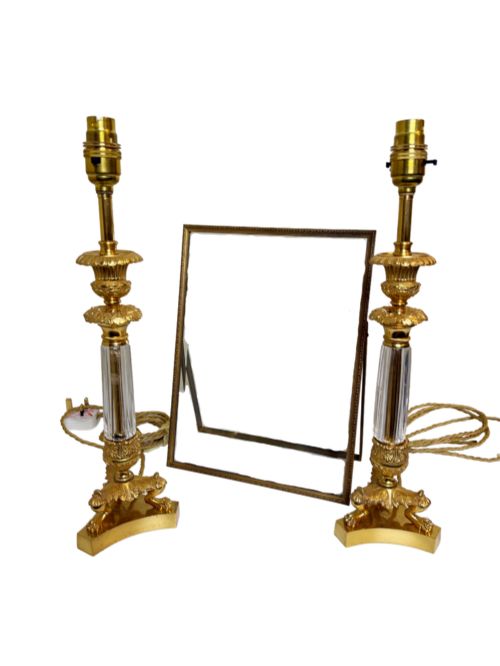
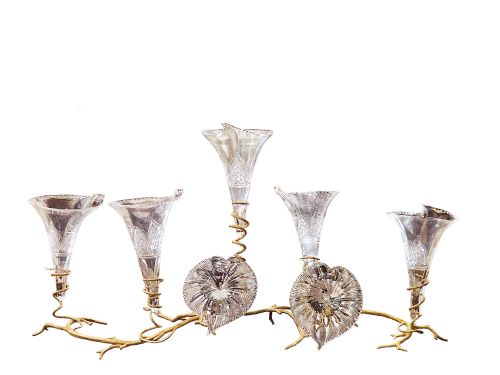
Listings feature nineteen-century and early twentieth-century examples, incorporating materials such as marble, glass, fabric, and enamel.
What varies in quality
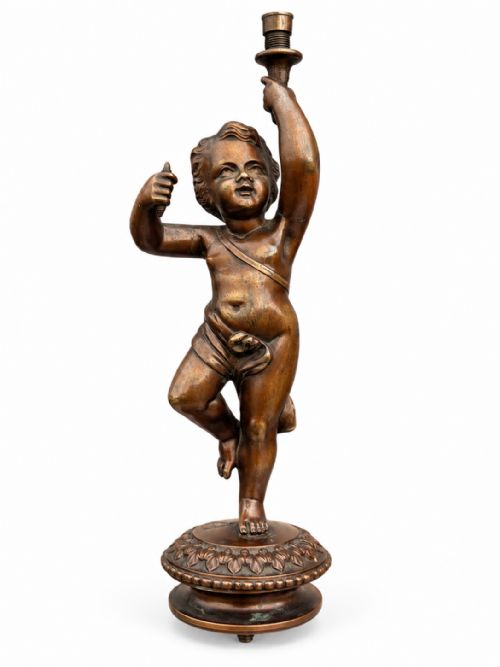
Quality rests principally in the crispness of the bronze casting and the depth of the hand-chasing work applied after the metal left the mould. Superior examples display sharp relief in sculptural details such as putti, floral garlands, or classical scrollwork, whereas lesser pieces exhibit softened edges and blurred surface definitions.
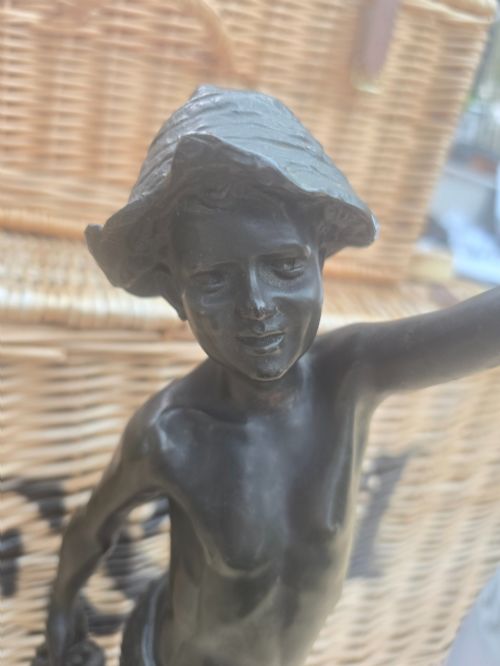
The underlying cabinetwork and material selection further separate the tiers, distinguishing dense hardwoods and precise veneer geometry from simpler secondary timbers. Well-preserved original fire-gilding or deep, even patination elevates a piece above those with compromised or later surface treatments.
Gillows·Juste-Aurèle Meissonier·Guillaume Coustou·Pierre Collinet·François Linke·E Rousseau
The Vintage Bronze Table Glossary
- Ormolu
- Finely ground high-carat gold applied to a bronze base using a mercury amalgamation technique, or more broadly, cast brass and bronze with a golden finish. This surface treatment gives furniture mounts and decorative objects their bright, enduring metallic lustre.
- Parquetry
- Geometric wood inlay work arranged in patterns such as squares, lozenges, or cubes across the surface of a table top or drawer front. Artisans cut thin veneers of contrasting timbers to create these precise visual grids.
- Champlevé
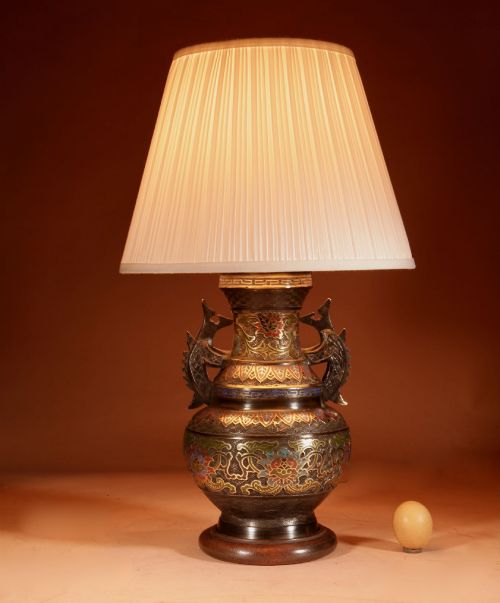
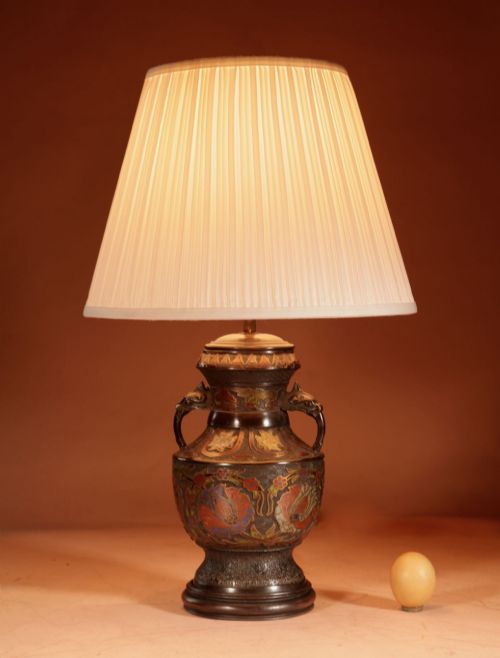
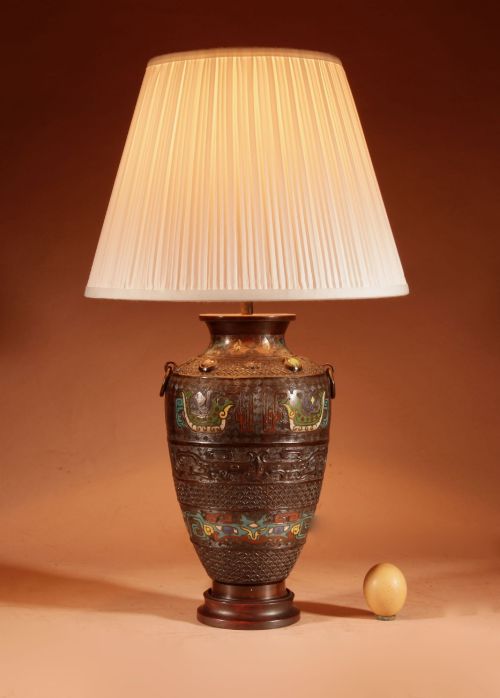
- An enamelling technique where troughs or cells are hollowed out of the bronze surface and filled with vitreous enamel paste before firing. This method produces colourful, patterned decorative panels often seen on lamps and clock cases.
- Bureau plat
- A freestanding double-sided writing desk featuring a flat top, typically lined with leather, above a frieze containing one or more drawers. These desks are finished on all sides so they can sit away from the walls in the centre of a room.
- Marquetry
- The art of applying small pieces of wood veneer to a structure to form decorative pictures, floral motifs, or scrollwork designs. It differs from parquetry by focusing on pictorial or organic shapes rather than strict geometric repeats.
Vintage Bronze Table: Frequently Asked Questions
Are these tables suitable for everyday use?
Many of these pieces were originally built as functional writing desks, lamp tables, or coffee tables designed for active domestic environments. Their robust timber and metal construction means they handle normal daily routines well, provided they receive sensible care.
Use coasters under glasses and avoid placing them in direct sunlight or beside heat sources. This protects both the delicate veneers and the stability of the joints.
How do I identify Louis XVI style features?
Louis XVI style pieces lean towards straight lines, symmetry, and classical restraint, contrasting with the curving asymmetry of earlier rococo designs. Look for fluted tapered legs, rectilinear tabletops, and restrained classical motifs like bead-and-reel mouldings.
The bronze mounts on these tables often incorporate acanthus leaves, ribbons, and urns. This adherence to ancient Greek and Roman geometry defines the neoclassical aesthetic.
What is the difference between bronze and ormolu?
Bronze is a copper alloy mixed with tin or other metals, forming the sturdy structural or sculptural base of these items. Ormolu specifically refers to the application of gold to that bronze surface, creating a brilliant golden appearance.
While all ormolu involves bronze or brass underneath, not all bronze is gilded. Many pieces rely instead on a dark chemical patina or natural metallic weathering.