






Vintage Bronze Table Sculpture
These vintage bronze table sculpture pieces bring tangible weight and period detail to a room, ranging from small animalier studies to sleek figures.
Vintage Bronze Table Sculpture
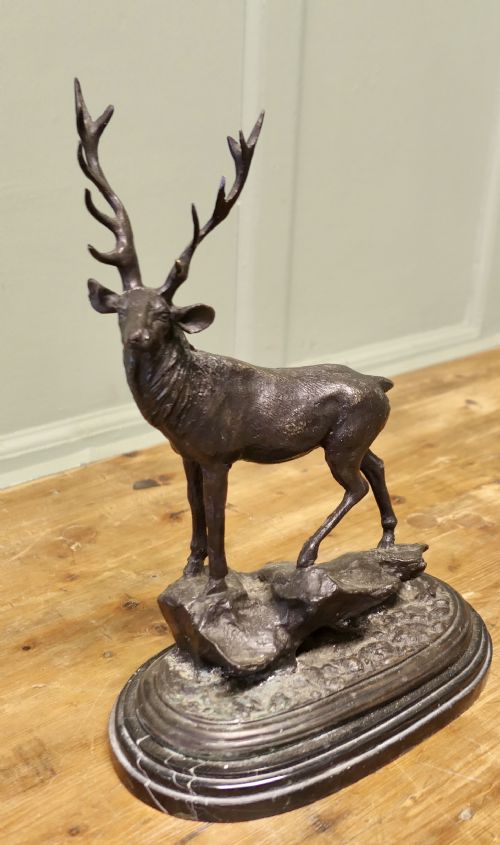
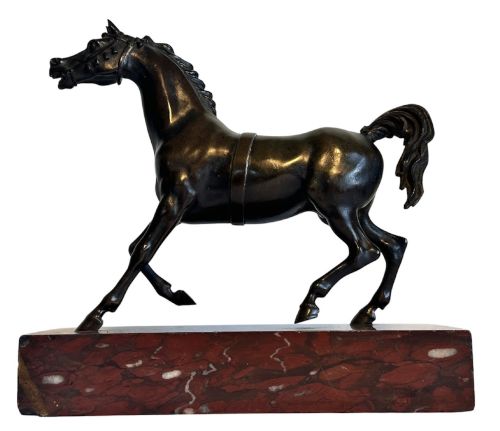
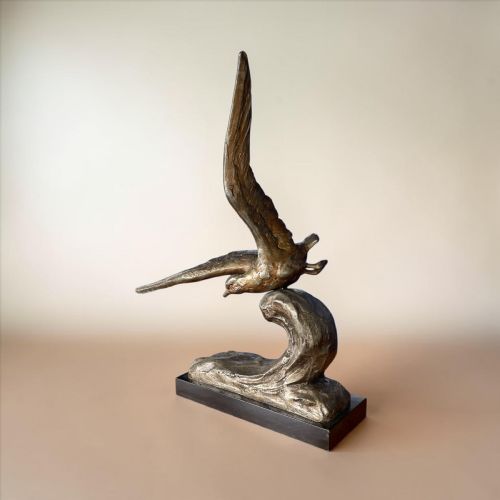
A vintage bronze table sculpture brings substantial presence to a surface, often depicting human figures, animals, or mythological subjects cast in metal. The selection spans the nineteenth century through the Art Deco period, capturing changing tastes from classical interpretations to modernist lines.
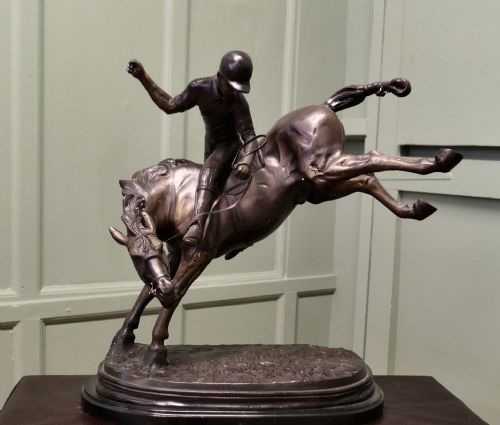
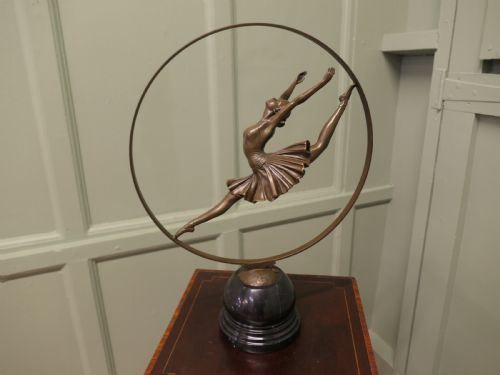
Most examples encountered here date from the Art Deco period of the nineteen-thirties or the nineteenth century, reflecting popular subjects of their respective eras. Figures of dancers, athletes, animals, and classical maidens dominate the forms, frequently mounted on heavy stone plinths.
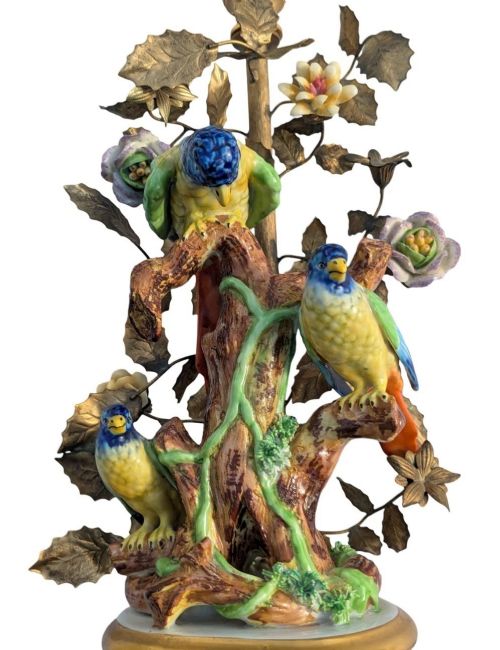
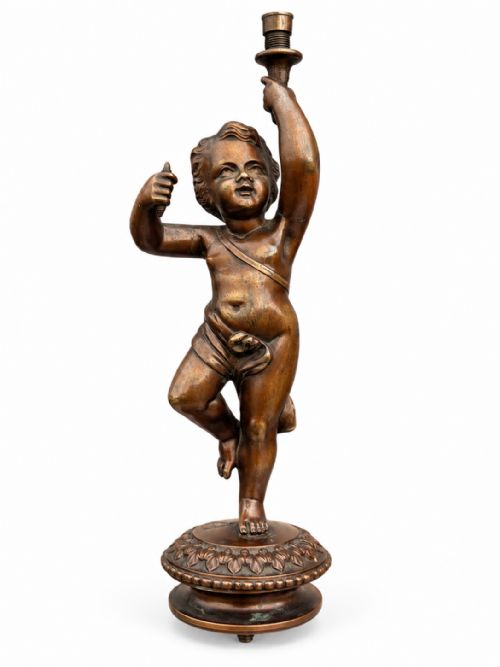
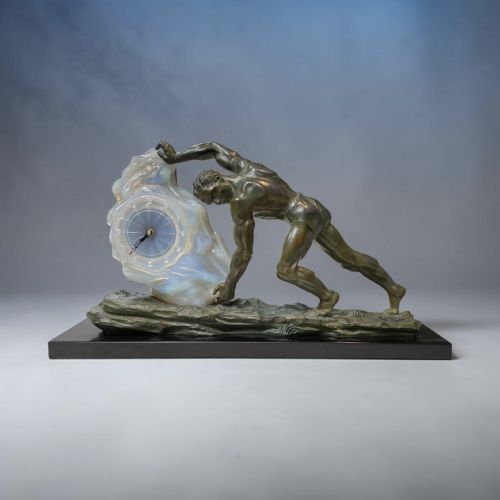
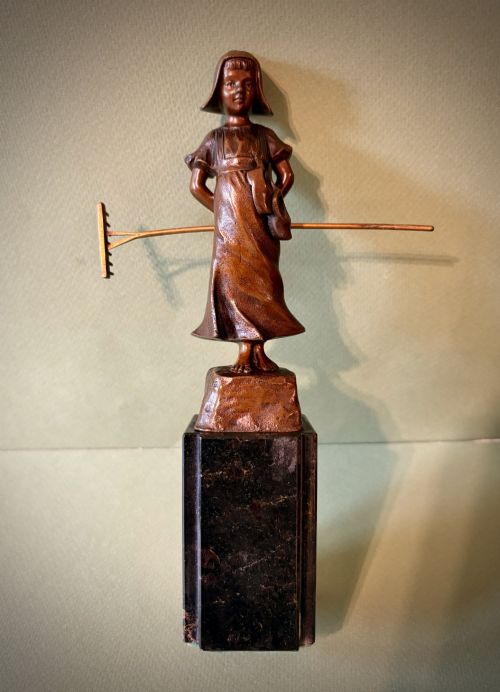
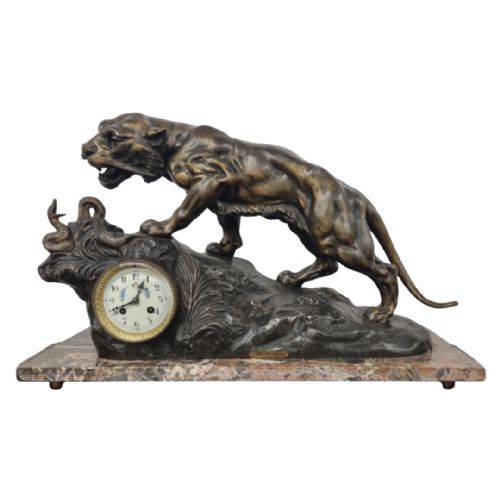
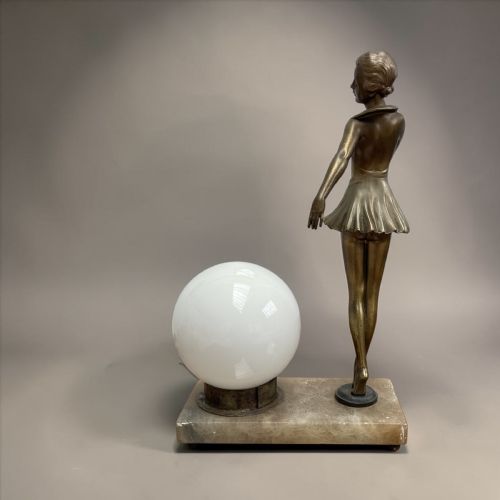
Beyond standalone statuettes, many pieces serve a dual purpose as table lamps or mantel clocks, integrating sculptural work into functional objects. These works range from provincial French farm girl figures to large French animalier bronzes and cold-painted Austrian studies.
How they were made
The primary metal used is bronze, cast using traditional techniques alongside alternative metal alloys such as spelter for figures produced during economic periods. Many nineteenth-century works employ the lost-wax casting method, allowing intricate detail in animal musculature and drapery.
Surfaces receive varied finishes, including cold-painting with enamels, gilding, or patination to darken the metal and highlight relief. Sculptures are frequently anchored to bases of marble, onyx, or slate, providing both stability and a contrasting visual perimeter.
Vintage Bronze Table Sculpture Retail Price Guide 2026
Typical asking prices for vintage bronze table sculpture among the pieces listed under this phrase on Sellingantiques today, from the lower quarter to the upper quarter. They describe what is for sale here now, not the wider market.
Several Victorian dogs and frogs manage to hold court alongside leaping dancers and Egyptian deities on these tabletops.
What varies in quality
Quality rests in the crispness of the casting detail, where finer examples preserve the subtle texture of skin, hair, and fabric without blurring the edges. Lesser pieces, particularly those cast in spelter rather than bronze, often show softened contours and simpler surface finishing.
The integrity of the patina or cold-painted surface dictates much of the visual appeal, alongside the quality of the stone base. Original mounts and genuine signatures from known makers elevate the standing of a piece compared to unmarked or later derivative castings.
Pierre Collinet·R Varnier·Josef Lorenzl·P J Mêne·Friedrich Goldscheider·Ivan Zaiec·Geo Maxim·Demetre Chiparus·H Moreau·Franz Bergman·P Sega·Henri Honore Ple
The Vintage Bronze Table Sculpture Glossary
- Animalier
- A nineteenth-century artistic movement focusing on the realistic depiction of animals, particularly horses, dogs, and wildlife in motion. Practitioners captured muscle tension and natural behaviour with careful observation.
- Spelter
- A zinc-based alloy commonly used as an economical alternative to bronze for decorative figures, particularly during the Art Deco era. It takes patination and paint well but possesses a lighter weight and softer surface.
- Cold-painted
- A technique where paint is applied to a metal sculpture without subsequent firing, common in Austrian bronzes from the late nineteenth and early twentieth centuries. This finish requires careful handling to prevent flaking over time.
- Patina
- The surface coloration and sheen developed naturally through age or artificially through chemical treatment on metal. It protects the underlying material while adding depth and character to the sculpture.
- Plinth
- A heavy base, typically made of marble, onyx, or slate, that supports a sculpture and gives it vertical stability on a flat surface. These bases often reflect the geological preferences of the period in which the piece was made.
Vintage Bronze Table Sculpture: Frequently Asked Questions
How do I clean a bronze sculpture?
Dust the surface gently with a soft, dry cloth to remove everyday particles without disturbing the underlying patina. Avoid chemical cleaners or water, which can strip historic finishes and damage exposed metal or painted details.
For pieces mounted on marble or onyx bases, take care not to let cleaning solutions seep into the joint between the metal and the stone. A light application of microcrystalline wax can protect bronze surfaces if handled infrequently.
How do I tell bronze from spelter?
Bronze is heavier, colder to the touch, and rings with a distinct resonant tone when lightly tapped, whereas spelter feels lighter and softer. Examining the underside or any areas where the finish has worn will reveal a reddish-brown copper alloy for bronze or a dull grey metal for spelter.
Spelter figures are also more prone to bending or snapping under pressure due to the brittle nature of the zinc alloy. Bronze holds its rigid form and sharp casting details far better across decades of handling.
Where should I place a table sculpture?
Position these pieces on sturdy surfaces such as mantelpieces, sideboards, or heavy desks where their weight is fully supported. Ensure the location avoids direct sunlight, which can fade cold-painted surfaces and dry out underlying wooden furniture.
Keep figures away from high-traffic edges where accidental knocks might dislodge the heavy marble or onyx plinths. Adequate lighting from a nearby lamp or natural source helps reveal the fine patination and cast details.
Are these sculptures signed by the artist?
Many of the listed figures bear signatures, foundry marks, or titles cast directly into the metal or inscribed on the base. These signatures often appear near the feet of figures or along the edge of the rocky ground where animals stand.
Unsigned pieces remain common, particularly among provincial works or mass-produced decorative items from the Art Deco period. The absence of a signature does not diminish the decorative appeal of a well-cast piece.