



Vintage Bronze Portrait
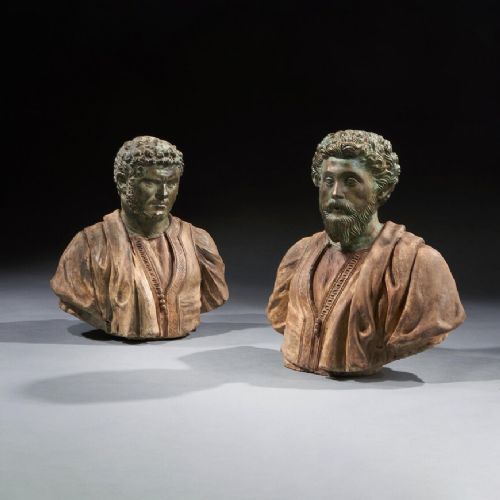
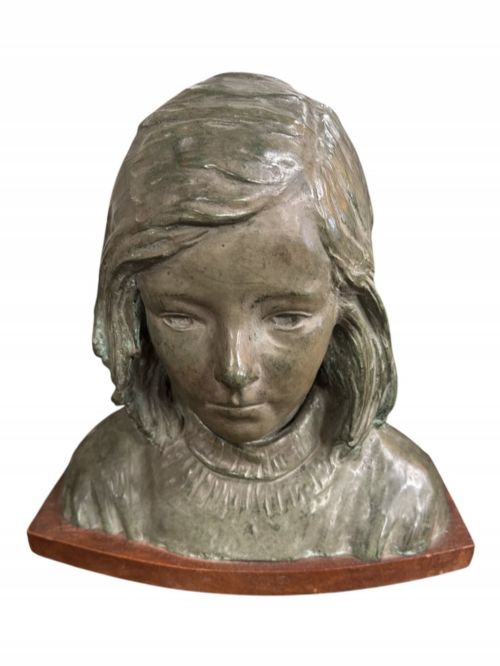
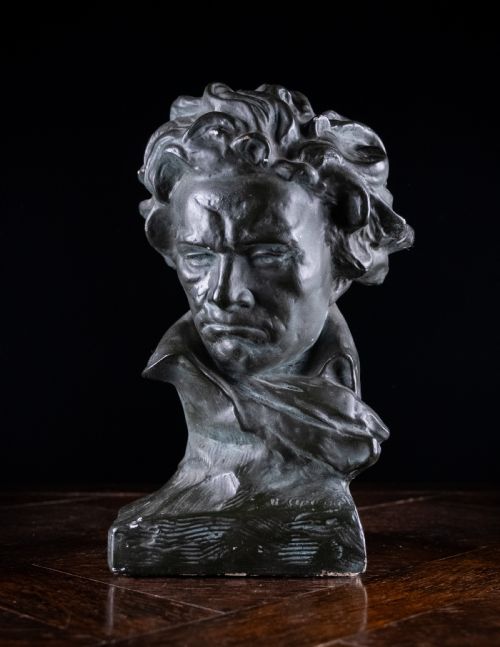
A vintage bronze portrait captures likeness in metal, bringing historical figures, classical rulers and family subjects into interior spaces with striking presence.
Vintage Bronze Portrait
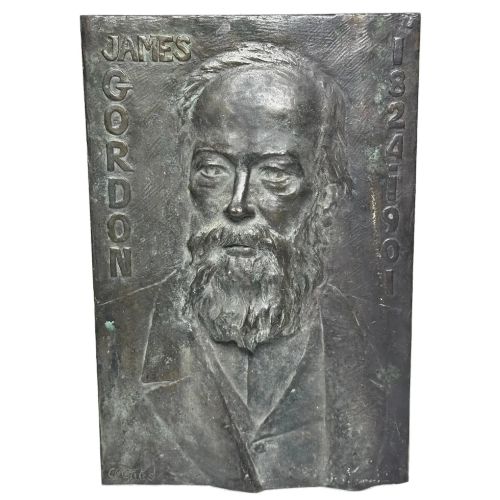
A vintage bronze portrait encompasses cast metal busts, relief plaques and framed likenesses originating from the nineteenth and twentieth centuries. Buyers seeking a vintage bronze portrait encounter works spanning the Victorian, Edwardian and Art Deco periods, ranging from classical figures such as Dante and Caesar to named sitters and anonymous subjects.
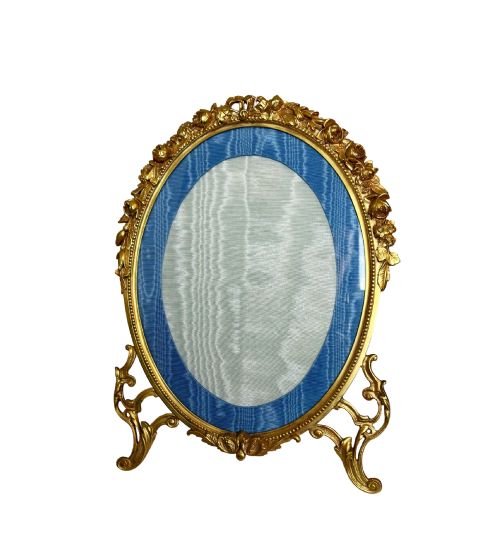
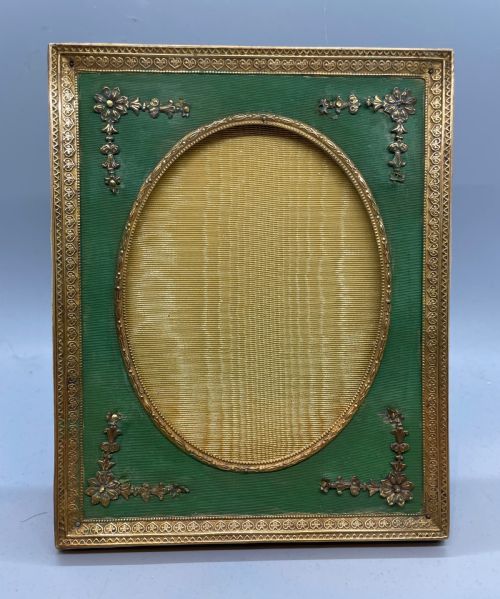
The selection on this page relies heavily on portrait busts mounted on marble bases, alongside gilt bronze picture frames and wall plaques. Pieces emerge from diverse European and global workshops, uniting traditional sculptural techniques with the decorative tastes of their respective eras.
Materials and construction methods
Makers utilised bronze, brass and ormolu for cast metal sculptures and ornate picture frames, frequently employing lost-wax casting methods to achieve fine facial detail and texture. Alternative materials such as plaster, terracotta and painted surfaces appear alongside metal, sometimes finished with a bronzed patina to mimic solid cast bronze.
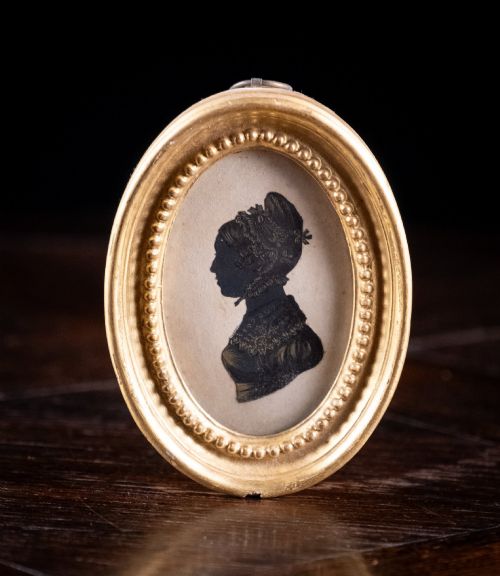
Marble plinths and wooden backing provide structural support and visual weight to portrait busts and plaques. Gilt finishes, paste stones and hand-painted elements enhance decorative frames and miniature portraits, combining durability with ornamental richness.
Listings feature works spanning the nineteenth century through the Art Deco era of the 1930s, executed in bronze, plaster, terracotta and marble.
Distinctions in quality and execution
Superior examples of a vintage bronze portrait demonstrate crisp facial feature definition, clean casting seams and subtle patination that highlights the contours of the subject. Lower tiers often show softer details from worn moulds, heavy over-painting or later patination applied to obscure casting imperfections.
The integration of materials also defines the upper range, such as solid marble bases fitted securely to heavy metal busts rather than hollow or composite alternatives. Signed works by documented sculptors and makers command greater attention through superior artistic command and balanced proportions.
Georges-Charles Coudray·Giuseppe Moretti·Emmanuel Villanis·J C De Blezer
The Vintage Bronze Portrait Glossary
- Bronze
- An alloy consisting primarily of copper combined with tin, prized for its tensile strength and ability to hold fine detail when cast.
- Patina
- The surface coloration and sheen developed naturally through age or applied artificially by the founder to enrich the appearance of metal.
- Ormolu
- Gilded bronze or brass applied to decorative objects and picture frames, popular in French and English luxury goods.
- Relief
- A sculptural technique where the portrait figure projects from a flat background plane rather than standing in the round.
Vintage Bronze Portrait: Frequently Asked Questions
How do I identify a true bronze?
Solid bronze pieces feel notably heavy for their size and maintain a cool temperature to the touch compared to resin or plaster alternatives. Magnetic tests can help differentiate bronze from iron or plated base metals, though mountings and screws may contain other materials.
Examination of the underside often reveals casting texture, porosity or threaded fixings characteristic of period foundry work rather than modern production methods.
Where should I display a portrait bust?
Portrait busts suit prominent positions on bookshelves, desks, mantelpieces or dedicated pedestals where lighting catches the facial contours. Placing them away from direct heat sources and excessive moisture protects the underlying metal and any attached marble plinths.
Heavier bronze works require stable, level surfaces capable of supporting substantial weight without risk of tipping or structural strain.
How do I clean antique bronze?
Dusting gently with a soft, dry cloth removes surface particles without disturbing the underlying patination or protective wax layer. Avoid using harsh chemical cleaners, abrasives or metal polishes that strip away historic finishes and damage the surface.
Applying a microcrystalline wax occasionally helps protect exposed metal from atmospheric oxidation and handling oils.
What indicates a nineteenth-century origin?
Nineteenth-century works typically display hand-finished chasing, natural foundry irregularities and patination consistent with historical chemical formulations. Base fixings, such as hand-cut screws or aged felt pads, offer further clues regarding the period of assembly.
Stylistic cues, including neoclassical drapery or Victorian lettering styles, align the piece with the prevalent aesthetic standards of the era.