





Vintage Bronze Plaque
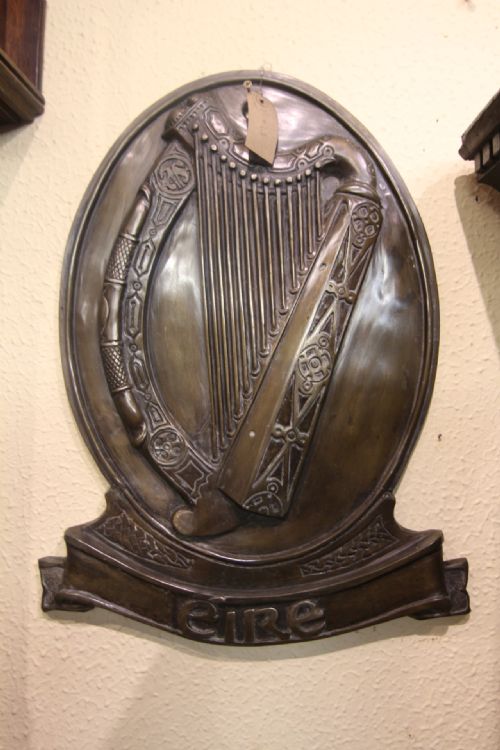
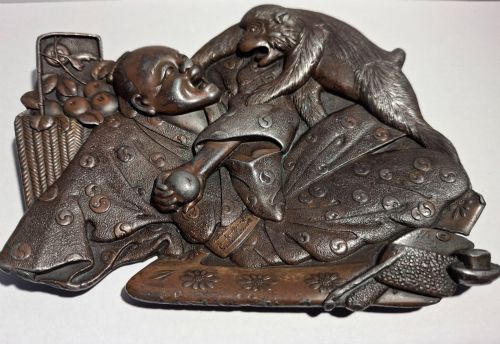
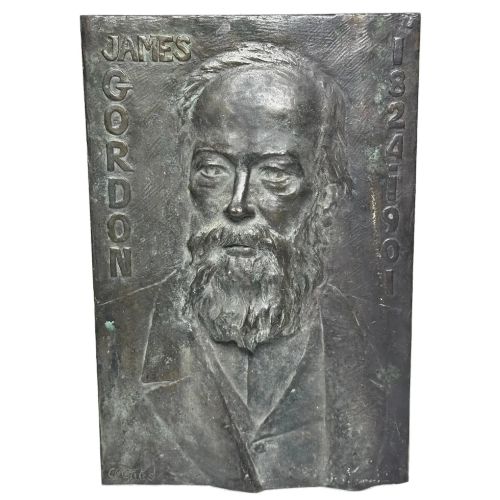
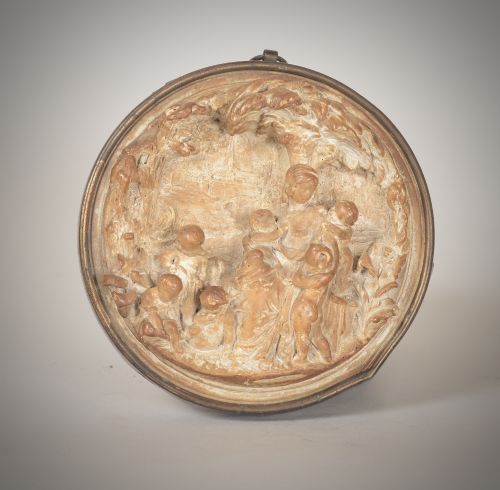
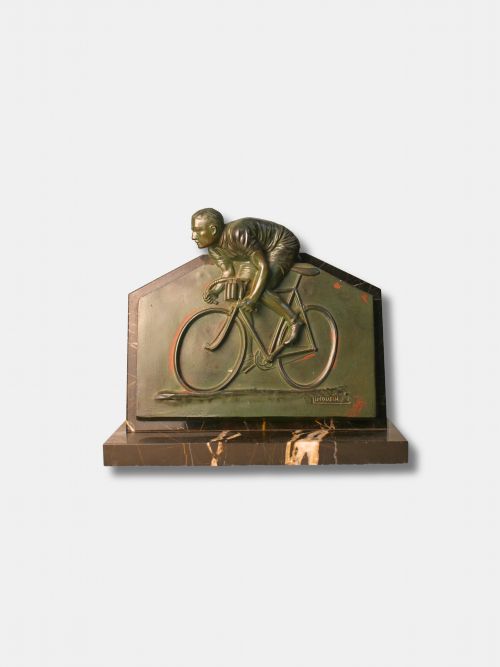
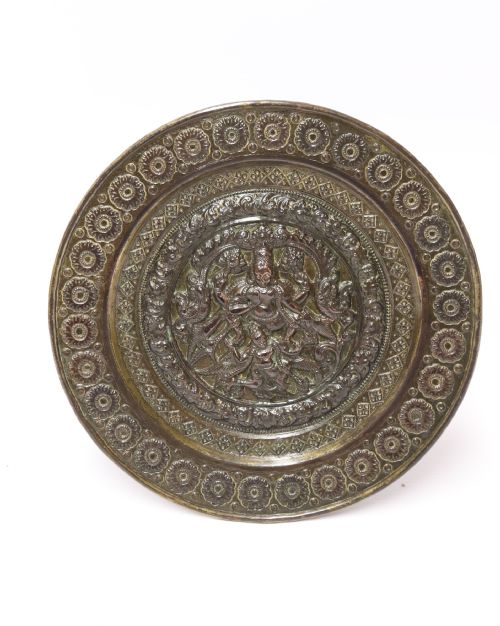
These vintage bronze plaque examples bring solid metal relief work into the room, offering heavy casting and crisp detail for wall display.
Vintage Bronze Plaque
A vintage bronze plaque is a cast or pressed metal panel created for wall hanging, often bearing portraits, coats of arms, or commemorative inscriptions. These pieces emerge from periods spanning the nineteenth century through the mid twentieth century, reflecting diverse aesthetic movements from Neoclassical to Art Deco.
The selections available here range from detailed portrait reliefs and heraldic shields to commemorative jubilee pieces and decorative metal panels. Alongside solid bronze, the listings encompass related metalwork and mounted plaques utilising copper, brass, and spelter.
Originating from British, French, Japanese, and other international workshops, these wall pieces capture specific historical moments and commemorative subjects. Buyers encounter items varying from grand tour plaster reliefs to signed portrait plaques of figures like Queen Astrid.
How they were made
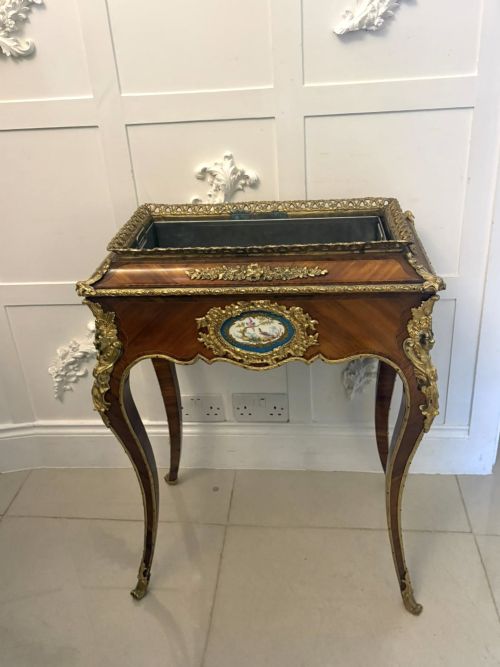
Many plaques incorporate mixed media, mounting metal panels onto wooden backings or combining ormolu mounts with porcelain and onyx plinths. Surface treatments such as patination and bronzed finishes were applied to enhance depth and simulate aged patinas.
Vintage Bronze Plaque Retail Price Guide 2026
Typical asking prices for vintage bronze plaque among the pieces listed under this phrase on Sellingantiques today, from the lower quarter to the upper quarter. They describe what is for sale here now, not the wider market.
Object forms on this page include wall plaques, relief panels, trinket dishes, and decorative plates.
What varies in quality
Material composition also marks the distinction between standard production items and superior works, with heavy, solid bronze or carefully chased ormolu mounts outperforming light spelter or simple plaster compositions. The integration of maker signatures, attribution, and original wooden or stone mounts further elevates the standing of a plaque.
Gustav Grohe·De Grave and Co·Alice Gates
The Vintage Bronze Plaque Glossary
- Patina
- The surface sheen and colour acquired by metal over time through oxidation and handling. This natural ageing process distinguishes original antique surfaces from modern replacements.
- Relief
- A sculptural technique where figures and ornamentation project from a flat background. Low relief involves minimal projection, while high relief stands out strongly from the plane.
- Ormolu
- Finely ground high-carat gold applied to a bronze object using a mercury amalgamation process. This finish provides a bright, durable golden lustre seen on nineteenth-century mounts.
- Spelter
- A zinc or lead-tin alloy used as a less expensive substitute for bronze. It frequently serves as a base metal for decorative plaques and figures before receiving a bronzed finish.
Vintage Bronze Plaque: Frequently Asked Questions
How do I hang a heavy bronze plaque safely?
Heavy metal plaques require secure wall fixings, typically screws driven directly into wall studs or heavy-duty anchors suited to brick or plaster. Using picture wire alone on substantial bronze pieces is discouraged due to the considerable weight of the metal.
Ensuring the mounting bracket on the reverse of the plaque is structurally sound provides additional security once the piece is positioned on the wall.
How do I clean an antique bronze plaque?
Dusting the surface gently with a soft, dry brush removes loose debris without disturbing the underlying metal finish. Liquid cleaners and aggressive polishing compounds should be avoided, as they strip away the historical patina.
Preserving the original aged surface maintains both the visual character and the historical integrity of the piece.
How can I tell bronze from spelter?
Bronze is heavier, denser, and generally cooler to the touch than spelter, displaying a warm metallic grain beneath any surface patination. Spelter is softer and more brittle, often revealing a greyish-white metal beneath scratches.
Magnification of worn areas helps identify the underlying material without causing damage to the piece.
What periods do these plaques come from?
The pieces span the nineteenth and twentieth centuries, encompassing Victorian, Edwardian, and Art Deco eras. Dates range from early nineteenth-century works through to mid-century commemorative items.
Stylistic cues and maker marks help narrow down the specific decade of manufacture.