

Vintage Bronze Light Fixture
A vintage bronze light fixture brings heavy metalwork and warm illumination into a room, offering genuine period character from the nineteenth and early twentieth centuries.
Vintage Bronze Light Fixture
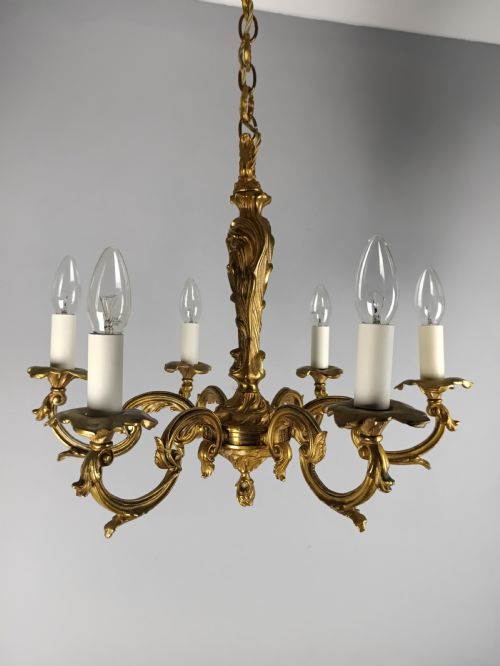
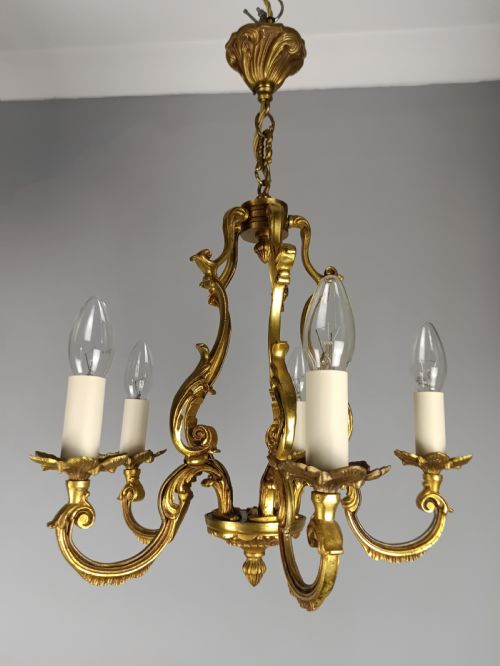
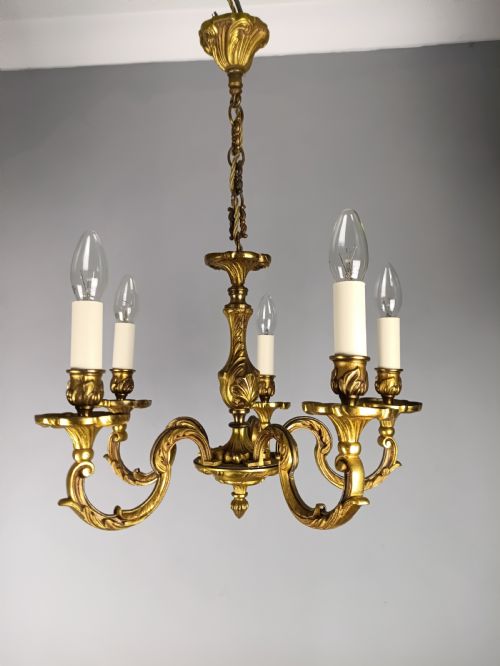
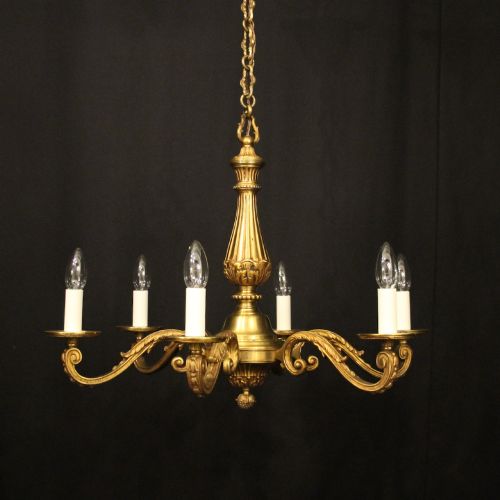
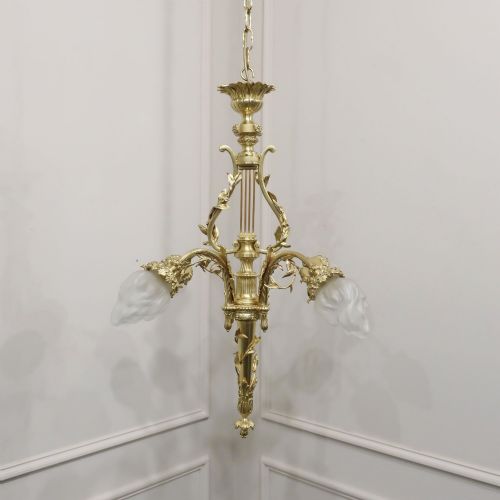
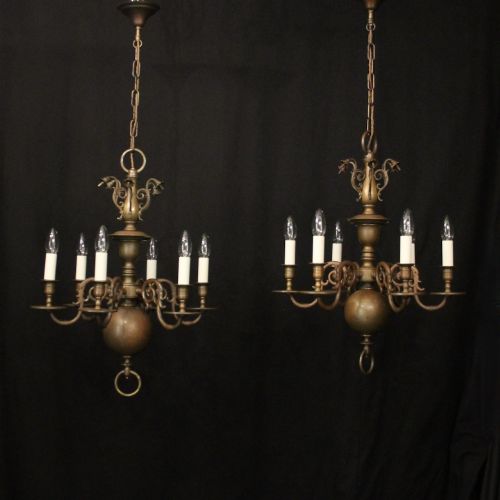
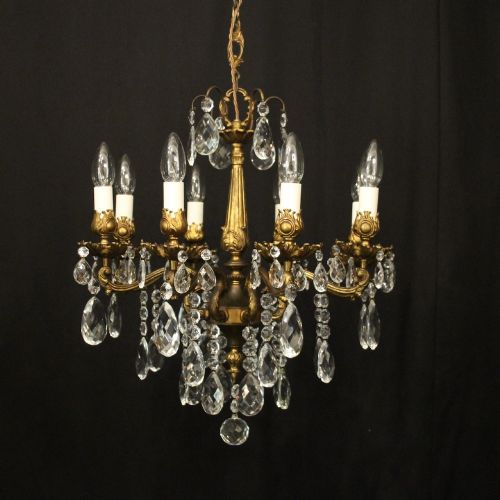
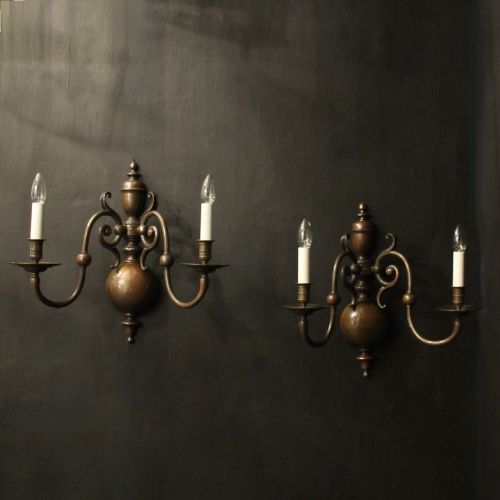
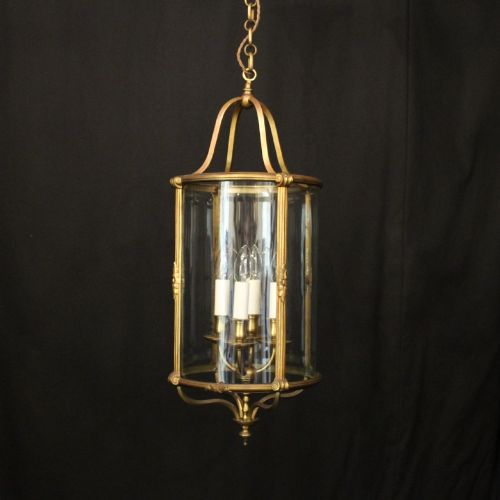
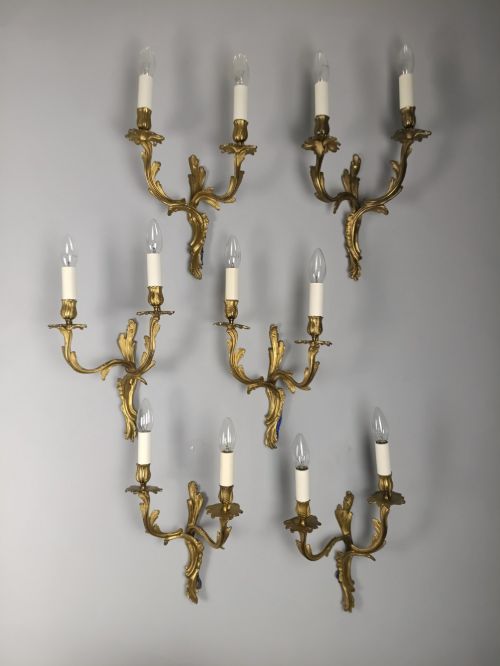
When someone searches for a vintage bronze light fixture, they encounter an array of heavy metal fittings designed to hang from ceilings or mount directly onto walls. The selection spans grand multi-arm chandeliers, hall lanterns, ceiling lights, and twin-arm wall sconces originating predominantly from French workshops during the 1920s and 1930s, alongside English and Italian examples.
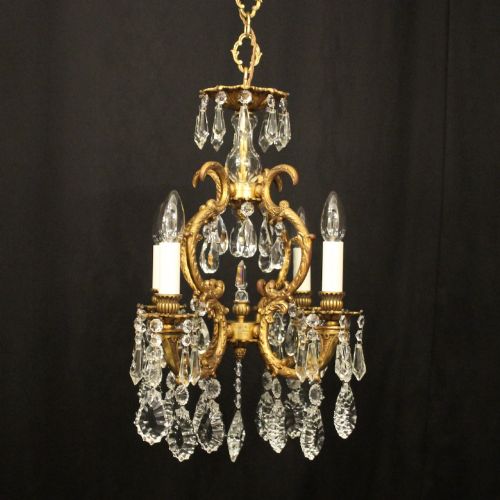
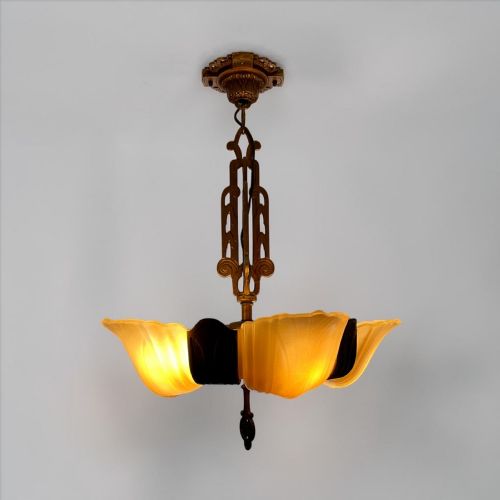
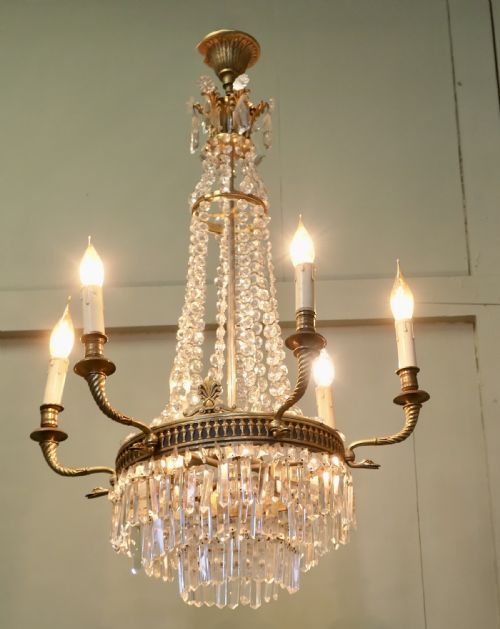
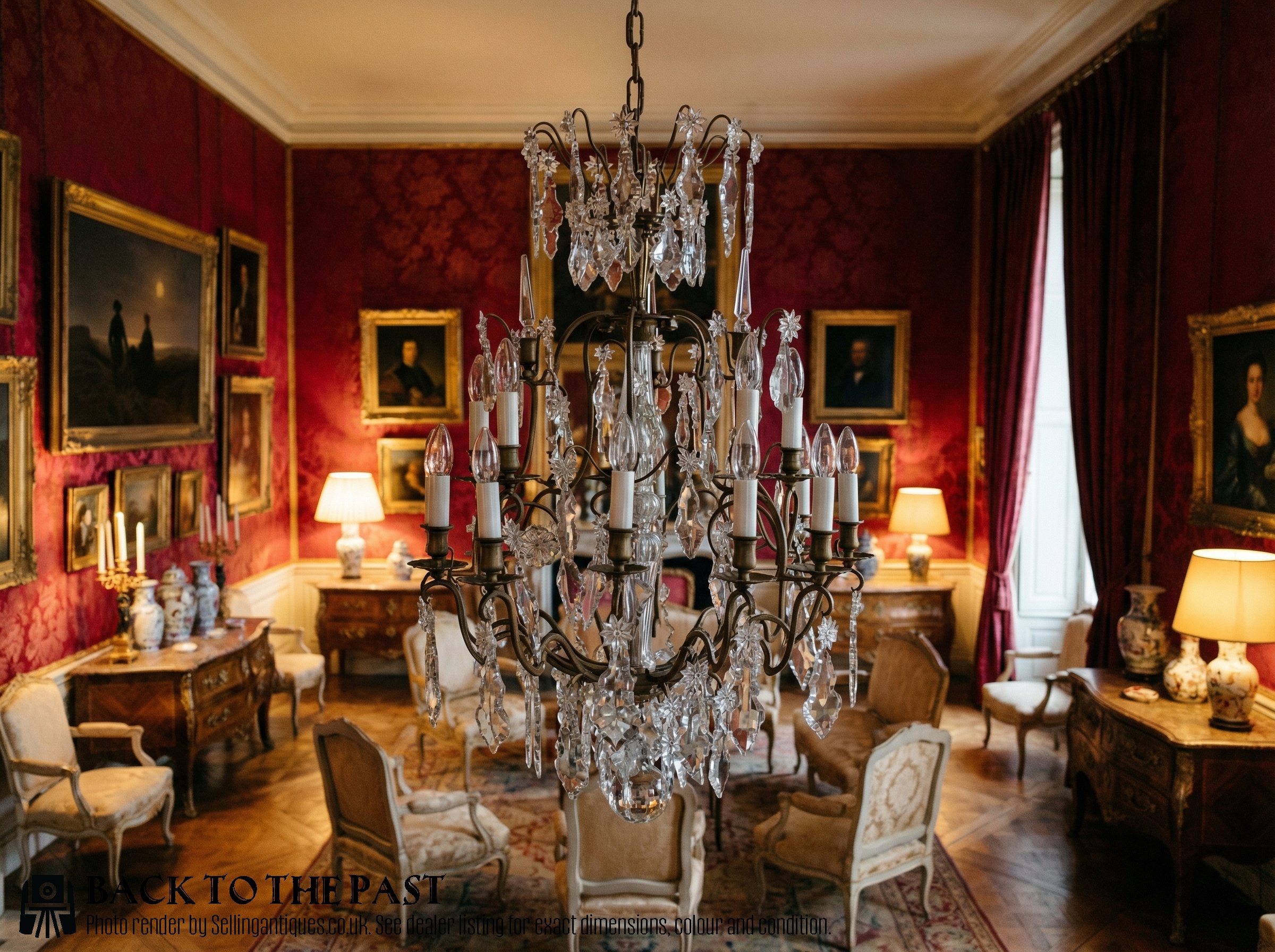
The forms range from intricate birdcage chandeliers and tent-and-waterfall designs adorned with cut glass crystals to restrained Art Deco slip shade lights and Louis revival ballroom fixtures. Many pieces integrate historical French styles such as Empire, Neoclassical, and Rococo Revival, utilising dark or gilded bronze surfaces to create an imposing focal point in a high-ceilinged room.
How they were made
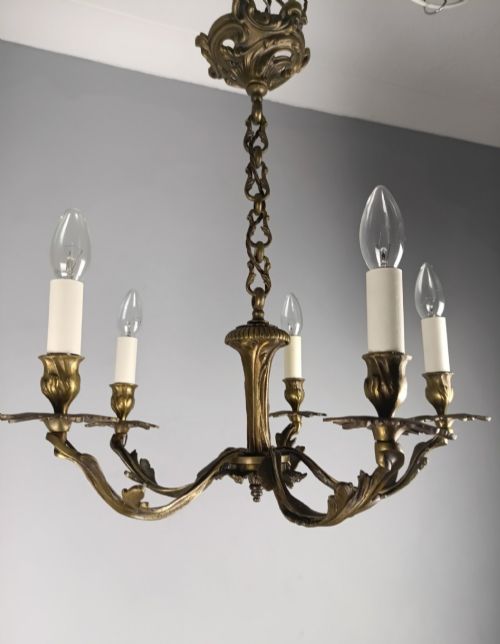
The construction of these light fixtures relies heavily on cast bronze, brass, and spelter frames, often finished with fire gilding or ormolu to achieve a bright metallic lustre. Makers shaped the metal into complex armatures, scrolling branches, and decorative foliage, sometimes combining dark patinated bronze with silver-gilded accents or applied metal toile work.
Lighting elements incorporate cast crystal spikes, cut glass drops, and translucent alabaster or glass slip shades held securely within metal mounts. Wiring and sockets were integrated into these structural metal frameworks, accommodating multiple bulb configurations ranging from compact four-light lanterns up to expansive twelve-arm chandeliers.
Vintage Bronze Light Fixture Retail Price Guide 2026
Typical asking prices for vintage bronze light fixture among the pieces listed under this phrase on Sellingantiques today, from the lower quarter to the upper quarter. They describe what is for sale here now, not the wider market.
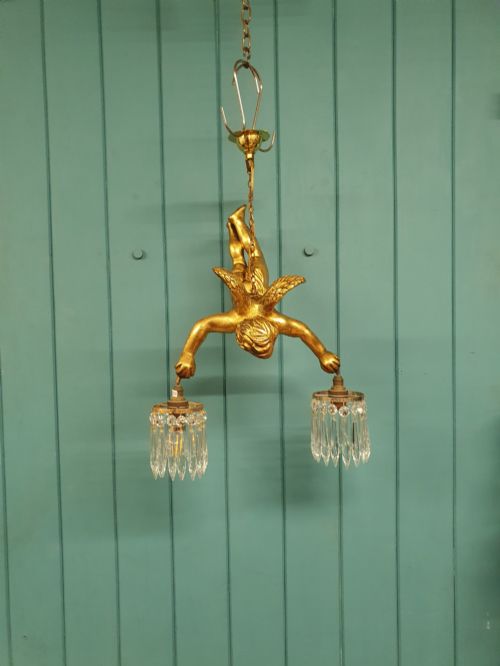
Flying cherubs occasionally share chandelier duty with cut glass crystal spikes, proving that early twentieth-century dining rooms took lighting with a healthy dose of drama.
What varies in quality
The standard of a vintage bronze light fixture depends upon the crispness of the original metal casting and the depth of the chasing work applied to the surface. Finer examples display sharp detail in the ornamentation, such as leaf decoration, flying cherubs, or classical lyre motifs, whereas lesser pieces show softer contours and simpler machine stamping.
The integrity of the hanging components also dictates the tier of the piece, marked by the presence of hand-cut crystal prisms rather than pressed glass, substantial gauge metal frames that support multi-light arrangements without bending, and well-preserved fire gilding that retains its rich tonality across every branch and sconce.
The Vintage Bronze Light Fixture Glossary
- Ormolu
- A technique of applying finely ground high-carat gold to a bronze object using a mercury amalgamation process. This finish provides a warm, enduring golden sheen characteristic of high-end French metalwork.
- Tent and waterfall
- A chandelier configuration featuring an upper conical canopy of strung crystals resembling a tent, dropping down into cascading tiers of glass prisms that catch and refract the light.
- Spelter
- An alloy primarily composed of zinc, utilised as a cheaper alternative to bronze for casting sculptural figures and decorative mounts on lighter period light fittings.
- Slip shade
- A moulded piece of glass or alabaster fitted directly into a metal frame or bowl, commonly seen in Art Deco ceiling lights to diffuse illumination softly downwards.
Vintage Bronze Light Fixture: Frequently Asked Questions
How do I hang a heavy bronze chandelier safely?
Hanging a heavy bronze light fixture requires fixing the support chain directly into a ceiling joist or using a heavy-duty structural toggle bolt capable of bearing substantial metal weight. Professional electrical installation ensures the junction box and wiring can safely handle multi-bulb configurations.
Because these fixtures often weigh considerably more than modern domestic lighting, securing the primary weight-bearing hook into solid timber or concrete is essential before attaching the decorative canopy and crystal components.
Can these old light fixtures use modern bulbs?
Most vintage bronze fittings accept standard modern screw or bayonet bulbs, provided the internal lampholders match current electrical standards. Many fixtures have been rewired during their lifespan to comply with safety regulations.
When selecting bulbs, low-wattage LED options that replicate the warm glow of traditional candle tubes work well without generating excessive heat near delicate crystal drops and vintage metal finishes.
What is the difference between an Empire and a Rococo style fixture?
Empire style light fixtures draw inspiration from classical antiquity, featuring symmetrical lines, architectural tent-and-waterfall crystal arrangements, and motifs such as lyres, wreaths, and eagles. They project a formal and monumental presence suitable for grand reception spaces.
In contrast, Rococo fixtures embrace asymmetrical scrolling forms, naturalistic leaf decoration, and exuberant curves inspired by shells and organic plant life. These pieces offer a more whimsical, flowing aesthetic compared to the rigid symmetry of Neoclassical designs.