

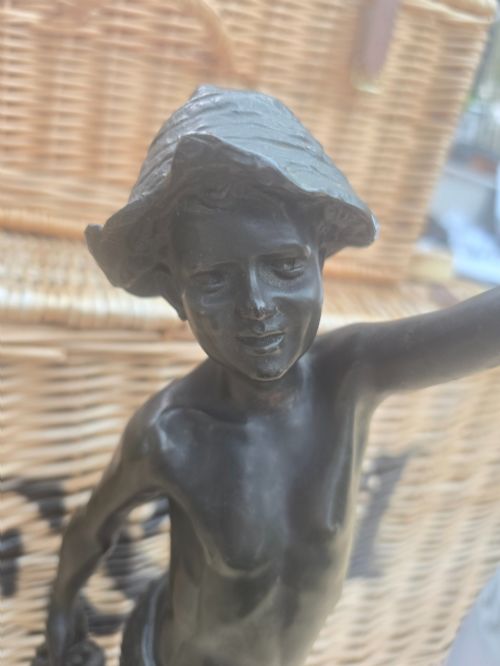
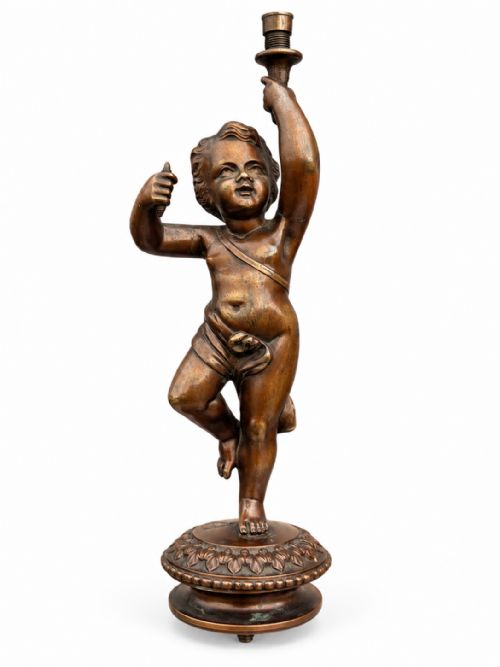
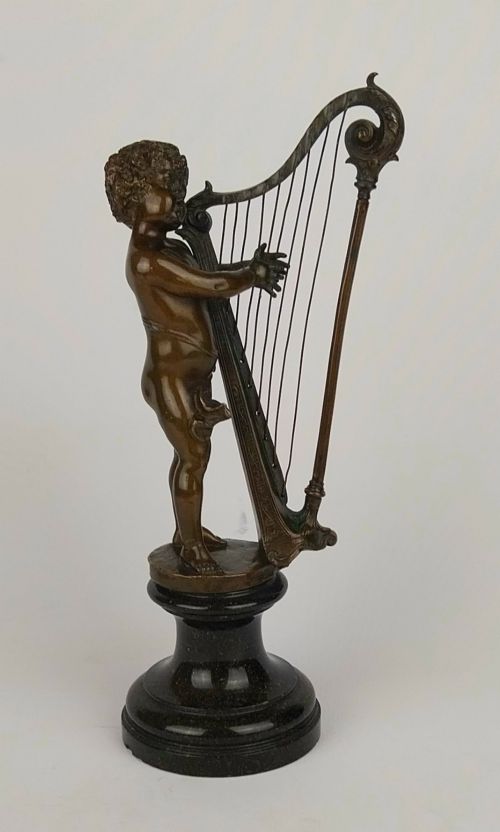


Vintage Bronze Casting
These vintage bronze casting pieces bring sculptural weight and patinated depth to a room, spanning animal studies and lighting.
Vintage Bronze Casting
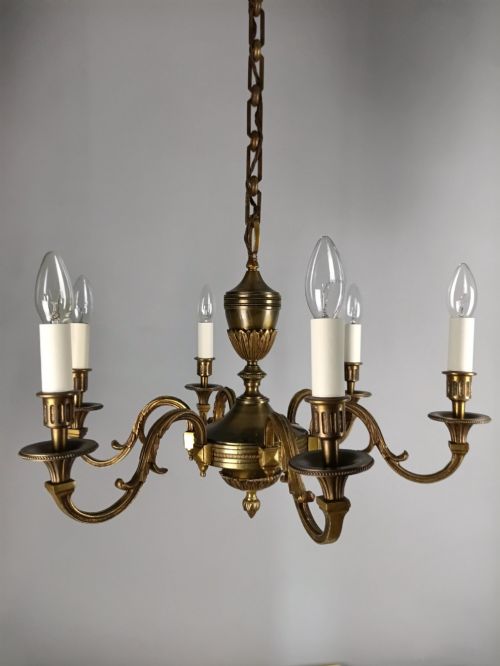
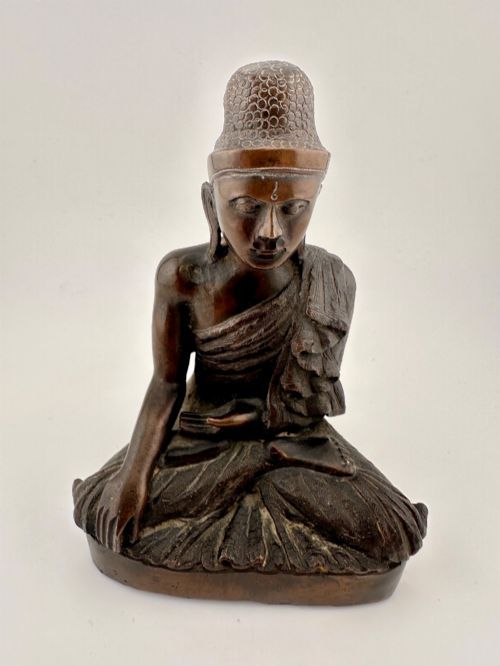
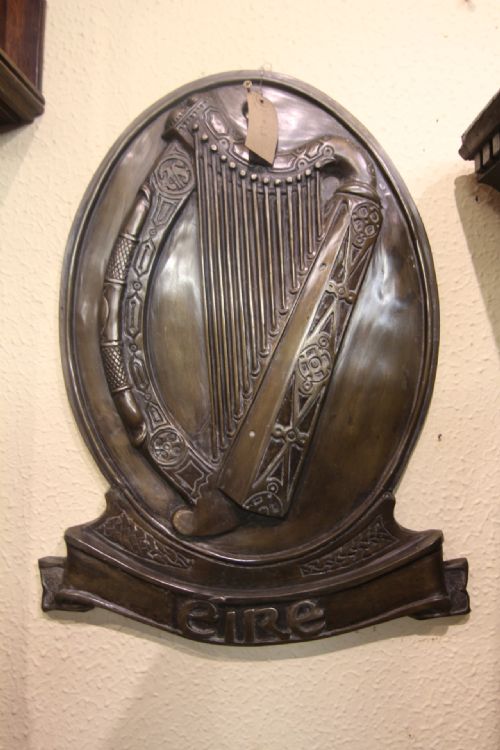
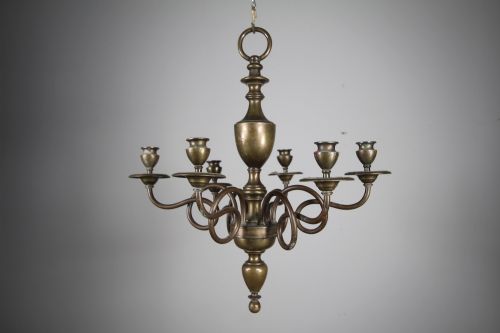
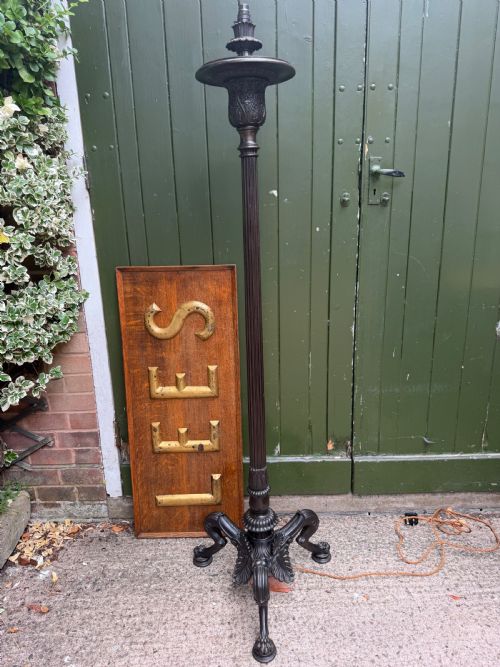
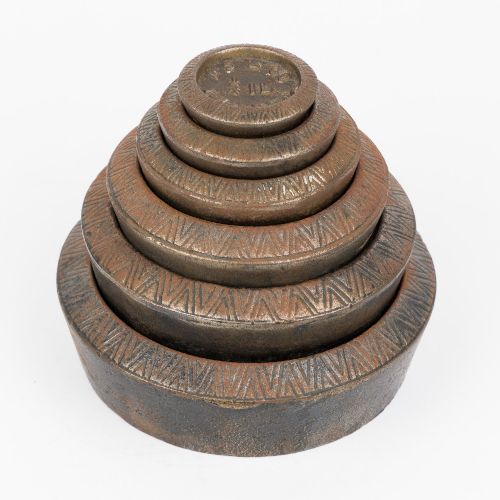
When you search for vintage bronze casting, you encounter a diverse range of metalwork from the nineteenth and early twentieth centuries. The selection on this page includes decorative sculptures, figurative lamps, fire screens, and structural architectural lighting originating from European, British, and Asian workshops.
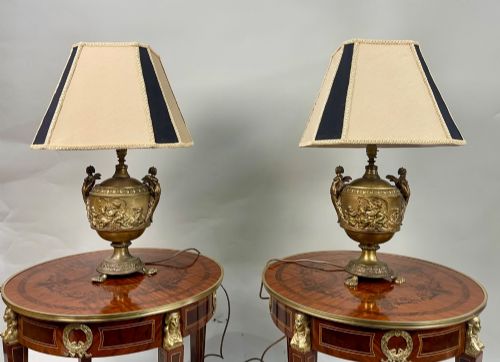
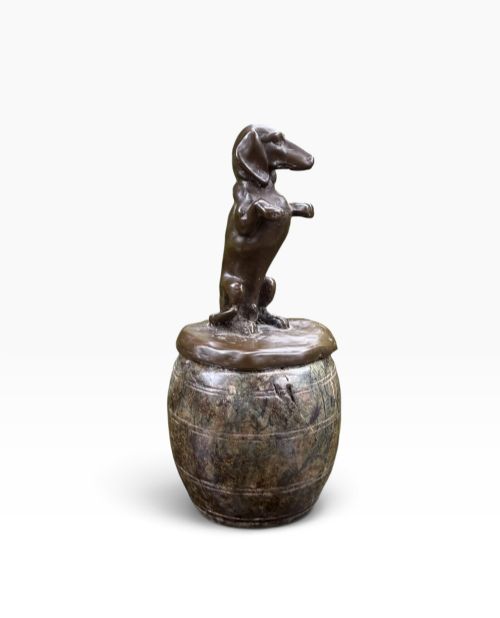
Figurative works frequently depict animals in the Animalier style, alongside portrait busts, religious figures, and mythological subjects. Functional items such as chandeliers, wall lights, and table lamps combine cast metal with auxiliary materials like marble and fabric shades.
How they were made
The objects listed utilise traditional metalworking methods, primarily molten bronze poured into moulds to capture fine detail. Many items receive surface treatments such as cold painting, gilding, or patination to produce varied tonal finishes.
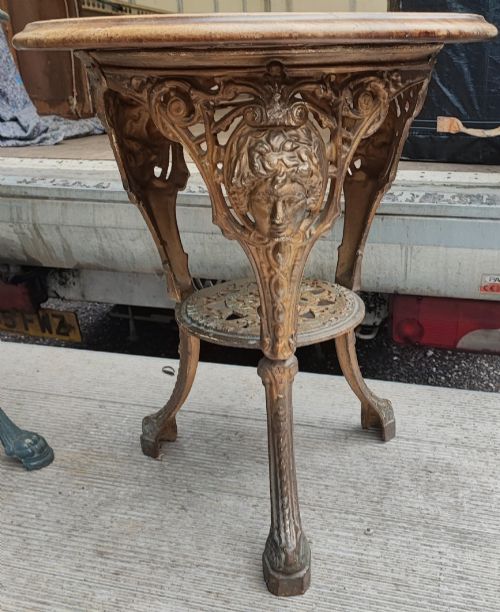
Combinations of materials appear regularly, anchoring heavy metal figures onto marble plinths or pairing cast components with brass, cast iron, and wood elements.
Vintage Bronze Casting Retail Price Guide 2026
Typical asking prices for vintage bronze casting among the pieces listed under this phrase on Sellingantiques today, from the lower quarter to the upper quarter. They describe what is for sale here now, not the wider market.
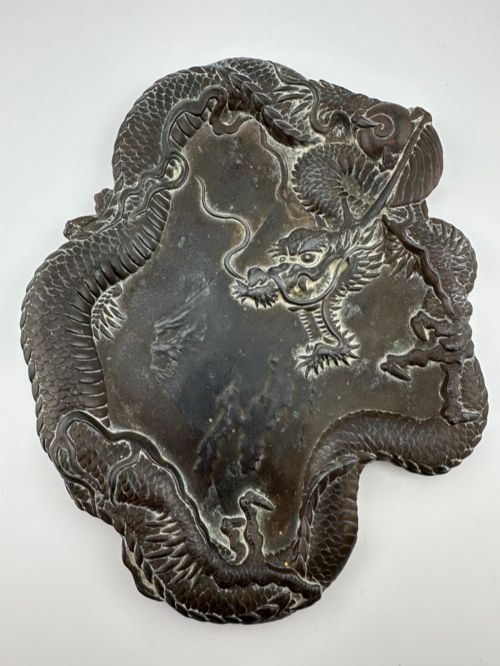
Listings feature items from the Victorian and Edwardian eras, alongside pieces dated to the Meiji period.
What varies in quality
The standard of a casting is judged by the crispness of the chased surface details and the fidelity of the final metal form to the original model. Sculptures with distinct signatures, clear foundry marks, or attribution to known animalier modellers stand apart from unmarked domestic production.
The integrity of the patination and the harmony of mixed media elements, such as fitted marble bases or applied gilt finishes, indicate the level of craftsmanship invested in the object's creation.
Bouhon Frères·P J Mêne·Christophe Fratin·Tsunemitsu
The Vintage Bronze Casting Glossary
- Animalier
- A nineteenth-century artistic movement focusing on realistic depictions of animals, particularly in bronze. These sculptures capture creatures in natural motion or repose.
- Patination
- The natural or chemical alteration of a metal surface over time, resulting in a distinct coloration and sheen. This finish protects the underlying alloy while adding visual depth.
- Champlevé
- An enamelling technique where troughs are carved into the metal surface and filled with vitreous enamel prior to firing. It appears frequently on decorative Asian bronze vessels and lamps.
- Gilt Bronze
- Bronze metal coated with a thin layer of gold or gold leaf to produce a bright, luminous finish. It is commonly found on French decorative objects and lighting.
Vintage Bronze Casting: Frequently Asked Questions
What is vintage bronze casting?
Vintage bronze casting encompasses sculptural figures, lighting, and decorative objects shaped from molten copper alloys during the nineteenth and early twentieth centuries.
These pieces reflect diverse international aesthetics, ranging from European animalier studies to Japanese Meiji period metalwork.
How do I care for bronze items?
Bronze requires minimal intervention, needing only occasional dusting with a soft, dry cloth to prevent particulate accumulation.
Avoid using abrasive cleaning compounds or harsh liquids, which can strip the original historical patination from the metal.
Are all these pieces solid bronze?
While the primary material is bronze, many listings incorporate complementary substances such as cast iron, brass, marble bases, and fabric shades.
Some lighting and decorative objects combine gilded bronze mounts with applied enamel or carved stone elements.
How can I tell the period?
Dating relies on stylistic markers, such as the naturalistic anatomy of Animalier sculptures or the geometric lines of Art Deco lighting.
Maker signatures, foundry stamps, and specific casting techniques also provide clear indicators of a piece's age of origin.