
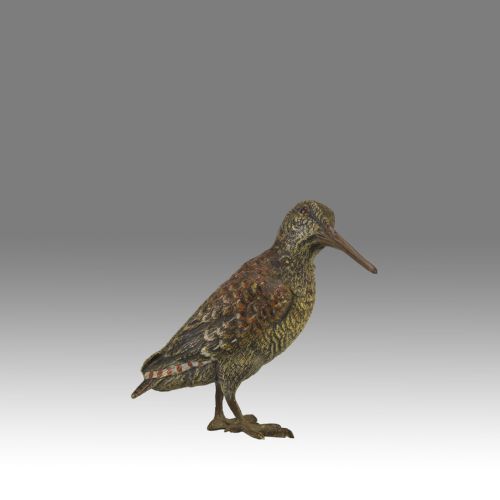
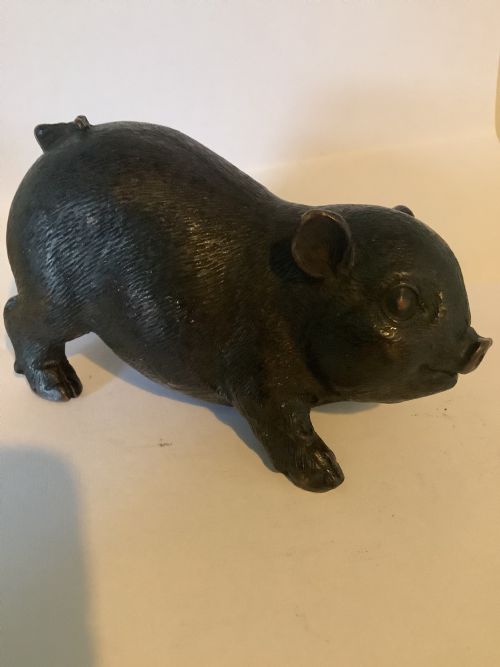
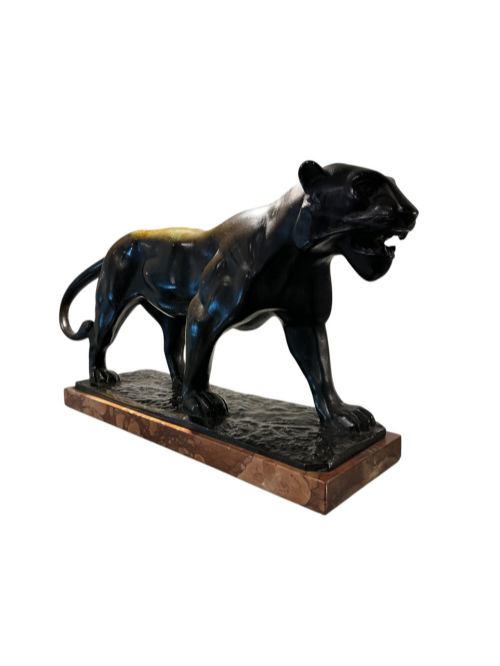
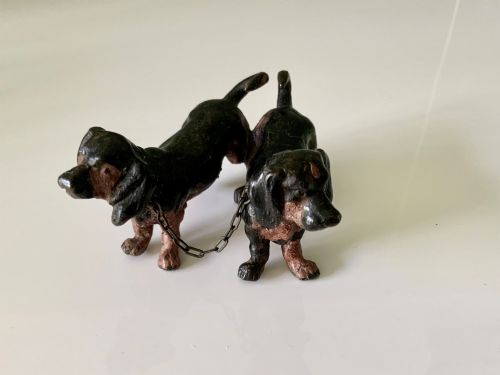
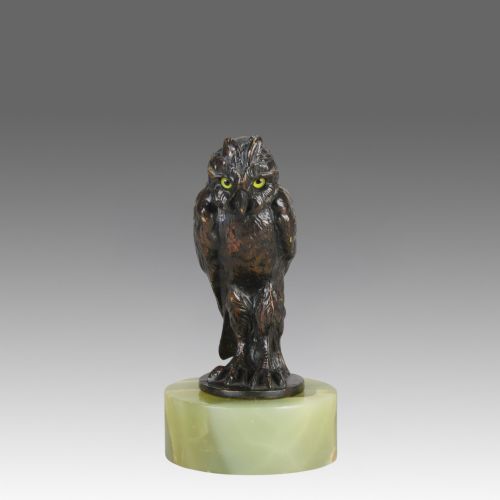
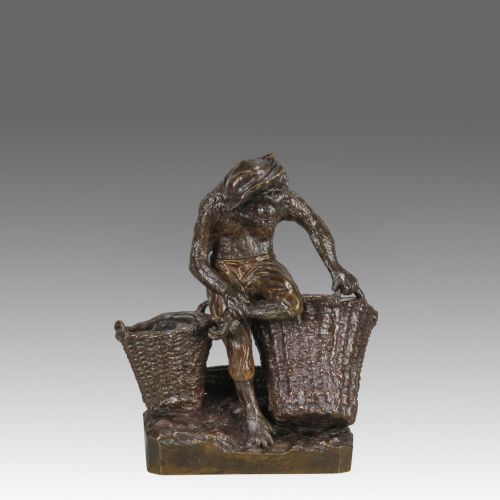
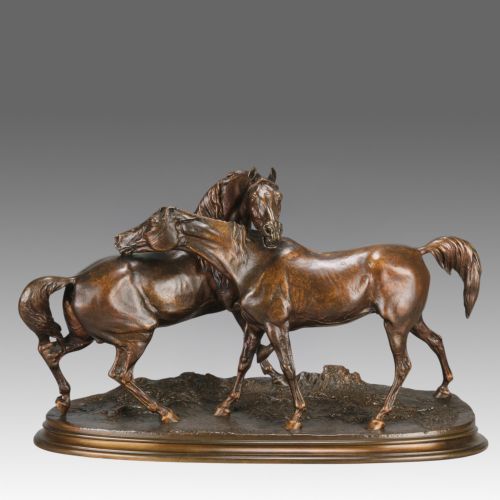

Vintage Bronze Animal
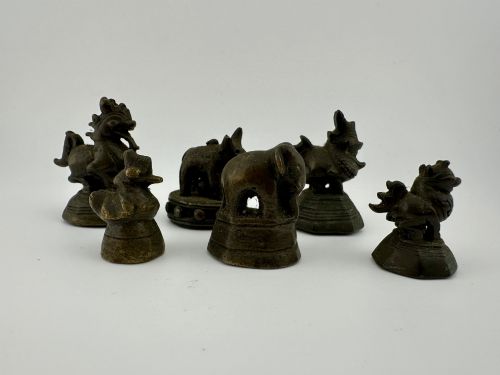
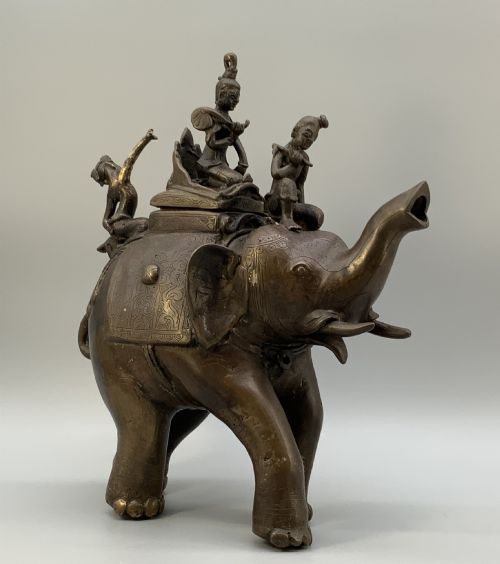
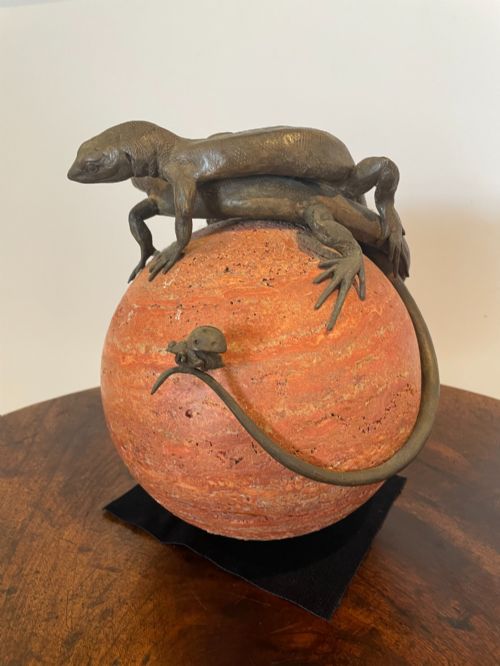
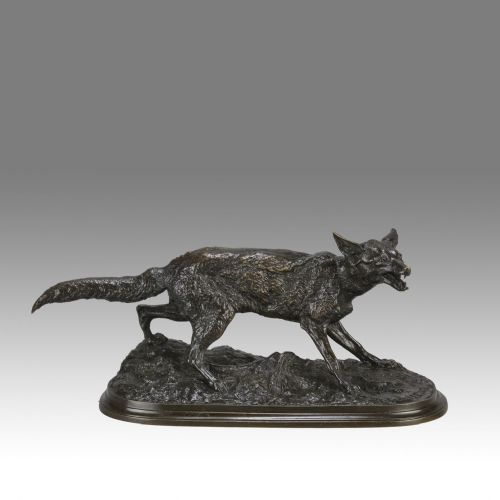
A vintage bronze animal brings muscle and movement into a room, capturing a moment of wild behaviour in solid metal.
Vintage Bronze Animal
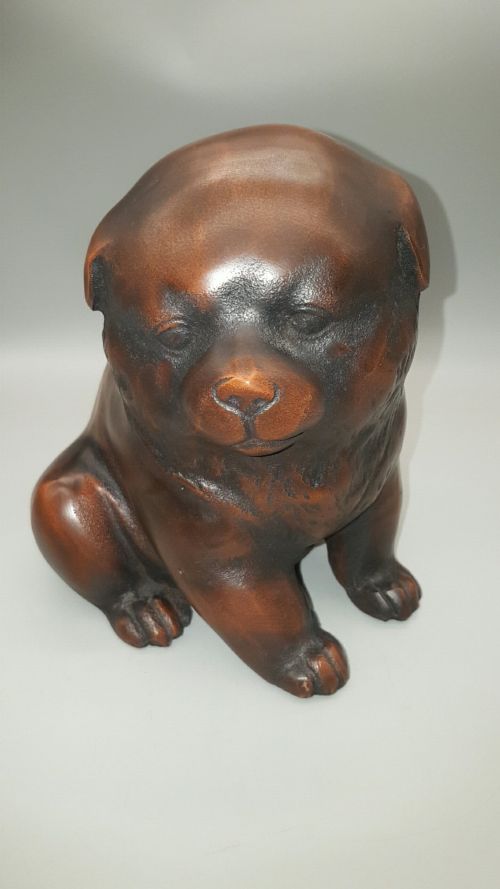
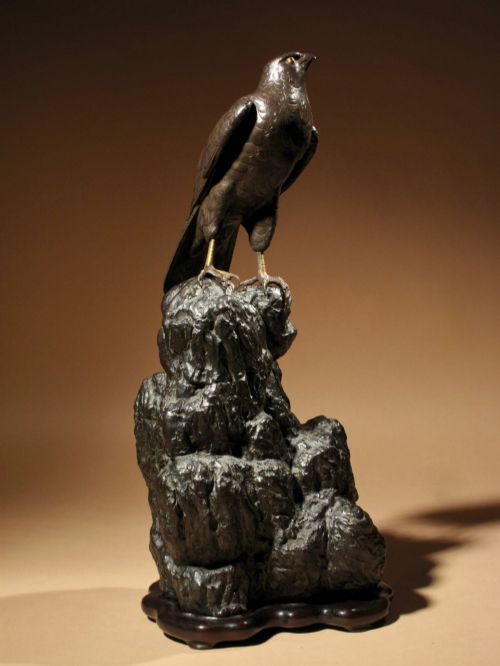
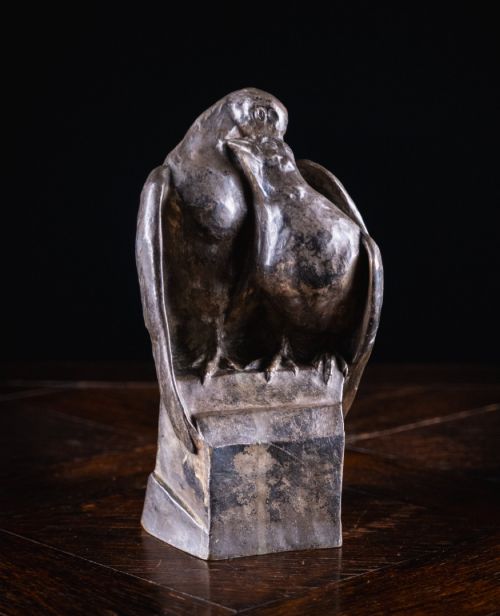
When searching for a vintage bronze animal, buyers encounter a diverse selection of sculptural forms ranging from naturalistic wildlife to domestic dogs, birds and bookends.
The pieces on this page span the nineteenth and twentieth centuries, taking in French animalier studies, Austrian cold-painted works and Japanese Meiji period castings.
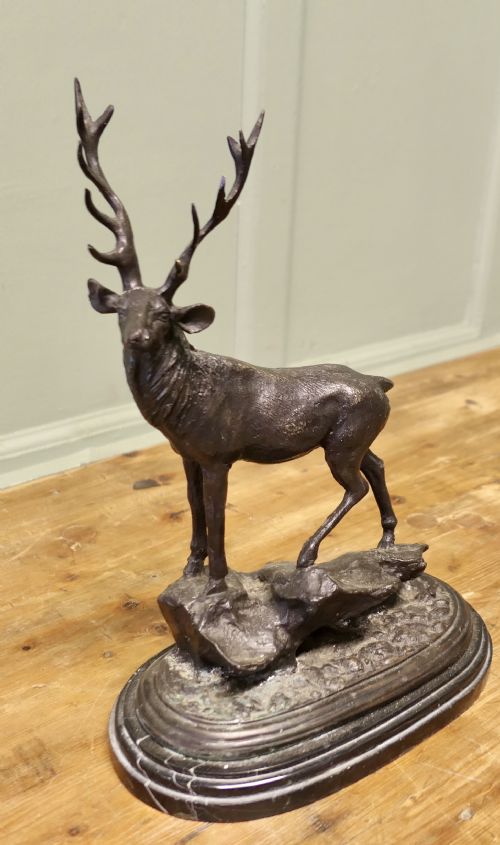
Subjects stretch from prowling panthers and stags to smaller figures of mice, squirrels and birds, often mounted on marble or onyx plinths.
Materials and Technique
Casting is carried out in bronze, occasionally supplemented by spelter or brass, with many Austrian examples receiving detailed cold-painted polychrome finishes.
Bases are frequently fashioned from contrasting materials such as marble, onyx and wood, supporting heavy metal sculptures and bookends alike.
Listings combine nineteenth-century French animalier bronzes with twentieth-century Austrian cold-painted pieces and Japanese Meiji period castings.
Craftsmanship and Detail
The success of a piece rests on the fidelity of the casting and the nuance of the chiselling, which together define the tension in a muscle or the texture of feathers and fur.
In cold-painted examples, the preservation of the original hand-applied paint layer dictates the integrity of the surface, while heavier patination and robust mounting on stone bases distinguish superior studio work.
P J Mêne·Franz Bergman·Alexandre Ouline·Antoine Louis Barye·Christophe Fratin·Victor Peter
The Vintage Bronze Animal Glossary
- Animalier
- A nineteenth-century French movement dedicated to the realistic portrayal of animals. Sculptors in this tradition focused on the anatomical accuracy and dynamic energy of wildlife.
- Cold-painted bronze
- A technique where bronze figures are painted with cold enamel rather than fired in a kiln. This method allows for intricate polychrome detail, particularly seen in Austrian animal figures.
- Patina
- The surface sheen or colour that develops on bronze over time through age and handling. A natural patina is valued for adding depth and historical character to a sculpture.
- Spelter
- An alloy of zinc and copper used as a cheaper alternative to bronze. It is lighter and softer, often finished with a bronze-like coating.
Vintage Bronze Animal: Frequently Asked Questions
How do I clean a bronze animal?
Dust the surface gently with a soft, dry brush to prevent dirt from accumulating in the crevices of the metal. Avoid using chemical polishes, as these can strip away the historical patina that accumulates over decades.
Apply a very light coat of microcrystalline wax occasionally if the bronze appears dry. Buff gently with a clean cloth to restore a soft, protective sheen.
What is cold-painted bronze?
Cold-painted bronze refers to metal sculptures finished with oil or varnish-based paints applied without heat firing. This technique was widely utilised by Viennese workshops to create brightly coloured birds, dogs and human figures.
Because the paint sits on the metal rather than fusing with it, these pieces require careful handling to prevent chipping. The presence of original paint significantly influences the character of the object.
Are these pieces solid bronze?
Many sculptures are cast using the lost-wax method to create solid or heavy hollow metal forms. Some contemporary or alternative pieces utilise spelter, which is a lighter zinc-based metal given a bronze-like finish.
Checking the weight and examining the underside can help distinguish solid bronze from alloy substitutes. Bronze develops a deep, stable oxidation over time, unlike softer metals.
How are marble bases dated?
Marble and onyx bases reflect the prevailing design aesthetics of their production era, such as the geometric cuts popular in Art Deco pieces. The thickness of the stone, the type of polish and the mounting screws underneath offer clues to the period.
Early pieces often feature hand-finished marble plinths tailored individually to the sculpture's feet. Later mass-produced items tended to use standardised rectangular slabs.