




Vintage British Landscape Picture
A vintage british landscape picture captures rural and coastal scenes across changing decades, offering buyers a window into traditional countryside and river views.
Vintage British Landscape Picture
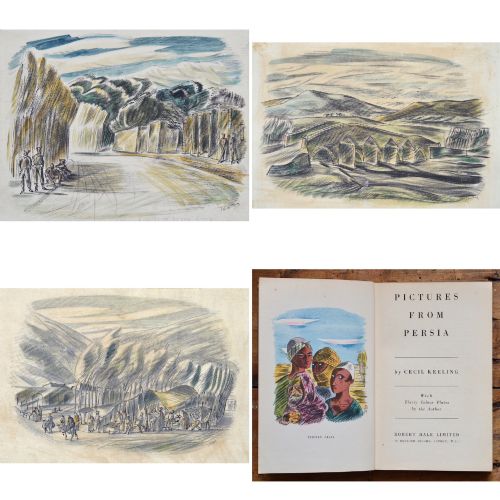
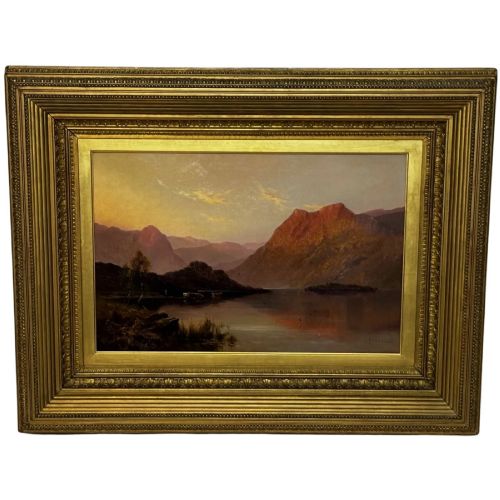
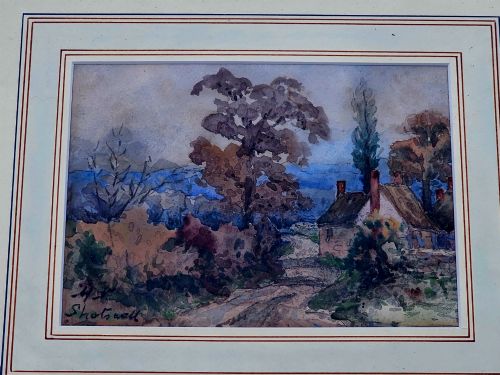
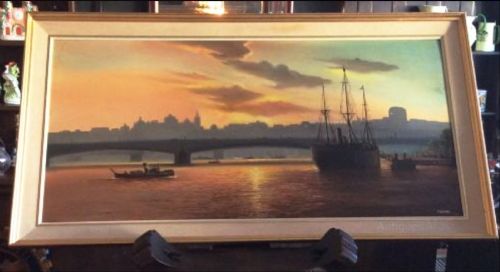
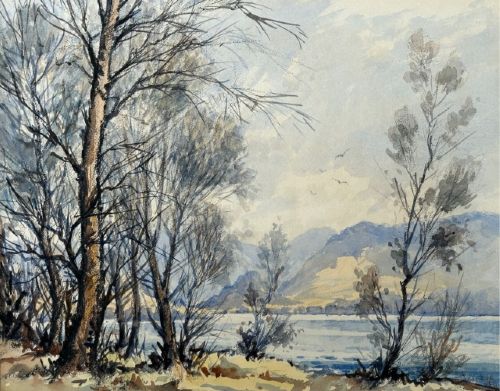
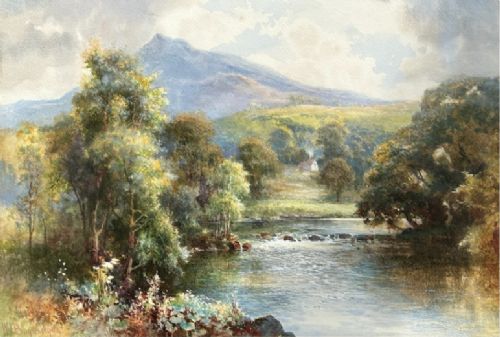
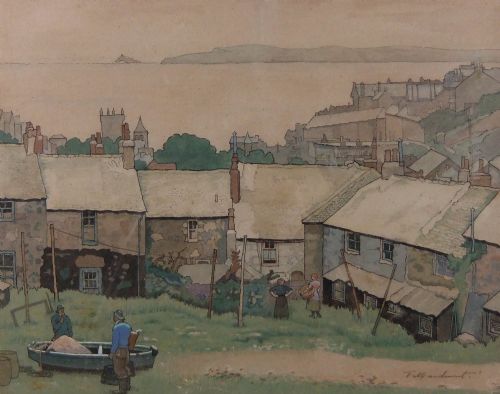
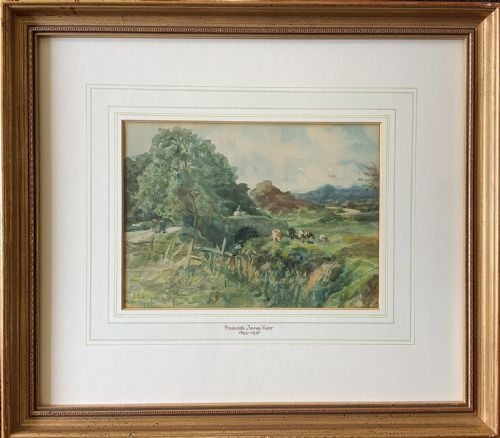
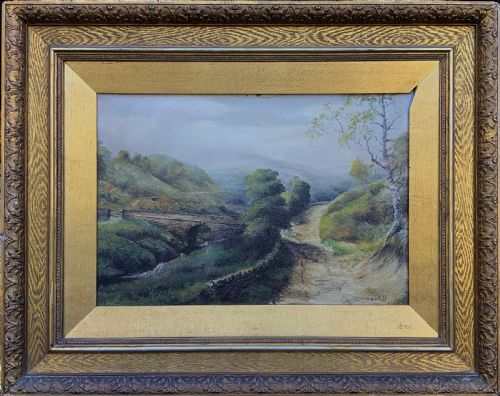
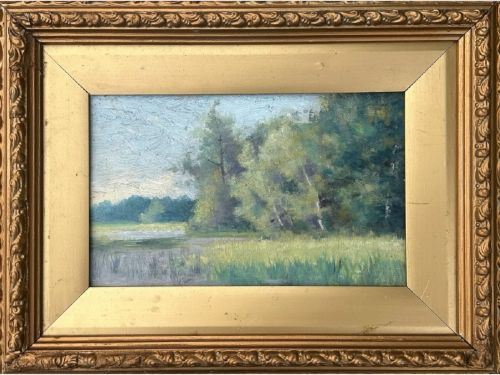
A vintage british landscape picture encompasses framed works depicting rivers, moorlands, valleys, and coastal harbours executed across the nineteenth and twentieth centuries. Buyers seeking these items will encounter varied interpretations ranging from Victorian academic watercolours to mid-century oil paintings on board.
The assortment on this page draws heavily from British Impressionist, Edwardian, and Post-War traditions, capturing specific locations from the Lake District to the Thames Valley. Works frequently record rural occupations, livestock, and architectural landmarks embedded within recognizable national settings.
Materials and methods
Painters utilised watercolour pigment on paper or applied oil paint directly to canvas, wood panels, and boards, often incorporating gesso preparations for framing surfaces. These mediums determined the texture and permanence of each composition, allowing artists to capture light and atmosphere across different periods.
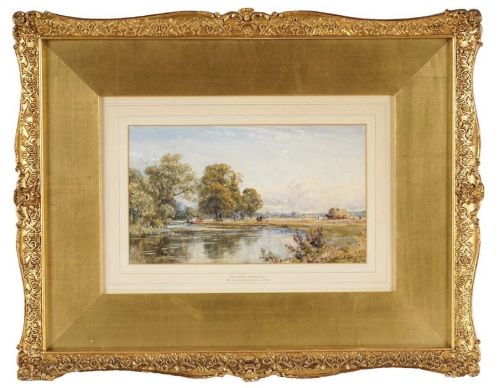
Framed artwork relied on traditional wooden surrounds, occasionally gilded, which served to protect the delicate paper or canvas supports from environmental damage while completing the visual presentation.
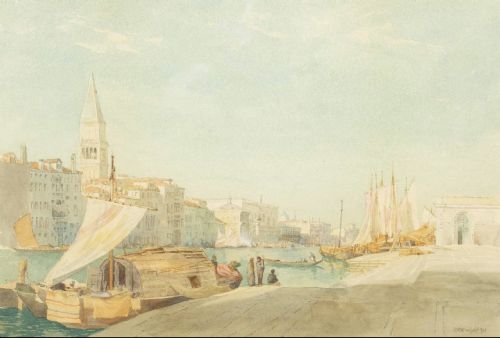
Regional depictions span from Scottish and Welsh countryside views down to southern coastal harbours and urban London landmarks.
Factors of distinction
Quality rests upon the artist's handling of light, brushwork confidence, and the preservation of the original support material, whether paper, canvas, or wood panel. Superior examples display assured spatial depth and atmospheric resonance rather than mechanical replication of scenery.
The integrity of the frame, the clarity of artist signatures or documentation, and the stability of the paint or watercolour surface distinguish exceptional works from standard decorative productions.
Alfred Fontville de Breanski Jr·Robert Leslie Howey·George Stanfield Walters·Joan Gillchrest·Arthur Wardle
The Vintage British Landscape Picture Glossary
- Watercolour painting
- A work created using water-soluble pigments applied to paper supports, valued for its translucent washes and immediacy.
- Oil on canvas
- A traditional painting technique where oil-based pigments are layered onto stretched woven fabric, allowing rich textures and deep colour blending.
- Gesso
- A white paint mixture consisting of a binder mixed with chalk, gypsum, or pigment, used to prepare wood or canvas surfaces before painting.
- British Impressionism
- An artistic approach focusing on light, loose brushwork, and everyday scenes, prevalent among British painters from the late nineteenth century onward.
Vintage British Landscape Picture: Frequently Asked Questions
What periods do these landscapes cover?
The available selection spans from the late nineteenth century through the Edwardian era and into the mid-twentieth century. Works reflect stylistic shifts from Victorian academic detail towards impressionistic and post-war interpretations.
Collectors can trace how artists altered their palette and handling of light across these successive decades while maintaining a focus on national scenery.
How do I identify a watercolour from an oil painting?
Watercolours are executed on paper under glass, showing translucent washes where the white of the paper often provides highlights. Oil paintings utilise thick pigments applied to canvas, wood panels, or boards, possessing visible brush texture.
Examining the surface under natural light reveals whether the medium sits flat within absorbent paper or rests raised upon a sealed ground.
Where were these scenes typically painted?
Subjects range widely across British topography, including Welsh river valleys, Lake District lakes, Yorkshire farmyards, and coastal harbours in Devon and Cornwall. Many pieces document specific regional waterways, cathedrals, and rural lanes.
Artists frequently worked outdoors or from direct studies to capture the specific topographical character of these local environments.
How should I care for a vintage painting?
Display works away from direct sunlight and excessive humidity to prevent paper fading, canvas warping, or pigment degradation. Watercolours require protective glass framing, while oil paintings benefit from stable indoor temperatures.
Dust wooden frames gently with a dry cloth and avoid liquid cleaners on the painted surfaces to preserve the original materials.