



English Impressionist Artwork
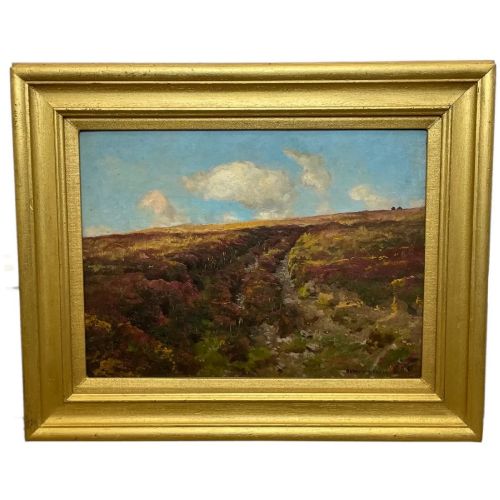
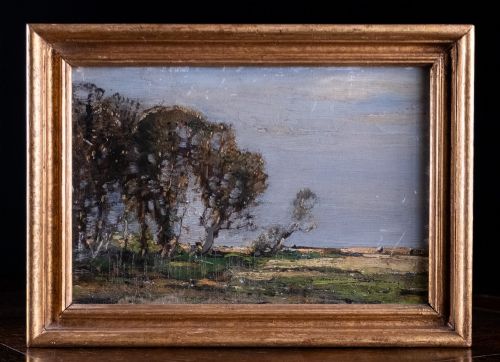
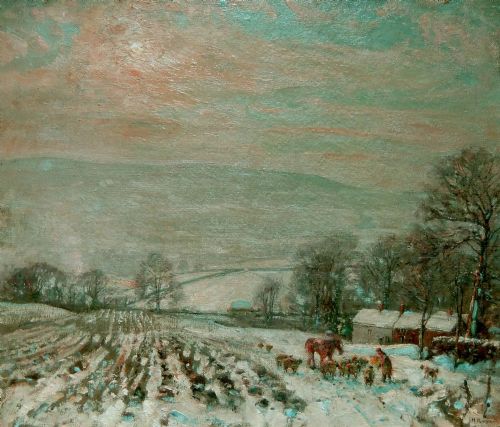
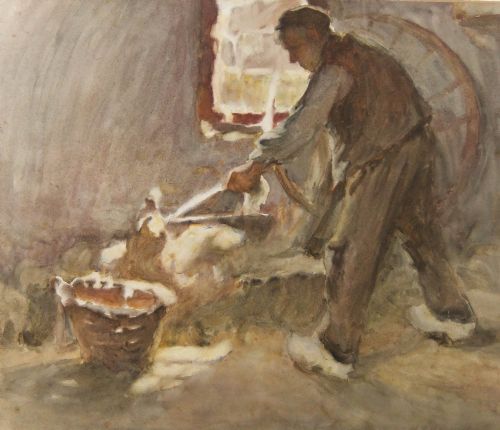
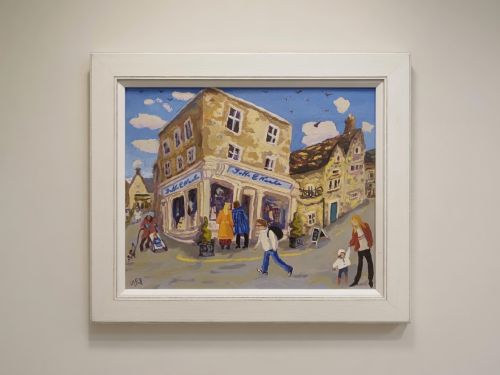
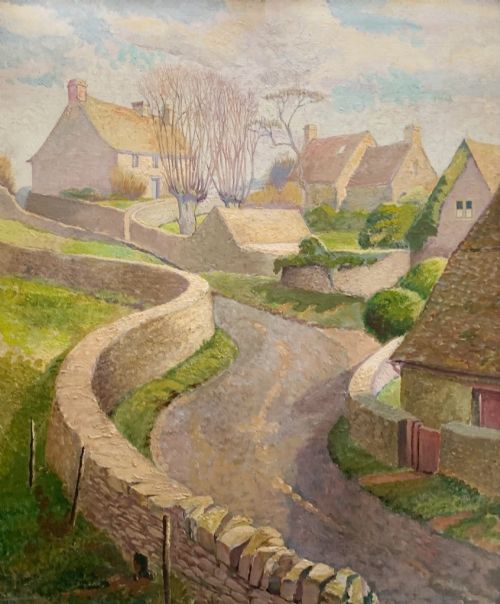
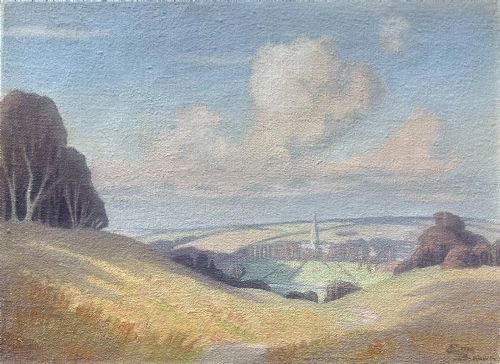
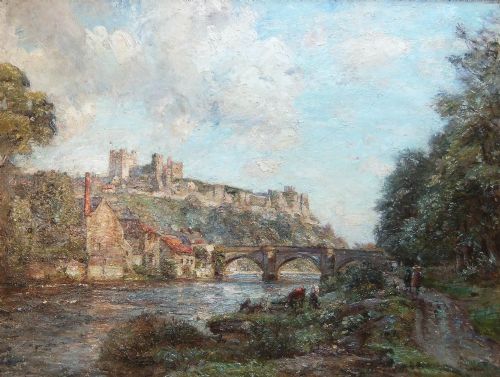
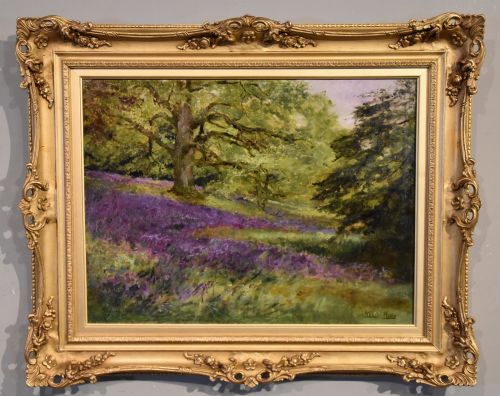
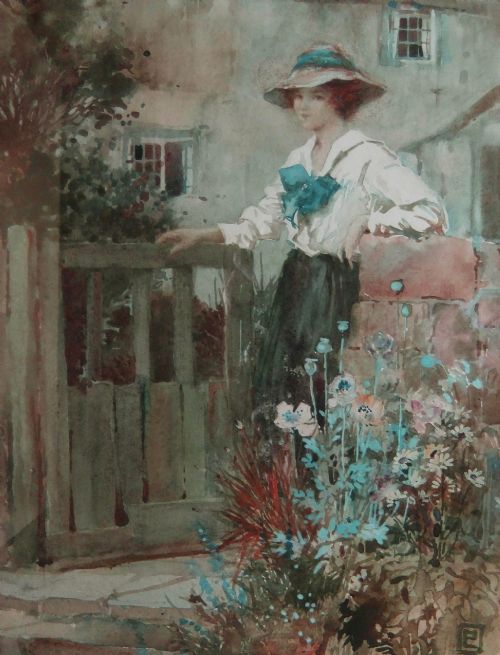
These pieces of english impressionist artwork capture rural landscapes, coastal scenes and village life through oils and watercolours.
English Impressionist Artwork
When you search for english impressionist artwork, you encounter painted visions of rural and coastal scenes spanning the nineteenth and twentieth centuries. These paintings record specific places, from Yorkshire farmyards to Cornish harbours, rendered with lively brushwork and keen attention to natural light.
You are most likely to meet canvases and paper works originating from the Edwardian era through to the mid-century period. These objects capture the changing seasons, quiet rivers and country cottages through the lens of British artistic movements.
The works span oil on canvas, oil on board, and watercolour paintings. Each piece documents a distinct corner of the British landscape, interpreted through the evolving styles of regional painters.
Materials and methods
Artists painted primarily with oil paint on canvas, wood panels and board, or applied watercolour pigments to paper. These materials allowed creators to build textured surfaces or achieve translucent washes of colour depending on the desired atmosphere.
Makers employed direct brushwork to capture fleeting effects of light and weather outdoors. The physical support, whether stretched canvas or wooden panel, determined how thickly the paint could be layered.
The listings span from the nineteenth century through the 1950s, utilising canvas, paper, wood, and oil paint.
Qualities of distinction
The strength of a composition rests on the artist's handling of light and shadow across the landscape. Works that convey a vivid sense of place and atmospheric depth stand apart from routine topographical recording.
The confidence of the brushwork and the harmony of the palette dictate the visual impact of each painting. Superior examples demonstrate a sure command of tone and colour relationships that bring the scene to life.
Arthur Wardle·Kershaw Schofield·Herbert Royle·William Banks Fortescue·Henry Silkstone Hopwood·Lucy Pratt·Eric Brown·Henry Yeen King·Percy Lancaster·Florence Adelina Hess·John Horace Hooper·Hubert Wellington·Edgar Woollatt·Joseph Edward Hennah·Charles Walter Simpson·Harry Freckleton·Sir David Murray·William JB Jenkins·Ernest Higgins Rigg·Arthur Reginald Smith·Fred Lawson·Reginald Grange Brundrit·Arthur Tucker·Owen Bowen·John Atkinson
The English Impressionist Artwork Glossary
- Oil paint
- A slow-drying paint made by mixing pigments with a drying oil, typically linseed. This medium allows for thick impasto application or smooth glazing.
- Watercolour
- A painting method in which the paints are made of pigments suspended in a water-based solution. Artists use it on paper to create luminous washes.
- Canvas
- A closely woven heavy fabric used as a surface for oil paintings. It is typically stretched tightly over a wooden frame before painting.
- Board
- A rigid flat surface utilised as a support for paintings instead of stretched canvas. Artists often painted directly on wood or millboard during outdoor sketching excursions.
- Provenance
- The chronology of the ownership and custody of a work of art. Documented history helps confirm the authenticity and background of a piece.
English Impressionist Artwork: Frequently Asked Questions
What subjects appear most often in english impressionist artwork?
These paintings focus heavily on rural landscapes, coastal villages, farmyards and cottage gardens. Scenes from Yorkshire, Cornwall and various river valleys recur across the selection.
Artists also recorded local landmarks, agricultural labour and domestic moments, capturing the rhythm of daily life in the British countryside.
How do I date a piece of english impressionist artwork?
Dating relies on signature styles, artist biographical dates, and framing methods recorded with the piece. Many works carry specific years or reflect the aesthetic movements of their decade.
Nineteenth-century pieces often show more traditional tonal arrangements, while twentieth-century examples embrace brighter palettes and looser brushwork associated with modernism.
Where were these paintings created?
The works were produced across diverse locations in Britain, from northern dales and coastal harbours to southern rivers and gardens. Artists often travelled to specific regions to paint en plein air.
Local artist communities in places like Staithes or St Ives inspired many of the coastal and rural compositions seen in this group.
How should I frame and display these works?
Watercolours require framing behind glass with acid-free mounts to protect the paper from moisture and light damage. Oil paintings on canvas or board need appropriate wooden frames that allow the surface to breathe without restriction.
Display the artwork away from direct sunlight and damp environments to preserve the integrity of the paint layers and paper supports.