

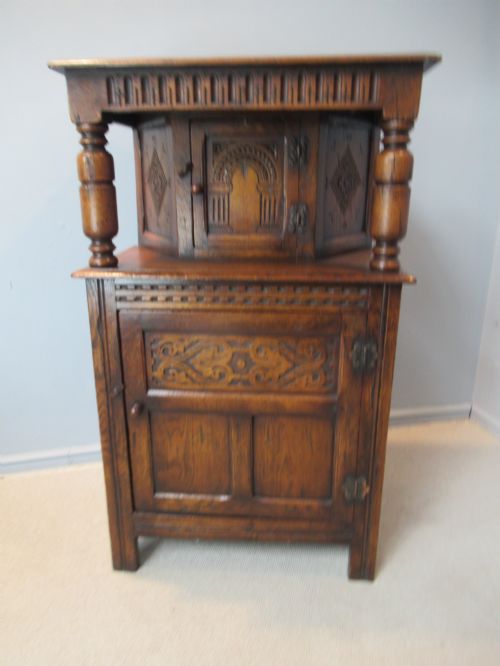


Vintage Bread Cupboard
A vintage bread cupboard is a rustic storage piece designed for provisions, bringing vernacular charm and practical depth to a modern kitchen.
Vintage Bread Cupboard
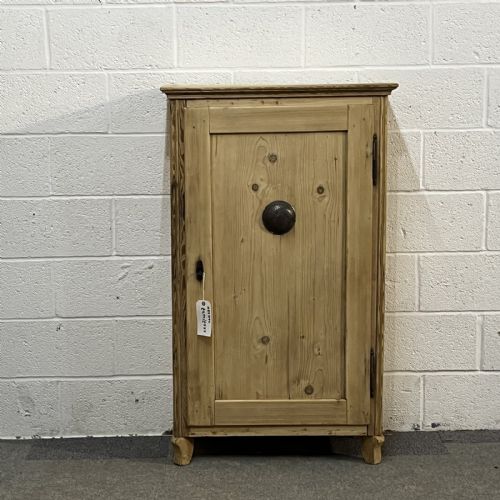
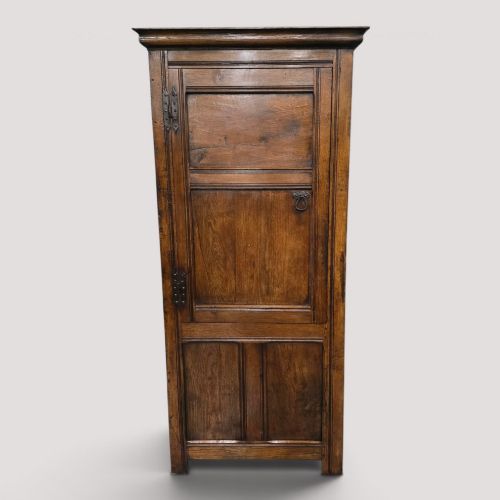
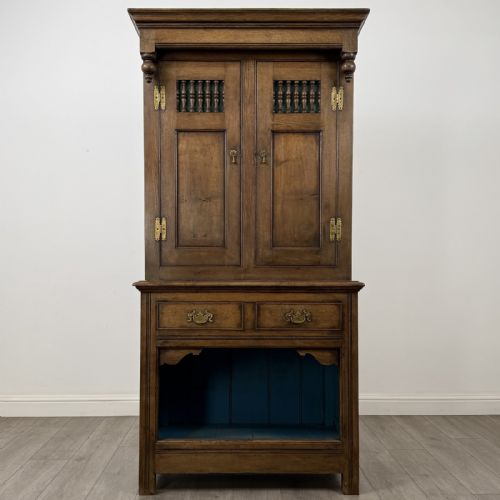
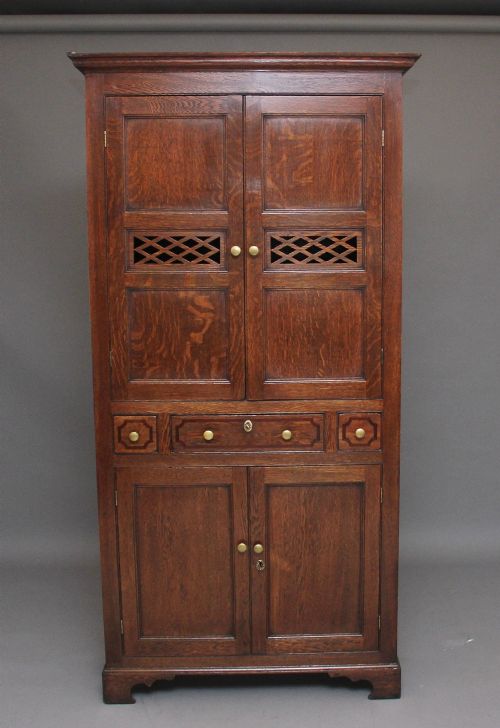
A vintage bread cupboard encompasses a range of traditional storage forms, including food cupboards, wall cabinets, court cupboards, and specialised bread stores originating from various regional traditions. These pieces are typically encountered in sturdy timbers and vernacular designs reflecting their domestic utility in earlier centuries.
Rural styles dominate these listings, drawing on English country, French provincial, and rustic farmhouse traditions. Each piece reveals the functional heritage of domestic food storage, from ventilated food cupboards to carved court cupboards designed for display and provision.
How they were made
Makers utilised solid timbers such as oak, pine, and walnut, often joining panels with traditional frame and panel construction to accommodate seasonal movement in the wood. Structural hardware typically includes brass or wrought iron hinges and handles, reinforcing the vernacular joinery.
Surfaces frequently show the marks of hand-planing and simple carving, while some painted pine variants feature later sign-writing or historic painted finishes. Ventilated panels and pierced details were integrated into food cupboards to allow air circulation for perishable provisions.
Vintage Bread Cupboard Retail Price Guide 2026
Typical asking prices for vintage bread cupboard among the pieces listed under this phrase on Sellingantiques today, from the lower quarter to the upper quarter. They describe what is for sale here now, not the wider market.
The inventory includes specialised forms such as court cupboards, deuddarns, panetières, and proofing cupboards.
What varies in quality
The distinction between tiers of quality rests in the integrity of the timber and the retention of original structural elements. Pieces retaining their early brass or wrought iron hardware and uncompromised joined construction hold greater architectural weight.
Proportion and regional character also dictate distinction, as vernacular items with undisturbed surfaces and honest patination reflect a higher degree of historic integrity than heavily altered examples.
The Vintage Bread Cupboard Glossary
- Court Cupboard
- A traditional English cupboard featuring an upper and lower section, often supported by turned pillars. These pieces were historically used for displaying plate and storing provisions.
- Panetière
- A French bread store traditionally designed with ventilated spindle sides or panels to keep loaves fresh. They originate from Provence and surrounding regions.
- Press Cupboard
- An enclosed storage item featuring upper doors concealing hanging space or shelves above a lower cabinet base. They are commonly constructed from solid oak in vernacular styles.
- Vernacular
- A style of furniture built by local craftsmen using regional materials to satisfy domestic needs. These pieces prioritize function and local tradition over high-style academic design.
Vintage Bread Cupboard: Frequently Asked Questions
What is a bread cupboard?
A bread cupboard is a historic piece of vernacular furniture built to store and preserve baked goods before modern refrigeration. They often incorporate ventilated panels or slats to allow air circulation.
Today, these pieces function well in modern kitchens as freestanding pantries or characterful storage cabinets for dry goods and tableware.
How do I date a wooden cupboard?
Dating a wooden cupboard involves examining the tool marks, timber selection, construction joints, and hardware. Hand-sawn boards and pegged mortise and tenon joints point towards earlier centuries.
Stylistic details like Jacobean carved pillar panels or rustic farmhouse turnings also help assign a piece to periods spanning the seventeenth to the twentieth century.
Where were these cupboards made?
These cupboards originate from various regional workshops across Britain and continental Europe. Examples range from Welsh vernacular deuddarns and English country oak pieces to French provincial panetières.
Local craftsmen built them using accessible regional woods such as oak, pine, and walnut, reflecting the domestic requirements of each specific area.
How do I care for antique pine?
Antique pine requires a stable indoor environment away from direct heat sources and dramatic humidity fluctuations. These conditions prevent the timber from splitting or warping over time.
Maintenance typically involves applying a traditional wax polish to nourish the wood and preserve the historic surface patination without sealing the grain.