



Vintage Bread Basket
A vintage bread basket brings tactile history to the table, offering silver plate, sterling silver, or copper to hold daily loaves.
Vintage Bread Basket
A vintage bread basket encompasses diverse serving vessels designed for the dining table, spanning periods from the eighteenth century through the nineteenth century and into the nineteen thirties. These items frequently overlap in form with fruit baskets, cake baskets, and decorative bowls, reflecting adaptable domestic use across generations.
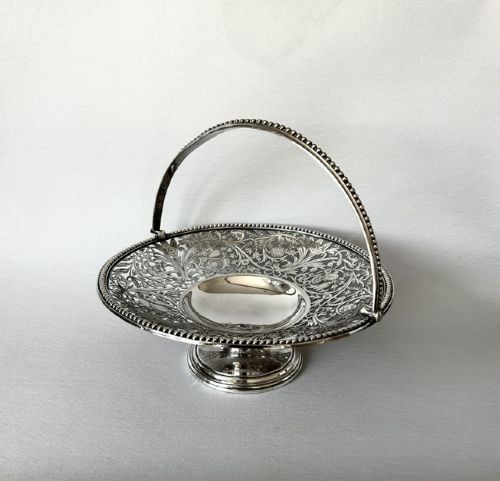
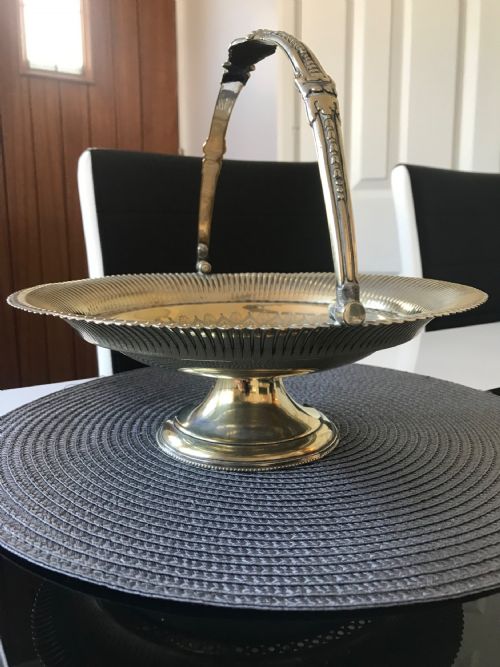
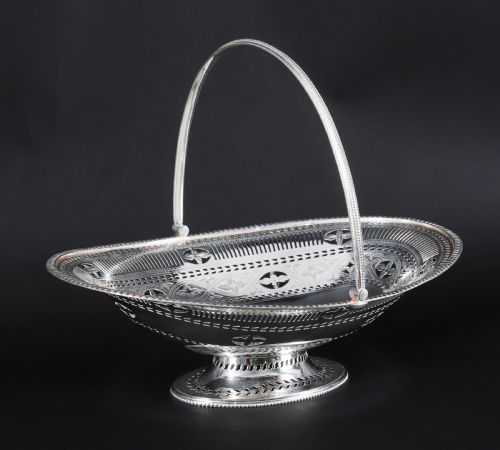
The versions most commonly met on this page include nineteenth century silver plated designs with swing handles, alongside Edwardian and George V creations. Makers utilised sterling silver, Old Sheffield plate, copper, pewter, and pottery to fashion these serving pieces across Georgian, Victorian, Edwardian, and Art Deco styles.
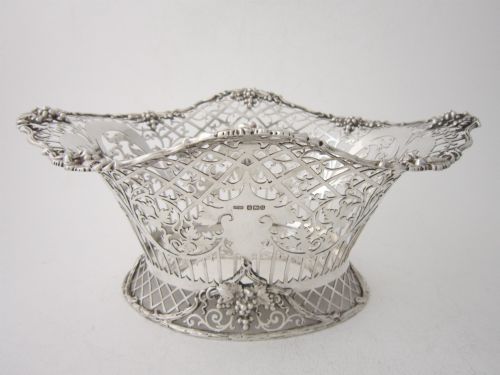
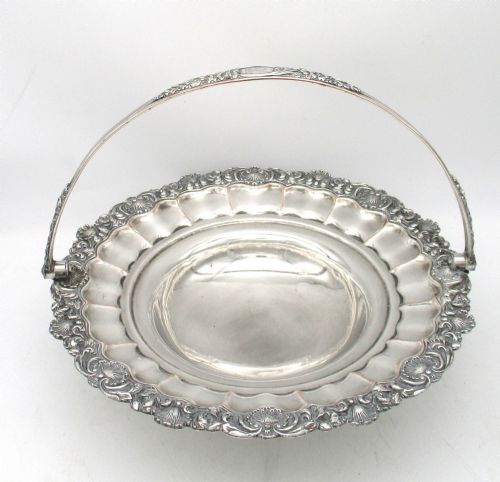
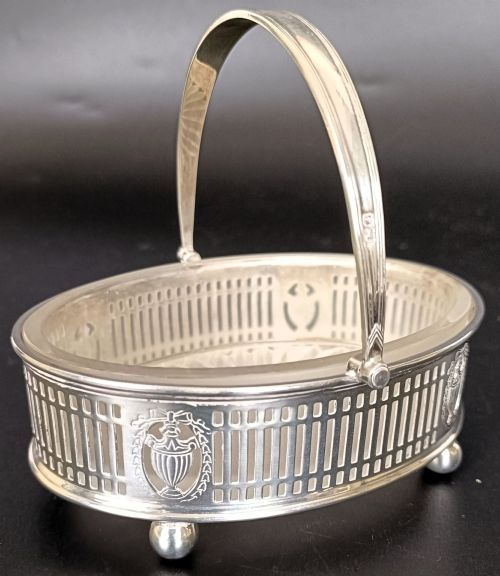
Geographic origins extend to English workshops and French Parisian studios, yielding both wirework vessels and heavy repoussé rims. Buyers encounter round and oval configurations, often featuring footed bases or loop handles tailored for service.
Materials and technique
Craftsmen utilised base metals fused with silver through Old Sheffield plating, or applied electroplated nickel silver and standard silver plate to copper foundations. Sterling silver examples demonstrate traditional smithing and hallmarks from London assay offices.
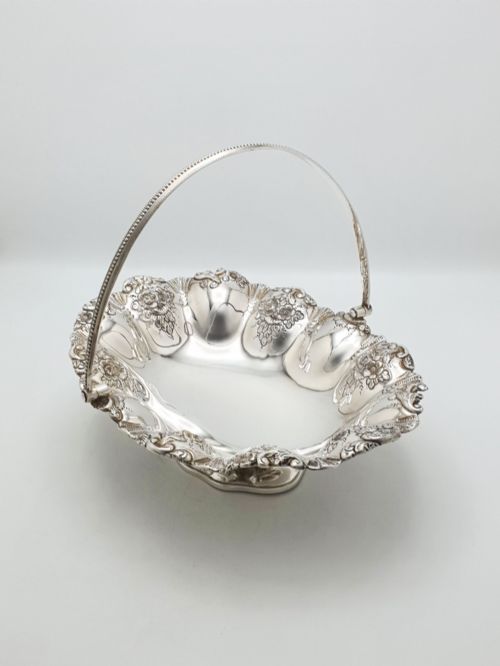
Decoration relied upon hand piercing, wirework construction, floral repoussé work, and hammered pewter techniques. Swing handles were engineered with pivoting joints attached to reinforced rims to support the weight of contents.
Vintage Bread Basket Retail Price Guide 2026
Typical asking prices for vintage bread basket among the pieces listed under this phrase on Sellingantiques today, from the lower quarter to the upper quarter. They describe what is for sale here now, not the wider market.
Some nineteenth century baskets hide family crests engraved on the base, recording domestic histories of long-forgotten dining rooms.
Craftsmanship and condition
Quality rests in the crispness of pierced metalwork and the depth of repoussé floral detailing around the rim. Superior examples maintain balanced proportions, robust structural joints on swing handles, and intact plating over the underlying copper or nickel silver.
Maker marks and crested engravings indicate workshop pedigree, distinguishing standard commercial output from distinguished manufacturing houses. The integrity of wirework soldering and the weight of the metal body dictate the endurance of each piece.
Mappin And Webb·John Hunt·Elkington·James Dixon·J And R Clews·Brille Paris
The Vintage Bread Basket Glossary
- Old Sheffield Plate
- A composite material made by fusing a thin sheet of sterling silver to a thicker copper base. This early technique produces a warm dual-metal appearance visible at worn edges.
- Repoussé
- A metalworking method where an artisan hammers the reverse of a sheet to form raised decorative motifs on the front. This creates textured floral patterns around the rim of the vessel.
- Wirework
- An open lattice construction formed from interwoven metal wires soldered together. It appears on eighteenth and nineteenth century baskets for a lighter visual weight.
- EPNS
- Electroplated nickel silver, a common base material introduced in the nineteenth century. Manufacturers coated nickel alloy with a thin layer of pure silver through electrical current.
- Swing handle
- A movable arched metal handle attached to pivot pins on opposite sides of the rim. This mechanism allows the handle to lie flat or stand upright for serving.
Vintage Bread Basket: Frequently Asked Questions
How were these baskets used originally?
These vessels served bread, cakes, and fruit at formal dining tables throughout the eighteenth, nineteenth, and early twentieth centuries. They sat centrally to allow guests to help themselves during family meals or gatherings.
Servants would line the interior with linen napkins to keep baked goods warm and protect the metal surface. Beyond dining, households utilised them as decorative centerpieces on sideboards when not in active service.
Can I use a vintage basket for food?
Silver plated and sterling silver vessels remain suitable for serving dry foods like bread rolls or whole fruit. Placing a cloth napkin inside acts as a hygienic barrier between the antique metal and the food.
Acidic or moist foods should avoid direct contact with older plated surfaces to prevent tarnishing or degradation. Hand washing with mild soap preserves the remaining silver layer.
How do I identify a Victorian piece?
Victorian examples frequently display heavy silver plating on copper, intricate floral repoussé work, or neoclassical pierced decoration. Makers often incorporated swing handles and decorative feet into these nineteenth century designs.
Stylistic cues draw upon revived classical motifs or elaborate floral ornamentation popular during the reign of Queen Victoria. Hallmarks or retailer stamps, when present, confirm the production era.
What is Old Sheffield Plate?
Old Sheffield Plate is an early composite material created by thermally fusing a sheet of sterling silver onto a copper ingot. Smiths then rolled the combined metals into thin sheets before fashioning the basket.
This method predates electroplating and leaves subtle copper hints showing through where silver has worn thin over generations of use. Collectors prize this material for its distinct historical manufacturing process.