

Vintage Brass Urn
A vintage brass urn brings substantial weight and warm metallic tone to a room, functioning primarily as a converted lamp or decorative vessel.
Vintage Brass Urn
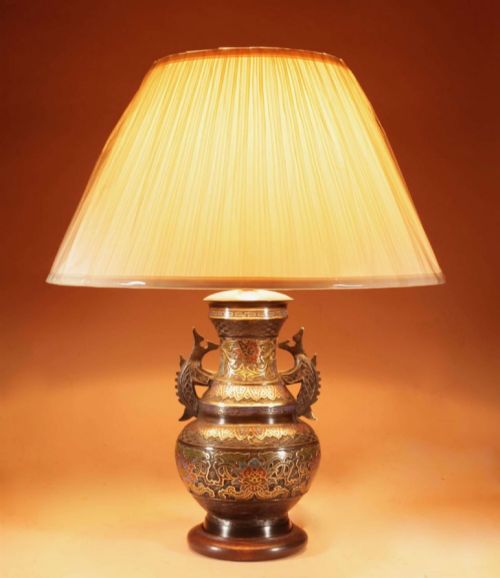
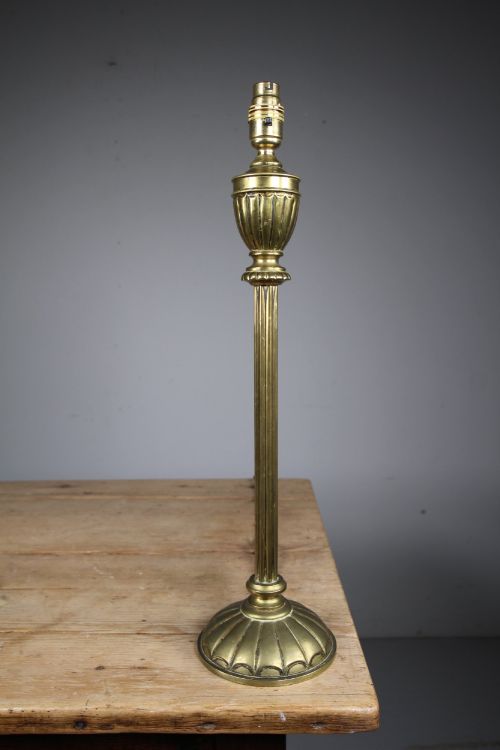
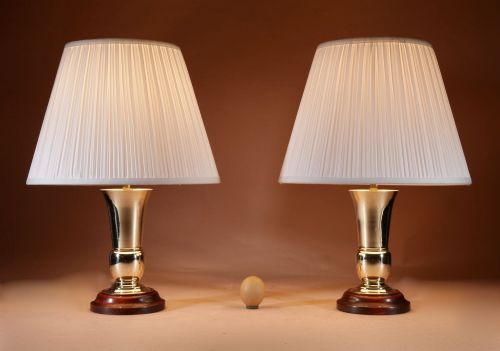
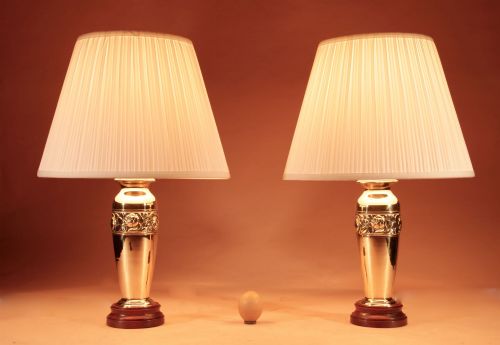
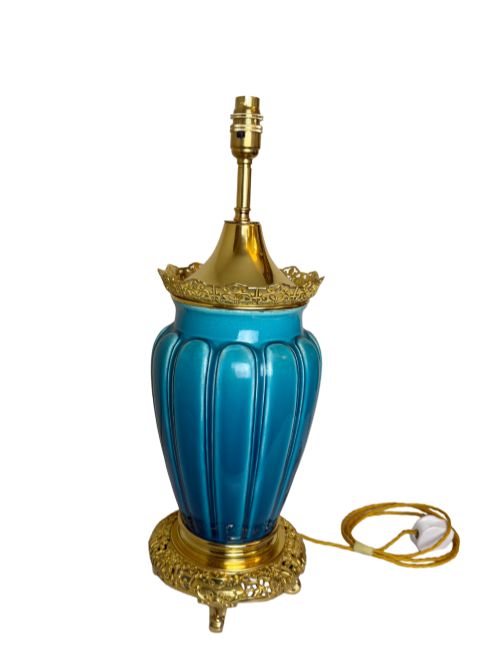
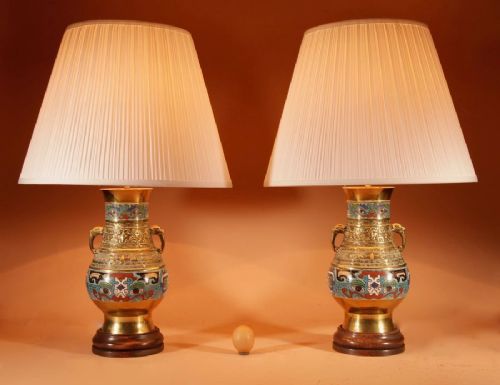
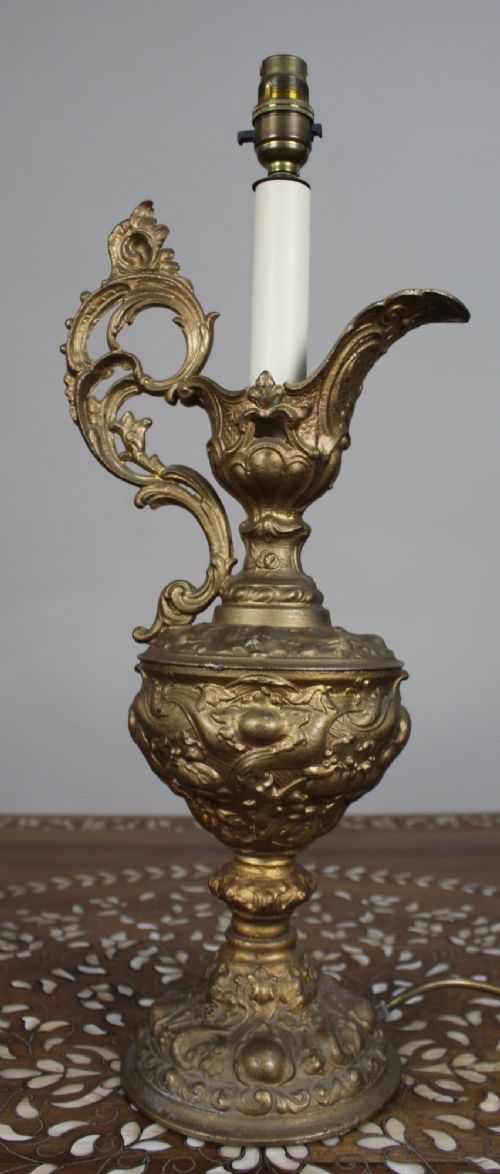
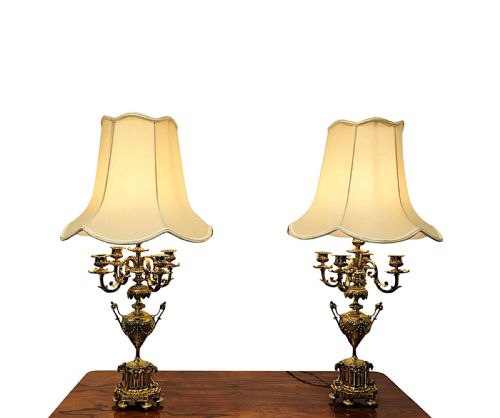
A vintage brass urn often appears on this page transformed into a table lamp, retaining the classical proportions of its original vessel form. These pieces emerge from the nineteenth and early twentieth centuries, spanning the Victorian, Edwardian, and Art Deco periods with distinct stylistic influences.
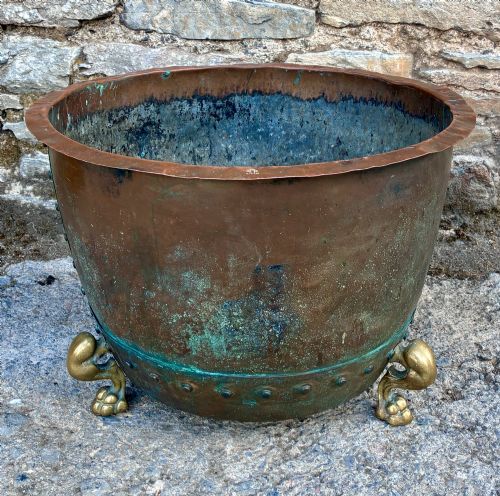
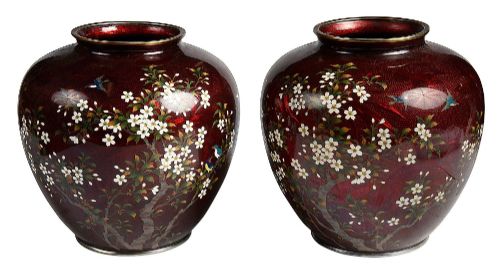
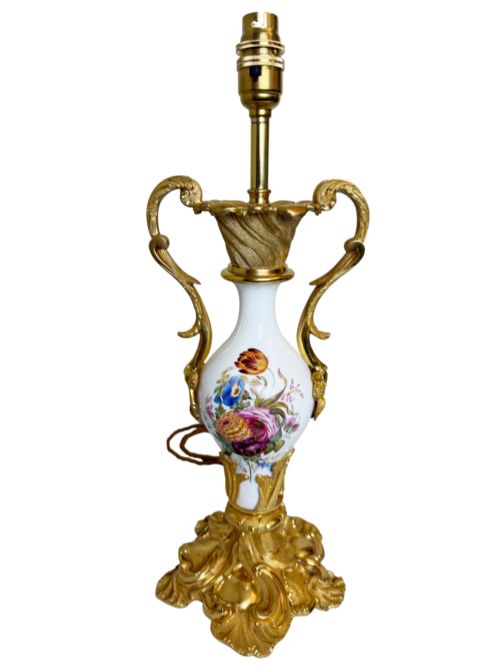
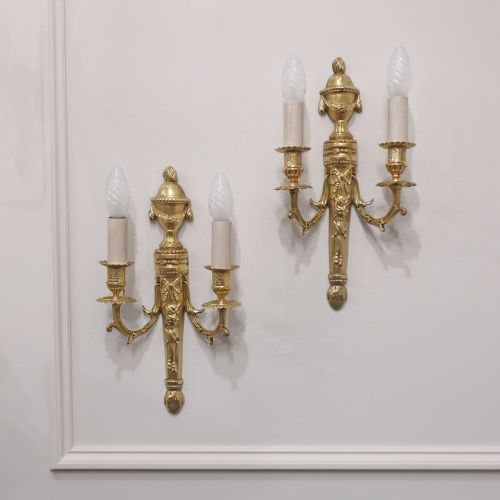
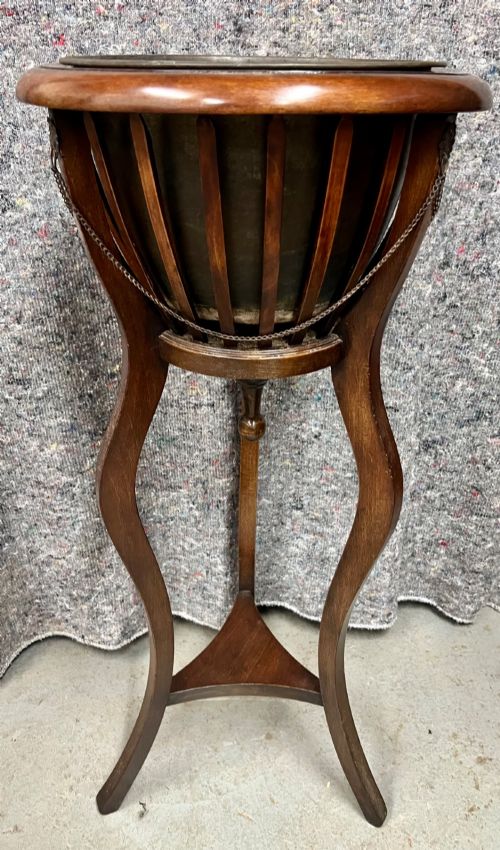
Beyond lamp adaptations, the selection includes traditional tea urns, samovars, and jardinieres shaped in brass, copper, and gilt bronze. Buyers encounter European and Asian designs, including French ormolu mounts, Meiji period Japanese work, and English metalwork from the 1850s onwards.
The objects serve both decorative and functional roles in interiors, drawing on Neoclassical, Regency, and Rococo Revival styles. Each item displays the characteristic patina and heft associated with genuine period metalwork.
Materials and Technique
The primary construction relies on cast and spun brass, often paired with copper, ormolu, and gilt bronze to create varied surface textures and metallic tones. Workshops employed techniques such as riveting, embossing, and fine chasing to shape the heavy metal bodies.
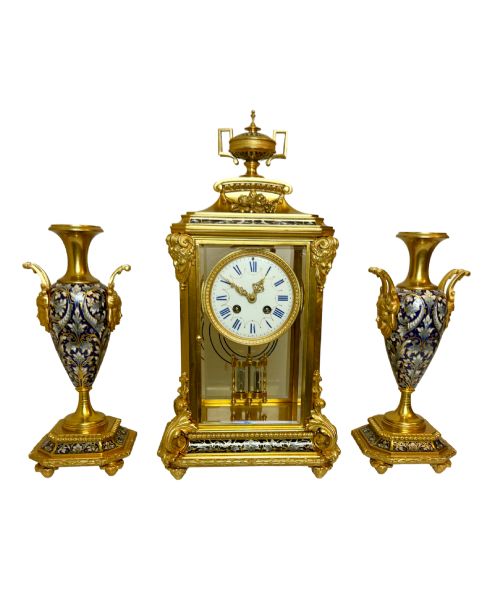
Many examples incorporate decorative detailing like champlevé enamel, porcelain panels, and inset marble bases that elevate the standard vessel construction. Surface treatments range from polished ormolu highlights to patinated bronze and hand-engraved floral motifs.
Listings span the nineteenth and twentieth centuries, incorporating materials like brass, copper, ormolu, and champlevé enamel across various decorative forms.
Assessing Quality
Quality reveals itself in the crispness of the casting and the depth of the chasing, where sharper relief and refined detailing distinguish superior examples from plain production. The weight of the metal and the structural integrity of joints, handles, and mounts indicate the original standard of manufacture.
The integration of secondary materials, such as finely glazed porcelain, hand-applied enamel, or genuine marble bases, marks the upper tier of the range. Furthermore, the subtlety of the patination and the precision of decorative elements separate standard utilitarian vessels from high-status decorative pieces.
William Soutter And Sons·Edwards And Roberts·Casier
The Vintage Brass Urn Glossary
- Ormolu
- Gilded bronze applied to furniture, clocks, and lighting fixtures. This technique involves coating metal with a mercury and gold amalgam.
- Champlevé
- An enamelling technique where troughs are dug into the metal surface and filled with vitreous colour before firing. The method creates bold patterns against a metallic grid.
- Samovar
- A heated metal container traditionally used to boil water for tea. These vessels frequently feature heavy brass or copper construction with spigots.
- Jardiniere
- An ornamental pot or stand designed to hold plants or flowers. They appear in cast brass, embossed metal, and inlaid wood.
- Garniture
- A set of three or more ornamental objects designed to match and display together on a mantelpiece or sideboard. These sets often combine clocks, candelabra, or urns.
Vintage Brass Urn: Frequently Asked Questions
What is a vintage brass urn used for today?
Most surviving urns function as wired table lamps, bringing ambient illumination and classical metallic form to interior spaces. They also serve as standalone decorative objects on mantelpieces, sideboards, and tables.
Unconverted vessels can act as planters, jardinieres, or traditional display pieces. Their robust construction allows them to integrate easily into both modern and traditional rooms.
How do I identify the period of a brass urn?
Period identification relies on observing the stylistic motifs, such as Neoclassical ram heads, Rococo scrolls, or geometric Art Deco lines. Manufacturing techniques, including the use of hand-cut threads or specific casting methods, also indicate the era.
Materials provide further clues, as nineteenth-century pieces frequently combine brass with heavy ormolu mounts, porcelain, or champlevé enamel. Comparing the piece against documented examples from makers helps narrow down the date of origin.
Are these urns heavy?
Genuine period pieces possess substantial weight due to the thick gauge of brass, bronze, or copper used in their original construction. Cast components and marble bases add further heft to the objects.
This weight stability makes them suitable for conversion into table lamps without risking balance issues. Handling the piece usually reveals the dense quality of the historic metalwork.
How do I care for antique brass and bronze?
Maintenance requires gentle dusting with a soft, dry cloth to prevent the accumulation of dirt in recessed chasing and decorative details. Aggressive metal polishes should be avoided to preserve the natural historic patina.
Enamel, porcelain, and gilt surfaces need particular caution during cleaning to prevent abrasion. Keeping the pieces away from excessive moisture protects both the metal and any internal electrical components.