

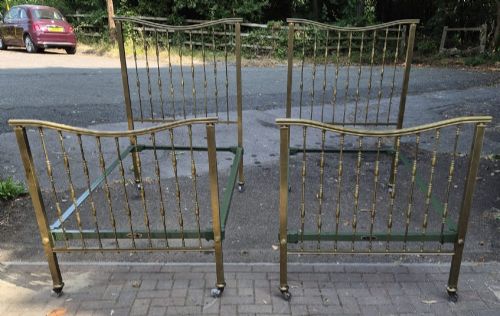


Vintage Brass Twin Bed
A vintage brass twin bed brings warmth and period character to a bedroom through polished metalwork and traditional engineering.
Vintage Brass Twin Bed
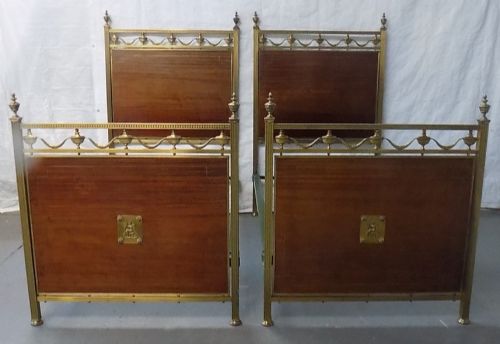
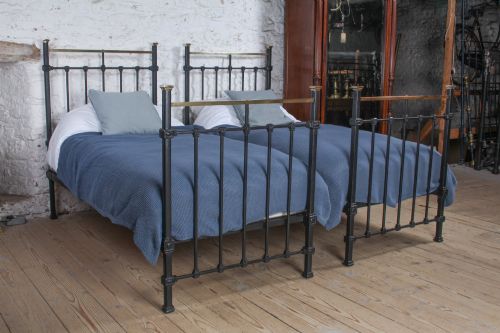
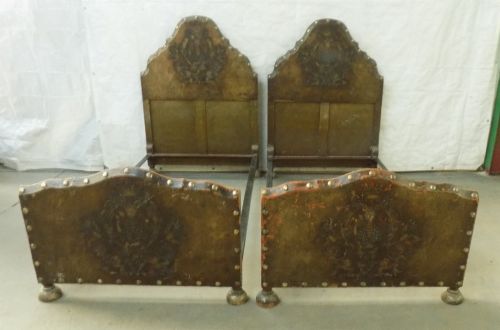
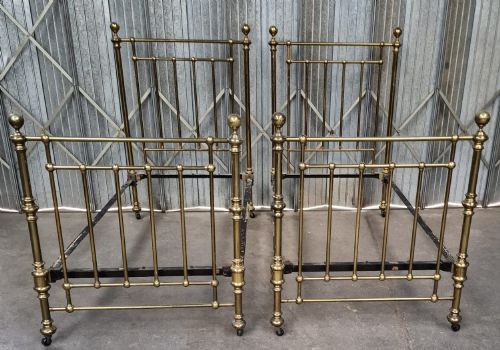
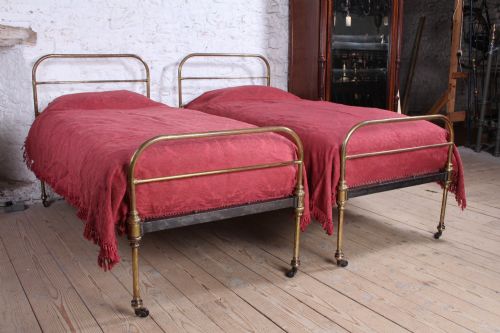
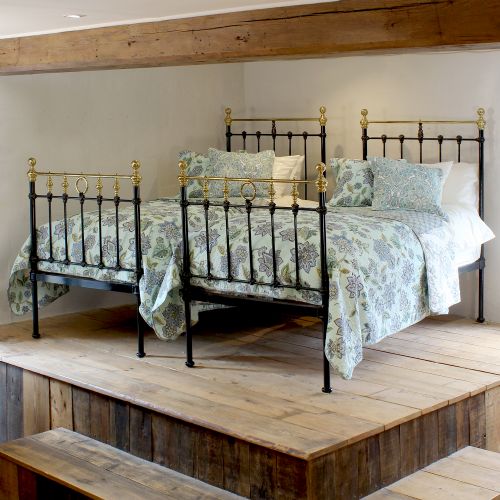
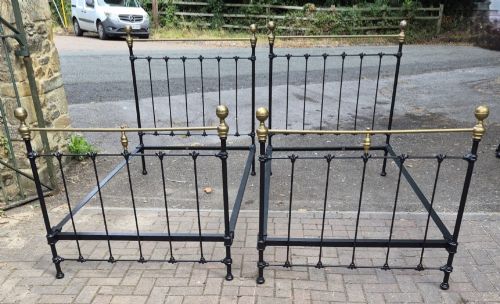
A vintage brass twin bed represents an enduring form of sleeping furniture originating from the Victorian and Edwardian eras, as well as the late nineteenth century. These pieces encompass single size bedsteads, often encountered as matching pairs that can be joined together or utilised separately.
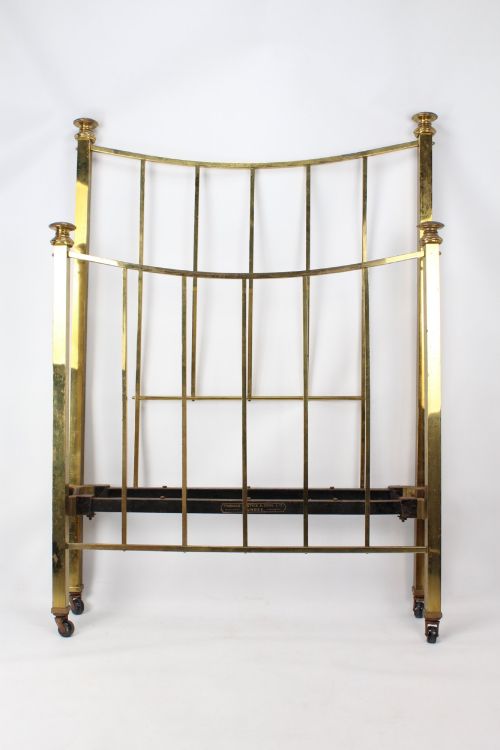
The material combination typically unites gleaming brass framework with dark cast iron or wrought iron supports, though examples entirely in brass or paired with walnut also appear. Portuguese traditional designs alongside British Victorian and Edwardian workshop styles form the primary origins seen in the listings.
How they were made
Makers constructed these frames using sturdy cast iron and wrought iron for the structural support, paired with warm brass components for visual impact. Ceramic details and painted elements occasionally provide contrasting accents against the metallic structure.
Joints and connections relied on robust mechanical fasteners and traditional foundry work, allowing these substantial beds to be dismantled for transport. Skilled metalworkers shaped the tubular brass and decorative rings by hand, ensuring durability alongside ornamental appeal.
Vintage Brass Twin Bed Retail Price Guide 2026
Typical asking prices for vintage brass twin bed among the pieces listed under this phrase on Sellingantiques today, from the lower quarter to the upper quarter. They describe what is for sale here now, not the wider market.
Listings span from the 1870s through the Edwardian period, combining brass, cast iron, wrought iron, ceramic, paint and walnut.
What varies in quality
The distinction between standard examples and superior pieces rests on the weight and gauge of the metal used in the framework. Heavier castings and more intricate brass decoration indicate higher workshop standards during production.
The integrity of the original joints and the preservation of the polished surfaces determine the overall standard of a bedstead. Pieces that retain their matched pairs and authentic components command greater appreciation among collectors.
Hoskins and Sewell·R W Winfield
The Vintage Brass Twin Bed Glossary
- Bedstead
- The complete framework of a bed, including headboard, footboard and side rails, designed to support a mattress base. This term specifically refers to the structural skeleton rather than the bedding itself.
- Cast iron
- A strong, heavy iron alloy poured into moulds to create rigid structural components and decorative motifs. It provides the necessary foundation for lighter brass elements.
- Wrought iron
- Iron beaten into shape by a blacksmith, offering high tensile strength and flexibility for structural frames. It often forms the internal support within older bed designs.
- Twin bed
- A sleeping platform sized for one person, frequently referred to in older contexts as a single size bed. Pairs of these beds were commonly manufactured to share a room.
Vintage Brass Twin Bed: Frequently Asked Questions
Can vintage brass twin beds be joined together?
Many examples are specifically noted as capable of being joined together to form a larger sleeping platform, offering flexibility for modern room layouts.
Buyers should examine the specific listing details to confirm whether connecting brackets or matching frames are included for this purpose.
How do I care for brass and iron beds?
Maintenance involves dusting the metal surfaces regularly with a soft cloth and applying appropriate metal polishes sparingly to maintain the finish.
Avoiding abrasive cleaners ensures the vintage patination and protective coatings remain undamaged over years of daily use.
What mattress size fits these antique beds?
These beds typically accommodate standard single or twin mattresses, though older dimensions can occasionally vary slightly from modern standard sizing.
Measuring the internal frame dimensions before purchasing a mattress ensures a secure and snug fit within the side rails.
How do I distinguish Victorian from Edwardian frames?
Victorian examples often display heavier cast iron components and more elaborate ornamentation, reflecting the robust design preferences of the nineteenth century.
Edwardian pieces generally lean towards lighter proportions, sometimes incorporating alternative materials like walnut alongside the traditional brass and iron.