
Vintage Brass Tray
A vintage brass tray brings warm metallic character to a room, offering both practical utility and decorative presence.
Vintage Brass Tray
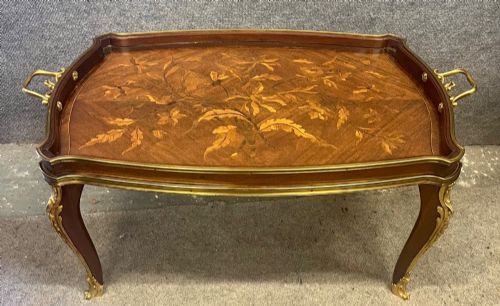
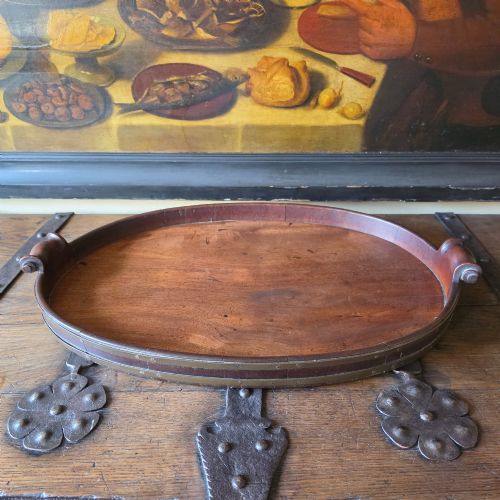
A vintage brass tray is a functional serving piece or decorative object originating from periods such as the Victorian, Edwardian, and early twentieth century. Buyers seeking this phrase encounter serving vessels, butler containers, and occasional pieces that reflect historical domestic routines.
The selections available range from plain metallic serving platters to pieces incorporating glass, cast iron, and exotic timbers like mahogany and teak. Many items show stylistic influences from Arts and Crafts designs to Anglo-Indian craftsmanship.
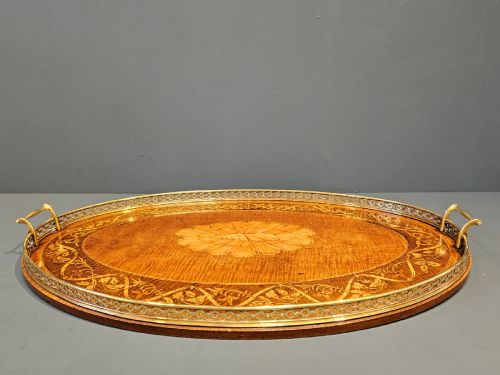
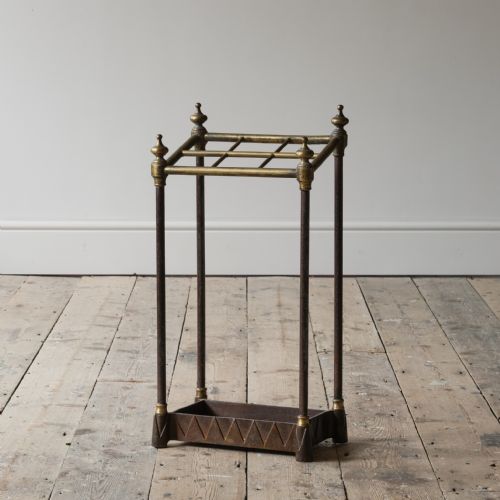
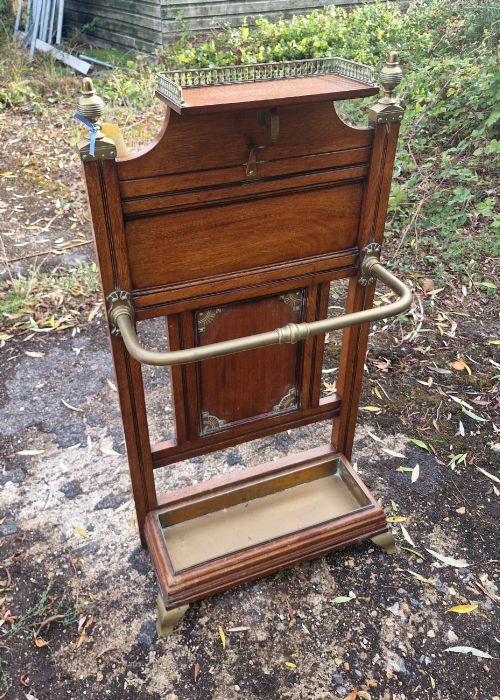
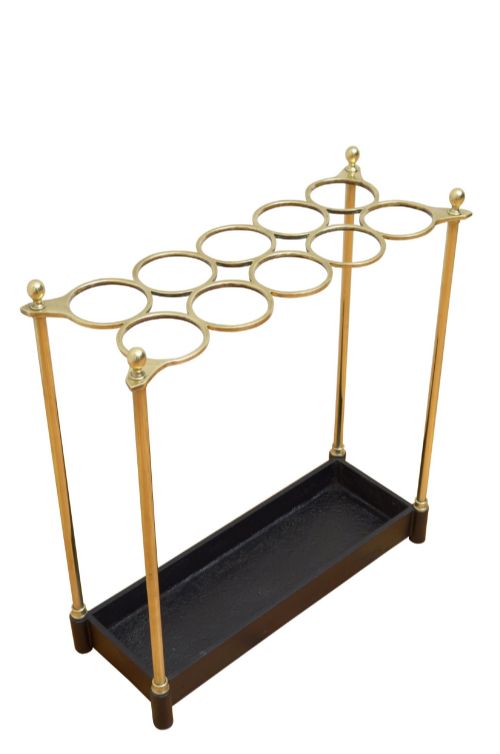
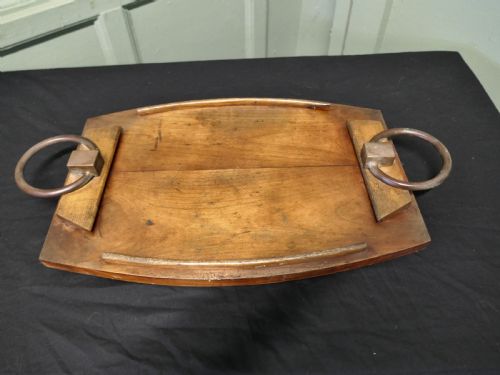
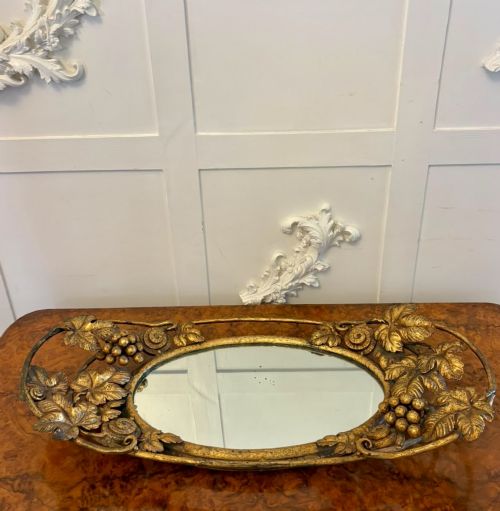
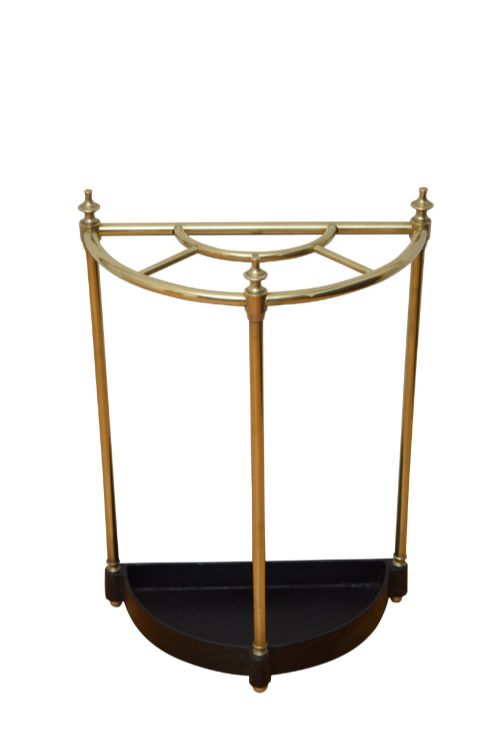
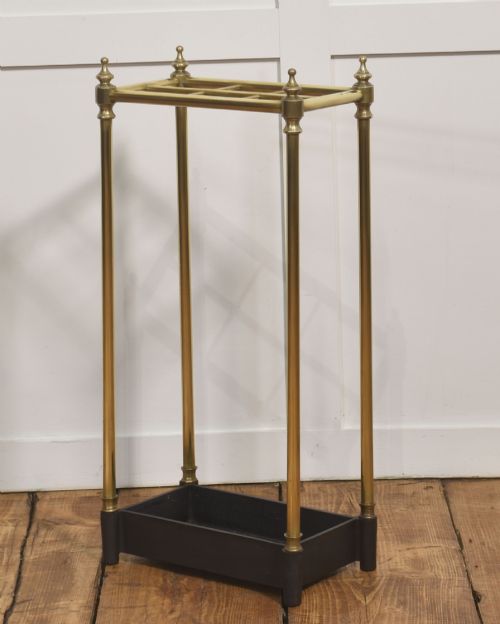
Serving trays and butler forms dominate the selection, often accompanied by related items such as desk sets and umbrella stands that utilise brass elements. These objects appear in various shapes including oval, rectangular, and kidney forms.
Materials and construction
Makers utilised cast and sheet brass, frequently combining the metal with structural timbers such as mahogany, satinwood, and teak. Cast iron components appear in related umbrella stands to provide necessary weight and stability.
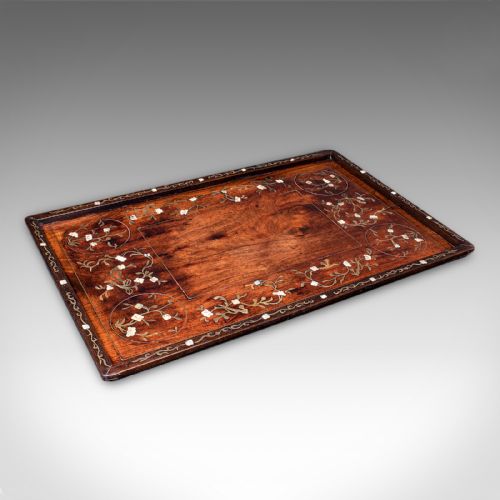
Surface decoration involved chasing, engraving, and inlay work, with some items featuring marquetry or applied decorative ball finials. Handles and rims were often secured with traditional joinery or metal fixings suited to daily use.
Listings feature items spanning the Victorian, Edwardian, and Art Deco periods, constructed from brass, mahogany, teak, and cast iron.
Judging quality
Quality rests in the crispness of the metalwork, the weight of the brass, and the precision of any wood inlay or marquetry. Superior examples exhibit clean lines, robust handles, and well-executed decorative motifs without crude casting flaws.
The integration of mixed materials distinguishes better pieces, where brass mounts, glass inserts, or timber bases fit flush and maintain structural integrity over decades of handling.
Edwards and Roberts
The Vintage Brass Tray Glossary
- Butler tray
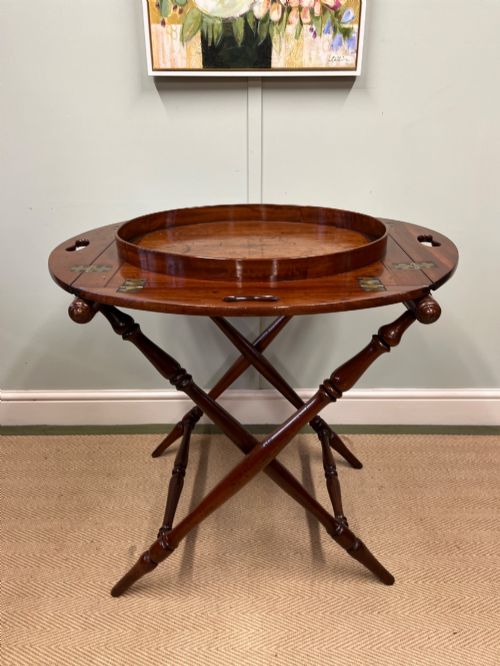
- A portable serving tray featuring hinged or removable sides, often paired with a folding stand for household service. These pieces transition easily between practical use and display.
- Marquetry
- The art of applying pieces of veneer to a structure to form decorative patterns and pictures. Makers utilised contrasting timbers to achieve intricate surface designs on wooden trays.
- Demi lune
- A half-moon shape used in the design of furniture and decorative metalwork. This profile allows items to sit flush against a wall.
- Anglo-Indian
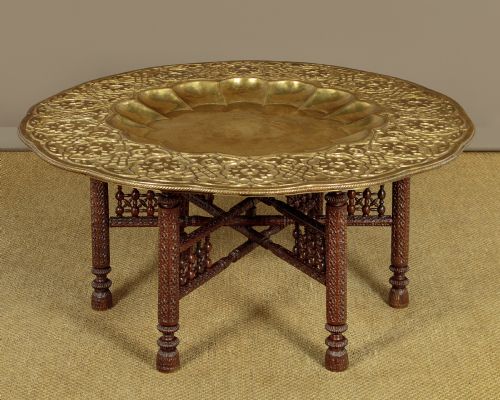
- A descriptive term for items produced in India during the British period, combining local craftsmanship with European forms. These pieces often feature detailed metal inlay or carved hardwoods.
Vintage Brass Tray: Frequently Asked Questions
How were vintage brass trays used originally?
These trays served in formal dining rooms and parlours for carrying drinks, tea services, and calling cards. Servants utilised butler trays to clear tables and transport goods across large houses.
Over time, many of these vessels transitioned into permanent display pieces on sideboards and coffee tables, holding decorative objects or everyday items.
How do I clean vintage brass?
Gentle dusting with a soft, dry cloth preserves the aged patina that collectors prefer on older metalwork. Aggressive polishing removes historical character and can damage fine surface engravings.
If cleaning is necessary, use a mild, non-abrasive metal cleaner specifically formulated for antiques, applying it sparingly with a soft cloth.
Can I use an antique tray for serving food?
Many solid brass trays remain structurally sound for carrying items, though older surfaces may react with acidic foods or liquids. Placing a liner or using the tray for bottled drinks and glassware is a common precaution.
For pieces with delicate wooden inlays or antique mirrored glass, daily utility is best restricted to decorative display.
How do I date a brass tray?
Dating relies on stylistic clues, manufacturing techniques, and the types of materials combined with the brass. Victorian and Edwardian examples often display distinct aesthetic movements, such as Arts and Crafts simplicity or ornate revival styles.
Maker marks, screw types, and construction methods further help narrow the period of origin within the nineteenth and twentieth centuries.