



Vintage Brass Tea Pot
These vintage brass tea pot examples are solid vessels of domestic history, prized by collectors for their utilitarian warmth and rich metallic lustre.
Vintage Brass Tea Pot
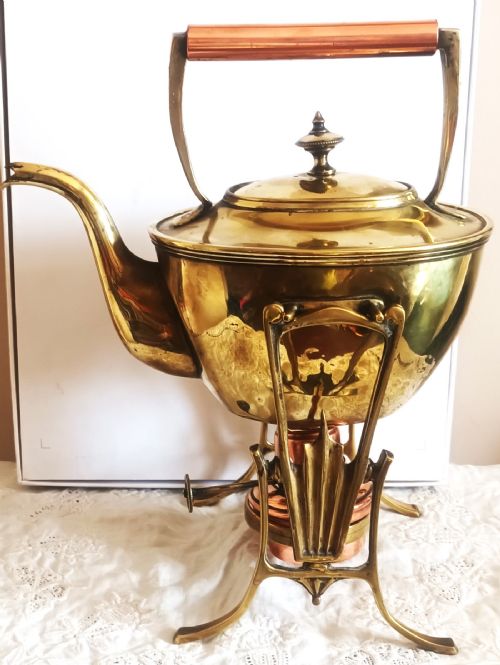
A vintage brass tea pot search brings up a distinct gathering of heavy metal vessels designed for boiling water and serving infusions across the Georgian, Victorian, and Edwardian eras. Buyers encounter everything from simple round brass designs to more elaborate spirit kettles fitted with stands.
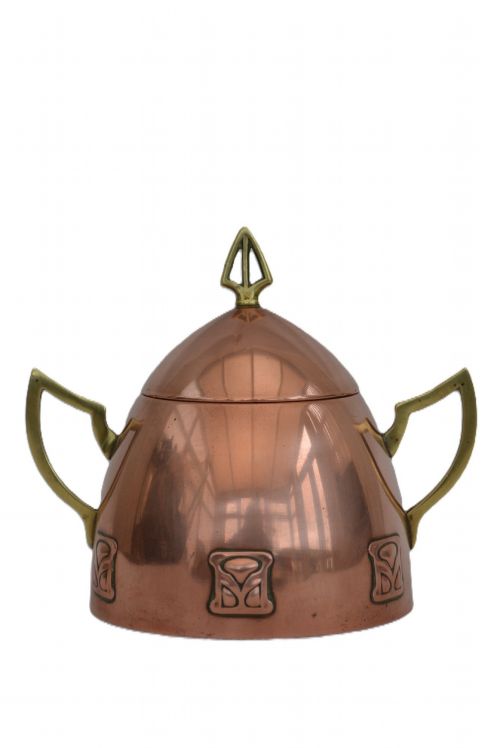
The selection on this page relies heavily on utilitarian forms originating from the nineteenth century alongside earlier George III examples. Alongside standard teapots, makers produced specialised tea kettles, sugar bowls, and decorative vessels incorporating copper, wood, and enamel.
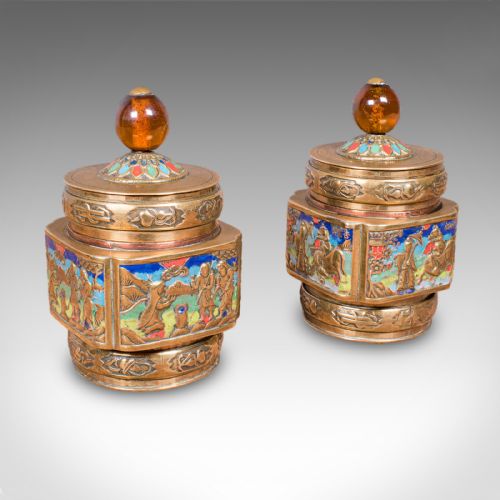
Most pieces show practical domestic origins from British workshops, though overseas influences appear in Chinese Qing Dynasty styles and cloisonne enamel tea pots. Each object reflects the changing domestic rituals of tea drinking through distinct regional forms.
How they were made
Metalsmiths built these vessels primarily using sheet brass and copper, hammering the metal plates into shape and joining seams with careful soldering. Many pieces incorporate turned wooden handles and insulators to protect the user from heat during use.
Surface ornamentation ranges from plain polished metal finishes to intricate cloisonne enamel work and copper plating. Artisans relied on traditional metalworking techniques, such as casting spouts and handles separately before attaching them to the main body.
Vintage Brass Tea Pot Retail Price Guide 2026
Typical asking prices for vintage brass tea pot among the pieces listed under this phrase on Sellingantiques today, from the lower quarter to the upper quarter. They describe what is for sale here now, not the wider market.
Materials across these listings include brass, copper, wood, enamel, cloisonne enamel, gilded metal, and glass.
What varies in quality
Quality rests in the weight of the metal, the crispness of the hand-beaten seams, and the integrity of the original joints. Superior vessels display balanced proportions and sturdy construction without heavy thinning of the brass or copper walls.
The refinement of secondary materials, such as finely turned wooden handles and undamaged enamel decoration, separates standard production items from finer workshop pieces. Patina and surface finish also influence how well a vessel preserves its original character.
William Soutter And Sons·WMF
The Vintage Brass Tea Pot Glossary
- Spirit kettle
- A tea kettle mounted on a metal stand with an integrated burner underneath to keep the water hot. These often date from the Georgian and Victorian periods.
- Cloisonne enamel
- A decorative metalwork technique where artists fill wire compartments with coloured glass paste before firing. This method appears on select decorative vessels.
- George III
- A design period spanning the late eighteenth and early nineteenth centuries. Pieces from this era often feature clean oval or round copper bodies.
- Secession
- An artistic movement associated with early twentieth-century design. It emphasises modern geometric forms away from traditional historicism.
Vintage Brass Tea Pot: Frequently Asked Questions
How do I clean a brass kettle?
Maintenance requires gentle cleaning to preserve the natural patina built up over centuries of use. Avoid harsh chemical abrasives that strip the historic surface.
Use a soft cloth and a mild metal polish only when necessary, taking care around soldered joints and wooden handles.
Can I use these kettles to boil water?
Many of these metal vessels remain structurally sound for daily use. Historic kettles often feature sturdy copper and brass walls designed for heating over a hearth or stove.
Check the interior for old repairs or soldered linings before heating water for consumption.
What is a spirit kettle?
A spirit kettle is a tea vessel suspended above a small burner fueled by alcohol or spirits. This setup allowed Victorians to keep water hot at the tea table.
Complete sets include both the kettle and the matching metal stand with its original burner.
How do I date an antique kettle?
Dating relies on observing manufacturing techniques, handle attachments, and stylistic cues from periods like the Georgian and Victorian eras. Hand-beaten copper seams usually indicate older eighteenth-century production.
Maker marks and stamped workshop names also provide clear evidence of a specific origin date.