





Vintage Brass Sign
These vintage brass sign examples bring industrial weight and polished metal lettering into domestic and commercial spaces alike.
Vintage Brass Sign
A vintage brass sign carries the distinct character of past commerce, transport, and public buildings into modern interiors. When searching for a vintage brass sign, collectors encounter items cast, engraved, or etched from yellow metal during the nineteenth and twentieth centuries.
The selections span from utilitarian boiler plates to illuminated theatre notices and architectural markers. Most items originate from the 1920s and 1930s, reflecting industrial expansion and public venue signage.
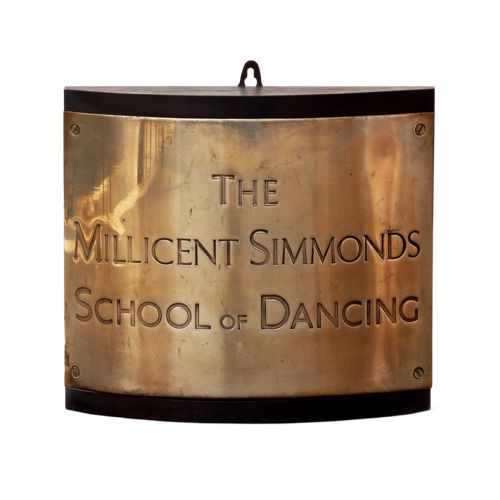
Forms vary from heavy cast plates to framed glass panels and curved exterior displays. Each piece serves as a functional artefact of its period, retaining the mounting holes and patina of daily use.
Materials and construction
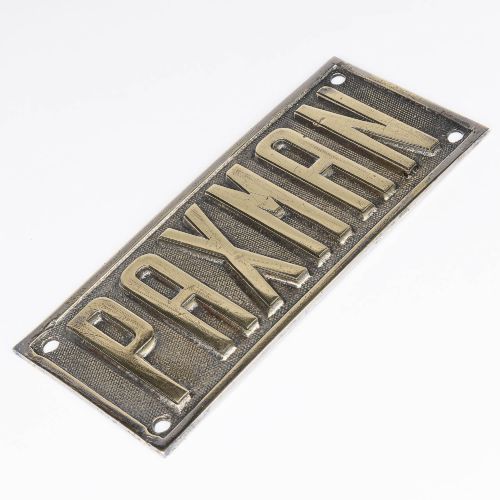
Metalworking techniques for a vintage brass sign typically involve casting, stamping, or engraving sheet and block brass. Makers utilised sand casting for heavier plates, leaving behind surface textures that confirm period manufacturing methods.
Lettering and motifs are often recessed through acid etching or hand engraving, then filled with black or coloured enamel for legibility. Glass and iron appear as supplementary components in framed or bracketed wall installations.
Finishes range from high-polish lacquer to unlacquered metal surfaces that develop natural oxidation over decades. Wooden backing boards in oak, mahogany, or walnut occasionally support the metal plates.
Vintage Brass Sign Retail Price Guide 2026
Typical asking prices for vintage brass sign among the pieces listed under this phrase on Sellingantiques today, from the lower quarter to the upper quarter. They describe what is for sale here now, not the wider market.
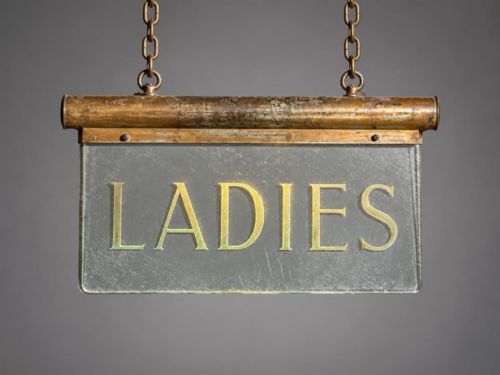
Some signs directed theatregoers to the ladies' lounge before the interval bells rang out.
Evaluating quality and authenticity
The distinction between ordinary and superior specimens rests on the depth of the engraving, the crispness of the casting, and the integrity of the original finish. Heavy gauge brass and deep relief lettering indicate commercial production designed for heavy traffic rather than light decorative use.
Original mounting hardware, authentic patination, and legible maker markings elevate the status of a piece. Altered lettering or modern replacement fixings diminish the historical value of the object.
The clarity of applied glass panels and the condition of integrated illumination systems dictate desirability in specialised theatre and cinema pieces.
The Vintage Brass Sign Glossary
- Brass
- An alloy of copper and zinc, valued for its corrosion resistance and bright golden appearance. It forms the primary structural and visual component of these markers.
- Patina
- The surface sheen and oxidation acquired by metal over years of exposure to air and handling. This coloration provides visual proof of age.
- Etching
- A chemical process used to cut lines and letters into the metal plate. Acid eats away the unprotected brass to create recessed channels for enamel infill.
- Boiler plate
- A heavy metal plate affixed to industrial machinery to display operational data or manufacturer details. These items represent the utilitarian end of metal signage.
- Enamel
- A glassy substance fused to metal through firing to provide durable colour within engraved letters. It withstands cleaning and atmospheric wear.
Vintage Brass Sign: Frequently Asked Questions
Where were these signs originally mounted?
Most examples hung outside retail shops, above theatre doorways, or inside industrial machinery environments. Their placement depended entirely on the commercial or public function they served.
Interior spaces in cinemas and offices also utilised metal plaques for directional guidance and brand identification.
How do I clean a brass sign?
Dust the surface gently with a soft dry cloth to remove surface particles without disturbing the underlying oxidation. Avoid harsh chemical abrasives that strip away historical patina.
Professional metal cleaners should only be used if the piece lacks historic lacquer and requires active stabilization.
Are these signs suitable for outdoor display?
Exterior installation depends on the alloy composition and whether the metal received a protective lacquer coating during manufacture. Unprotected brass will weather rapidly in damp conditions.
Covered porches or indoor settings provide the most stable environment for preserving surface finishes.
How can I date a metal sign?
Typographic styles, mounting bracket designs, and manufacturing techniques offer the clearest chronological indicators. Twentieth-century pieces often feature sans-serif lettering and standardised screw fittings.
Earlier nineteenth-century examples display hand-cut lettering and heavier cast backing plates.