
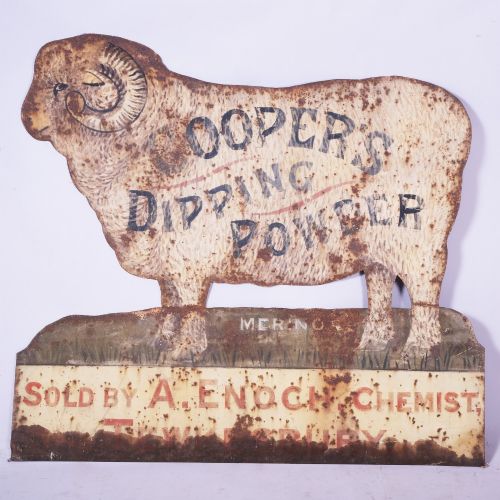
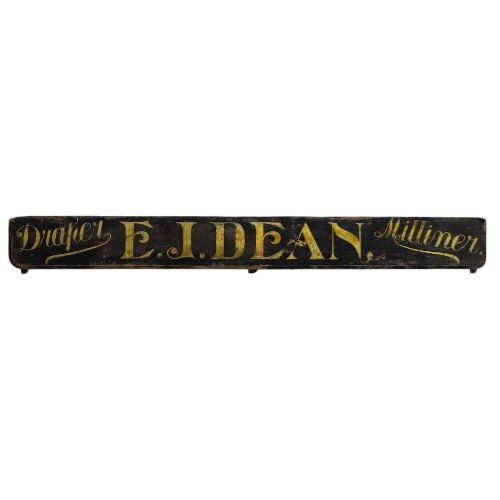
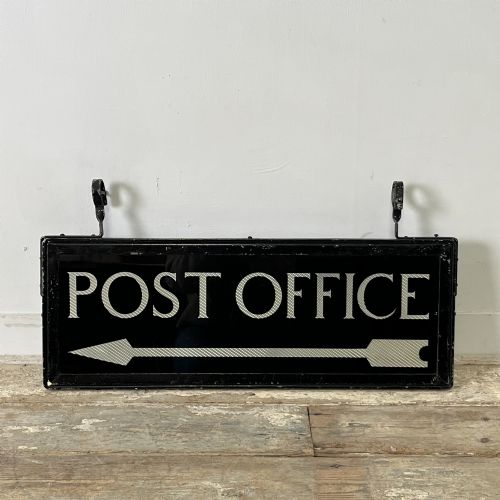
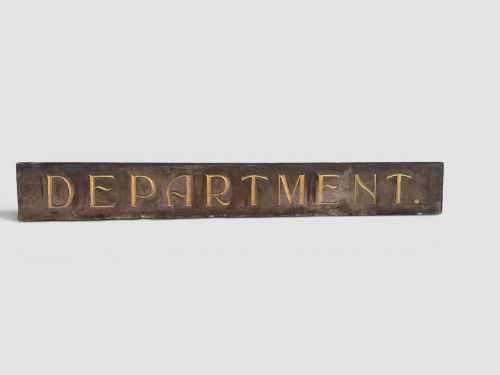



Antique Pub Sign
An antique pub sign carries the painted history of local trade, giving walls immediate character and a genuine anchor of British social heritage.
Antique Pub Sign
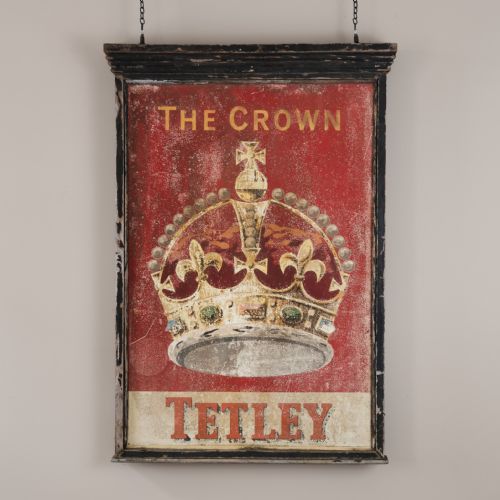
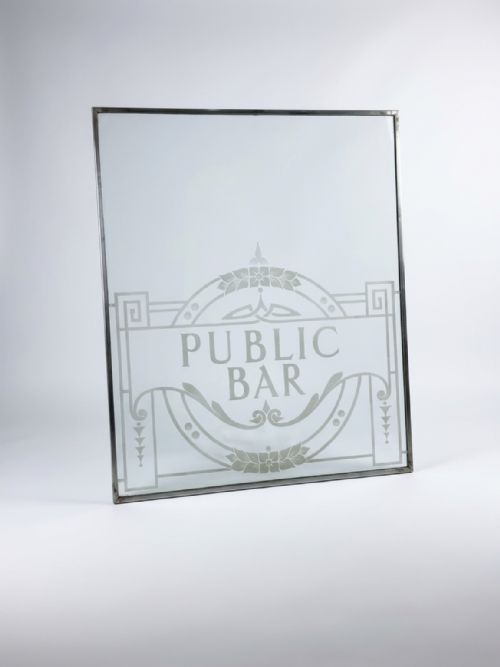
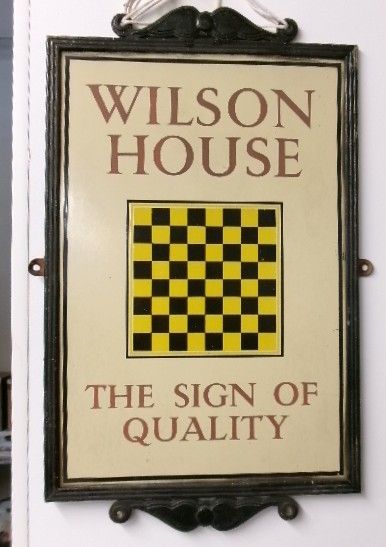
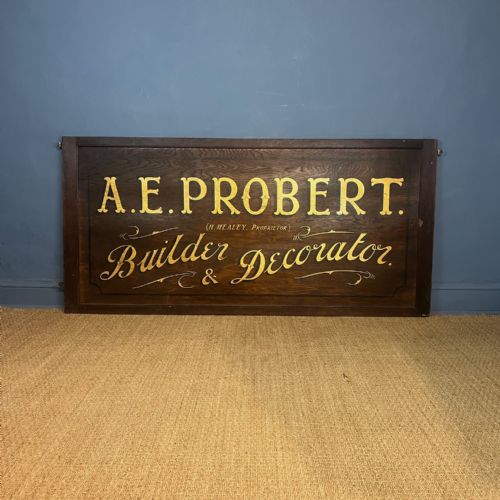
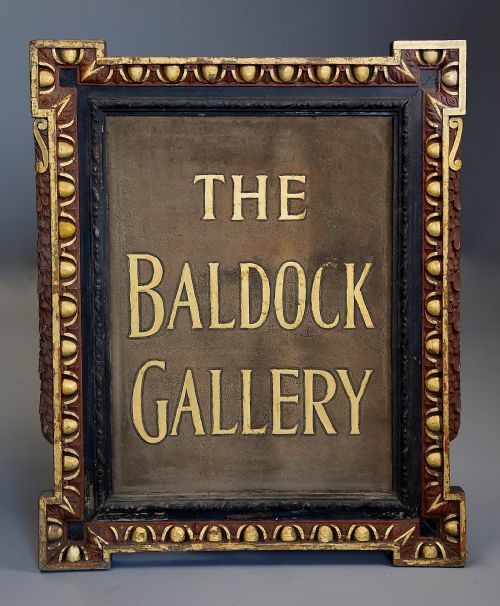
When you search for an antique pub sign, you are looking at substantial pieces of hand-painted advertising and trade history created to draw custom from the street. The selection spans the Victorian and Edwardian eras through to the 1920s and 1930s, encompassing double-sided hanging boards, etched windows, and framed mirrors.
You are most likely to meet timber boards, glass panels, and iron brackets that served traditional hostelries and commercial premises. These survivors range from specific brewery commissions to bolder trade boards, each retaining the graphic directness required for public thoroughfares.
The materials and lettering reflect regional British trades and hostelries, shifting from ornate Victorian craftsmanship to the cleaner commercial graphics of the early twentieth century. These objects bridge the gap between architectural salvage and fine folk art.
How they were made
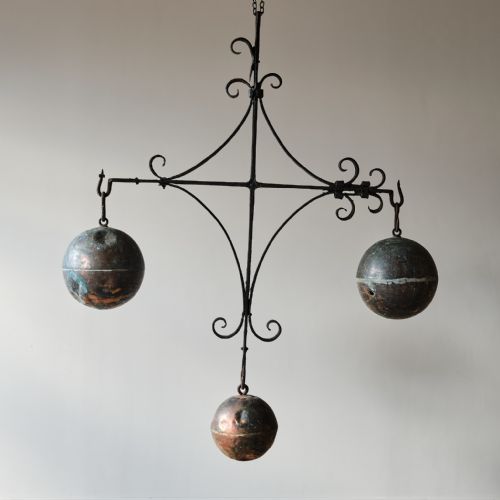
Makers relied on durable woods such as oak and pine, shaping them to withstand outdoor exposure before applying lead-based paints and occasionally gold leaf for emphasis. Iron and wrought iron provided the robust brackets and hanging hardware necessary to secure heavy timber boards to exterior brickwork.
Glass panels utilised etching, cutting, and reverse painting techniques, particularly for interior mirrors and pub windows designed to catch the light. Signwriters combined hand-mixed pigments with protective varnishes, ensuring the lettering remained legible through weathering and decades of tavern smoke.
A good trade sign had to remain legible to weary travellers long before they reached the taproom door.
What varies in quality
The distinction between ordinary trade remnants and superior pieces lies in the crispness of the signwriting and the artistry of the pictorial elements. Direct hand-painting by skilled craftsmen commands greater presence than standard commercial stencilling, while surviving original frames and heavy wrought iron brackets elevate the integrity of the piece.
Depth of material adds to the stature, such as deeply carved wooden boards, thick bevelled glass, or double-sided execution that shows equal care on both faces. The balance of proportion, untouched original surfaces, and legible typography separate vernacular workshop output from finer commercial commissions.
The Antique Pub Sign Glossary
- Gold leaf
- Beaten gold hammered into extremely thin sheets, applied to sign boards and lettering to catch the light and resist tarnishing.
- Reverse painting
- A technique where paint is applied to the back of a glass panel so that the design appears correct and glossy when viewed from the front.
- Wrought iron
- Tough, malleable iron beaten into shape by a blacksmith, traditionally utilised for hanging brackets and heavy-duty structural fixings.
- Etched glass
- Glass treated with acid to cut a design into the surface, frequently found in Victorian and Edwardian windows and advertising mirrors.
- Folk art
- Utilitarian items made by self-taught or trade craftsmen, valued for their unpretentious design and regional character.
Antique Pub Sign: Frequently Asked Questions
How were hanging pub signs mounted?
Heavy iron brackets bolted directly into exterior masonry supported the weight of double-sided wooden boards. These mounts allowed the sign to pivot or swing slightly in the wind.
Survival of the original bracket alongside the board remains uncommon, as buildings were frequently altered or demolished over time.
Are these signs waterproof for outdoor display?
Traditional construction involved dense timbers like oak and pine sealed with heavy oil-based paints and varnishes. While durable, decades of exposure have left most pieces better suited for interior walls.
Placing them outside today risks accelerating the degradation of the original painted surfaces and exposed wood.
How do I date an antique sign?
Lettering styles, typography, and framing methods offer the clearest chronological clues, moving from ornate Victorian serif designs to cleaner 1930s graphics. Material choices, such as heavy cast iron or early plate glass, help narrow the decade.
Comparative study of trade catalogues and brewery archives assists in confirming specific periods.
Can I hang a heavy wooden sign on plaster walls?
The substantial weight of solid oak or pine boards requires direct anchoring into wall studs or masonry rather than standard drywall fixings. Using the original iron hanging points distributes the load safely.
Professional framing or custom wall brackets ensure the piece is supported securely without stressing the antique timber.