



Vintage Brass Railway Lamp
A vintage brass railway lamp brings robust engineering and warm metallic lustre into a modern room, offering a genuine piece of transit history.
Vintage Brass Railway Lamp
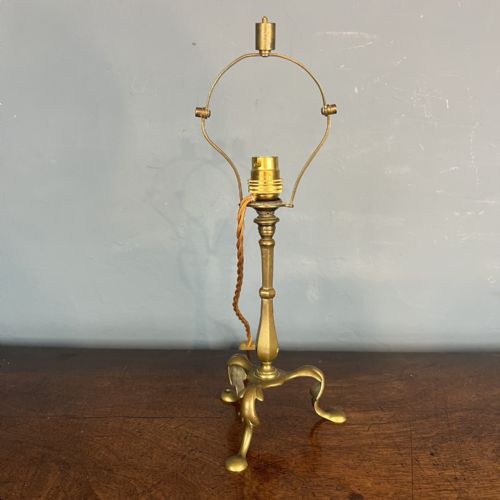
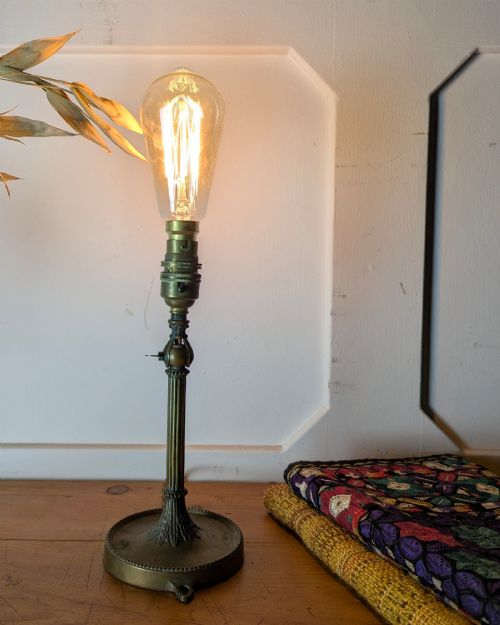
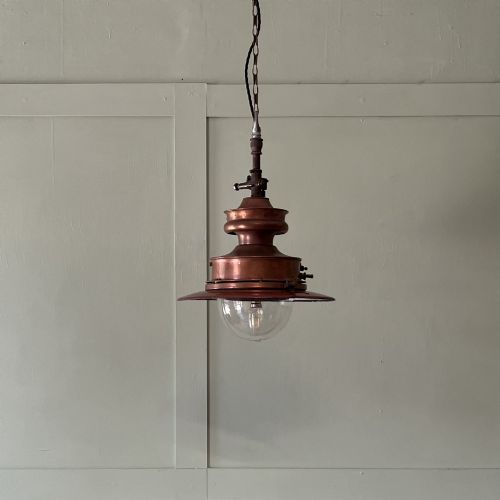
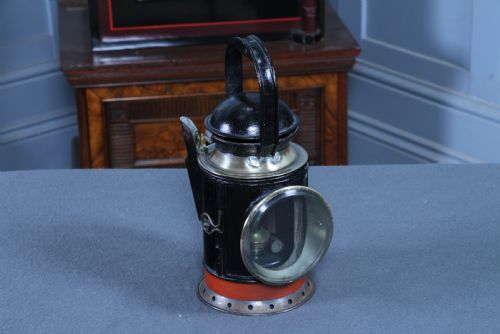
When you search for a vintage brass railway lamp, you are looking at utilitarian lighting designed for carriages, stations, and locomotives during the nineteenth and twentieth centuries. These pieces encompass sturdy hand lanterns, hanging bulkhead lights, and specialised table or wall lamps used by transport staff and passengers alike.
The versions you are most likely to meet on this page span the Edwardian era, the nineteen-tens, and the interwar decades. They frequently bear the marks of major rail networks such as the GWR or LNER, combining practical function with enduring industrial character.
Many of these lamps double as versatile interior fixtures, moving easily from desk to wall mount. Their forms reflect rigorous working environments, prioritizing durability above all else while retaining a handsome metallic presence.
Materials and construction
These lamps rely primarily on solid brass, copper, and painted steel to withstand the rigours of daily transport use. Heavy-gauge metalwork ensures structural integrity, while internal oil burners and reservoirs are engineered for reliable operation in motion.
Glazing typically involves robust clear, tinted, or opaline glass lenses designed to diffuse light effectively or signal specific operational statuses. Riveted joints, sturdy brackets, and gimbal mechanisms demonstrate the high standard of mechanical assembly common to railway hardware.
Vintage Brass Railway Lamp Retail Price Guide 2026
Typical asking prices for vintage brass railway lamp among the pieces listed under this phrase on Sellingantiques today, from the lower quarter to the upper quarter. They describe what is for sale here now, not the wider market.
Inspectors relied on multi-coloured lenses to communicate silently across the tracks in the dead of night.
Assessing quality and authenticity
Quality in these transport lamps rests on the heft of the metalwork, the integrity of the original components, and the clarity of any network stamps or manufacturer badges. Pieces retaining their original burners, lenses, and mounting brackets command greater attention from collectors.
The transition from standard utilitarian issue to bespoke carriage fittings, such as Pullman examples with opaline glass shades, introduces finer decorative details. Well-preserved patination and clear period provenance elevate a lamp from mere salvage to a distinguished interior object.
Eli Griffiths And Sons
The Vintage Brass Railway Lamp Glossary
- Gimbal
- A pivoting ring mounting that allows a lamp to remain level despite the motion of a train or ship. This mechanism is frequently found on table and wall variants.
- Opaline
- A milky, translucent white glass used in lamp shades to soften and diffuse light. It is particularly characteristic of luxury carriage lighting.
- Bulkhead
- A heavy-duty wall-mounted light fixture designed to sit flush against a carriage partition. These units are built to resist vibration and harsh weather.
- Hand Lantern
- A portable lamp featuring a carrying handle and specialised coloured lenses for signalling. Inspectors and guards relied on these during night operations.
Vintage Brass Railway Lamp: Frequently Asked Questions
How were railway lamps originally powered?
Most early examples utilised oil burners housed within sealed metal bodies to maintain a steady flame against drafts and vibration. Fuel was carefully measured to ensure adequate burn time during long journeys.
Later adaptations sometimes incorporated electrical wiring, though many survivors retain their original oil-burning mechanisms intact for display purposes.
What do railway company stampings mean?
Initials such as GWR or LNER stamped into the brass indicate the specific rail network that owned and operated the equipment. These markings serve as vital clues for dating and attributing the piece.
Company inspectors often catalogued these items meticulously, adding serial numbers or station codes directly to the metal housing.
Can I convert these lamps for modern home use?
Many collectors choose to mount these versatile lamps on walls or use them as table accents within industrial or traditional interiors. Their sturdy construction makes them well-suited for everyday display.
While some owners fit modern electrical flexes, others prefer to keep the oil reservoirs untouched to preserve their authentic historical state.
How do I distinguish between carriage and signal lamps?
Carriage lamps were designed to illuminate passenger compartments or corridors, often featuring decorative brasswork and softer opaline or clear glass. Signal and hand lanterns prioritised robust utility and multi-coloured lenses for communication.
Examining the mounting brackets and overall heft usually reveals whether a piece was meant to sit inside a wood-panelled compartment or hang outside on a locomotive.