



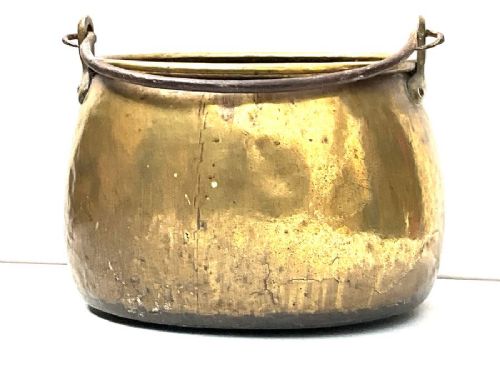
Vintage Brass Pan
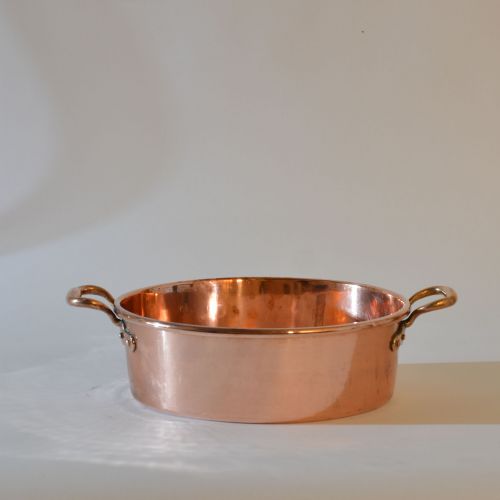
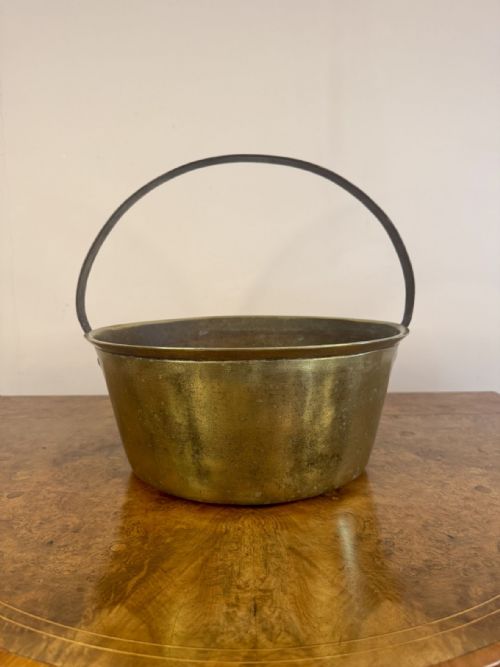
A vintage brass pan brings a warm, utilitarian gleam to a hearth or kitchen, offering solid metal construction and centuries of domestic history.
Vintage Brass Pan
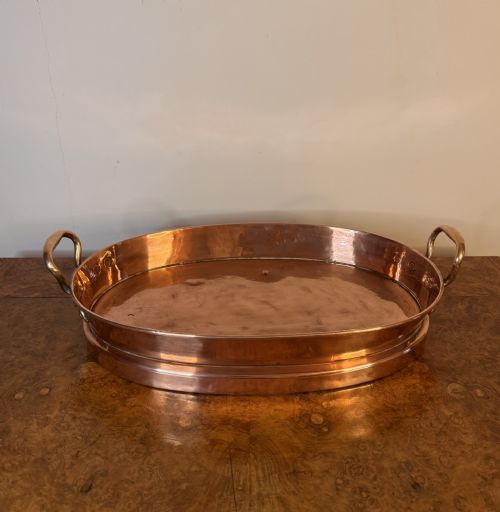
When searching for a vintage brass pan, buyers encounter heavy kitchen vessels, preserving pans, and warming vessels spanning several centuries. These domestic objects range from Georgian display pieces to robust Victorian and Edwardian examples designed for active culinary use.
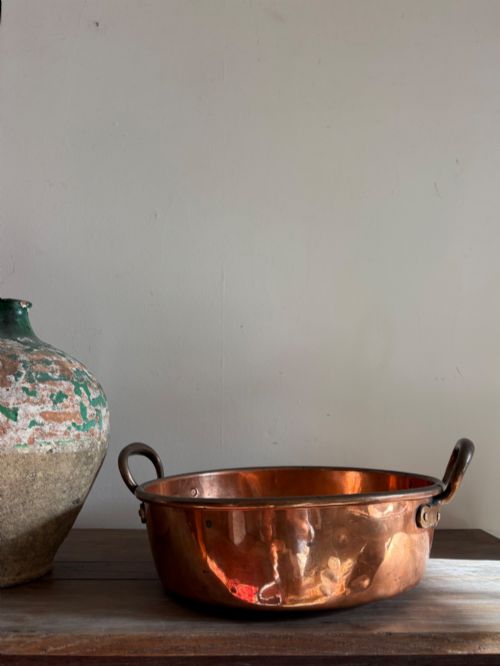
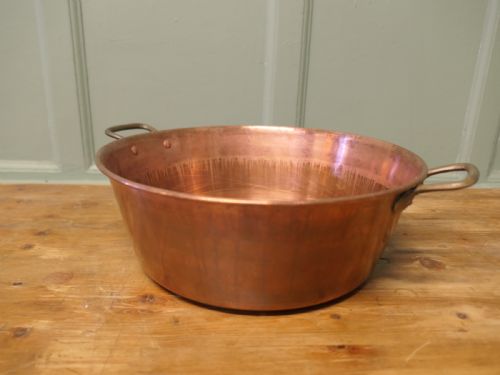
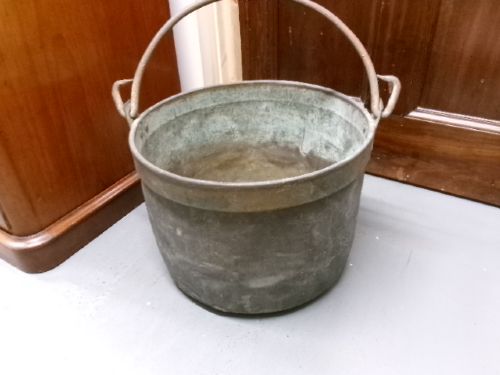
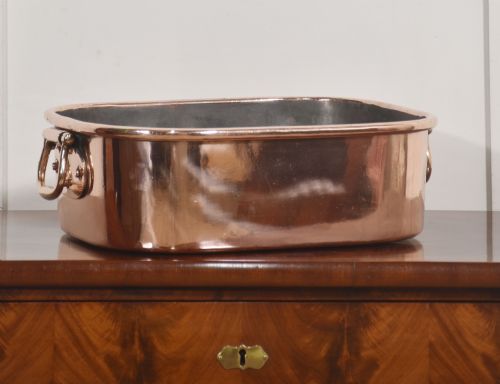
The most common forms on this page include heavy preserving pans, chestnut roasters, and skillets featuring iron handles and riveted construction. Many pieces combine brass bodies with iron or copper elements, reflecting their practical origins in English, French, Spanish, and Dutch kitchens.
Beyond standard cookware, the selection includes specialised vessels such as cauldrons, daubieres, and braseros. These items show how metalworking traditions varied across Europe while maintaining a focus on durability and heat distribution.
Judging Quality and Craftsmanship
Quality in these metal vessels rests upon the thickness of the metal sheet, the weight of the casting, and the integrity of the joints. Superior examples display heavy, solid construction that retains structural rigidity without excessive wear at the seams.
The refinement of the handle attachment and the finish of the metal surface distinguish better pieces from standard utility items. Pieces featuring crisp riveting and balanced proportions represent the higher tier of domestic metalwork.
Vintage Brass Pan Retail Price Guide 2026
Typical asking prices for vintage brass pan among the pieces listed under this phrase on Sellingantiques today, from the lower quarter to the upper quarter. They describe what is for sale here now, not the wider market.
Herbert & Sons London·Hodges & Sons
The Vintage Brass Pan Glossary
- Brasero
- A traditional Spanish heating vessel used for burning charcoal, typically constructed from heavy brass or copper.
- Daubiere
- A specialised French cooking pot designed for slow braising meats, often featuring a heavy brass or copper body with a fitted lid.
- Preserving pan
- A wide, open metal bowl designed for boiling fruit and sugar jams, usually equipped with swing handles for easy lifting.
- Chestnut roaster
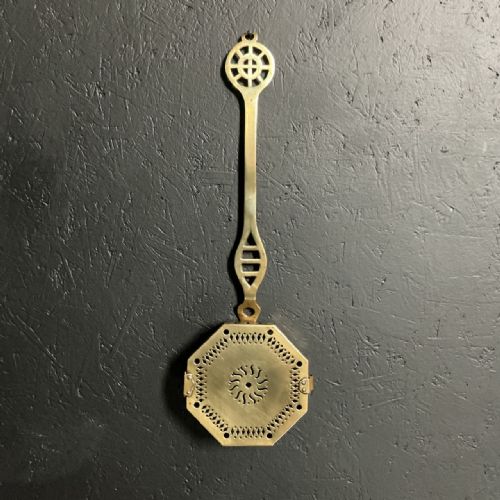
- A long-handled pan with a pierced lid used for roasting chestnuts over an open fire or hearth.
Vintage Brass Pan: Frequently Asked Questions
What were vintage brass pans used for?
These vessels were primarily utilised in historic kitchens for boiling jams, preserving fruits, roasting chestnuts, and general food preparation over open hearths.
Their heavy metal construction allowed for even heat distribution, making them essential tools for domestic cooking before the advent of modern stoves.
How do I clean a brass pan?
Maintenance typically involves washing with warm soapy water and drying thoroughly to preserve the natural metal finish and aged patina.
Many collectors prefer to leave the historical oxidation untouched, avoiding harsh chemical polishes that strip away centuries of character.
Are these pans safe for modern cooking?
While many vintage vessels were built for actual kitchen use, some antique pieces feature exposed base metals or historical wear that makes them better suited for display.
Buyers intending to cook should check the interior lining and overall structural integrity before placing the vessel on a modern heat source.
How can I tell the period of a brass pan?
dating relies on examining manufacturing marks, the style of the iron handles, and the presence of hand-riveting versus machine tooling.
Georgian and Victorian examples often display heavier castings and distinct hand-hammered textures compared to later mass-produced alternatives.