




Vintage Brass Lock
These vintage brass lock mechanisms secure trunks, heavy doors and travel chests across centuries of domestic and military use.
Vintage Brass Lock
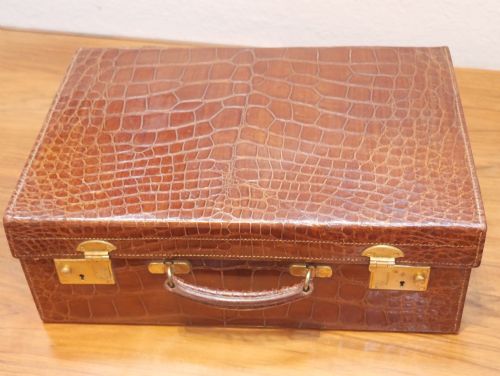
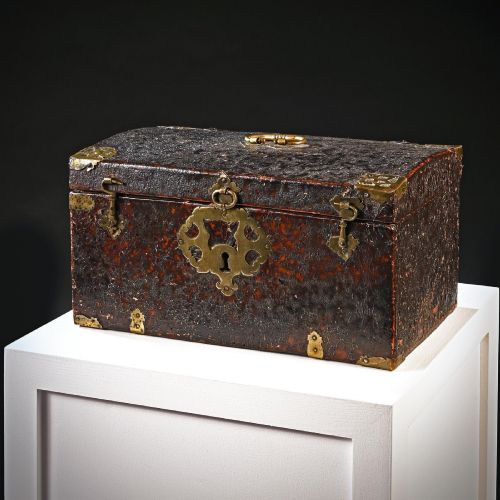
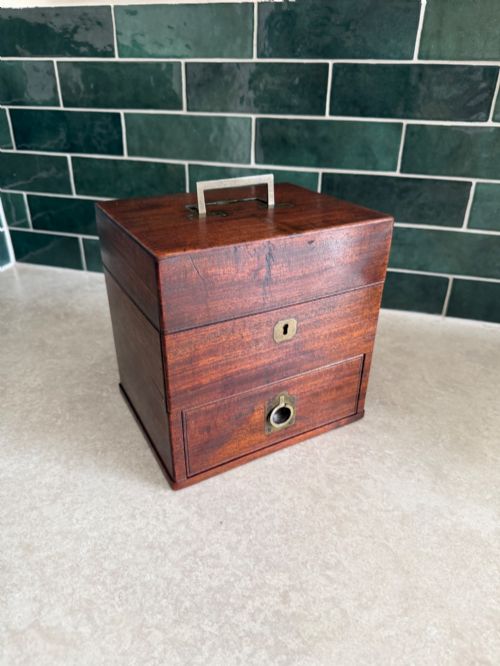
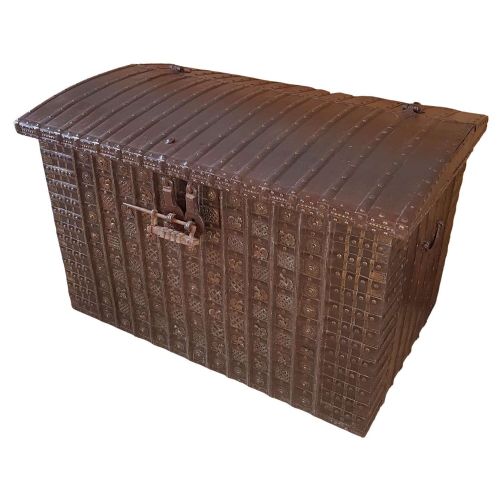
A vintage brass lock encompasses the solid brass hardware found guarding the lids of travel chests, leather suitcases, liquor decanter tantalus sets and heavy iron safes. When you browse this selection, you encounter protective fastenings spanning the seventeenth, eighteenth, nineteenth and early twentieth centuries.
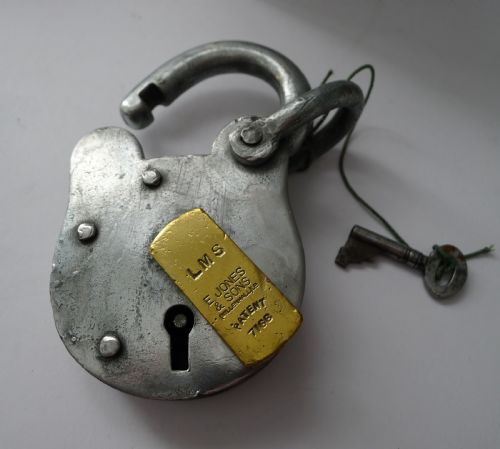
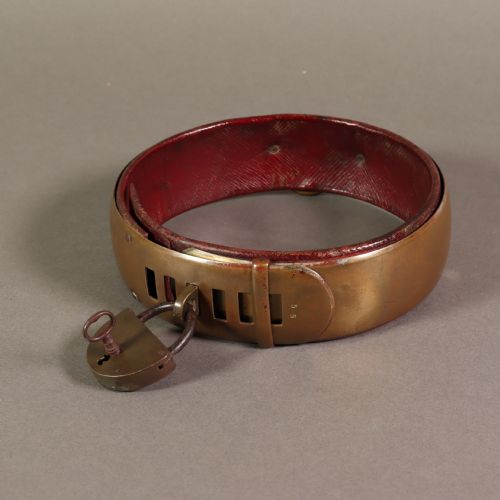
The objects carrying these mechanisms range from humble railway padlocks and French customs padlocks to elaborate locking plates on oak presentation boxes, apothecary cases and gentleman's tobacco cabinets. They appear mounted directly to the timber bodies of storage chests or integrated into portable leather luggage.
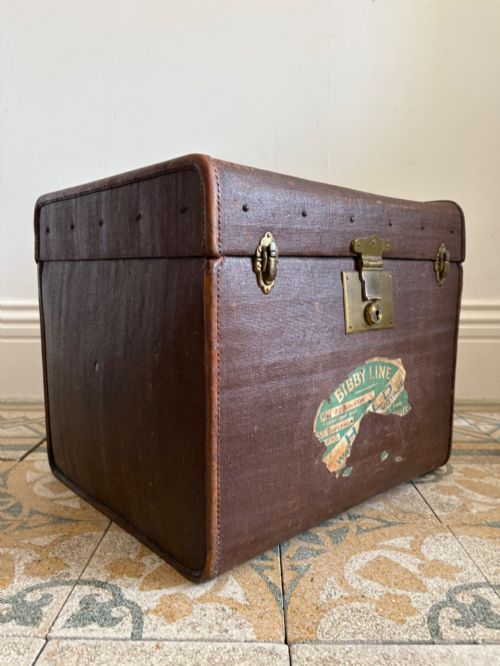
The most frequent examples on this page date from the Victorian and Edwardian eras, fixed to domestic storage pieces, leather attaché cases and oak stationery cabinets. Buyers seek these items both as functional replacement hardware and for the tactile history preserved in their patinated metal housings.
Materials and construction
Makers built these security items primarily from cast or sheet brass, frequently pairing the metal with structural timber substrates like oak, walnut, mahogany and camphor wood. Many examples incorporate supplementary iron or steel internal levers, alongside exterior housings bound in leather, canvas or hide.
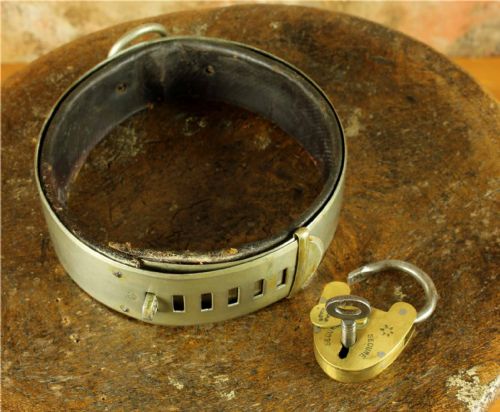
Artisans utilised casting and hand-bevelling techniques to shape the metal components, securing them to trunks, strongboxes and dog collars with precision pins and screws. Complex internal wards and early combination dials or lever mechanisms were fitted by hand to ensure the security of the vessel.
The documented materials span brass, iron, steel, walnut, oak, leather, canvas and glass across multiple centuries.
Factors of quality
Quality in these hardware items resides in the weight of the casting, the crispness of any engraved manufacturer inscriptions and the complexity of the internal mechanism. Superior specimens feature robust levers that move with crisp resistance and retain their original matching keys.
The grade of the surrounding material also dictates overall excellence, distinguishing utilitarian brass padlocks from bespoke brass-mounted furniture locks and presentation cases produced by established nineteenth-century makers.
Harrison Of London·Collinson & Lock London·Milners of Liverpool
The Vintage Brass Lock Glossary
- Padlock
- A detachable lock with a hinged shackle that passes through a staple or link to secure an object. These utilitarian items protected railway equipment, luggage and customs containers.
- Tantalus
- A locked cabinet holding decanters that displays their contents while preventing unauthorized access to the liquor. The frame locks the stoppers in place until a key is turned.
- Warded lock
- A locking mechanism that uses stationary obstructions inside the keyhole to require a key with corresponding notches. Only a key with matching cuts can pass the internal barriers to turn the bolt.
- Escutcheon
- A flat plate surrounding a keyhole that protects the surrounding wood or leather from wear. These plates are frequently cast in brass and occasionally engraved with maker details.
- Strongbox
- A secure container built entirely from heavy metals or reinforced timber designed to protect valuables. They often feature complex interior locking devices and concealed compartments.
Vintage Brass Lock: Frequently Asked Questions
How do I date a brass lock?
Dating relies on the manufacturing style, the complexity of the internal mechanism and the type of object it secures. Seventeenth and eighteenth-century examples display hand-forged components, while nineteenth-century pieces often feature standardised brass plates and patent markings.
Matching the hardware to the style of the accompanying trunk, tea caddy or case helps narrow the period of origin. Patent inscriptions and maker names stamped onto the brass surface provide definitive chronological anchors.
Are original keys usually included?
Some surviving examples retain their original working keys, particularly specialised padlocks and custom travel cases. Many historical pieces, however, survive over the centuries separated from their original operating keys.
Finding a piece with its matching key enhances its utility for collectors who wish to operate the mechanism. Unkeyed specimens remain highly collectible purely for their decorative patination and mechanical craftsmanship.
What materials accompany the brass?
These security devices are predominantly mounted to dense hardwoods including oak, walnut, mahogany and camphor wood. Travel luggage and Gladstone bags integrate the brass components with sturdy leather, canvas and iron bands.
Luxury presentation boxes and dressing cases further incorporate velvet linings, glass decanters and silver accessories. Each material reflects the specific domestic, travel or security purpose of the host object.
How were these mechanisms used historically?
They served to secure personal valuables, confidential documents, spirits and travel luggage against theft during transit or at home. Strongboxes and apothecary chests relied on them to restrict access to dangerous medicines and currency.
In public transport and shipping contexts, sturdy brass padlocks safeguarded cargo containers and railway assets. Their daily operation provided essential security before modern electronic locking systems existed.