


Vintage Brass Kerosene Burner
A vintage brass kerosene burner brings dependable period illumination and warm metallic character to any room.
Vintage Brass Kerosene Burner
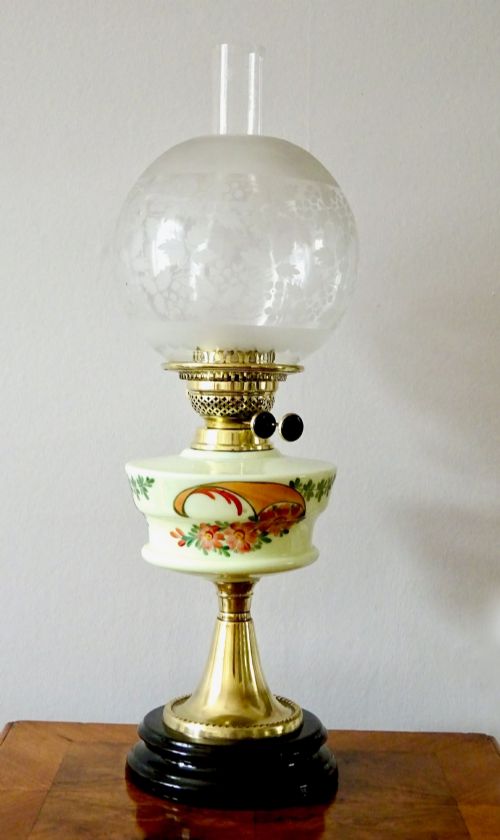
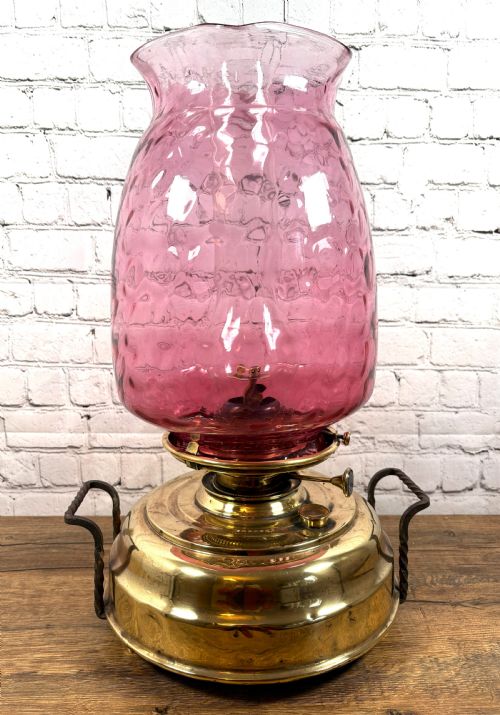
When searching for a vintage brass kerosene burner, collectors encounter lighting pieces primarily spanning the Victorian and Edwardian eras, extending into the early twentieth century. These objects function as table lamps, oil lamps, and heating devices, combining metal reservoirs with glass and ceramic elements.
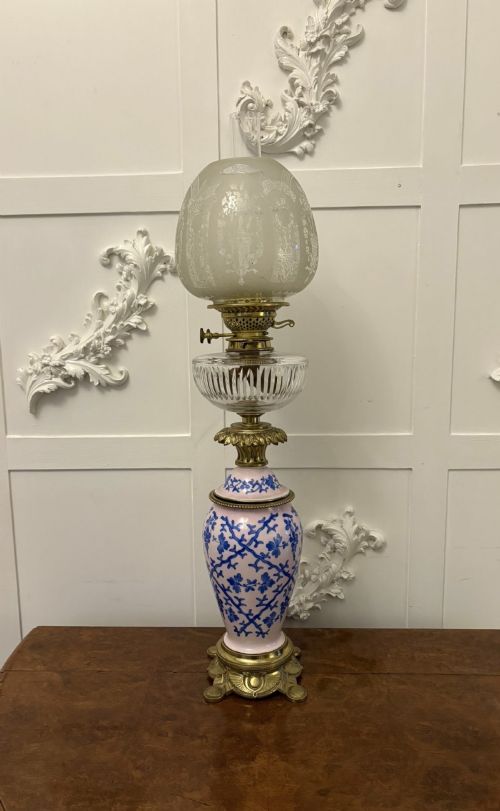
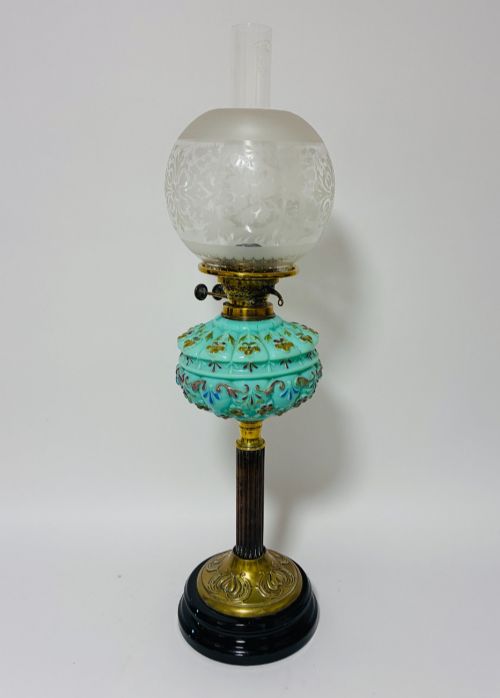
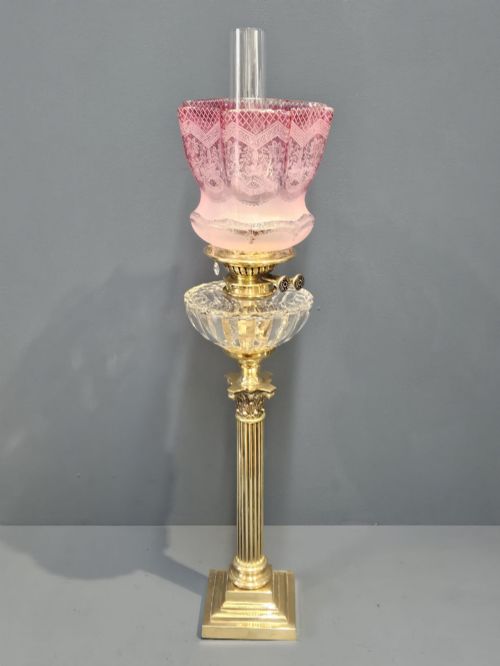
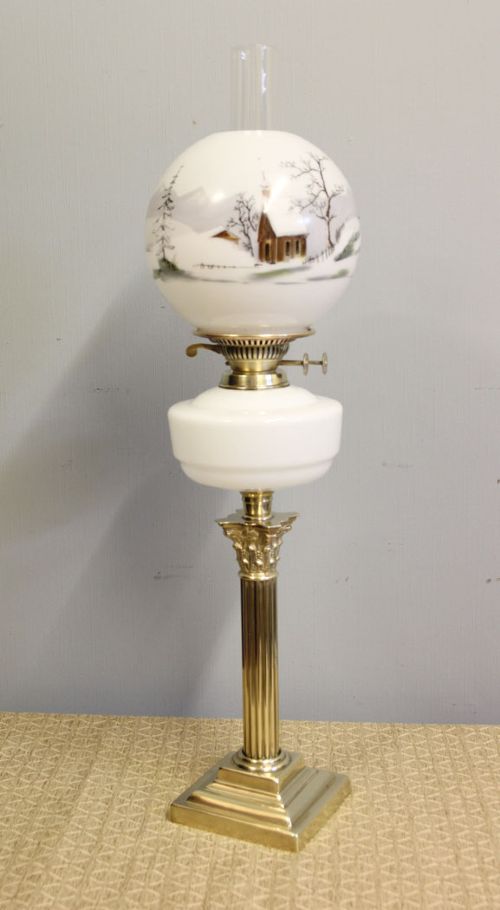
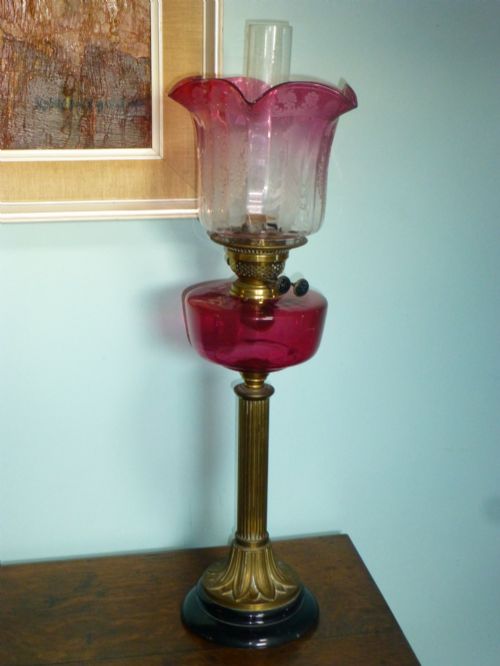
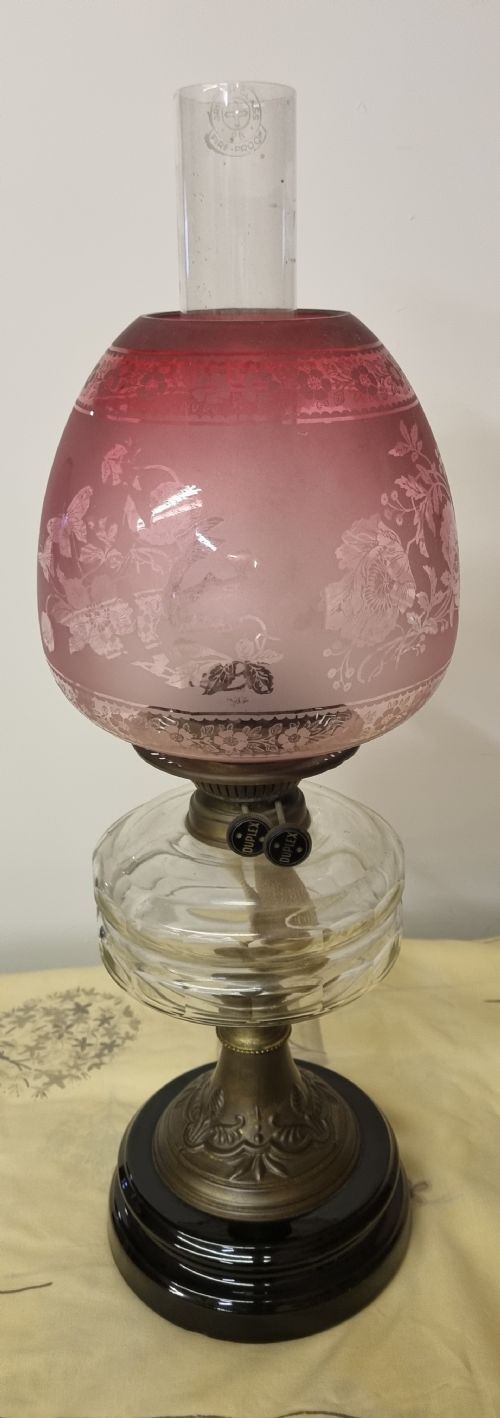
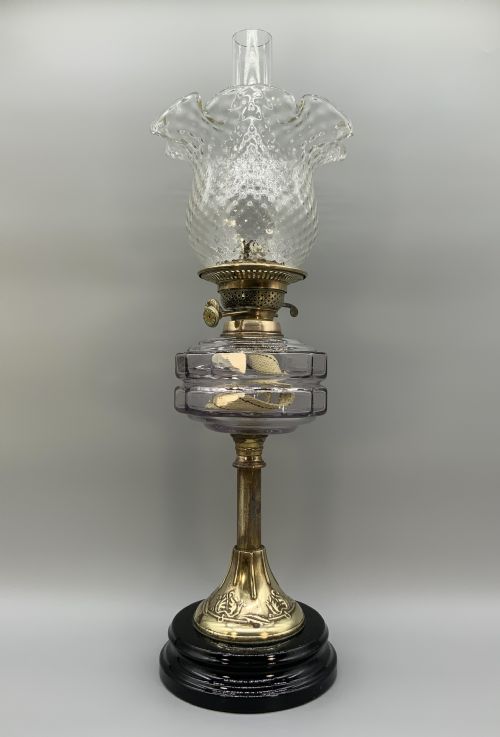
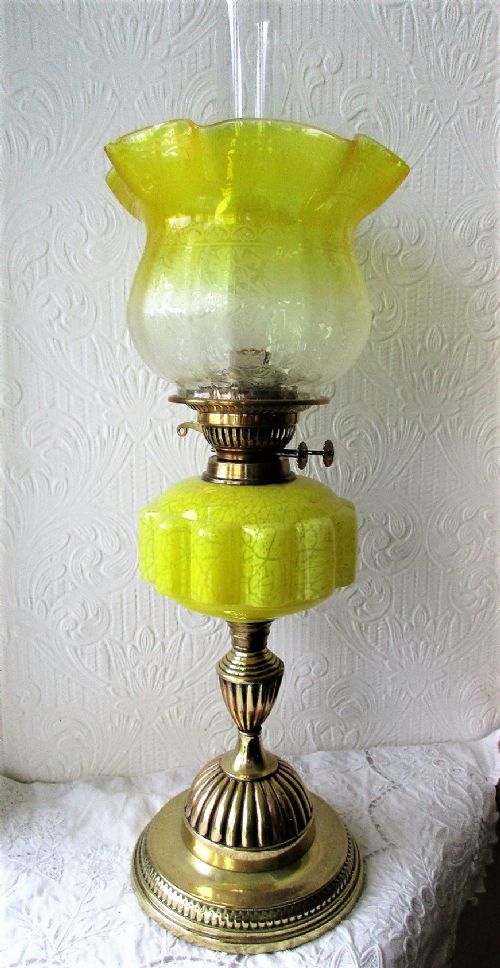
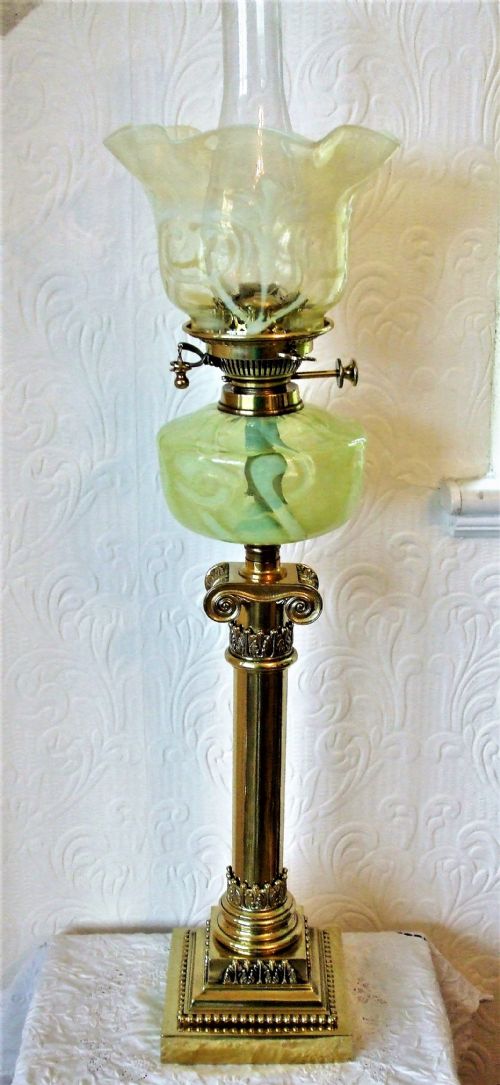
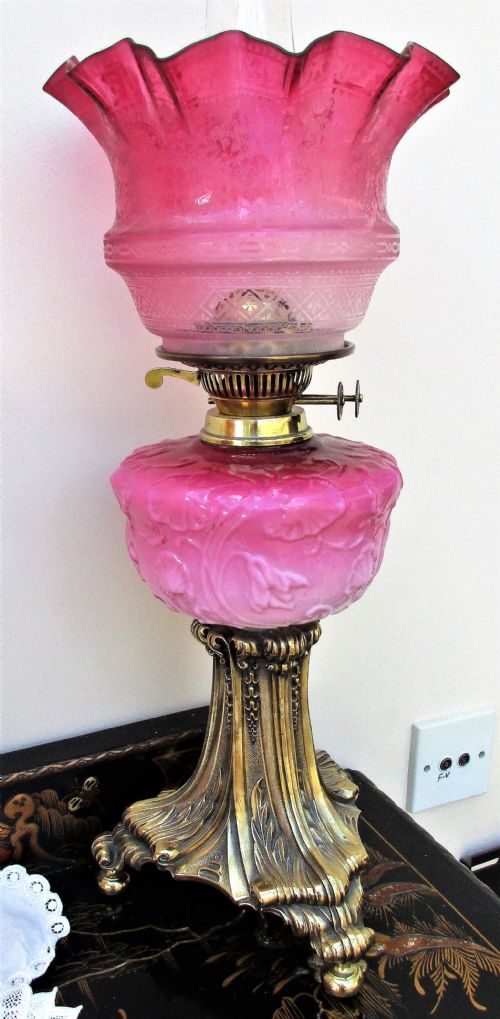
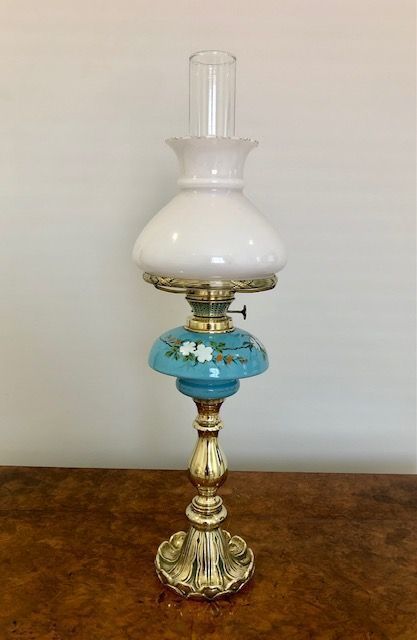
The most frequent examples on this page are Victorian oil lamps featuring brass columns and detailed fonts. They appear with glass shades in cranberry, opaline, clear, and cut designs, reflecting the domestic lighting traditions of the nineteenth century.
How they were made
Construction relies heavily on brass, which forms the structural columns, bases, and burner mechanisms. Manufacturers paired this metal with hand-blown or cut glass for fonts and shades, utilising opaline, cranberry, and clear glass varieties.
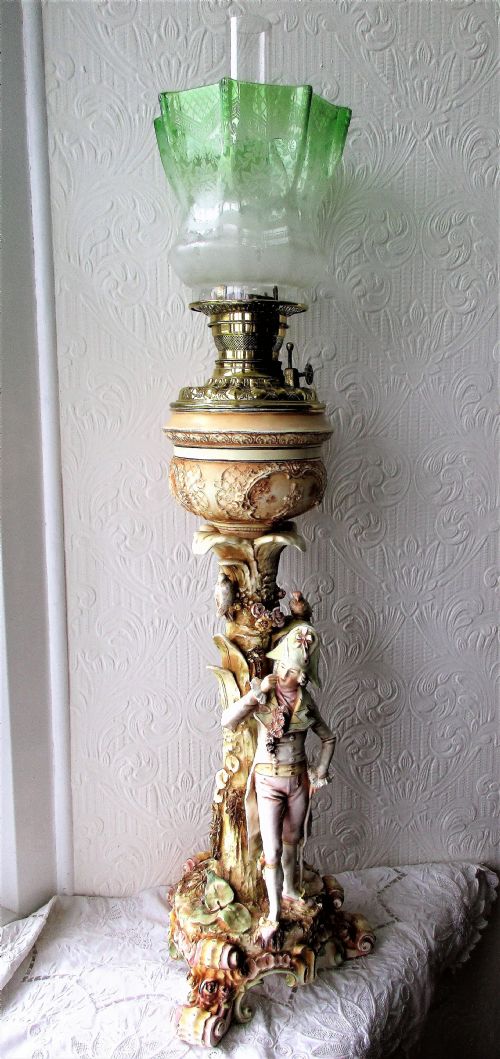
Ceramic and porcelain components frequently integrate into the bodies, alongside specific metalwork such as copper and silver plating. Burner mechanisms like the duplex system are mounted to columns in styles including Corinthian and Ionic orders.
Listings feature brass, glass, ceramic, and porcelain materials across Victorian, Edwardian, and Art Nouveau styles.
What varies in quality
Quality differences emerge in the weight and crispness of the brass casting, particularly in architectural columns and Corinthian capitals. Finer examples display sharp detailing and substantial metal gauge rather than light, stamped construction.
The standard of the associated glasswork separates the grades, with hand-blown, etched, and layered cranberry or opaline shades indicating superior production. The integration of complex double burners and figural porcelain elements also elevates the standing of individual pieces.
Wild and Wessel·Hinks
The Vintage Brass Kerosene Burner Glossary
- Duplex burner
- A double-wick burner mechanism designed to produce a brighter flame than single-wick variants. These systems appear on taller nineteenth-century table lamps.
- Peg lamp
- A small oil lamp featuring a base designed to drop directly into the socket of a candlestick or separate stand. They often incorporate satin glass or crystal fonts.
- Font
- The reservoir that holds the kerosene or oil beneath the burner. In these pieces, fonts are fashioned from brass, ceramic, porcelain, and coloured glass.
- Opaline glass
- An opaque, milky-white glass popular for Victorian and Edwardian lamp shades. It diffuses light softly across domestic interiors.
Vintage Brass Kerosene Burner: Frequently Asked Questions
What is a vintage brass kerosene burner?
A vintage brass kerosene burner is a period lighting device featuring a metal fuel reservoir and column, typically paired with a glass shade and wick mechanism. These items date predominantly from the Victorian and Edwardian eras.
They served as primary domestic light sources before widespread electrification, combining utilitarian function with decorative metal and glass craftsmanship.
How do I identify a Victorian oil lamp?
Victorian oil lamps are identified by their heavy brass construction, classical column forms, and characteristic glass fonts or shades. They often utilise maker mechanisms like the duplex burner.
Stylistic cues such as Corinthian capitals, etched cranberry glass, and hand-blown opaline components help separate these nineteenth-century pieces from later twentieth-century reproductions.
What glass types appear on these lamps?
These lamps incorporate cranberry glass, opaline glass, cut glass, and clear crystal for both fonts and shades. Cranberry glass achieves its distinct pink-red hue through the addition of gold chloride during manufacturing.
Shades also feature etched patterns or winter scenes, while plain clear glass and satin glass appear on specific peg lamp and crystal variants.
How were these lamps used historically?
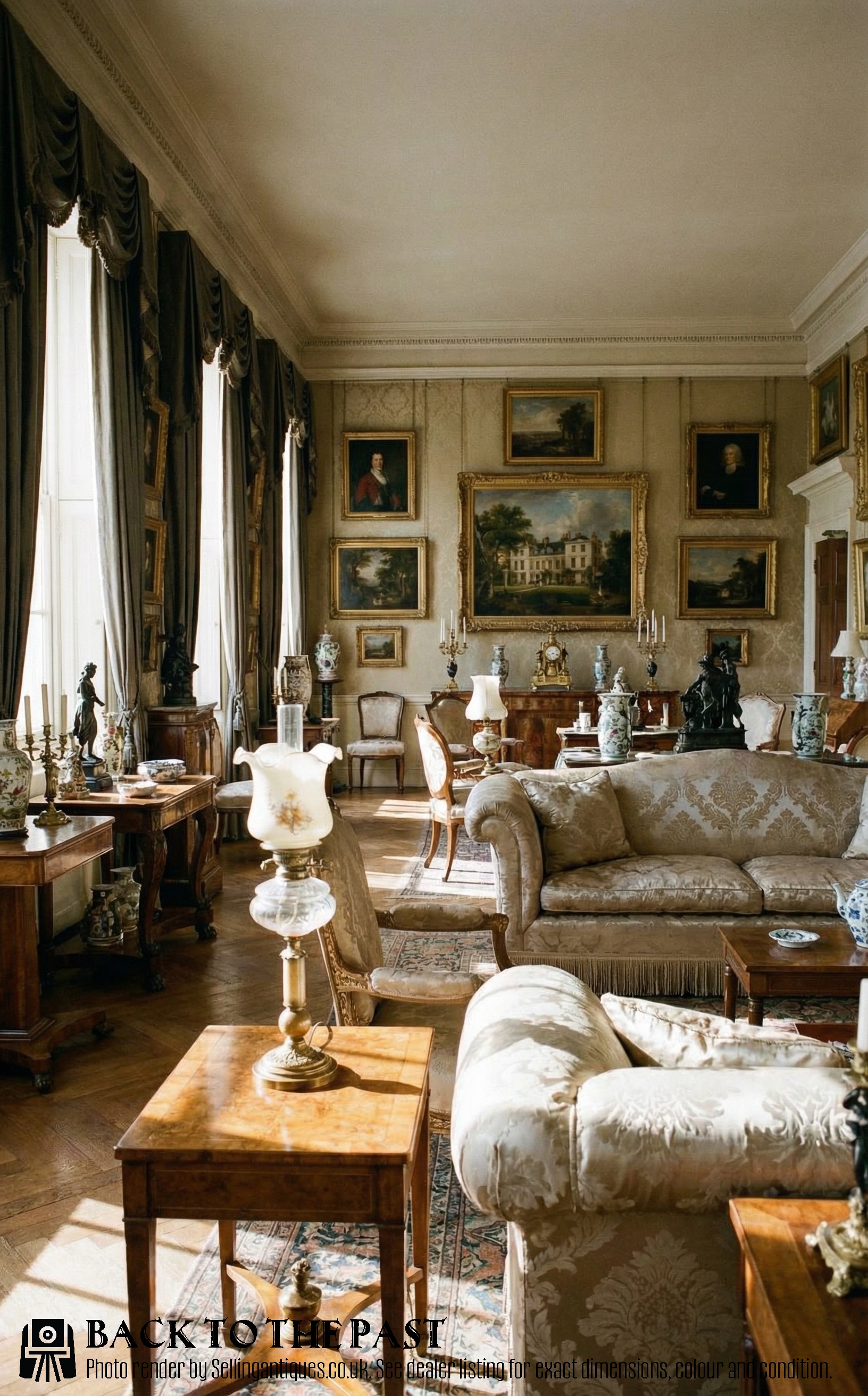
Historically, these lamps provided illumination in homes during the Victorian and Edwardian periods. Kerosene or paraffin oil was stored in the font and drawn up through the burner via a textile wick.
Certain specialised examples functioned as combined lighting and heating units, serving practical daily needs in domestic rooms before electric lighting took over.