



Vintage Brass Hearth Curb
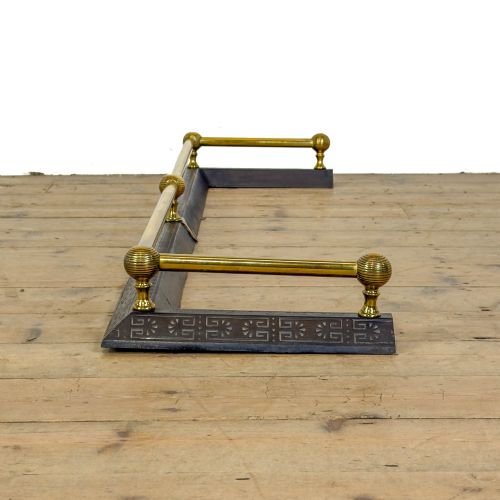
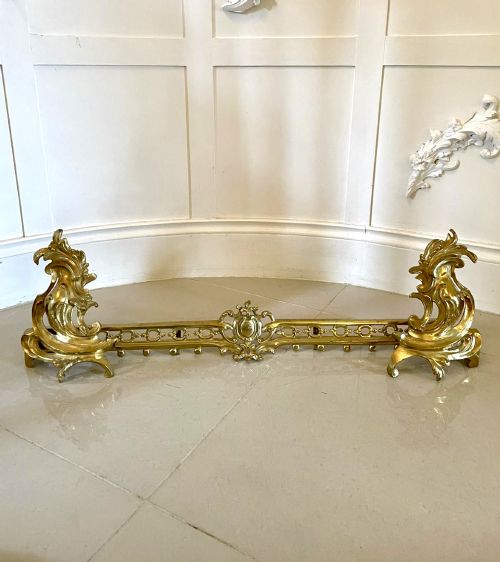
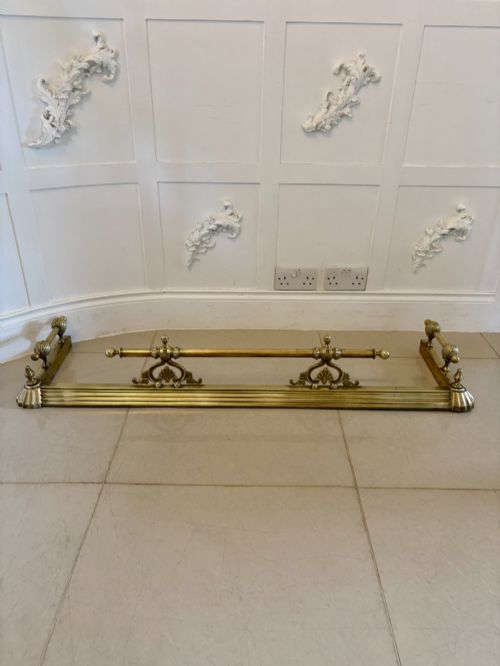
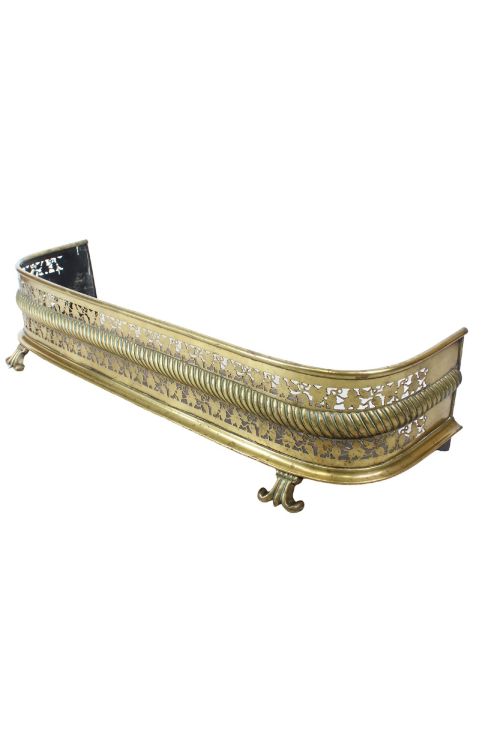
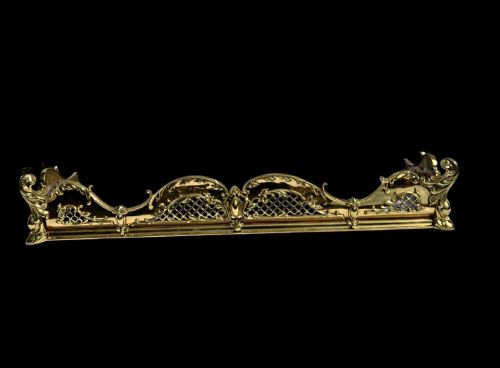
A vintage brass hearth curb frames the fireplace with metalwork that keeps stray embers off the rug.
Vintage Brass Hearth Curb
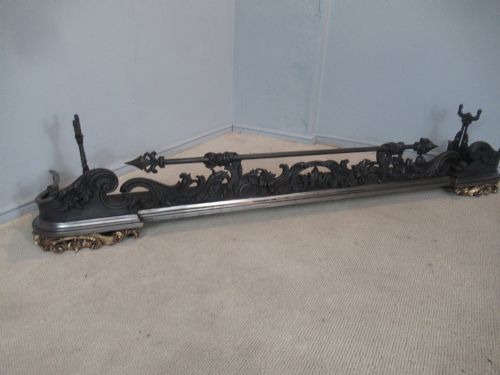
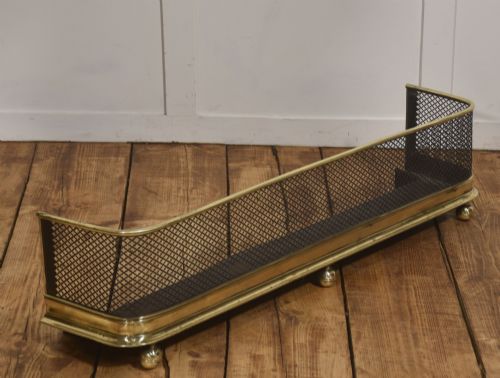
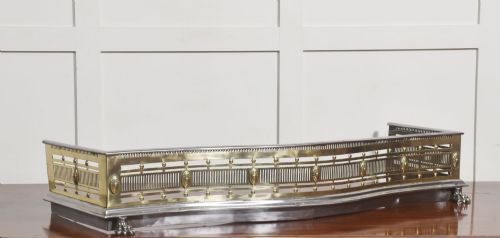
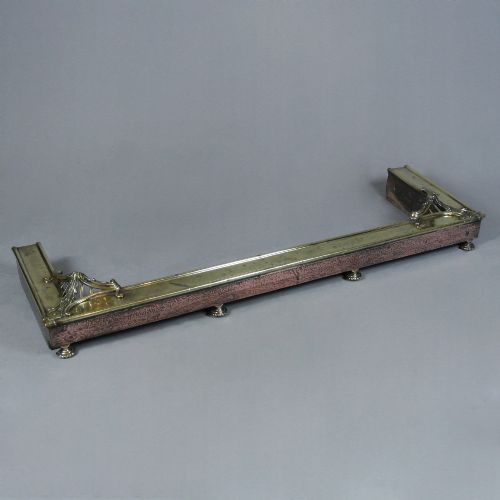
A vintage brass hearth curb, frequently referred to in listings as a fire fender or kerb, sits directly on the floor around the hearth to contain ash and sparks. These functional guards date primarily from the Victorian and Edwardian eras, spanning the nineteenth and early twentieth centuries.
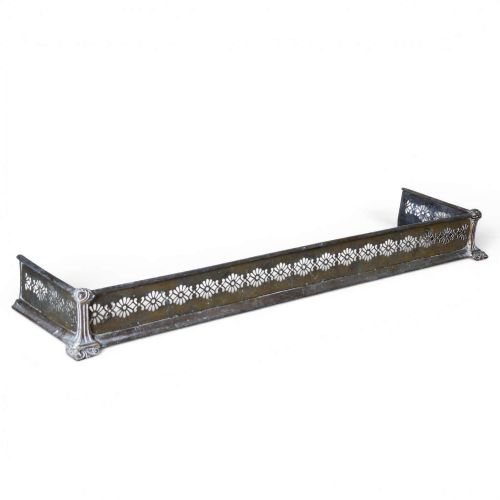
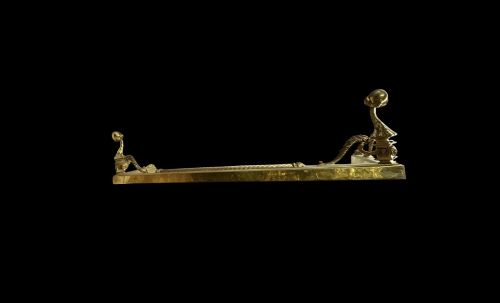
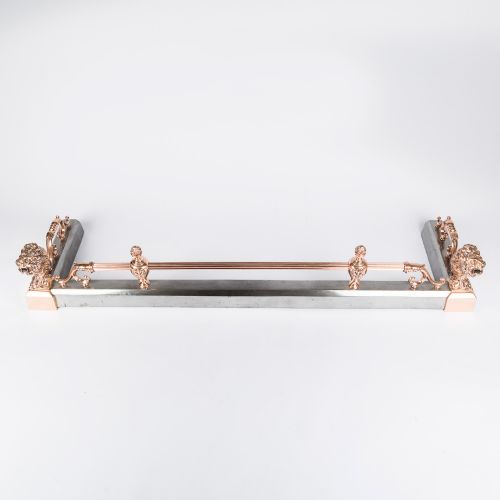
The most common versions encountered here are made of polished or pierced brass, often incorporating steel, iron, or bronze components. Buyers will find extending designs that adjust to fit different fireplace widths, alongside rigid Victorian and Edwardian models in styles ranging from plain rails to elaborate French Rococo and Art Nouveau motifs.
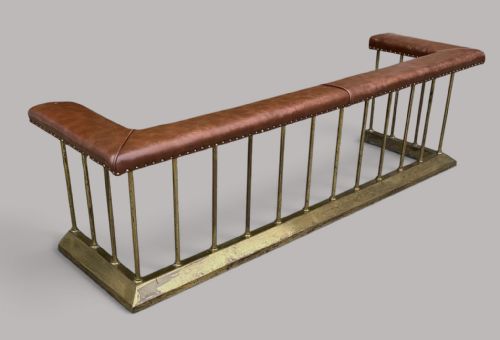
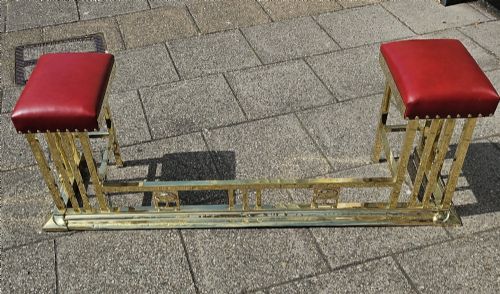
Club fenders also appear among the selections, featuring padded leather seats on top for fireside seating. These pieces originate from British workshops and French ateliers, representing a mix of domestic utility and formal reception room styling.
Materials and construction
Makers built these curbs primarily from brass, often combining sheet brass with cast brass ornaments, iron bases, and steel frames for structural strength. Pierced patterns were achieved by hand-cutting or stamping sheet metal, whilst decorative scrolls and mounts were cast and subsequently fixed to the main body.
Vintage Brass Hearth Curb Retail Price Guide 2026
Typical asking prices for vintage brass hearth curb among the pieces listed under this phrase on Sellingantiques today, from the lower quarter to the upper quarter. They describe what is for sale here now, not the wider market.
Materials span plain cast brass and gilded brass alongside combinations with iron, steel, bronze, and tan leather.
Distinctions in quality
The gauge of the metal and the precision of the casting separate simpler utilitarian guards from finer decorative examples. Substantial weight, thick brass sections, and crisp detailing in pierced galleries or cast scrolls indicate higher production standards.
The integrity of joints, the quality of patination on the brass, and the condition of original leather upholstery on club variants determine the grade of the piece. Extending mechanisms that operate smoothly without binding also point towards superior original manufacturing.
The Vintage Brass Hearth Curb Glossary
- Fender
- A low metal guard placed around a hearth to prevent burning fuel from rolling onto the floor. It typically forms a three-sided barrier against the fireplace opening.
- Kerb
- An alternative spelling commonly used interchangeably with fender in antique listings. It refers directly to the stone or metal boundary of the hearth.
- Club fender
- A specialised type of fire fender featuring cushioned leather seats running along the top. This design allowed people to sit close to the fire in enclosed comfort.
- Pierced brass
- Sheet metal perforated with decorative geometric or floral patterns. This technique lightened the visual weight of heavy nineteenth-century guards while allowing heat to pass through.
- Patina
- The surface sheen and colour acquired by brass and bronze through age, handling, and polishing. Collectors value undisturbed patination for its historical character.
Vintage Brass Hearth Curb: Frequently Asked Questions
How do I measure for a fender?
Measure the width and depth of your hearthstone, leaving adequate clearance for the fireplace opening and any hearth rug. Check whether the listing is for a fixed size or an extending model that adjusts to your exact opening.
Ensure you account for the depth of the side returns so the metal sits squarely on the floor without obstructing fire tools or ash pans.
Can I clean vintage brass?
Polishing depends entirely on whether you prefer a bright golden finish or a dark, historic patina. Many buyers choose to leave the accumulated age untouched to preserve the antique character.
If you decide to polish, use a mild proprietary brass cleaner and a soft cloth, avoiding abrasive pads that can scratch thin plating or delicate castings.
What is a club fender used for?
Club fenders incorporate padded leather tops designed specifically for sitting close to the hearth. They originated in large country houses where fireside seating was at a premium during colder months.
The sturdy metal frame supports the weight of seated guests while continuing to act as a traditional spark guard.
How do I date a brass fender?
Dating relies on stylistic clues such as the flowing organic lines of Art Nouveau, the ornate scrolls of French Rococo revival, or the simpler geometric pierced galleries typical of the Victorian period.
Construction methods, including the type of screws, iron backing plates, and the composition of the underlying metal, also help establish the decade of manufacture.