
Vintage Brass Handles
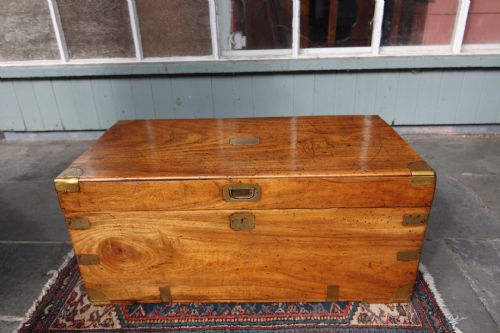
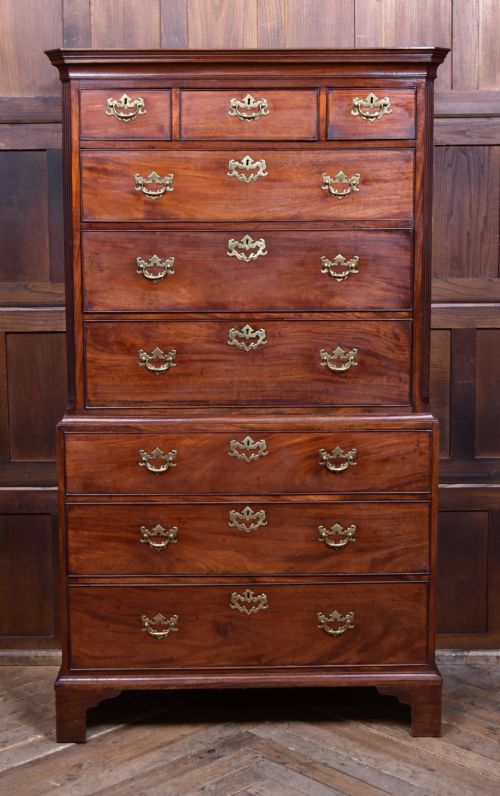
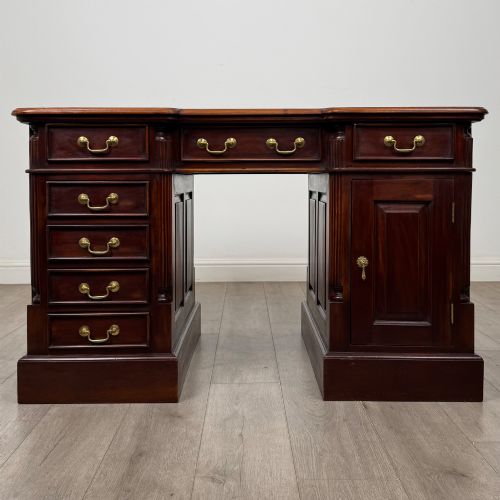
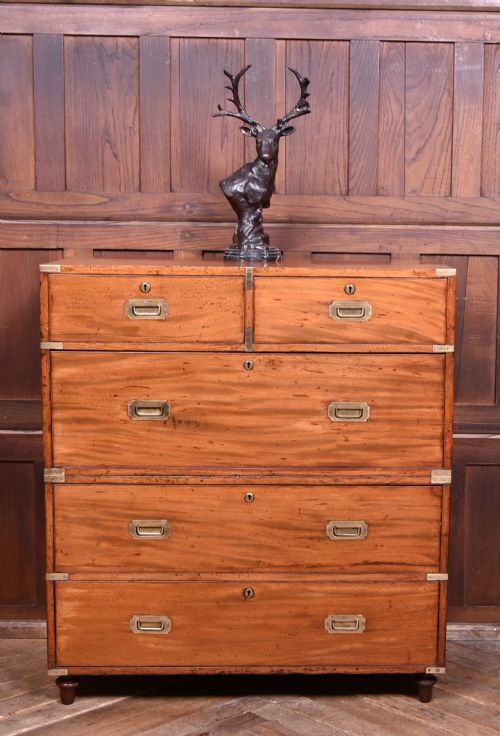
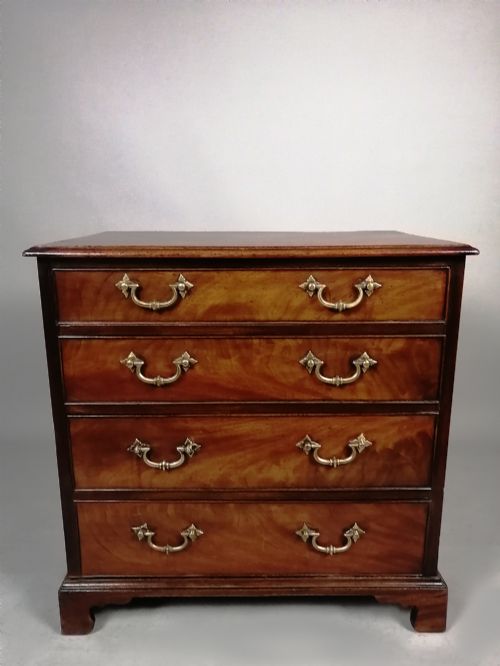
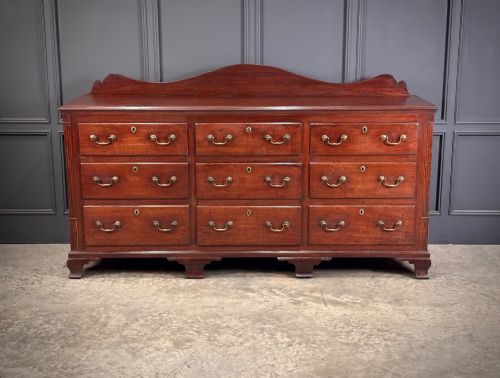
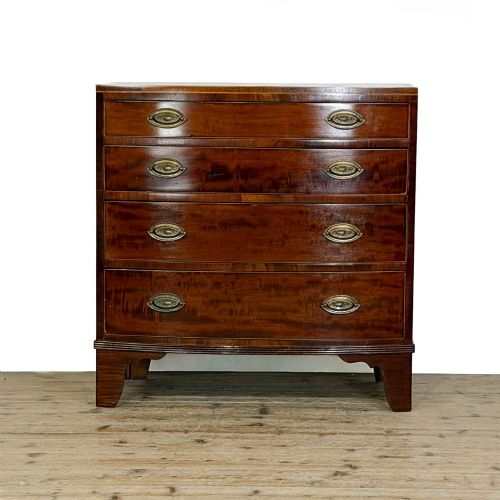
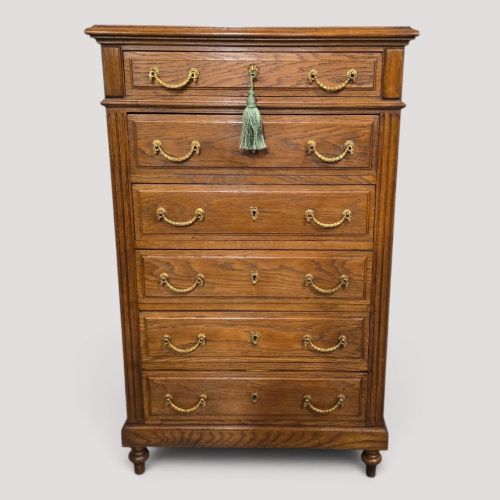
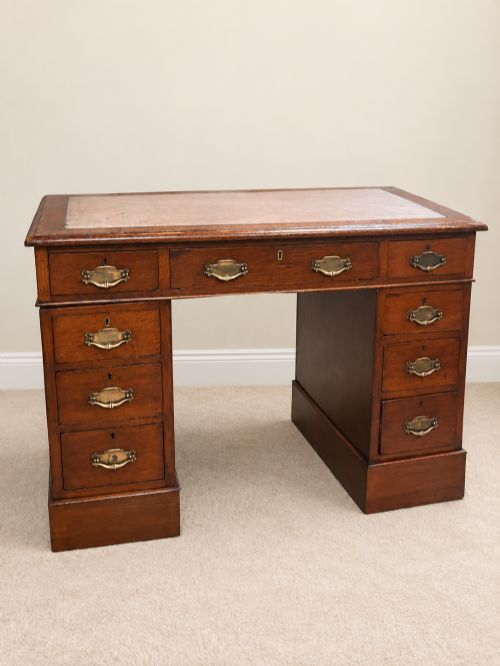
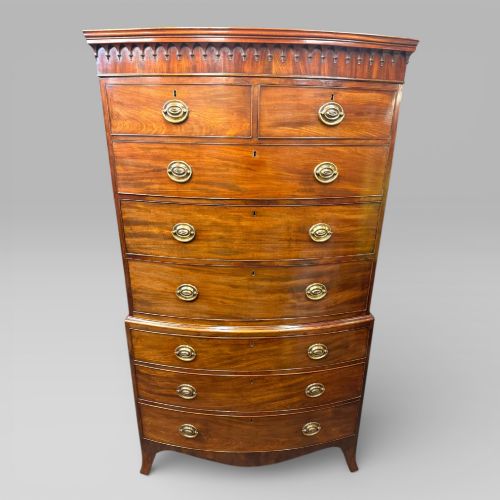
These vintage brass handles belong to chests of drawers, desks, and decorative vessels spanning the Victorian, Georgian, and Edwardian periods.
Vintage Brass Handles
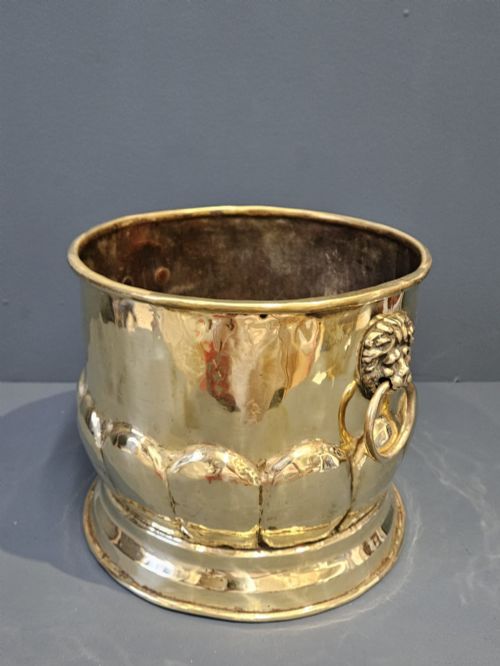
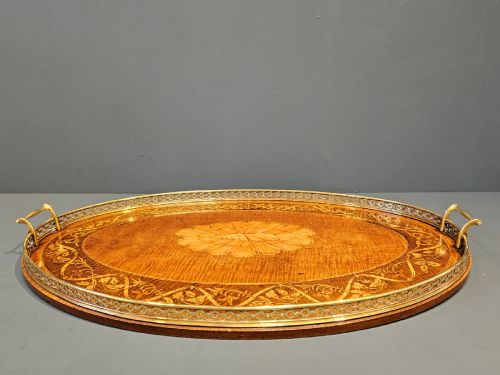
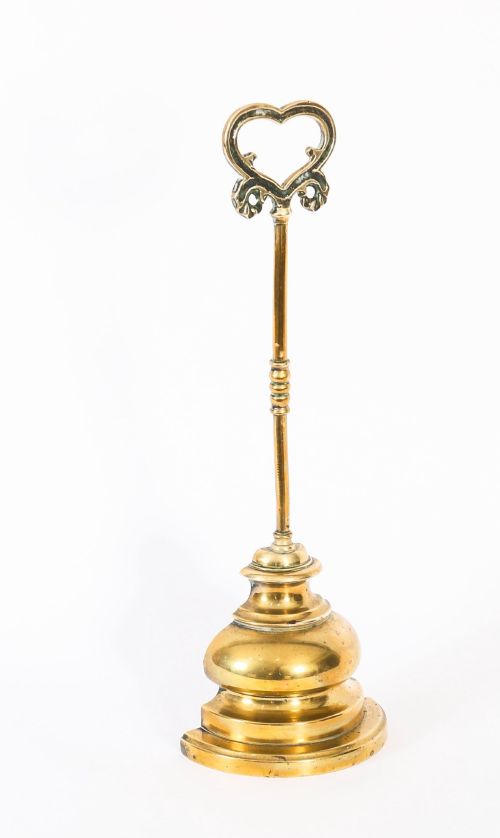
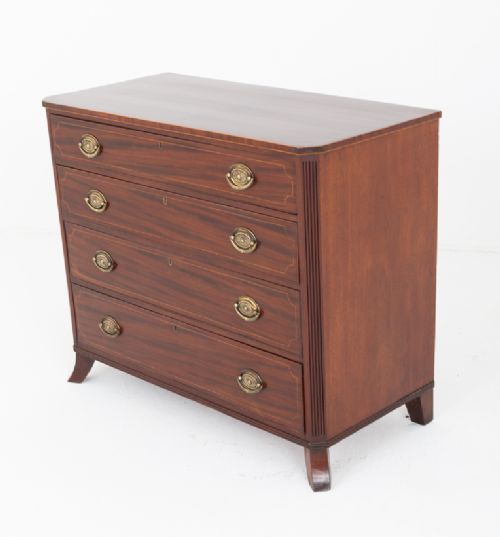
Vintage brass handles primarily appear mounted upon mahogany, oak, and walnut chests of drawers and desks dating from the Georgian, Victorian, and Edwardian eras. Buyers searching for these items encounter hardware attached to case furniture, alongside standalone brass objects such as planters, jardinieres, and door stops.
The domestic furniture carrying these handles ranges from bow-front chests and tallboys to pedestal desks and writing tables. Pieces originating from the nineteenth and early twentieth centuries dominate the selection, reflecting the functional hardware styles of those periods.
How they were made
Metal components utilise cast and sheet brass, frequently secured to hardwood cabinetry constructed from mahogany, oak, and walnut. Cabinet makers shaped the timber using traditional joinery methods before fixing the metalwork directly to drawers and doors.
Surviving items combine structural timber frames with durable metal fixtures designed for daily household use. Selected pieces incorporate secondary timbers alongside primary cabinet woods.
Materials recorded across the inventory include brass, mahogany, oak, walnut, leather, iron, and steel.
What varies in quality
Quality rests in the crispness of the metal casting and the integrity of the surrounding timber construction. Finer examples display precise detailing in the brass work and careful selection of figured mahogany, oak, or walnut veneers.
Proportion and cabinet-making execution distinguish standard utility furniture from superior examples. The cohesion between original brass hardware and the host piece defines the standard of the item.
Trollope & sons·Jas Shoolbred·William Gard, Exeter
The Vintage Brass Handles Glossary
- Bow front
- A convex curved cabinet front popular in Georgian and Victorian furniture design. This shape softens the profile of large chests of drawers.
- Pedestal desk
- A heavy freestanding writing table supported by two banks of drawers. These units frequently feature brass handles on the primary writing drawers.
- Jardiniere
- An ornamental pot or stand designed to hold plants indoors. Metal versions utilise brass to create decorative vessels for domestic interiors.
- Wellington chest
- A tall narrow chest of drawers secured by a hinged locking side stile. This form originates from the nineteenth century.
Vintage Brass Handles: Frequently Asked Questions
How do I date a chest of drawers?
Dating relies upon examining construction techniques, timber selection, and the style of the attached brass handles. Cabinet proportions and drawer linings offer further guidance for specific periods.
Changes in hardware design across the Georgian and Victorian eras help establish the manufacturing timeline of the furniture.
Are brass handles usually original?
Many pieces retain their original brass hardware, though replacements occurred during subsequent centuries of domestic use. Inspecting the fixing points reveals evidence of prior mountings.
Original fixtures align with the period style and show consistent oxidation patterns matching the surrounding timber.
What woods were used for these desks?
Cabinet makers utilised mahogany and oak as primary materials for desks and pedestals throughout the eighteenth and nineteenth centuries. Walnut also appears across specific regional examples.
Secondary timbers inside the drawers often consist of pine or oak depending on the workshop origin.
How do I clean antique brass?
Maintaining antique brass involves gentle dusting and minimal interference with the established patina. Harsh chemical polishes remove the historical surface layer.
Preserving the natural oxidation protects the aged appearance valued by collectors.