


Vintage Brass Clockwork
Vintage brass clockwork brings together mechanical precision and polished metal, offering practical timekeeping alongside historical charm.
Vintage Brass Clockwork
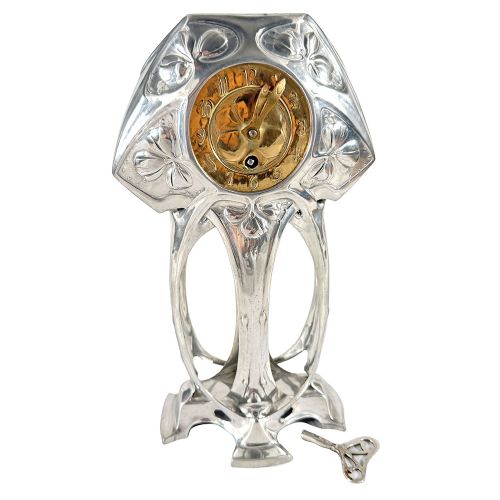
Vintage brass clockwork encompasses mechanical timepieces and measuring instruments driven by spring or weight-driven movements housed within brass frames. These pieces span periods from the nineteenth century through the mid twentieth century, reflecting shifting domestic and industrial interior tastes.
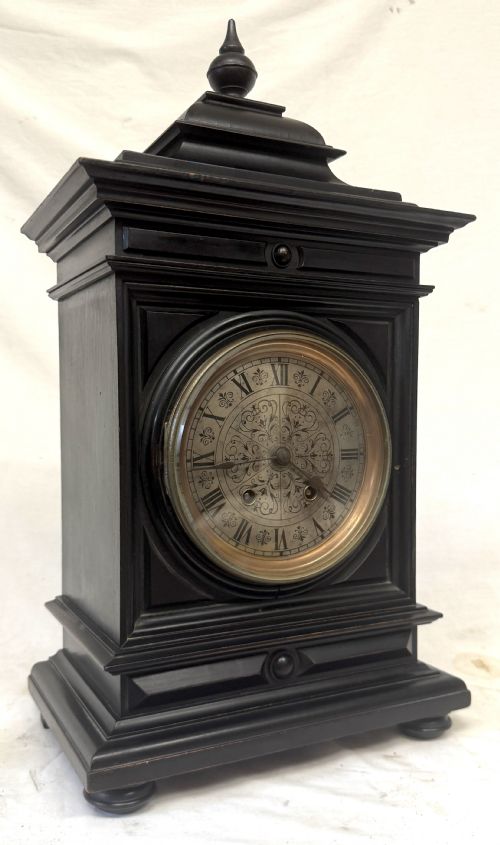
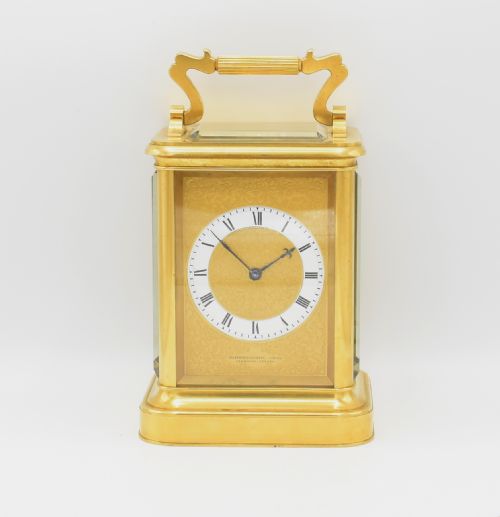
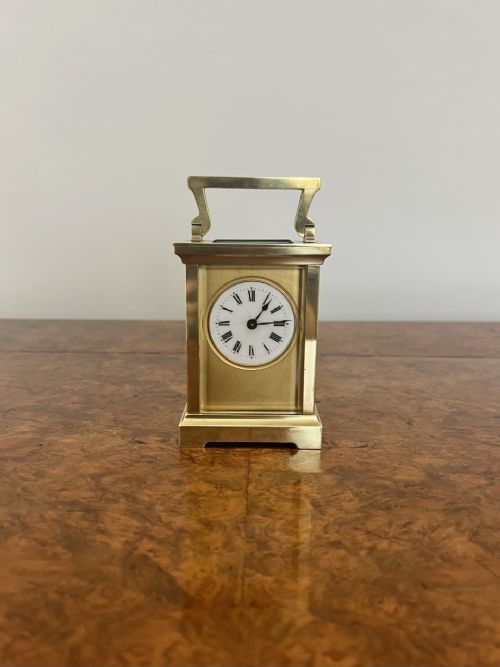
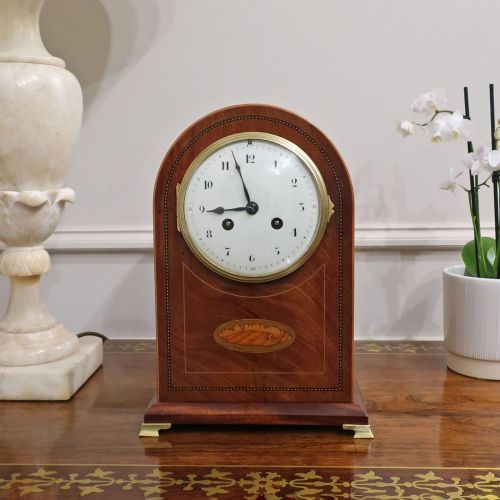
Carriage clocks and mantel clocks represent the most frequent forms encountered within this selection. These items range from simple polished brass cases to ornate gilded or bevelled glass designs originating from British and French makers.
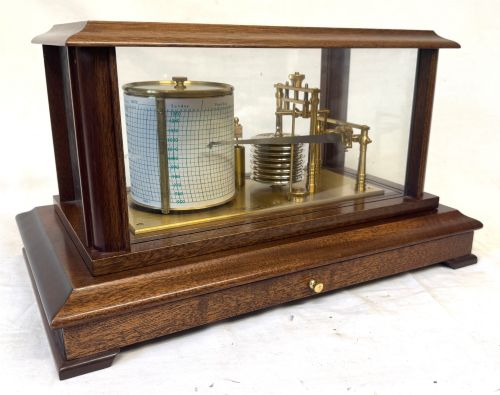
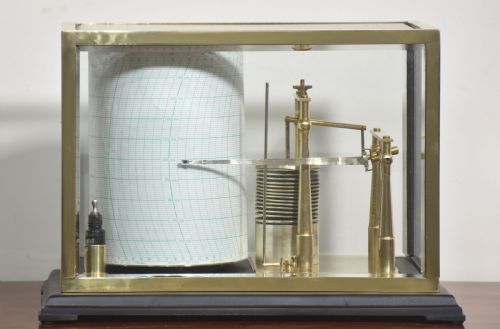
Alongside standard timepieces, related mechanical objects such as barographs and automaton singing birds appear within the category. These instruments share the underlying brass and clockwork mechanisms characteristic of the broader grouping.
How they were made
Makers constructed the structural frames and movements primarily from brass, often incorporating iron, steel, and glass components to protect the delicate internal gears. Cases frequently utilise secondary woods such as mahogany or oak, combined with enamel dials and silvered chapter rings.
Mechanical assembly relied upon hand-fitted clockwork gear trains, fusee movements, and escapements designed to regulate energy release. Decorative finishes involved gilt plating, engraving, and polished wood polishing to enhance the appearance of the housing.
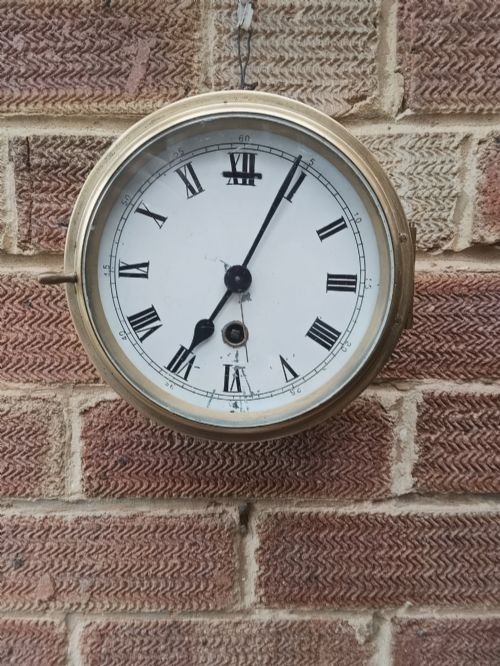
Listings feature brass clockwork spanning the nineteenth century through the mid twentieth century, including French and British carriage clocks, barographs, and fusee wall clocks.
What varies in quality
The sophistication of the internal movement dictates much of the distinction between standard and superior pieces. Complex quarter striking mechanisms, platform escapements, and signed movements by known makers elevate the standard of manufacture.
The quality of the housing and exterior detailing reflects the original tier of production. Heavy cast brass corniche cases, finely bevelled glass panels, and crisp hand-engraving separate standard production models from exceptional examples.
Lenzkirch·Goldsmiths Alliance Ltd·Russell Norwich·Friedrich Adler for Osiris·Short and Mason·Karl Griesbaum·Rudge Swindon·Piggin Norwich·Negretti and Zambra·James Grohe·Japy Freres·Richard Freres
The Vintage Brass Clockwork Glossary
- Fusee
- A conical pulley used in clockwork to maintain even tension on the gear train as the mainspring unwinds. This mechanism ensures more accurate timekeeping throughout the duration of the wind.
- Carriage clock
- A small, portable spring-driven timepiece designed for travelling during the nineteenth century. These clocks typically feature a rectangular brass case with glass panels and a swing handle.
- Barograph
- A mechanical meteorological instrument that records barometric pressure continuously onto a paper chart. The device uses brass aneroid chambers linked to a pen arm driven by clockwork.
- Escapement
- The internal mechanism that controls the release of power from the mainspring to the gear train. It gives the characteristic ticking sound to mechanical clocks.
- Corniche case
- A distinct rectangular brass carriage clock housing with pillared corners and flat top and bottom mouldings. This style is frequently seen on nineteenth century French examples.
Vintage Brass Clockwork: Frequently Asked Questions
How do I wind a vintage carriage clock?
Most carriage clocks use a dedicated winding key inserted into an arbor on the backplate. Turn the key gently until resistance indicates the mainspring is fully tensioned.
Avoid over winding the mechanism, as this can strain the internal spring. Check whether the clock requires winding from the front or rear dial plate before proceeding.
What is the difference between a mantel clock and a bracket clock?
Mantel clocks are designed to sit directly on a fireplace mantel or shelf, usually featuring decorative wooden, metal, or ceramic cases. Bracket clocks historically sat upon a matching wall bracket, though many now rest on tables.
Bracket clocks often house higher grade fusee movements. Mantel clocks more commonly utilise standard French or German spring-driven movements.
How do barographs record weather changes?
A barograph uses sealed metal bellows that expand or contract with shifting atmospheric pressure. A mechanical arm connected to these chambers tracks the movement onto a rotating drum driven by clockwork.
Paper charts wrapped around the drum capture pressure trends over the course of a week. The brass clockwork mechanism inside the drum maintains the steady rotation required for accurate recording.
How should I care for brass clockwork mechanisms?
Keep mechanical timepieces in a stable environment away from direct sunlight, excessive moisture, and rapid temperature fluctuations. Dust the exterior brass surfaces lightly with a dry microfibre cloth.
Internal clockwork requires periodic cleaning and lubrication by a professional horologist. Avoid applying domestic metal polish directly onto engraved brass dials or delicate gilt surfaces.