

Vintage Brass Chain
These vintage brass chain pieces connect heavy timepieces, interior lighting, and domestic hardware through sturdy metal links.
Vintage Brass Chain
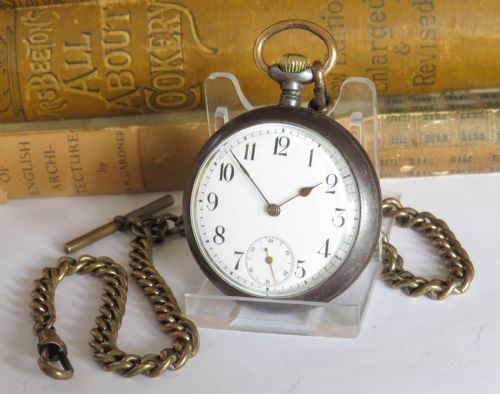
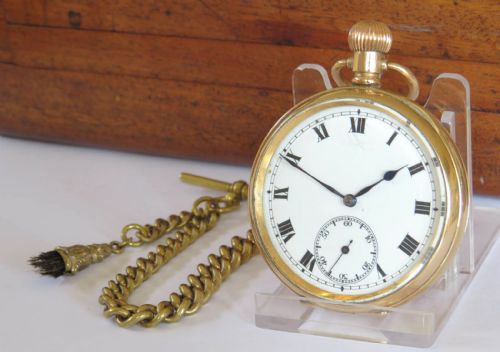
When you search for vintage brass chain, you encounter a varied selection of functional items where metal links play a central role in suspension, timing, or security. The selection spans the nineteenth century through the nineteen-forties, capturing domestic and personal accessories from the Victorian, Edwardian, and Art Deco eras.
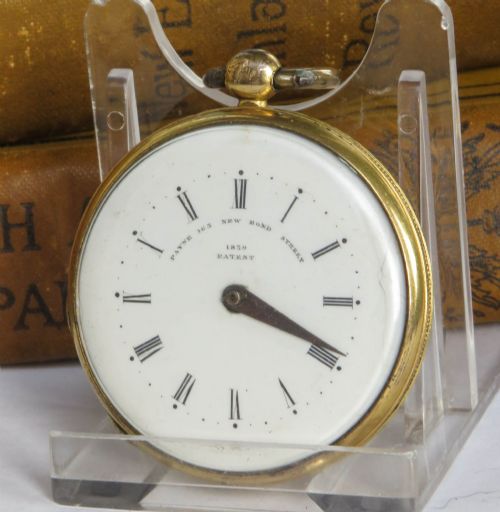
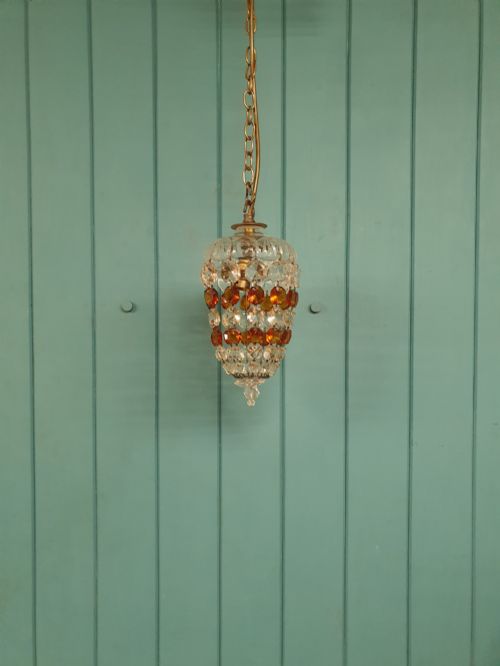
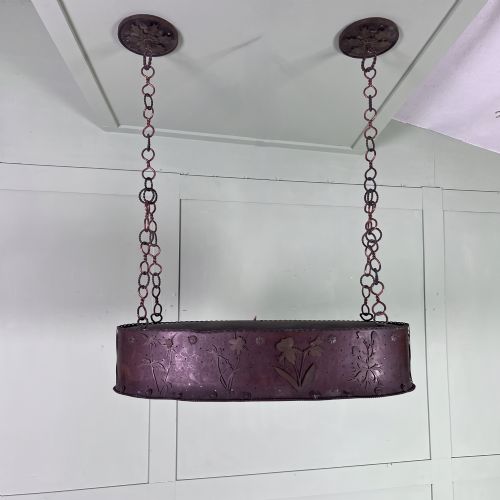
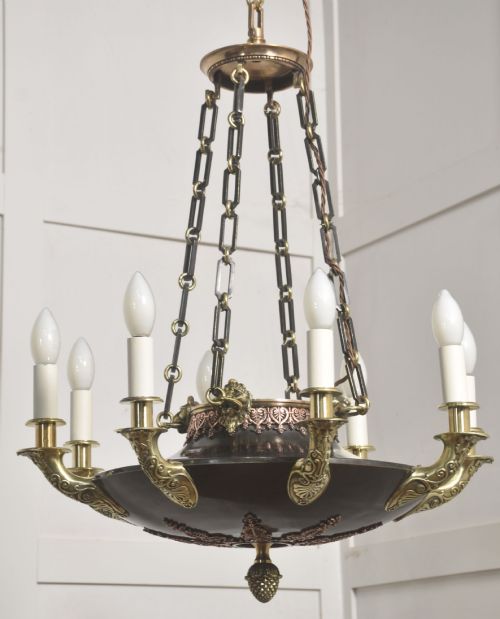
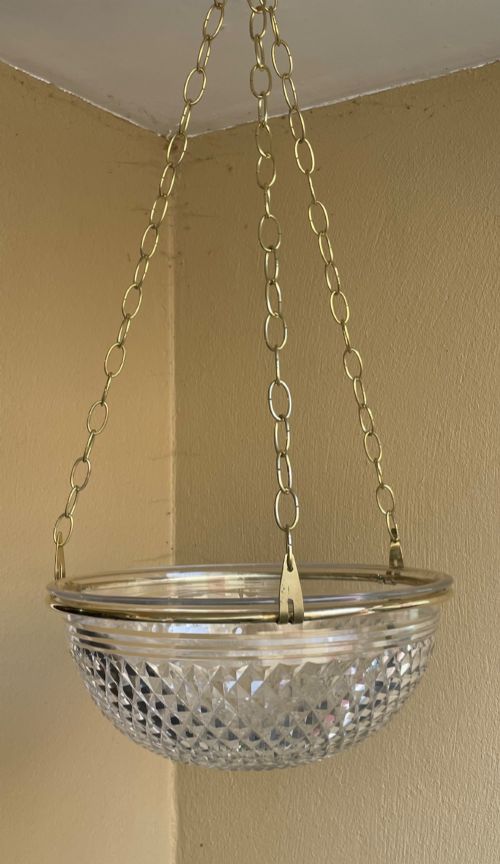
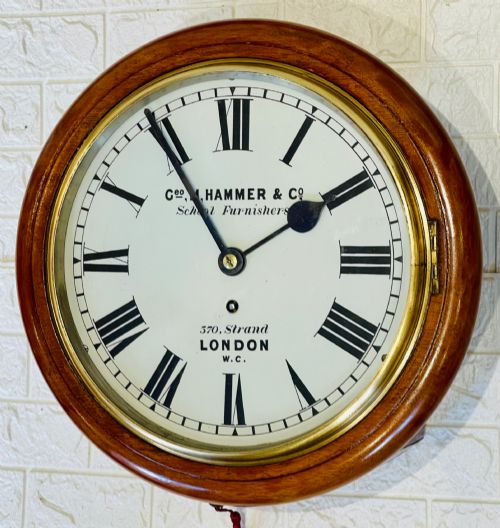
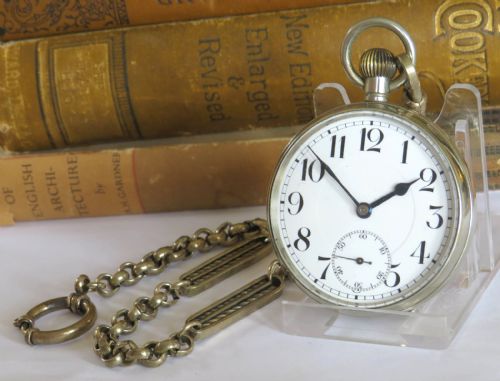
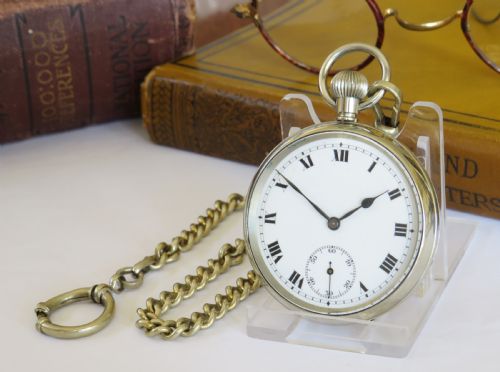
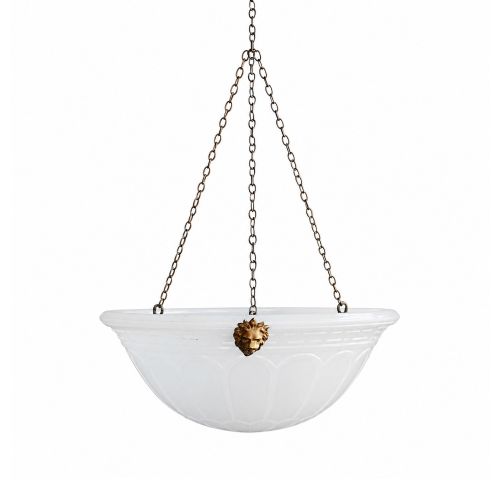
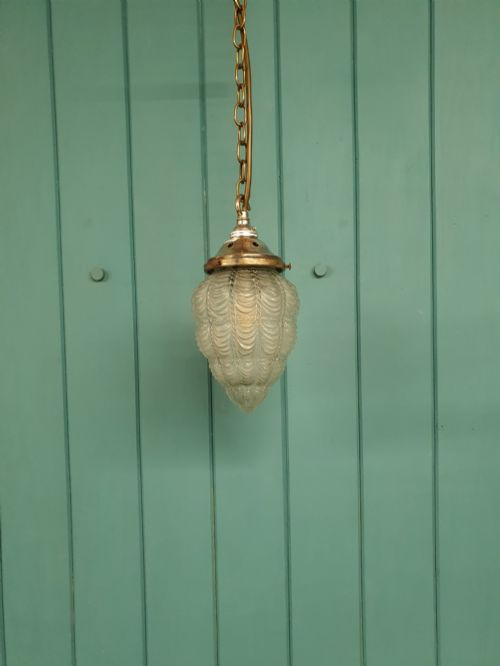
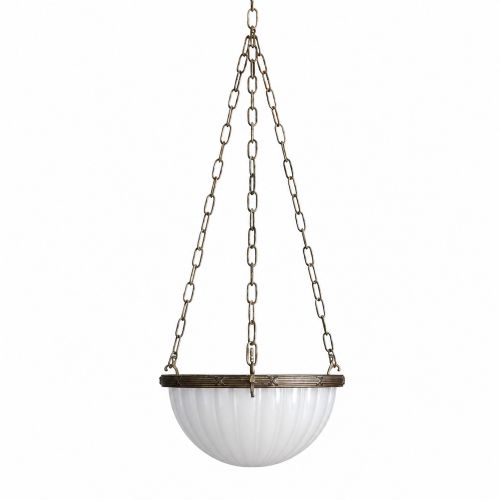
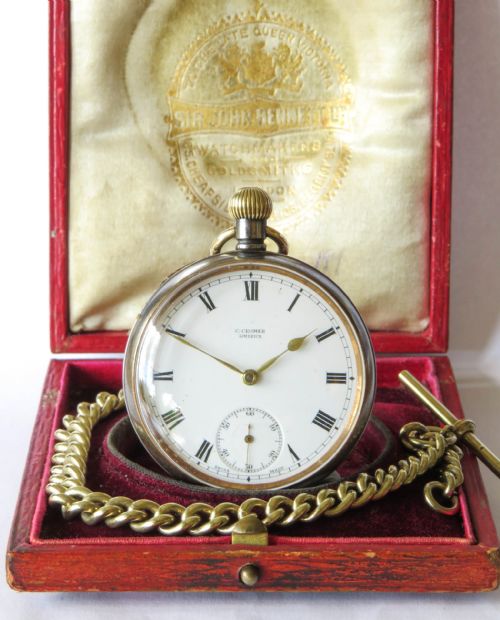
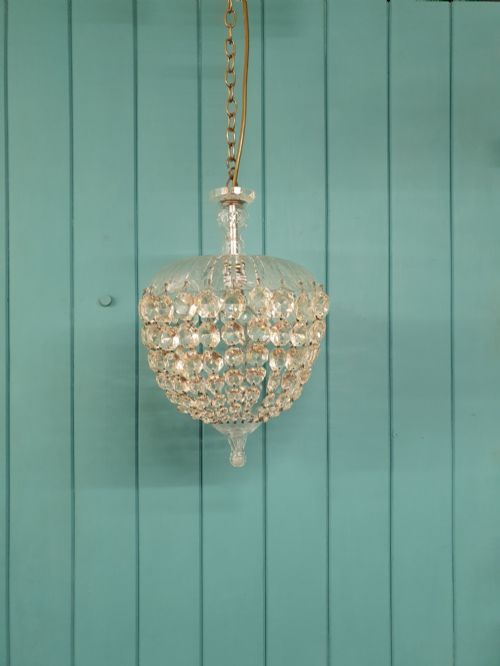
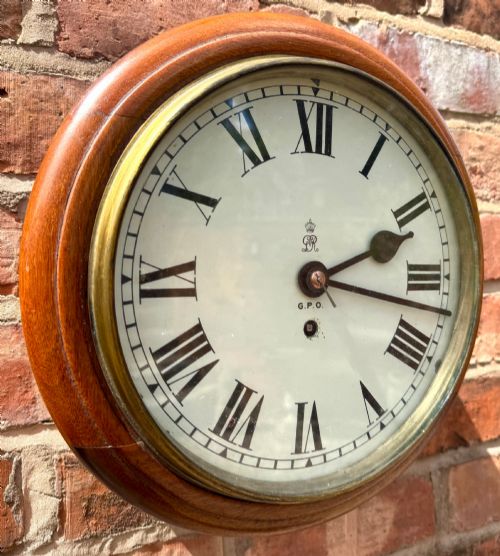
Pocket watches with matching chains and ceiling lights suspended from metal cord dominate the offerings on this page. Alongside these, you find wall clocks, mantel clocks, and wall mirrors utilising linked brass elements for hanging or mechanical operation.
Materials and construction methods
Brass provides the primary metallic structure for suspension chains, wall mirrors, and clock bezels, often paired with copper, steel, or gilt bronze. Glass elements such as cut crystal, opaline, and holophane shades accompany these metal components in pendant lights and ceiling fixtures.
Timepieces utilise intricate chain-fusee movements where delicate brass chains regulate the mainspring tension for accurate timekeeping. Wood housings in oak and mahogany, alongside leather accessories like alligator skin bags, complete the construction spectrum.
Vintage Brass Chain Retail Price Guide 2026
Typical asking prices for vintage brass chain among the pieces listed under this phrase on Sellingantiques today, from the lower quarter to the upper quarter. They describe what is for sale here now, not the wider market.
Object forms include pendant lights, pocket watches, wall clocks, mantel clocks, and wall mirrors.
Distinctions in quality
The sophistication of the mechanism and the integrity of the metalwork separate standard utility items from superior examples. Fusee clock movements and signed pocket watch chains display higher precision engineering compared to simple domestic door chains.
The integration of secondary materials such as hand-cut crystal, opaline glass, or detailed bronze castings elevates the visual weight of lighting and horological pieces.
Omega·Octava·Helvetia·Payne London·De Grave And Co
The Vintage Brass Chain Glossary
- Chain-fusee
- A mechanical system utilising a small chain wrapped around a cone-shaped pulley to equalise the power of the mainspring as it winds down. This mechanism ensures consistent timekeeping in high-grade clocks.
- Plafonnier
- A bowl-shaped ceiling light fixture mounted flush or close to the ceiling. These shades are frequently formed from frosted, painted, or moulded glass.
- Holophane
- A brand of prismatic glass designed to direct and diffuse light efficiently. These shades appear commonly on early twentieth-century pendant lights.
- Albert
- A type of watch chain attached to a pocket watch, named after Prince Albert. It typically spans a waistcoat from buttonhole to pocket.
Vintage Brass Chain: Frequently Asked Questions
What is a fusee chain?
A fusee chain is a miniature metal chain inside a clock movement that links the spring barrel to the fusee cone. It transmits power evenly to the escapement as the clock runs.
This system ensures the timepiece maintains steady accuracy throughout its running cycle between windings.
How do I hang a vintage pendant light?
Vintage pendant lights hang from their original brass chains and ceiling roses, which require secure attachment to ceiling joists. Professional electrical installation ensures the vintage wiring safely supports the weight of the glass and metal fixture.
Adjusting the chain length allows you to position the shade at the correct height above a table or floor.
Are pocket watch chains interchangeable?
Pocket watch chains feature standard spring rings or dog clips that attach easily to the bow of any compatible watch. You can mix nineteenth-century and twentieth-century chains with different timepieces provided the scale matches.
Ensure the weight of the chain suits the size of the watch to maintain a balanced look.
How do I date a brass chain?
Dating a brass chain involves examining the link construction, colour of the metal alloy, and accompanying objects like pocket watches or clock movements. Victorian and Edwardian examples often show hand-finishing and distinct patination compared to later mid-century pieces.
Maker marks stamped onto associated clasps or clock cases provide precise chronological reference points.