

Vintage Brass Ceiling Shade
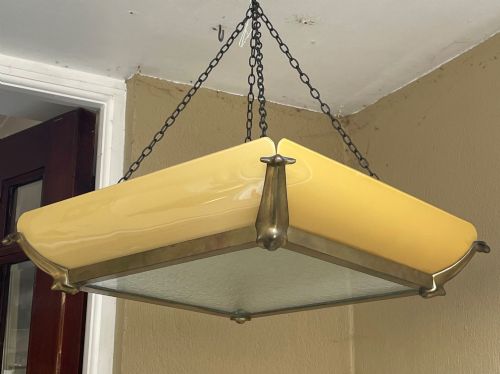
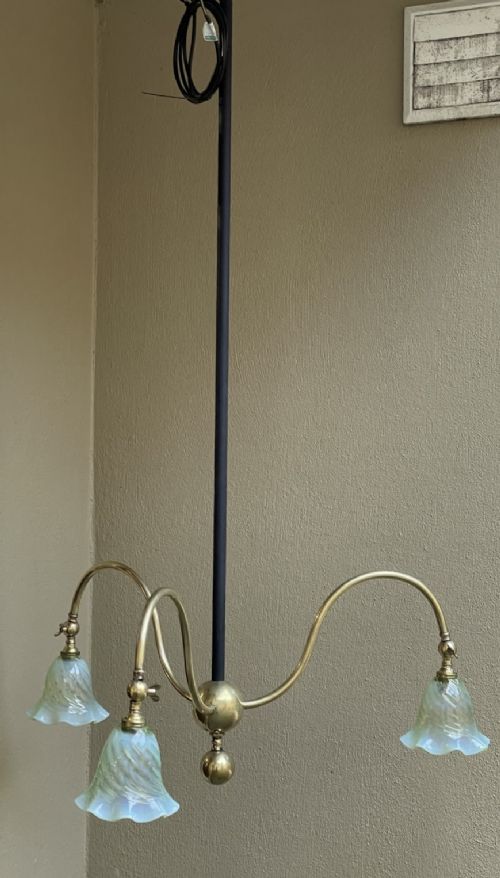
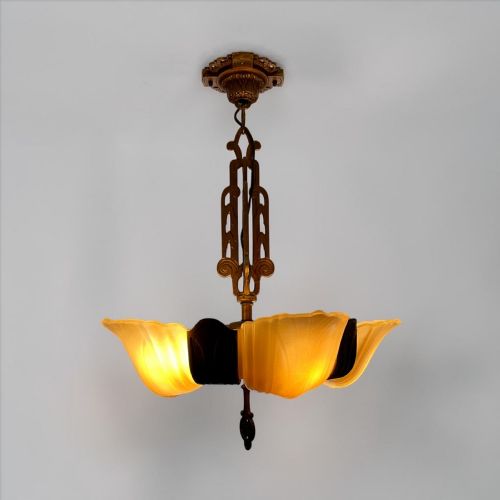
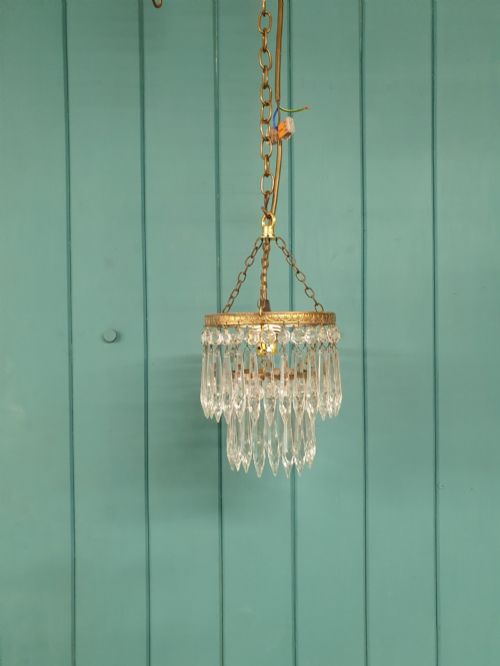
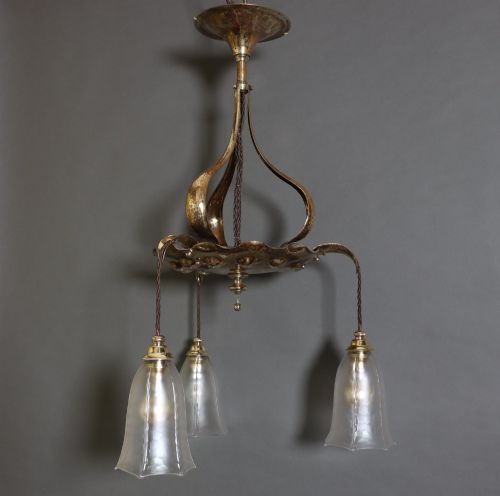
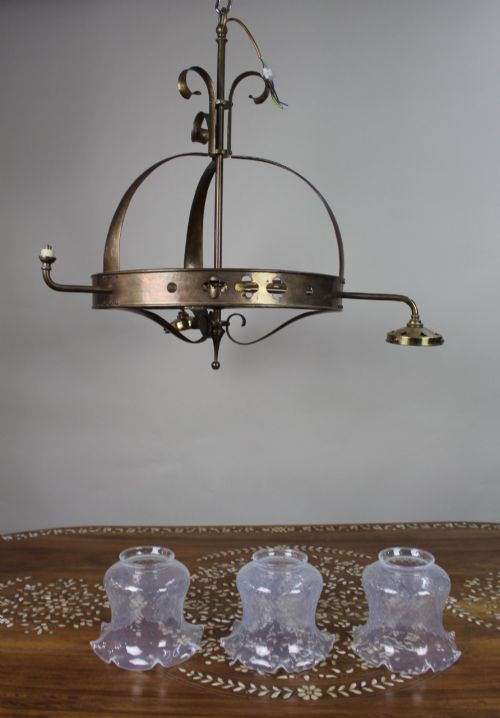
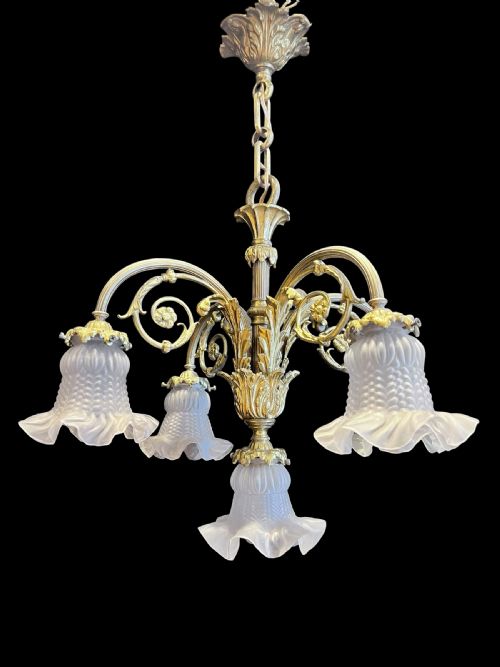
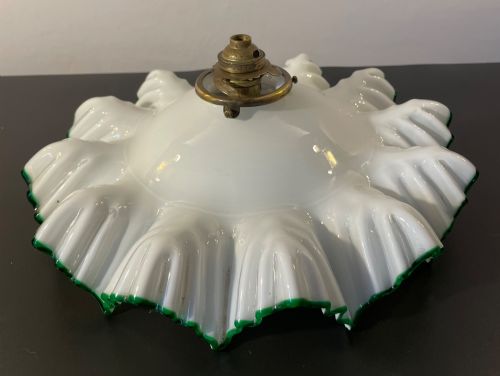
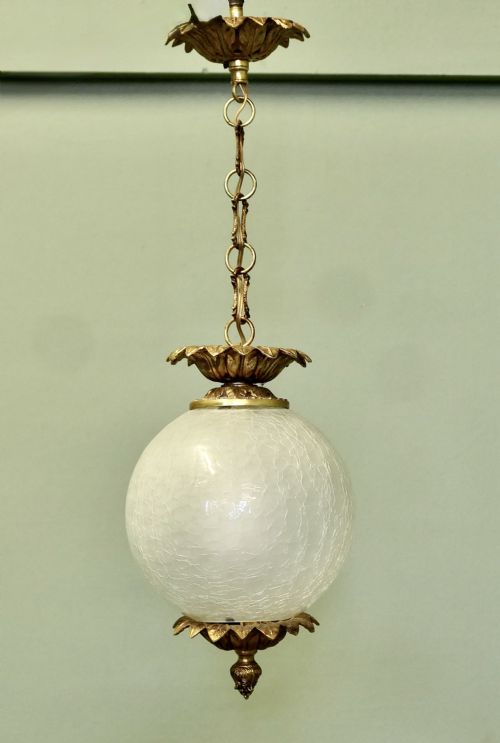
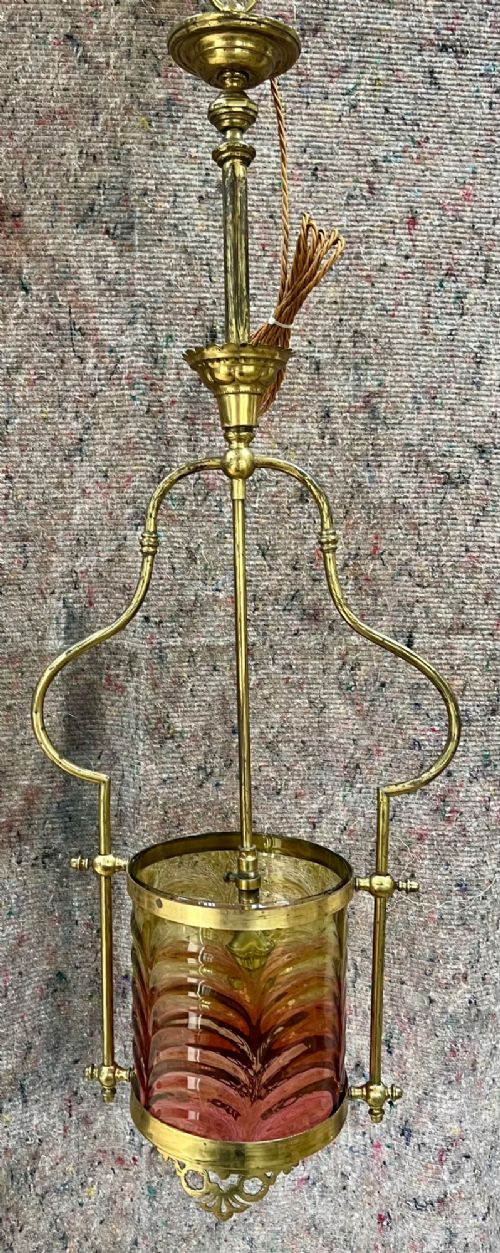
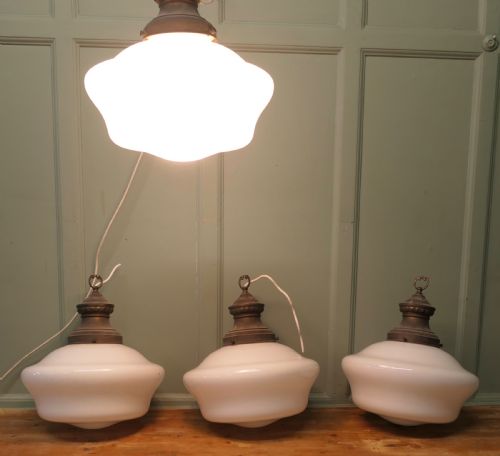
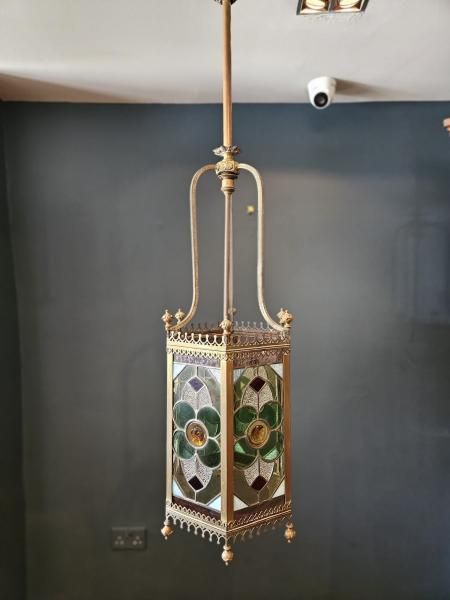
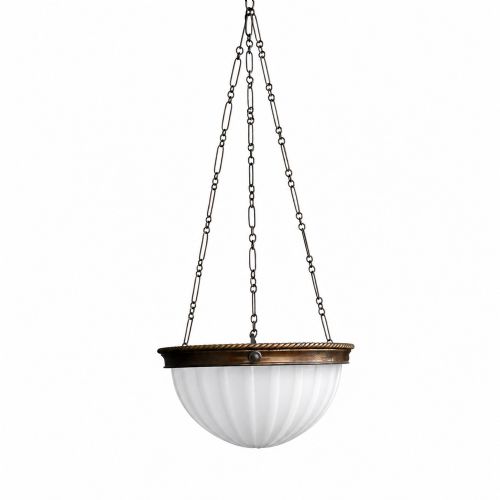
These vintage brass ceiling shade fixtures bring genuine period character to a room, combining warm metallic work with textured glass.
Vintage Brass Ceiling Shade
A vintage brass ceiling shade covers a broad span of interior lighting from pendant lights and chandeliers to smaller lampshades and hanging lanterns. These fixtures bridge functional room illumination and decorative design through varied forms.
The pieces appearing here stem from the Victorian and Edwardian eras alongside the 1910s, 1920s, 1930s, and 1940s. Styles range from industrial utility and Art Deco geometry to Arts and Crafts simplicity and French country elegance.
The most frequent examples combine a brass metal structure with glass components, whether configured as simple single pendants or multi-arm chandeliers. Buyers find both domestic household fittings and specialised railway or nautical designs.
Materials and construction methods
Makers built these fixtures primarily using brass and copper metals for the structural frames, galleries, and suspension arms. These metals were shaped, cast, or spun to support the weight of the glass elements suspended beneath.
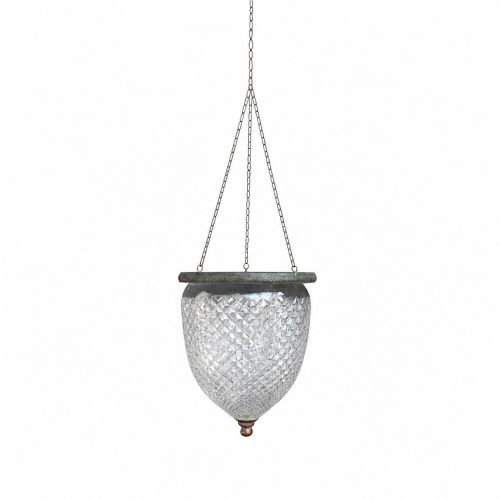
Glass represents the second core material, appearing in forms such as cut glass, crystal, opaline, frosted glass, and leaded stained glass. Techniques included mould-blowing for globes and slip shades, hand-cutting for crystal domes, and leaded assembly for lanterns.
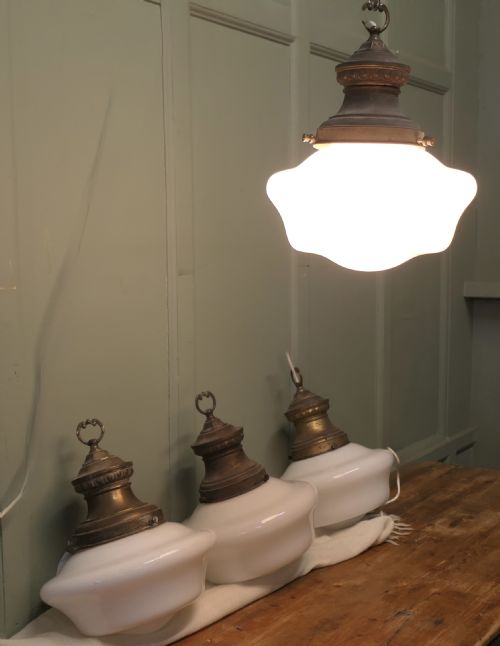
Listings span eight distinct periods from the Victorian era through the 1940s, uniting industrial utilitarian fittings with domestic Art Deco opaline glass pendants.
Assessing quality in period lighting
Quality rests in the weight and thickness of the brass components and the precision of the metal castings. Heavier gauge brass and crisper detailing in leaf designs or decorative arms distinguish superior production from lighter commercial output.
The integrity and finish of the glass shade heavily influence the overall standard of a piece. Hand-cut crystal, uniform opaline milk glass, and complex leaded panels demonstrate superior craft compared to standard pressed glass alternatives.
The Vintage Brass Ceiling Shade Glossary
- Opaline glass
- A milky, semi-translucent glass developed to diffuse light softly without harsh glare. It appears frequently in 1920s and 1930s pendants.
- Plafonnier
- A shallow ceiling-mounted light fixture designed to sit close to the plaster rather than hang on a long suspension chain. These often feature dome-shaped glass.
- Rise and fall
- A mechanical counterweight system allowing the pendant height to be adjusted up and down manually. This mechanism was popular in Edwardian interiors.
- Slip shade
- A moulded piece of glass that slots directly into a metal frame or basket to form a bowl light. This technique defines many Art Deco American fixtures.
- Gasolier
- A multi-arm hanging light originally designed to burn coal gas before later conversion to electricity. Surviving examples retain early brass stopcocks or burner keys.
Vintage Brass Ceiling Shade: Frequently Asked Questions
How do I hang a heavy brass chandelier?
Heavy period chandeliers require direct attachment to a ceiling joist or a heavy-duty steel mounting box recessed behind the plaster. The weight of brass and glass combinations demands secure weight-bearing hardware rather than standard plastic electrical boxes.
Professional electrical installation ensures the internal wiring safely handles the fixture's demands while supporting the full hanging weight securely.
Can these old lights use modern bulbs?
Most vintage fittings accept modern LED or standard screw and bayonet bulbs provided the physical dimensions fit inside the shade enclosure. Checking the internal fitter size of the brass gallery ensures the bulb and shade clear each other properly.
Lower-wattage LED bulbs also protect delicate antique opaline and painted glass from excessive heat buildup during extended use.
How do I clean delicate glass shades?
Remove the glass shade from the brass frame whenever possible and wash it gently in warm water with mild soap. Avoid harsh chemical cleaners that can strip original painted decoration or vintage surface patinas.
Dry the glass thoroughly with a soft cloth before reattaching it to the brass fitting to prevent water spots from forming.
What is the difference between Victorian and Art Deco styles?
Victorian lighting tends to feature ornate brass casting, leaf motifs, and heavy cut or opalescent glass intended to project rich domestic comfort. These pieces often carry darker patinas and elaborate structural arms.
Art Deco lighting shifts toward geometric symmetry, streamlined opaline globes, and machine-influenced industrial forms that prioritize clean architectural lines over decorative flourishes.