





Vintage Brass Casket
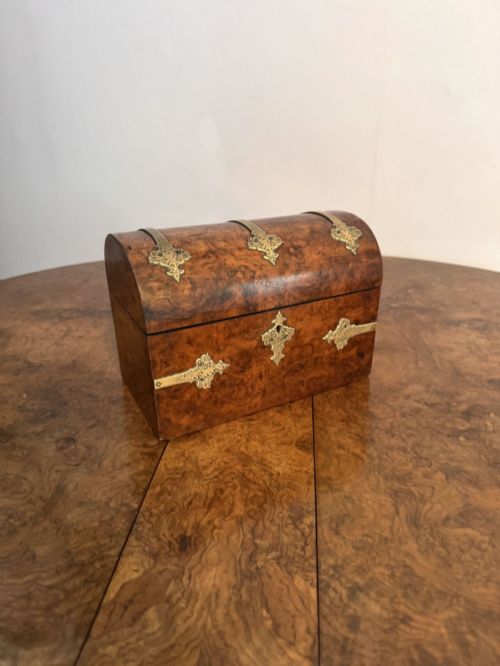
A vintage brass casket brings weight and history to a dressing table, housing trinkets and documents inside gleaming metal and timber frames.
Vintage Brass Casket
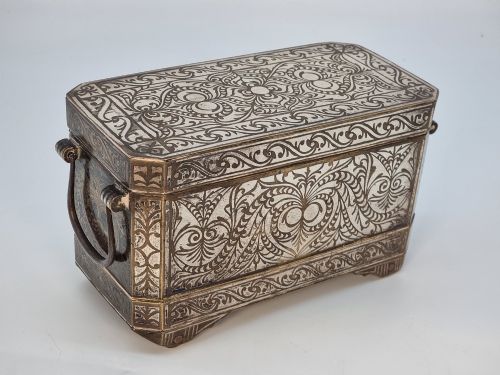
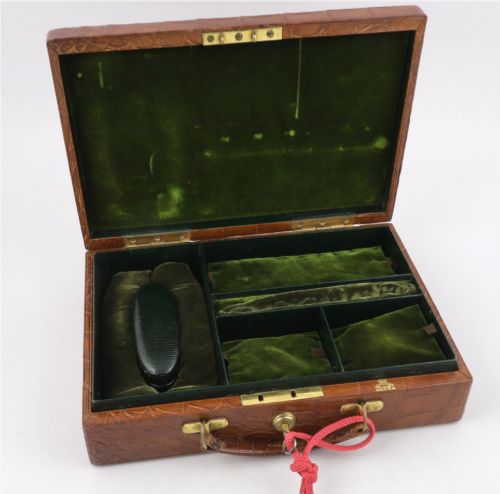
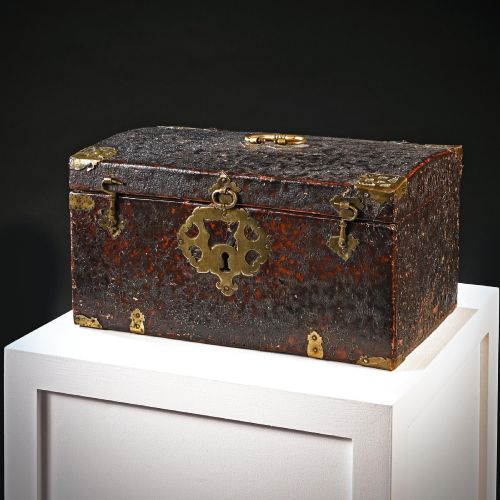
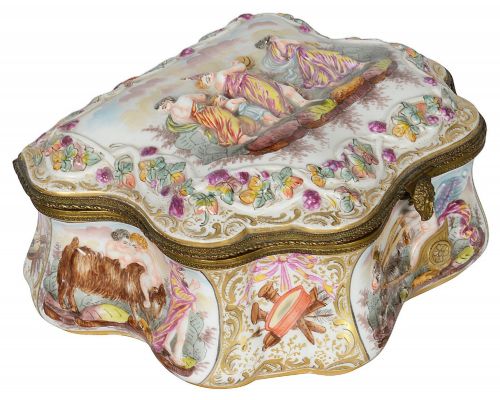
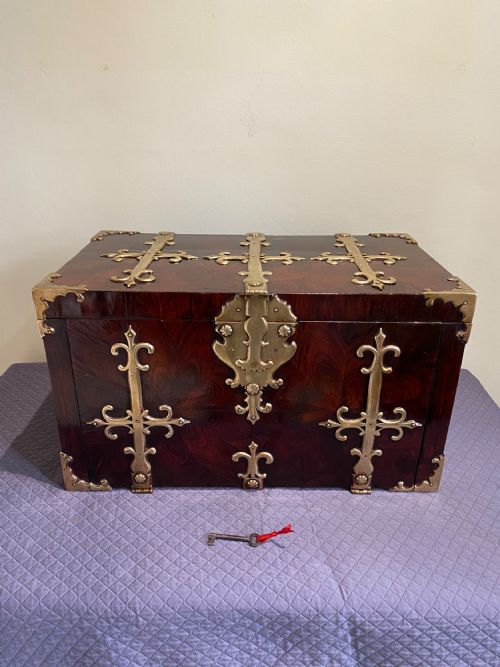
When buyers search for a vintage brass casket, they encounter a diverse array of decorative boxes, jewellery chests, and stationery containers dating from the seventeenth century through to the Edwardian era. These pieces combine robust timber carcases with brass mounts, strapwork, and hinges, serving both practical storage and display functions.
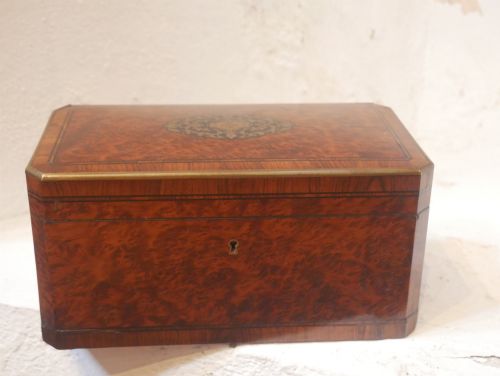
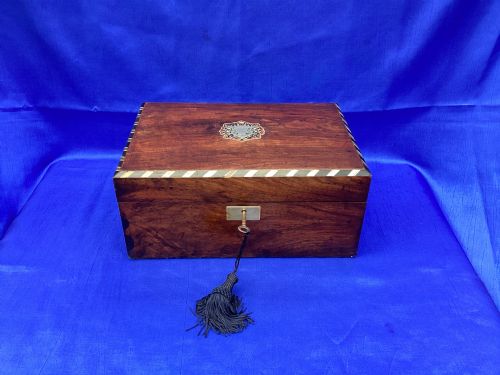
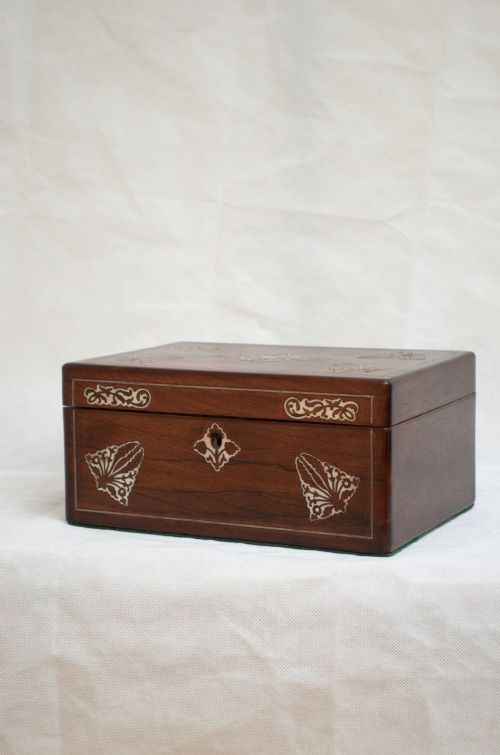
The most common examples on this page hail from the Victorian nineteenth-century period, often formed from mahogany, rosewood, or walnut and strengthened with heavy brass corners and escutcheons. Alongside these English household boxes, French ormolu and amboyna trinket caskets appear frequently, alongside campaign boxes and campaign-style containers.
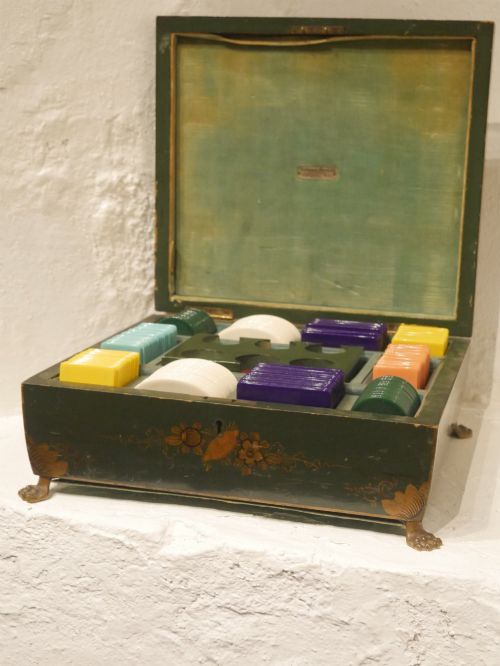
The selection ranges widely in form, encompassing tea caddies, correspondence post boxes, and fitted vanity boxes lined with velvet or leather. Each variant reflects the domestic habits of past centuries, when personal valuables, letters, and jewellery required secure and ornate containment.
How they were made
Cabinet makers constructed the foundational carcases of these boxes using dense hardwoods such as oak, walnut, mahogany, and rosewood, sometimes applying decorative veneers like satinwood, amboyna, or burr birch. Joinery techniques relied on precision dovetailing to ensure structural durability, allowing the timber to withstand heavy metal fittings.
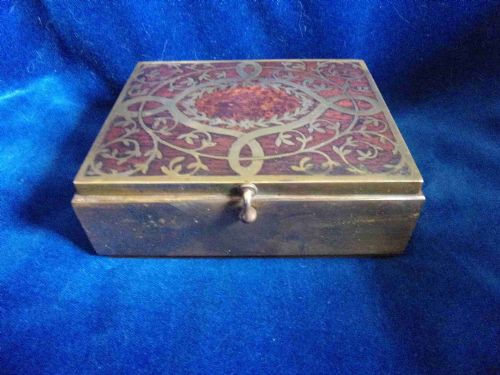
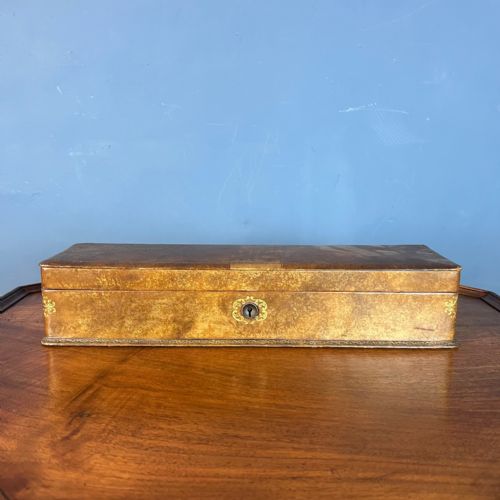
Brass elements were cast, chased, or worked in repoussé, then secured to the wood using slotted brass screws or pins. Many examples feature brass inlay or strapwork running flush across the lid and sides, whilst interiors incorporate fitted trays, silk linings, or tooled leather inserts.
Vintage Brass Casket Retail Price Guide 2026
Typical asking prices for vintage brass casket among the pieces listed under this phrase on Sellingantiques today, from the lower quarter to the upper quarter. They describe what is for sale here now, not the wider market.
Listings feature vintage brass casket forms spanning the seventeenth century through to the Edwardian era, incorporating oak, rosewood, and leather.
What varies in quality
The standard of craftsmanship is largely determined by the precision of the brass work and the quality of the timber selection. Superior pieces display crisp casting and chasing on mounts, flush joinery on box corners, and well-fitted internal trays that operate smoothly without binding.
Subtleties in interior appointments distinguish finer examples from standard production, such as original velvet linings, intact compartments, and working locks with matching keys. The depth of the wood grain and the complexity of any brass inlay or bone veneer further separate standard utility boxes from high-status presentation pieces.
Tahan·Erhard and Sohne·J C Vickery
The Vintage Brass Casket Glossary
- Escutcheon
- A protective plate surrounding a keyhole, frequently cast in brass on these boxes. It prevents the timber around the lock from splitting during daily use.
- Ormolu
- Gilded bronze used widely for decorative mounts on French boxes. The technique involves applying a mercury and gold amalgam to bronze.
- Campaign box
- A portable container designed for travel, featuring recessed brass handles and reinforced corners. These boxes were built to withstand the rigours of military transport.
- Repoussé
- A metalworking method where thin metal is hammered from the reverse side to create a raised design. This technique appears on Arts and Crafts metal boxes.
- Caddy
- A small container originally intended for storing loose tea leaves. They often feature internal compartments and secure locks.
Vintage Brass Casket: Frequently Asked Questions
What were brass caskets used for?
These boxes served multiple domestic purposes, primarily holding valuable jewellery, personal letters, sewing implements, or writing accessories. Wealthy households kept them on desks or dressing tables as secure repositories for daily essentials.
Larger variants functioned as presentation boxes, tea caddies, or travel cases for officers and diplomats. Their robust construction allowed owners to transport fragile items safely across long distances.
How do I date a brass box?
Dating relies on combining the timber species, the style of the brass mounts, and the construction of the lock and hinges. Georgian pieces often show simpler mahogany carcases with understated brass handles, whereas Victorian and Edwardian examples display heavier cast mounts and exotic veneers.
Interior materials provide further clues, as velvet linings, silk trimmings, and paper labels inside the lid shift in style across decades. Comparing the overall form to dated pieces helps narrow the decade of manufacture.
Are these boxes waterproof?
Most antique boxes are not waterproof, as timber expands and contracts with humidity changes and lids lack modern rubber seals. Their brass mounts and hinges reinforce the wood structure rather than seal the interior against moisture.
Protecting the contents requires keeping the boxes in stable indoor environments away from direct sunlight and damp conditions. Leather and velvet interiors are particularly sensitive to moisture.
How should I clean a brass casket?
Cleaning requires a soft, dry cloth to remove dust from both the timber and the metal mounts. Avoid harsh chemical polishes that can strip the aged patina from the brass or damage vulnerable wood veneers.
For the timber surface, occasional application of appropriate furniture wax helps nourish the grain without leaving a sticky residue. Gentle care preserves the historical surface wear that collectors value.