




Vintage Brass Birdcage
A vintage brass birdcage brings unmistakable botanical charm and airy architectural presence into a room.
Vintage Brass Birdcage
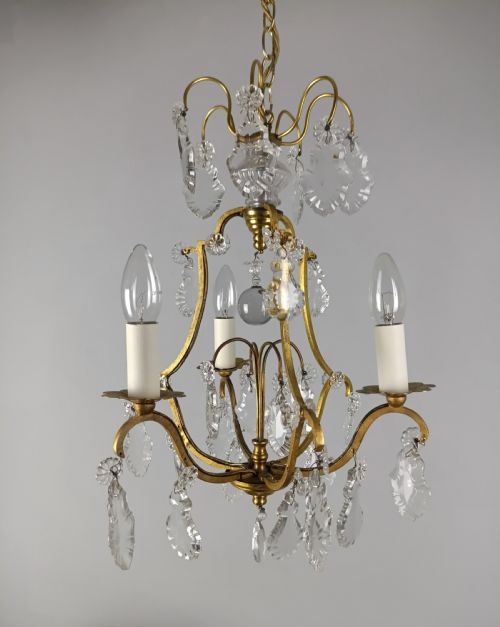
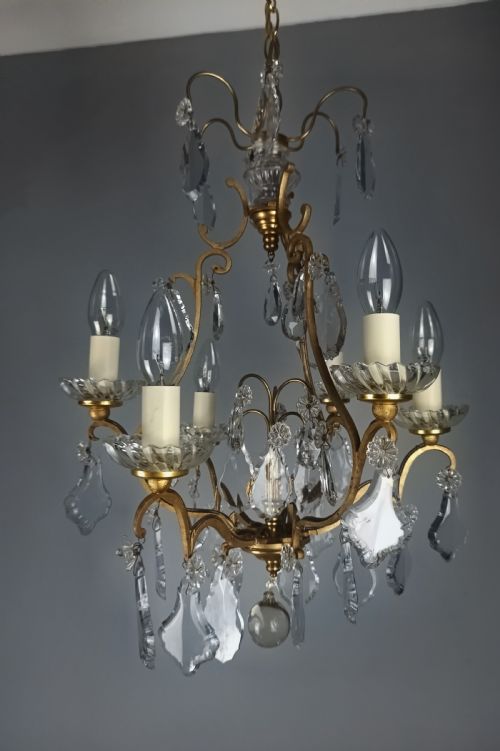
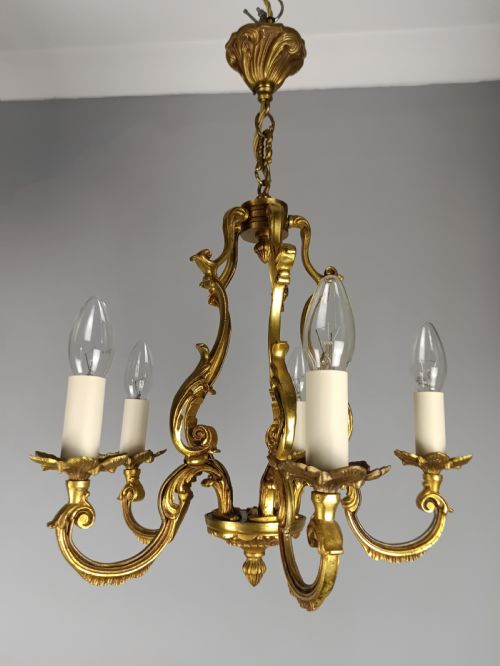
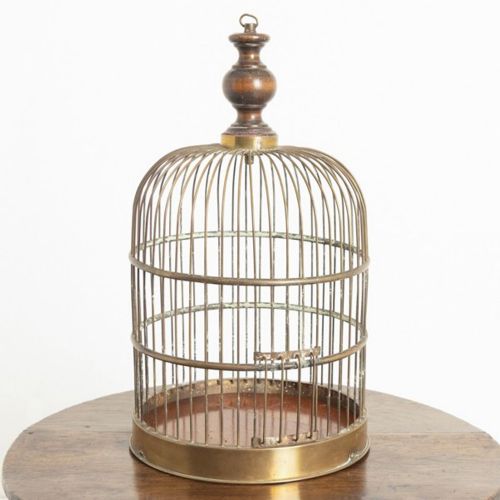
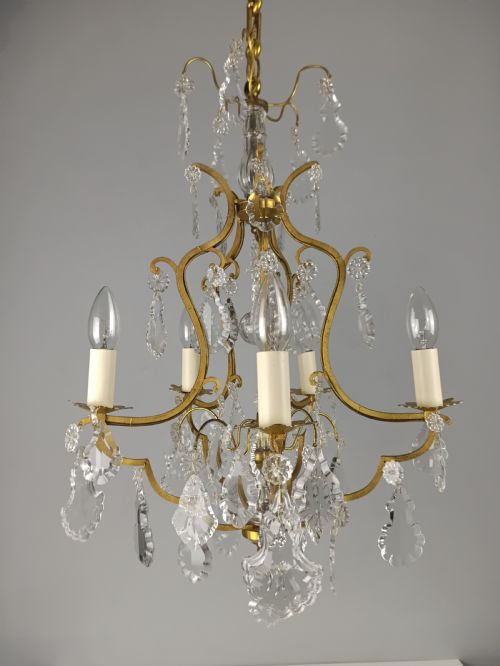
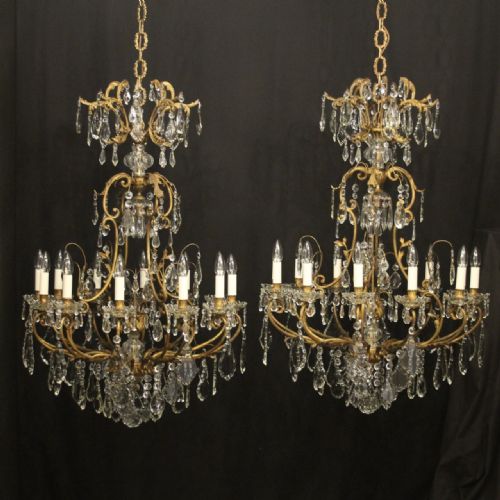
When you search for a vintage brass birdcage, you encounter a fascinating intersection of decorative metalwork, lighting fixtures, and novelty automata spanning the late nineteenth century to the mid-twentieth century. The selection ranges from functional wire cages in brass and copper to elaborate French chateau and rococo revival chandeliers structured around birdcage frames.
The most common interpretations on this page divide neatly between actual decorative cages and architectural multi-light chandeliers embellished with crystal drops. Many pieces date from the early decades of the twentieth century, particularly the nineteen-twenties and nineteen-thirties, alongside late nineteenth-century Victorian and Art Nouveau examples.
Materials and construction methods
Construction relies heavily on brass, gilt bronze, and gilt metal, often combined with glass, crystal drops, and occasional copper or wrought iron elements. Metal wires are soldered or riveted to solid frames, creating the characteristic domed or domed-top silhouettes.
Lighting variants incorporate internal wiring and candle-style sockets nestled inside the metal framework, while decorative cages utilise spun or cast brass components to achieve their substantial rounded forms.
One exceptional mid-century German piece encloses a mechanical singing bird within its cage, preserving the surprise of movement.
Judging quality in brass birdcage design
Quality reveals itself in the weight and gauge of the brass, the intricacy of cast brass mounts, and the integration of crystal elements in chandelier formats. Substantial metalwork and crisp detailing distinguish finer decorative objects from simpler utility pieces.
The density and clarity of crystal drops, the warmth of the gilt finish, and the structural integrity of the soldered wirework separate exceptional twentieth-century design from standard production.
John Spershott of Tetchfield·Karl Griesbaum
The Vintage Brass Birdcage Glossary
- Birdcage chandelier
- A lighting fixture styled with a metal frame resembling a birdcage, frequently hung with crystal prisms and multiple candle arms. They became particularly popular in French interior design traditions.
- Gilt bronze
- Bronze that has been treated with a thin layer of gold or gold-coloured wash to give a rich, reflective surface. It provides lasting lustre without heavy tarnish.
- Automaton
- A self-operating mechanical device, such as a singing bird enclosed within a cage. These mechanisms rely on intricate clockwork springs and bellows.
- Lantern clock
- An early brass weight-driven or spring-driven clock featuring an open bell at the top and pierced fretwork. Examples range from seventeenth-century English work to later nineteenth-century interpretations.
Vintage Brass Birdcage: Frequently Asked Questions
What periods do these pieces come from?
The pieces span several centuries, with the earliest historical examples representing seventeenth-century English clockmaking traditions. The vast majority of brass birdcages and associated chandeliers originate from the late nineteenth century through to the nineteen-fifties.
Victorian, Edwardian, and mid-century aesthetics are well represented, particularly French styles from the nineteen-twenties and nineteen-thirties.
How were birdcage chandeliers used?
These fixtures served primarily as grand interior lighting centerpieces in prominent rooms, combining the airy aesthetic of a birdcage with multi-light illumination. The addition of crystal drops maximised the reflection of candlelight or early electric bulbs.
They were designed to draw the eye upward and add a distinct architectural element to high-ceilinged spaces.
Are all these items actual cages?
No, the category encompasses both genuine decorative birdcages meant for display and elaborate multi-light chandeliers that utilise a birdcage silhouette. You will also find mechanical novelties like singing bird automata housed in enclosures.
Each object uses wirework and brass construction to evoke the classic cage form in different ways.
What metals are typically used?
Brass is the predominant metal, often paired with copper, wrought iron, or gilt bronze depending on the specific period and regional style. Gilt metal and crystal components frequently appear on French revival lighting.
Substantial gauge brass provides the structural skeleton for both heavy chandeliers and large decorative parrot cages.