




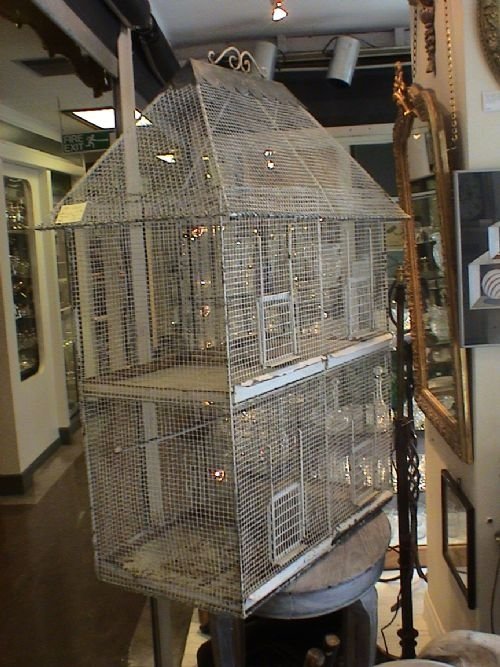
Decorative Metal Birdcage
These decorative metal birdcage designs bring sculptural presence to a room, offering an atmospheric focal point built from wire and brass.
Decorative Metal Birdcage
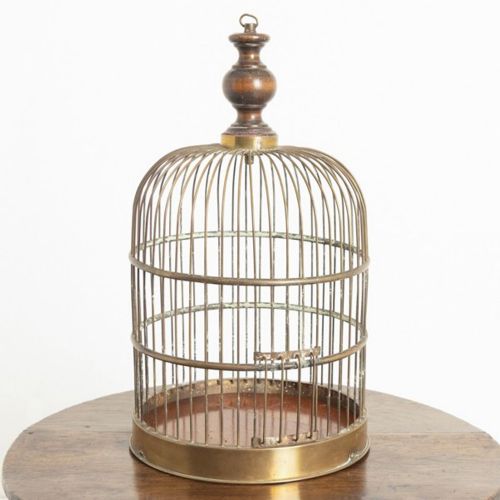
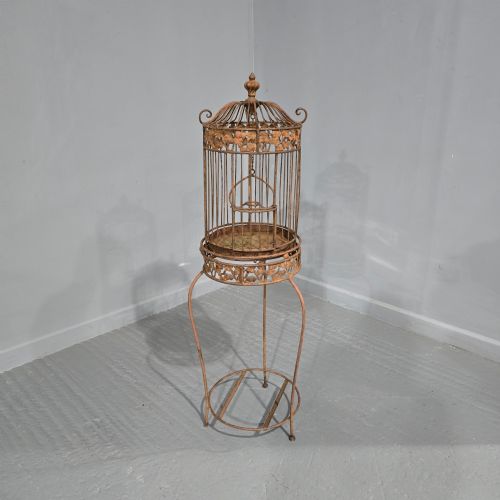
A decorative metal birdcage sits as a sculptural object within a room, drawing the eye through intricate structural framing. When searching for a decorative metal birdcage, buyers encounter forms ranging from compact hanging brass cylinders to substantial floor-standing pieces on cast iron bases.
The selections available span periods from the late nineteenth century through the early twentieth century, taking stylistic cues from Victorian, Edwardian, and Art Nouveau design. French provincial and country house aesthetics also emerge strongly across these domestic ornaments.
Makers utilised various metals including brass, copper, zinc, and cast iron, often combining wire mesh with robust structural frames. These items primarily served ornamental purposes rather than practical housing for live birds, prioritising visual grace over utility.
Construction and materials
Makers constructed these cages using structural metals like brass, iron, and zinc, shaping wire mesh and sheet metal into architectural enclosures. Copper elements sometimes appear alongside brass frameworks to introduce tonal contrast within the metalwork.
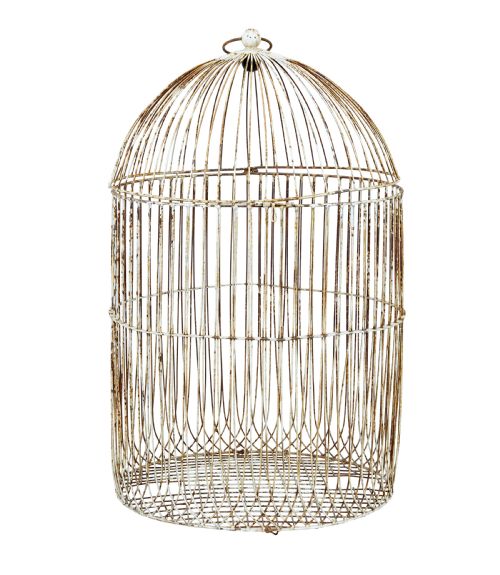
Cast iron provides heavy foundational support for pieces designed to stand independently on dedicated metal bases. Wire frames are soldered or woven with precision, creating domed tops, cylindrical bodies, and geometric panels typical of the period.
Listings feature items spanning the nineteenth century up to nineteen thirty, constructed from brass, wrought iron, and zinc.
Assessing quality and craftsmanship
Quality rests upon the structural integrity of the wirework and the weight of the primary metal used in the frame. Substantial brass constructions and heavy cast iron bases demonstrate superior manufacturing standards compared to lighter, purely decorative wire assemblies.
The refinement of decorative detailing, such as curved archways and integrated hanging loops, distinguishes finer examples. Patina accumulated across brass and copper surfaces over decades adds depth that machine-finished modern reproductions lack.
The Decorative Metal Birdcage Glossary
- Patina
- The natural surface alteration and oxidation that develops on metals over decades of exposure to air and handling. This thin layer provides a visual indicator of age and authenticity.
- Wire Mesh
- A flexible network of crossed or twisted metal wires forming the enclosing walls of the cage. It creates transparency while maintaining a rigid boundary.
- Cast Iron
- An iron-carbon alloy poured into a mould to form complex shapes and heavy bases. It offers exceptional rigidity for floor-standing structural elements.
- Art Nouveau
- A decorative style prevalent around eighteen ninety characterised by flowing, organic lines and plant-inspired asymmetry. It heavily influences the scrollwork on certain hanging cages.
Decorative Metal Birdcage: Frequently Asked Questions
Where do these birdcages work best in a room?
These pieces suit positions near windows or corners where light can pass through the wire mesh. Hanging variants require secure ceiling fixings to bear the weight of the metal frame safely.
Larger floor-standing versions function well as standalone sculptural elements on tabletops or dedicated stands. They integrate smoothly into traditional country house or eclectic interior schemes.
How are different periods identified?
Victorian and nineteenth-century examples often feature heavier cast iron components or dense wire framing. Art Nouveau pieces from the eighteen nineties display distinct organic curves and flowing structural lines.
Later Edwardian and nineteen twenties items tend towards bright brass finishes and cleaner geometric proportions. Examining the specific metal alloy and construction joints helps narrow down the production decade.
Can these cages hold live birds today?
Most antique examples serve strictly as decorative objects rather than functional enclosures for animals. The spacing of the wire mesh and historical metal finishes are unsuited for modern pet care standards.
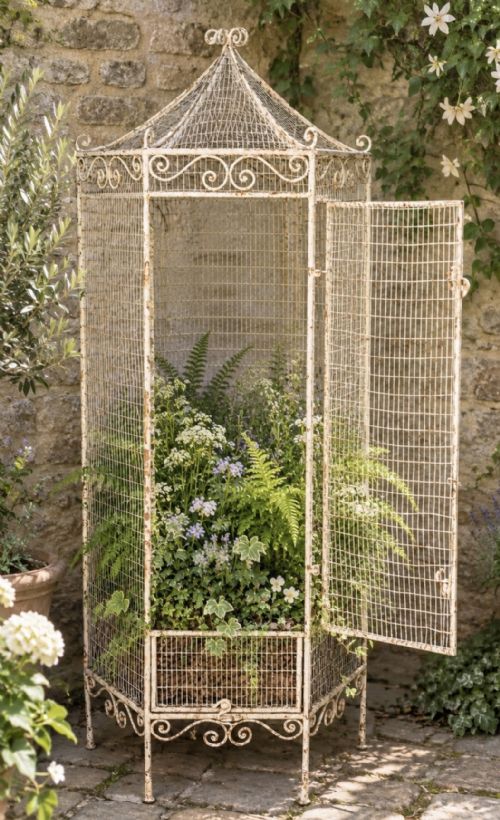
Instead, collectors utilise them to display trailing plants, glass balls, or simply as empty sculptural focal points. Their historical fragility makes non-practical display the preferred approach.
How should antique metal cages be cleaned?
Dusting gently with a soft dry cloth preserves the aged surface and original metallic patina. Aggressive polishes should be avoided to prevent stripping the historic oxidation that accumulates over centuries.
Keeping the metal dry prevents corrosion, particularly on exposed iron and copper components. Simple maintenance ensures the structural wirework remains stable.