



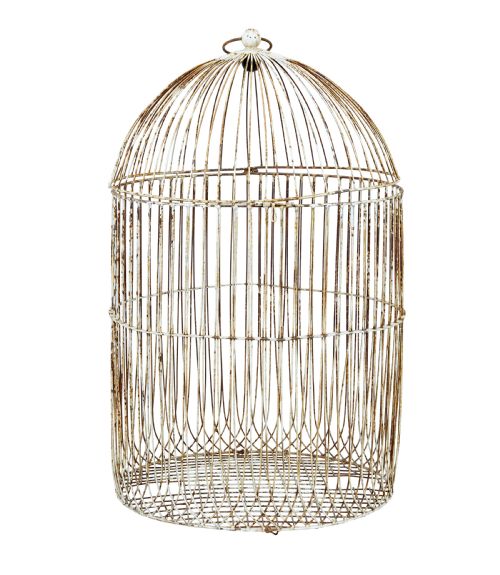

Vintage Dome Birdcage
These vintage dome birdcage examples combine architectural form with decorative utility, bringing character and historic interest to any interior scheme.
Vintage Dome Birdcage
When you search for a vintage dome birdcage, you encounter a variety of forms that span from the nineteenth century through the mid twentieth century. These pieces serve primarily as decorative objects rather than functional housing for pets, appearing in round, pagoda, and architectural shapes.
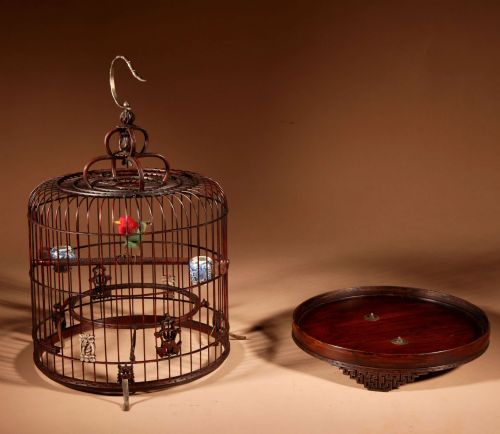
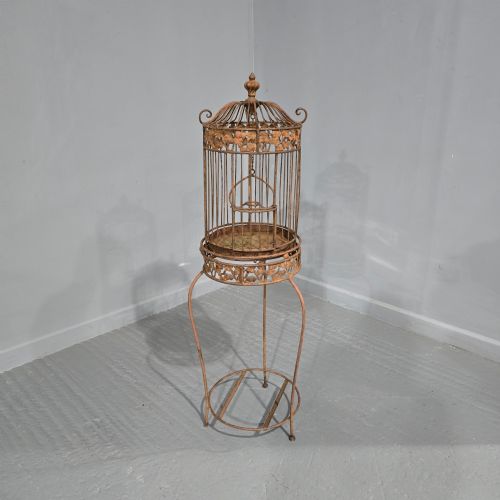
The selection ranges from substantial Victorian cast iron floor stands to intricate French and Chinese designs. Materials encompass brass, wrought iron, copper, bamboo, and wood, reflecting diverse stylistic influences from Victorian and Edwardian periods to Art Nouveau and Chinoiserie.
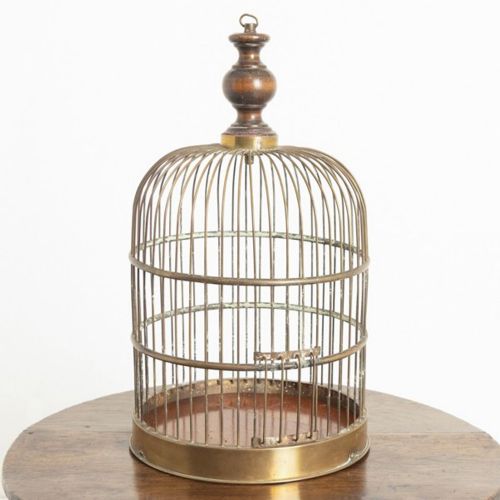
You are most likely to meet brass and wire frame variations on this page, often featuring rounded domes and decorative hanging or tabletop configurations. These pieces demonstrate how historic utilitarian items evolved into sought-after ornamental furnishings for domestic spaces.
How they were made
Makers constructed these cages using metals such as brass, copper, cast iron, and wire frame elements, frequently pairing them with structural wood or carved bamboo. Metalwork techniques involved soldering, casting, and wire bending to achieve the characteristic curved dome and structural stability required for intricate shapes.
Organic materials like bamboo received careful carving and shaping, particularly in pieces influenced by Qing Dynasty styles and Chinoiserie. Surface finishes range from natural patinated metals to painted details, preserving the tactile quality of the original materials.
Stylistic influences represented in the available selection include Victorian, Edwardian, Art Deco, Art Nouveau, Chinoiserie, and French Provincial.
What varies in quality
The distinction between standard examples and finer items lies in the complexity of the metalwork, the precision of wire assembly, and the intricacy of carved details on bamboo or wood elements. Substantial weight and robust construction in cast iron or heavy brass indicate superior structural integrity.
Design sophistication also sets pieces apart, with elaborate architectural forms such as pagodas or detailed Art Nouveau motifs commanding greater visual interest. The richness of the natural metal patina and the preservation of original painted surfaces contribute significantly to the overall character of the object.
The Vintage Dome Birdcage Glossary
- Dome birdcage
- A decorative cage featuring a rounded upper profile, historically adapted from utilitarian designs into ornamental home furnishings.
- Chinoiserie
- A decorative style reflecting European interpretations of Chinese artistic traditions, frequently seen in carved bamboo and pagoda forms.
- Art Nouveau
- An international style of art and architecture characterised by flowing, organic lines and natural motifs, visible in hanging brass designs.
- Pagoda
- A tiered architectural form with multiple eaves, inspiring the shape of select decorative cages and ornamental models.
- Patina
- The surface appearance acquired by materials like brass, copper, and iron through age, handling, and environmental exposure.
Vintage Dome Birdcage: Frequently Asked Questions
How were these cages originally used?
These items were initially produced to house pet birds within domestic interiors, functioning both as pet enclosures and decorative focal points in Victorian and Edwardian homes.
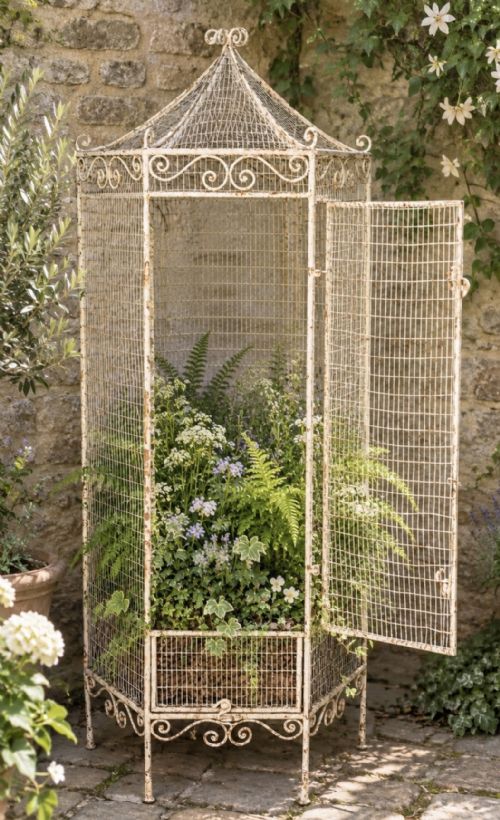
Over time, many of these enclosures transitioned purely into decorative objects, valued for their architectural shapes and ability to hold plants, candles, or other ornaments.
Can I hang a brass bird cage?
Certain examples, particularly hanging brass variations from the late nineteenth and early twentieth centuries, feature integrated loops or hooks specifically designed for suspension.
Larger versions, such as those mounted on cast iron stands or substantial floor models, are intended exclusively for tabletop or floor placement.
How do I date a wire frame bird cage?
Dating relies on examining the specific metal composition, construction methods, and stylistic indicators such as Art Nouveau curves or Victorian casting techniques.
Comparing the materials - such as early wire frames, cast iron, or carved bamboo - with documented periods from the nineteenth and early twentieth centuries helps narrow down the era of manufacture.
Are these cages suitable for live birds today?
While these pieces replicate historical bird housing, antique and vintage examples are generally collected and displayed as decorative objects rather than utilised for modern pet care.
Using them for interior styling preserves the original materials, patinas, and delicate wire or bamboo structures from potential wear.