

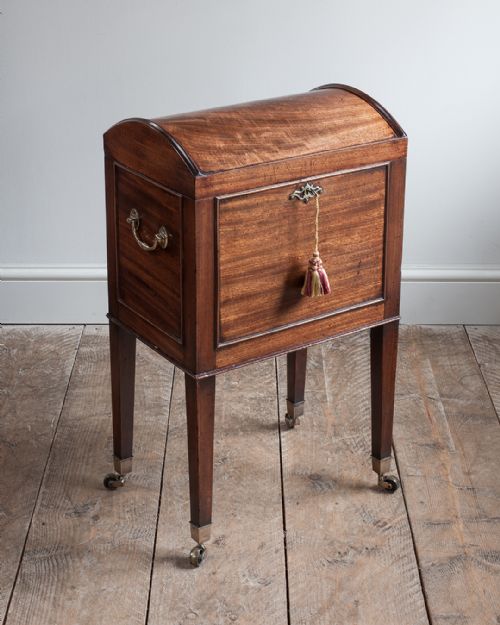


Vintage Bottle Cooler
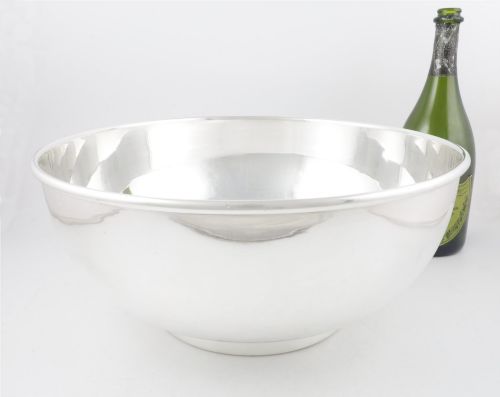
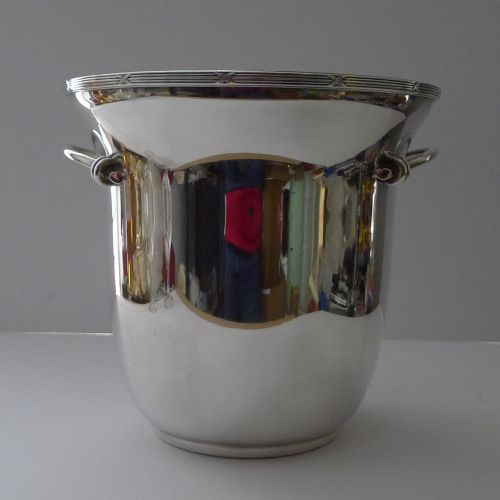
A vintage bottle cooler keeps wine at the table, spanning mahogany cellarettes and silver-plated buckets from Georgian dining rooms to mid-century cocktail parties.
Vintage Bottle Cooler
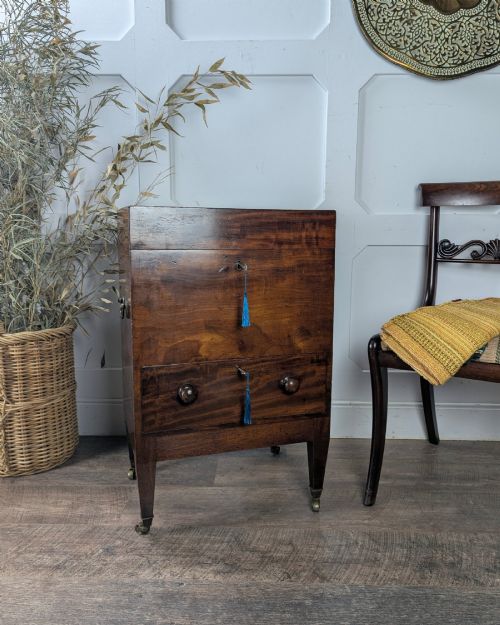
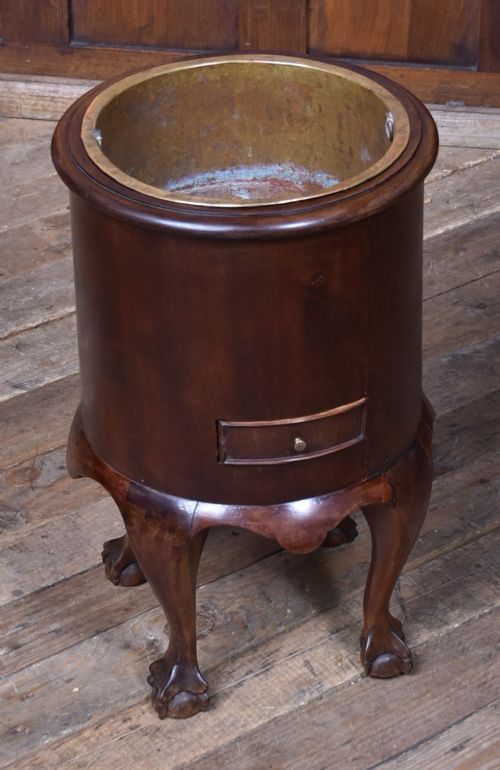
A vintage bottle cooler serves to chill or hold wine and champagne at the dining table, taking forms from timber cellarettes to metal buckets. When you examine this selection, you encounter vessels designed for serious entertaining across multiple centuries.
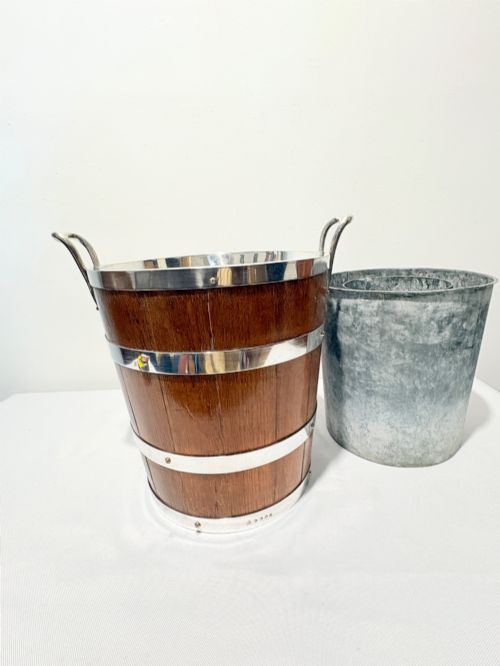
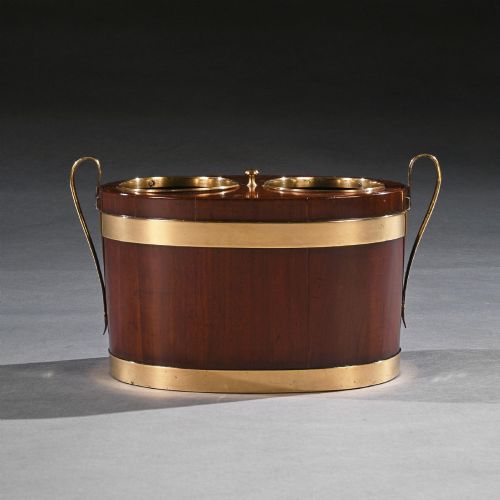
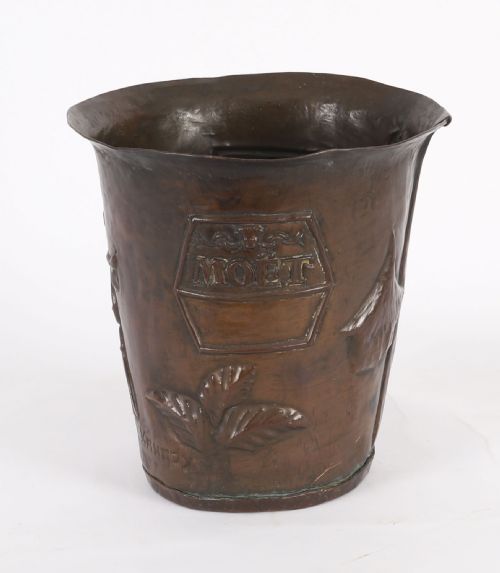
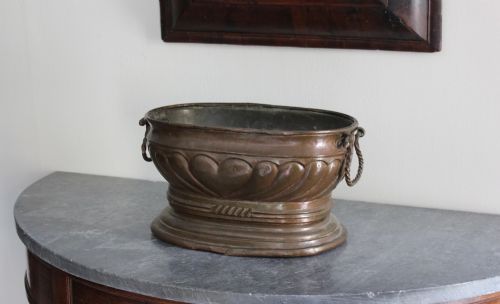
The wooden examples appear most frequently as mahogany, oak, or elm cellarettes and wine coolers originating in the Georgian and Victorian periods. Metal versions emerge in silver plate, copper, brass, and tin, stretching from nineteenth-century Sheffield plate into the mid-twentieth century.
How they were made
Cabinetmakers constructed wooden wine coolers and cellarettes primarily from solid mahogany, oak, or elm, often employing satinwood banding, brass bandings, and metal linings. These timber vessels required precise joinery to withstand moisture and heavy use.
Metal coolers rely on silver plating, copper, brass, or tin, utilising techniques such as heavy embossing, casting, and gilt bronze mounting. Makers shaped these durable metals to handle ice and water while maintaining decorative elegance.
Vintage Bottle Cooler Retail Price Guide 2026
Typical asking prices for vintage bottle cooler among the pieces listed under this phrase on Sellingantiques today, from the lower quarter to the upper quarter. They describe what is for sale here now, not the wider market.
The listings span multiple centuries, uniting eighteenth-century Georgian mahogany cellarettes with mid-twentieth-century French silver-plated champagne buckets.
What varies in quality
Quality rests upon the crispness of the timber carving, the integrity of the original interior linings, and the depth of the metalwork. Pieces showing finely figured mahogany, tight brass binding, and retained lead or zinc liners command greater appreciation.
The distinction between standard production and superior work lies in the hand-finishing of mounts, the weight of the silver plate or copper, and the survival of original bases. Maker attribution and refined proportions elevate specific examples above utility items.
Christofle·James Dixon And Sons·Gillows Of Lancaster·Ercuis
The Vintage Bottle Cooler Glossary
- Cellarette
- A lockable cabinet or standalone timber vessel designed to hold wine bottles near the dining table. They frequently feature lead linings and internal dividers.
- Silver Plate
- A thin layer of silver fused to a base metal such as copper or Britannia metal. This technique provided the lustre of solid silver at a lower cost.
- Sarcophagus
- A monumental architectural shape resembling a stone coffin, popular for large mahogany wine coolers during the Georgian and Regency periods.
- Jardiniere
- An ornamental stand or container used to hold plants or flowers, sometimes adapted from or utilised as a bottle cooler.
- Old Sheffield Plate
- An early method of fusing a sheet of silver to a copper core by heat and pressure. It results in a rich material characteristic of eighteenth and nineteenth-century metalwork.
Vintage Bottle Cooler: Frequently Asked Questions
How do I clean metal coolers?
Metal coolers in silver plate, copper, or brass require gentle cleaning with appropriate non-abrasive polishes. Harsh scrubbing can strip thin plating or antique patination.
Maintaining these surfaces preserves the visual depth accumulated over decades of use.
Were these used for ice?
Many wooden and metal coolers were lined with lead or zinc specifically to hold ice and water for chilling wine. Other larger timber cellarettes functioned primarily as secure storage for bottles.
The presence of original waterproof linings indicates active cooling use at the table.
How do I date mahogany coolers?
Dating relies on timber selection, structural joinery, and stylistic markers such as brass banding, satinwood inlay, and overall proportions. Georgian and Regency pieces display distinct hand-cut dovetails and classic architectural profiles.
Later Victorian and Edwardian examples often incorporate machine-cut elements or heavier brass mounts.