


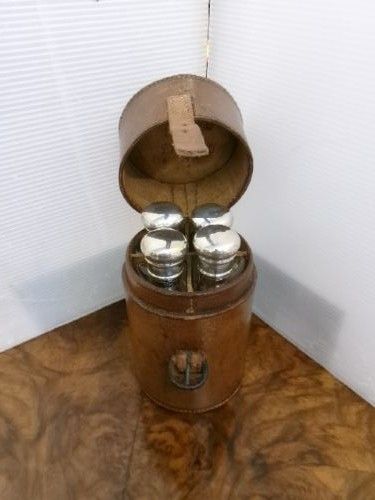


Vintage Bottle Case
These vintage bottle case examples combine utility with craftsmanship, offering secure storage and transport for glassware and spirits across various historical periods.
Vintage Bottle Case
When you search for vintage bottle case items, you encounter a diverse range of containers designed to safely hold glass bottles, flasks, and decanters. These objects range from compact travel holders to larger presentation boxes created for wine or spirits.
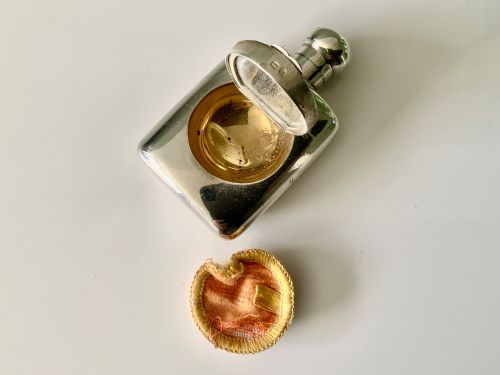
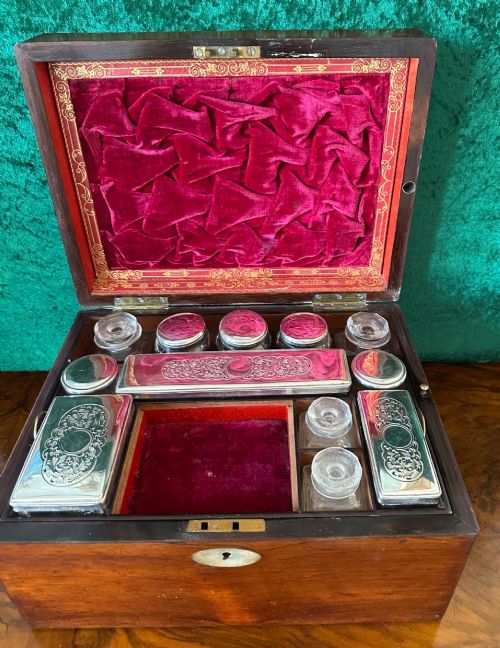
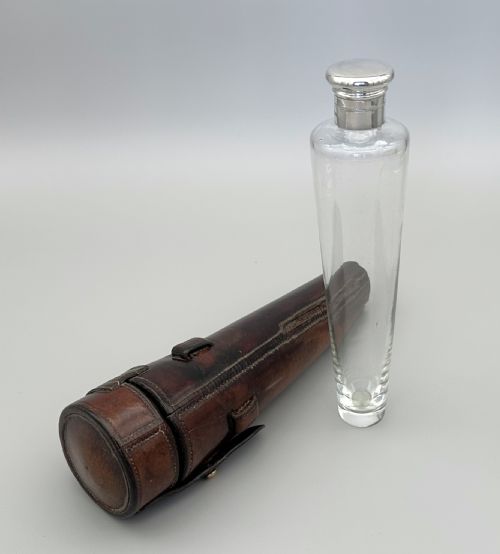
The selections span multiple historical eras, including Georgian, Regency, Victorian, and Edwardian periods. Common forms include leather cases housing silver-topped flasks, campaign decanter sets, mahogany apothecary boxes, and wicker picnic sets.
Victorian and Edwardian iterations dominate the selection, frequently utilising leather, mahogany, and brass hardware. These pieces reflect the travel and social habits of past centuries, where portable liquid refreshment required sturdy protection.
What varies in quality
The standard of construction differs between utilitarian travel containers and elaborate presentation pieces. Superior examples feature intricate marquetry stringing, robust brass binding, and complete sets of matching glass bottles with original silver mountings.
Material selection significantly influences the grade of an item, distinguishing simple leather-wrapped cardboard or thin wood from solid mahogany cabinetry with fitted velvet interiors. The presence of fully intact, matching original glassware and silver hardware elevates the overall integrity of the piece.
Vintage Bottle Case Retail Price Guide 2026
Typical asking prices for vintage bottle case among the pieces listed under this phrase on Sellingantiques today, from the lower quarter to the upper quarter. They describe what is for sale here now, not the wider market.
Listings feature items spanning the Georgian, Regency, Victorian, Edwardian, and 1920s periods, constructed from mahogany, leather, brass, and glass.
The Vintage Bottle Case Glossary
- Apothecary case
- A portable box fitted with small glass bottles and drawers for medicinal ingredients and remedies. These wooden cases often date from the Georgian and 19th Century periods.
- Campaign decanter
- A specialised bottle housing designed for portability during travel or military campaigns. These sets typically include secure wooden or leather cases with fitted glass decanters.
- Tantalus
- A locking wooden beverage cabinet that displays decanters while preventing unauthorized access to the contents. Victorian examples often feature marquetry inlay and brass mechanisms.
- Hunting flask
- A curved glass flask housed in a leather case designed to fit into a rider's pocket or saddle attachment. These often feature silver tops.
- Opaline glass
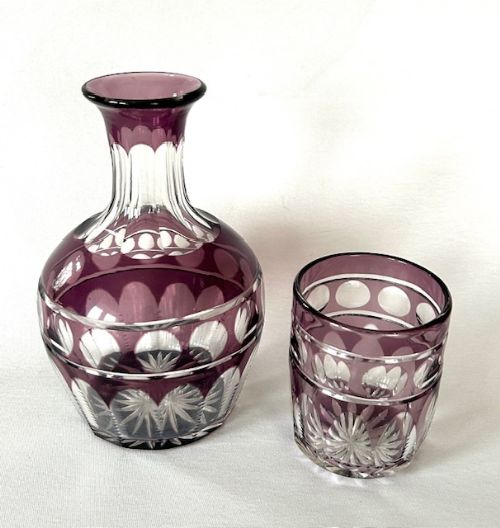
- An opaque or translucent glass popular in Victorian decorative objects and scent bottles. It ranges in colour from soft whites to vibrant shades.
Vintage Bottle Case: Frequently Asked Questions
What periods do these cases come from?
The available examples originate from several distinct eras spanning the 18th, 19th, and early 20th centuries. You will find pieces attributed to the Georgian, Regency, Victorian, and Edwardian periods.
Each era brought different materials and stylistic preferences to the design of portable containers. Victorian and Edwardian examples frequently combine leather and brass with glass flasks, while earlier Georgian and Regency items often utilise solid mahogany.
How were these cases originally used?
These items served a practical function for transporting beverages, medicine, and personal grooming items during travel. Wealthy travellers utilised them for carriage journeys, hunting expeditions, and outdoor picnics.
Owners carried wine, whisky, or spirits in secure glass bottles fitted inside robust leather or wooden outer shells. Apothecary versions held medical preparations, while vanity cases contained scent bottles and dressing items.
What materials are commonly found?
Construction relies heavily on traditional materials chosen for durability and appearance. Wood varieties like mahogany and oak form the structural body of boxes and presentation cases.
Outer layers frequently employ stitched leather, sometimes augmented with brass banding, locks, and corners. Interiors incorporate glass bottles, crystal decanters, sterling silver mounts, and velvet linings.
How do I identify a campaign decanter?
Campaign decanters are built for travel, featuring fitted wooden or leather cases designed to keep glass vessels stable during movement. They prioritize secure storage and compact footprints over domestic display.
These sets often incorporate locking mechanisms, brass carrying handles, and snugly fitted compartments for glass decanters and stoppers. Their utilitarian yet refined construction separates them from stationary table decanters.