


Vintage Book Trough Stand
A vintage book trough stand holds your volumes close at hand, combining practical daily storage with the rich grain of oak, mahogany, or rosewood.
Vintage Book Trough Stand
A vintage book trough stand brings together low shelving and compartmentalised open holders designed to keep frequently consulted volumes within arm's reach. When you search for this phrase, you encounter pieces that range from compact desk accessories and extending slides to floor-standing open bookcases and magazine racks.
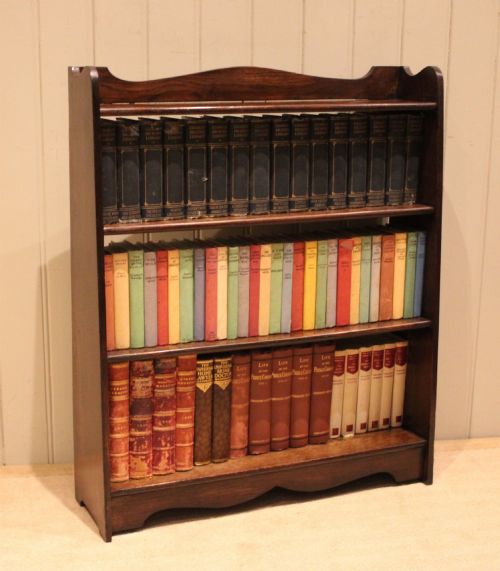
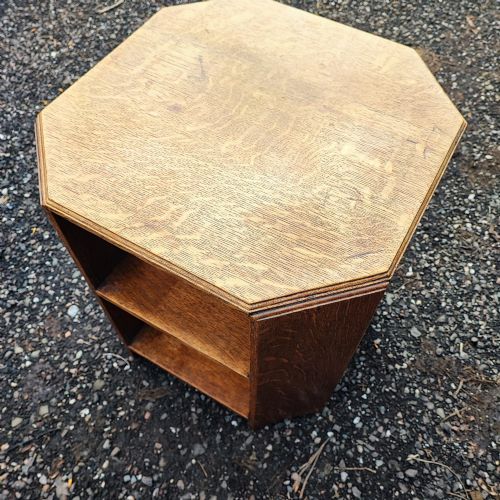
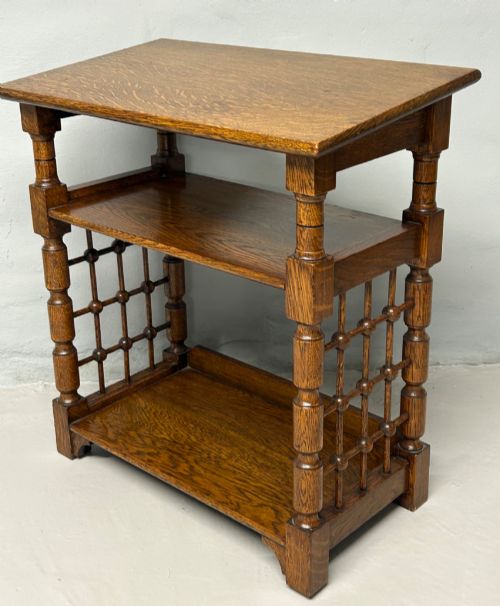
The version you meet most often on this page is an Edwardian or 1920s standing or table-top trough, typically constructed in solid oak or inlaid mahogany. These pieces served domestic studies and sitting rooms, holding everything from novels to periodicals.
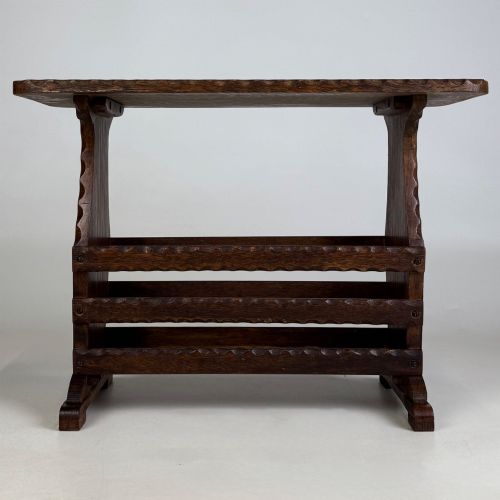
Origins stretch from simple workshop-made oak items to more elaborate library fittings in rosewood, walnut, and satinwood. Alongside standard troughs, the selection includes revolving models, side tables with integrated racks, and metamorphic Canterbury stands.
Materials and construction
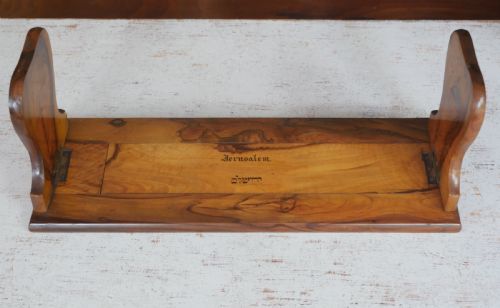
Timbers dictate the character of these pieces, with oak and mahogany appearing most frequently alongside select uses of rosewood, walnut, burr walnut, satinwood, and olive wood. Workshops relied on solid cuts for structural integrity, adding decorative veneers, carved details, and satinwood inlay to elevate the surface.
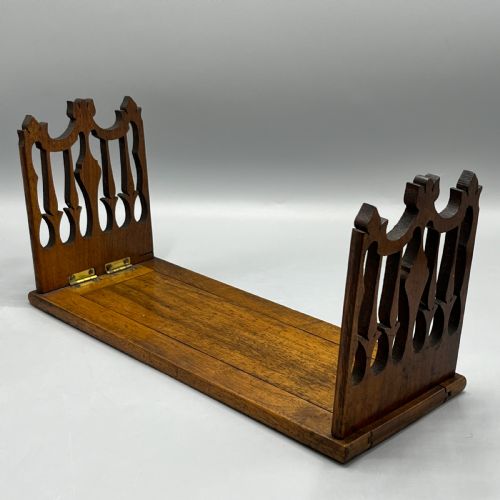
Metal components provide both function and contrast, particularly through brass mounts, hinges on extending slides, and the delicate hardware found on Victorian book holders. Joinery ranges from robust dovetailing on heavy library pieces to lighter frame construction suited to portable desktop slides.
Materials range from native oak and mahogany to exotic rosewood, burr walnut, olive wood, and painted surfaces.
Distinctions in quality
Quality rests primarily on the selection of timber and the precision of the joinery rather than mere age or decorative flourish. Pieces featuring figured flame mahogany, burr walnut, or finely matched oak display a superior understanding of natural grain patterns.
Refinement in secondary details - such as crisp carving, brass mounting, hand-painted plaques, or precise inlay work - separates standard utility items from workshop pieces created for high-status libraries. The structural balance of extending mechanisms and revolving actions also marks the distinction between everyday manufacture and finer cabinet-making.
The Vintage Book Trough Stand Glossary
- Book trough
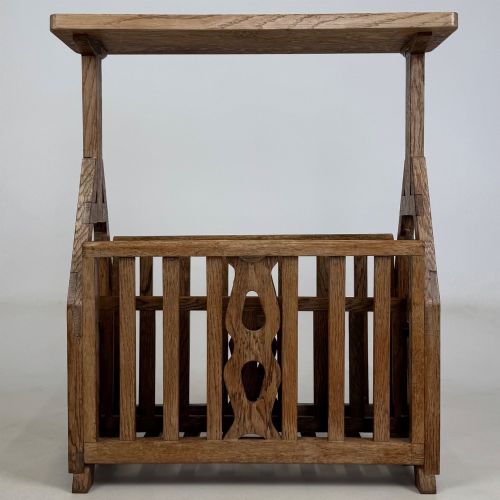
- An open-topped container with sloping sides designed to hold books vertically or at a slight angle for easy title viewing. They sit upon desks or floor stands.
- Book slide
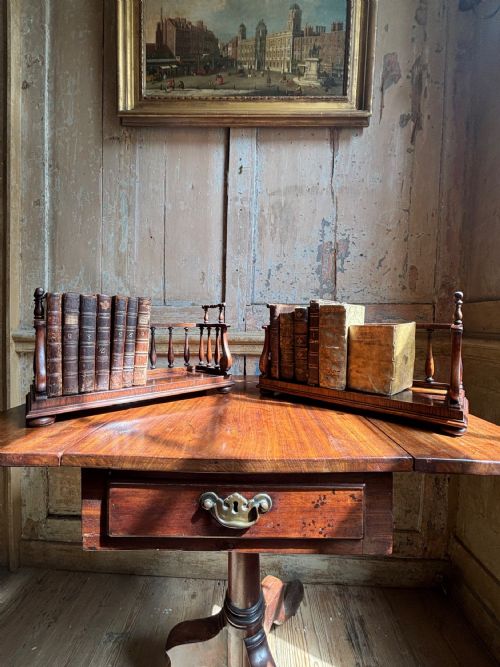
- An extending rack with movable ends that closes or expands to accommodate a varying number of volumes between vertical supports. They often feature brass mounts or carved wooden ends.
- Canterbury stand
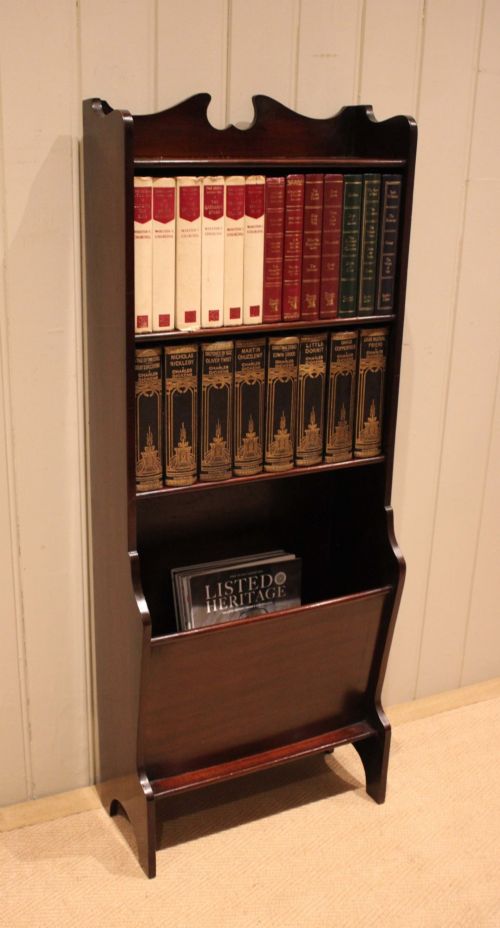
- A low multi-tiered stand featuring vertical divisions originally intended for sheet music or periodicals. Metamorphic versions adapt to serve multiple functions.
- Revolving bookcase
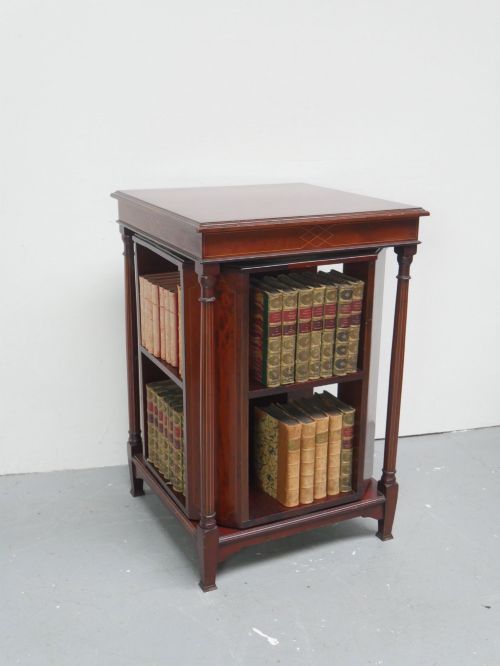
- A freestanding tiered book holder mounted on a pivot mechanism allowing rotation for access from any seating position. They utilise compact footprints for maximum storage.
- Inlay
- A decorative technique where contrasting woods or materials are set flush into the primary surface to create patterns. Satinwood is frequently utilised for this purpose.
Vintage Book Trough Stand: Frequently Asked Questions
Where were these stands used?
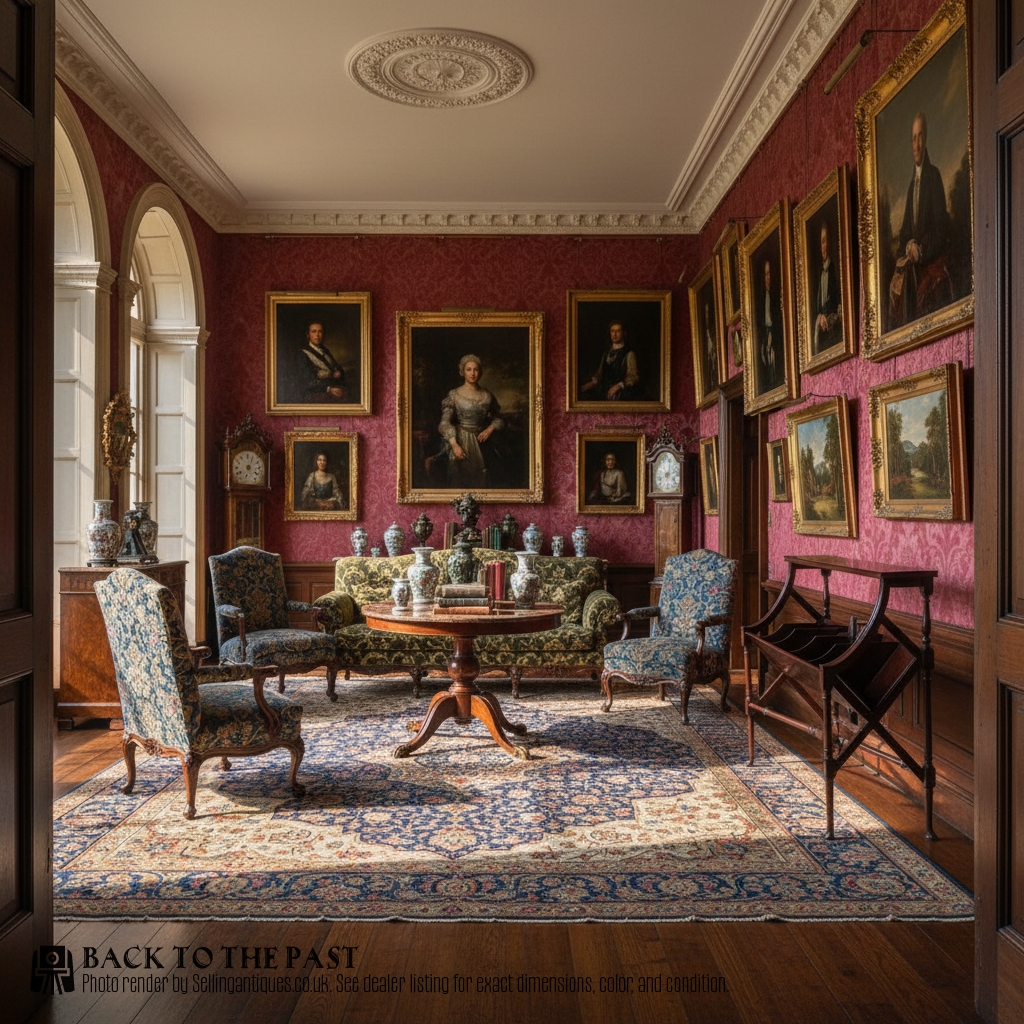
These stands found homes in private studies, libraries, and drawing rooms where daily reading material needed immediate access. They sat upon library tables, beside armchairs, or directly on the floor.
Larger troughs and revolving cases served communal family spaces, while compact slides and troughs managed smaller collections on writing desks.
How do I date a piece?
Dating relies on observing the combination of timber, style, and construction methods visible in the piece. Heavy carved oak often points toward Arts and Crafts or Edwardian production.
Mahogany with satinwood inlay typically suggests the Edwardian or late Victorian periods, while rosewood and heavier brass mounts frequently align with mid-nineteenth-century cabinet work.
Are extending slides sturdy?
Extending book slides operate on simple wooden or metal channels that adjust to hold varying numbers of volumes securely. When well maintained, they support heavy rows of books without slipping.
The stability depends on the snugness of the sliding mechanism and the weight of the end supports keeping the vertical pressure balanced.
What is a metamorphic stand?
A metamorphic stand is a piece of furniture designed to transform or adapt into different configurations for varied domestic uses. These pieces combine magazine storage with table surfaces or adjustable compartments.
They reflect inventive late-nineteenth and early-twentieth-century cabinet-making aimed at maximising utility in smaller living spaces.