


Vintage Book Steps
These vintage book steps bring practical elevation to grand libraries and modest studies alike, offering sturdy access to high shelves with a handsome period silhouette.
Vintage Book Steps
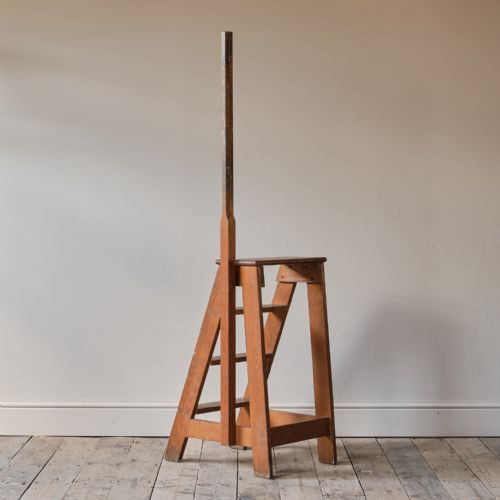
When you search for vintage book steps, you encounter items designed to reach high library shelves, often appearing in oak or mahogany from periods spanning the Georgian era to the early twentieth century. These pieces range from simple A-frame structures to folding designs and stepped bookcases.
The versions most common on this page date from the Edwardian period and the 1920s, constructed in solid oak or walnut. They combine utilitarian library function with the refined cabinet-making styles of their respective decades.
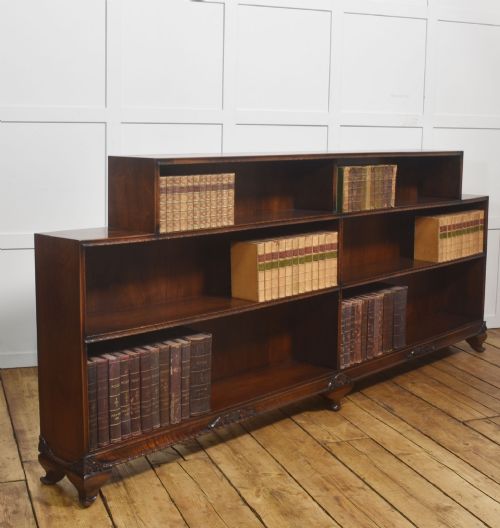
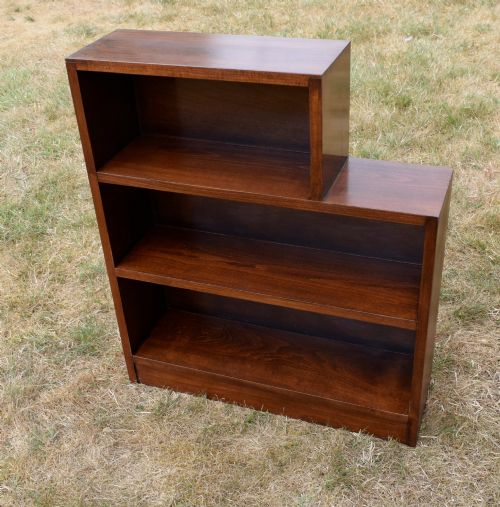
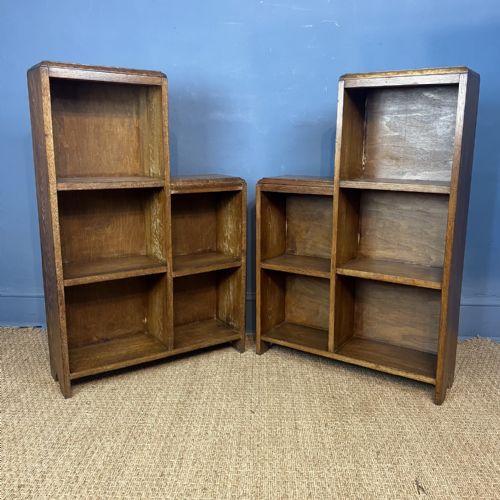
Alongside dedicated library steps and ladders, the selection includes related library furniture such as stepped open bookcases and companionway steps adapted for domestic display. Each piece reflects the architectural needs of private collections and institutional reading rooms.
How they were made
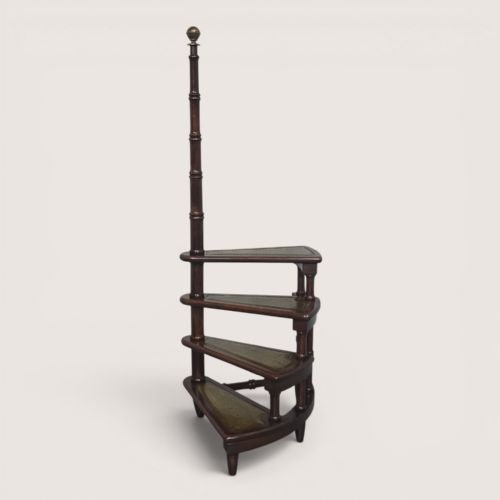
Construction relies heavily on timbers such as oak, walnut, and mahogany, chosen for structural strength and finished to highlight the natural grain of the wood. Brass fittings and leather treads occasionally appear to reinforce joints and provide secure footing.
Joinery methods reflect the manufacturing standards of the Georgian, Victorian, and Edwardian eras, using sturdy joints capable of supporting weight safely during daily use. Wood is shaped into functional A-frame profiles, upright ladders, and stepped bookcase configurations.
What varies in quality
Quality rests on the integrity of the timber and the precision of the joinery, distinguishing sturdy architectural pieces from lighter decorative items. Timber selection, such as figured walnut or dense golden oak, dictates the visual weight of the object.
Proportion and stability determine the success of the design, with better examples maintaining balance without clumsy bracing or unoriginal replacement timbers. The crispness of the step treads and the quality of any brass or leather detailing separate standard items from finer workshop output.
Heals
The Vintage Book Steps Glossary
- A-frame
- A self-supporting structural configuration shaped like the capital letter A, providing stability for library steps without requiring a vertical wall for support.
- Edwardian
- Pertaining to the reign of King Edward VII, noted in these listings for refined oak furniture designs that lean towards lighter proportions.
- Georgian
- Relating to the reigns of the first four British monarchs named George, characterised by classic architectural proportions and robust timber construction.
- Library steps
- Portable staircases designed specifically for reaching high bookshelves in domestic or institutional libraries, often folding or built into sturdy frames.
Vintage Book Steps: Frequently Asked Questions
How were vintage library steps used?
These steps were placed against tall bookshelves in private libraries and studies to allow access to upper rows of volumes. Their sturdy construction supported individuals reaching for heavy folio editions.
Over time, many of these pieces transitioned from strict utility to decorative furniture, serving as display stands for ornaments or plants alongside their traditional role.
Are these steps safe to climb?
Most antique library steps are built from solid hardwoods like oak and mahogany, designed to bear considerable weight when properly balanced. However, structural integrity varies depending on age and previous wear.
It is wise to inspect the joints and treads on older A-frame ladders and steps before putting them to active daily use in a modern home.
How do I date a set of steps?
Dating relies on identifying the prevailing timber choices, hardware, and stylistic traits of periods like the Georgian era, the Edwardian period, or the 1920s. Simpler lines and golden oak finishes often point towards early twentieth-century production.
Heavier framing and traditional mahogany or oak joinery typically indicate nineteenth-century or Georgian origins, reflecting the architectural tastes of those eras.
Where do I place book steps at home?
These pieces suit home studies, living rooms, and hallways, functioning either beside actual bookshelves or as standalone display furniture. Their stepped profiles create natural tiers for plants, books, and decorative objects.
Compact A-frame models fit easily into corners, while larger stepped bookcases anchor a room with substantial period presence.