


Vintage Book Ends
Vintage book ends keep a library neat while bringing sculptural presence to a desk or shelf.
Vintage Book Ends
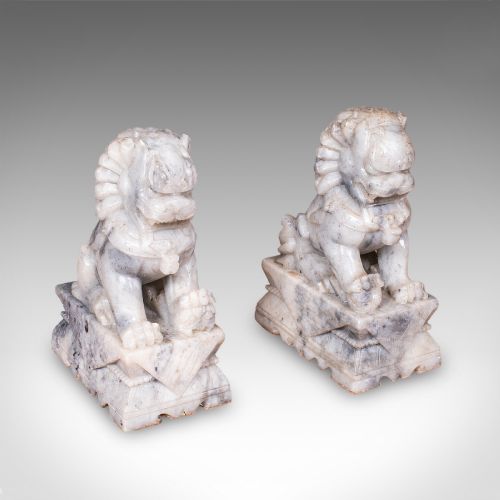
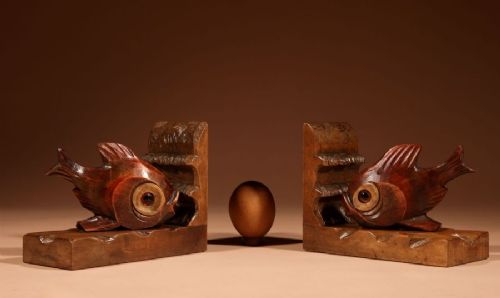
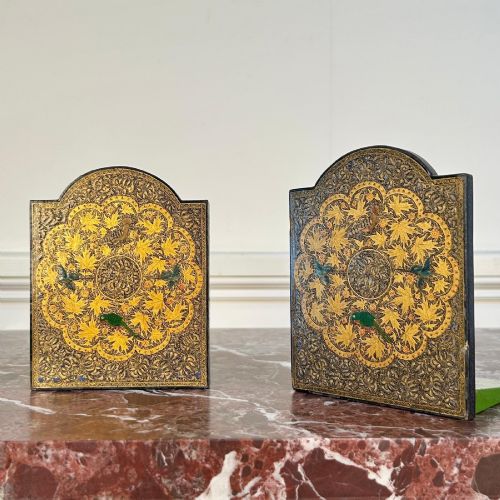
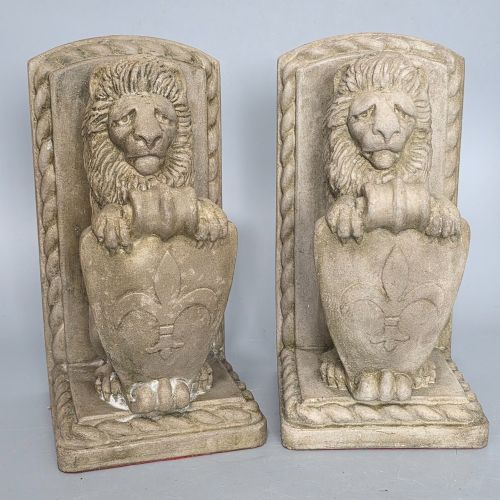
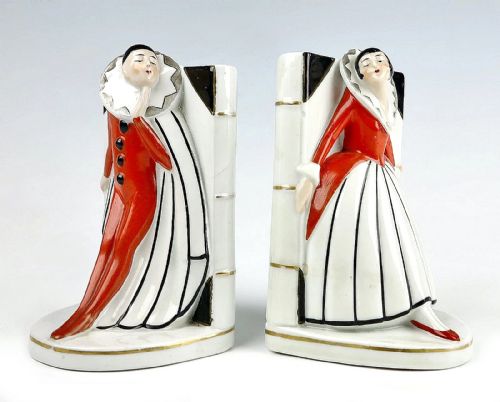
Vintage book ends appear in numerous forms across the nineteenth and twentieth centuries, uniting utility with decorative design. Buyers searching this phrase encounter matched pairs shaped as animals, human figures, architectural motifs, and abstract geometric forms.
The selections span distinct periods, running from Georgian and Victorian examples through the Arts and Crafts movement and into the streamlined aesthetic of the Art Deco era. Many pairs date from the 1920s and 1930s, reflecting the popularity of sturdy desktop accessories in twentieth-century homes.
Makers utilised various traditional and industrial methods to anchor heavy volumes. The pieces combine a weighted base with an upright support to hold books securely in place on shelves and tables.
Materials and construction methods
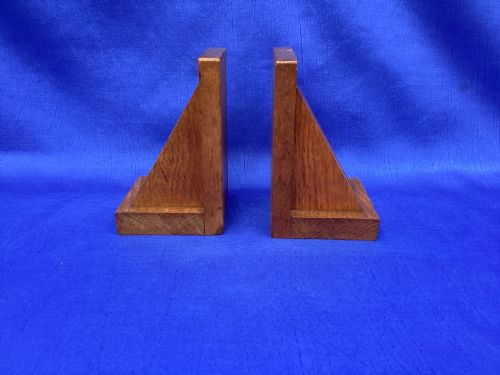
Makers fashioned vintage book ends from an array of metals, woods, and stones. Cast metals such as bronze, brass, spelter, and silver plate appear alongside carved hardwoods like oak, walnut, teak, and linden wood, often complemented by marble, granite, alabaster, and ceramic elements.
Casting techniques allowed workshops to produce detailed figurative sculptures of animals and human characters with tactile textures. Woodworkers employed carving, inlay, and ebonising, while stone carvers utilised polished marbles and cast stone to create weighty supports.
Vintage Book Ends Retail Price Guide 2026
Typical asking prices for vintage book ends among the pieces listed under this phrase on Sellingantiques today, from the lower quarter to the upper quarter. They describe what is for sale here now, not the wider market.
Listings feature oak, walnut, brass, bronze, marble, and linden wood across pieces dating from the nineteenth century to the 1940s.
Distinctions in craftsmanship and material
Quality in vintage book ends rests upon the fidelity of the casting or carving and the integrity of the materials. Fine metal pairs demonstrate crisp chiselling and deliberate patination, whereas lesser examples show softer surface detail and simpler mass production.
Weight distribution dictates performance. Superior pieces combine dense stone, solid wood, or heavy cast metal bases with robust uprights, ensuring they remain stable under the pressure of heavy volumes without tipping.
Gordon Russell·Thornton Smith Co.·Herzig·C Omin
The Vintage Book Ends Glossary
- Spelter
- An alloy of zinc and lead used as a cheaper alternative to bronze. It was commonly cast and painted or patinated to imitate superior metals in twentieth-century decorative objects.
- Cold painted bronze
- A process where bronze sculptures are painted with oil-based paints rather than subjected to heat patination. The technique allows for vibrant polychrome detailing on animal and human figures.
- Black Forest carving
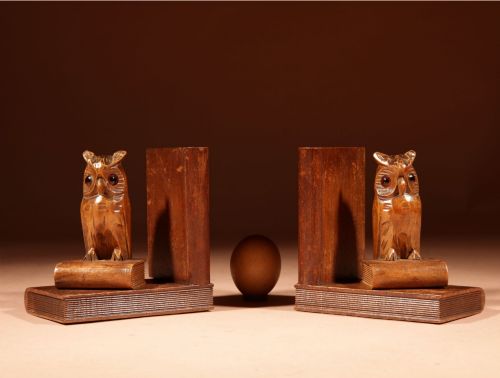
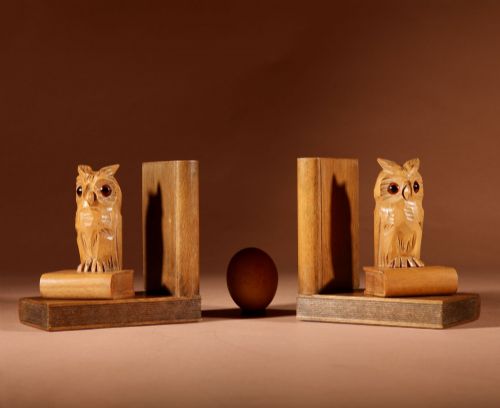
- Wood carving originating from the mountainous region of central Europe, typically executed in linden wood. These pieces frequently depict natural subjects such as owls, bears, and other animals with humorous expressions.
- Arts and Crafts
- A design movement prioritising handcraftsmanship and simple vernacular materials over mass production. Pieces from this tradition favour honest construction in oak and other solid woods.
- Art Deco
- A twentieth-century style characterised by sleek lines, geometric symmetry, and modern industrial materials. Book ends from this period often employ chromed metal, marble, and stylized figural motifs.
Vintage Book Ends: Frequently Asked Questions
How do I date vintage book ends?
Dating relies on stylistic clues, manufacturing techniques, and materials associated with specific decades. Art Deco pieces from the 1930s often use chromed metal and stylized geometry, while earlier nineteenth-century examples favour hand-carved woods or cast brass.
Examining the base and fixings can also reveal period manufacturing methods. Makers marks, signatures, or registration numbers stamped into the metal or wood provide direct chronological evidence.
Are these book ends heavy enough for large books?
Many vintage book ends were engineered specifically to support heavy volumes of encyclopedias or ledgers. Materials such as solid marble, granite, bronze, and dense hardwoods provide the necessary mass to hold rows of books upright.
Lighter pairs made from hollow cast metals or smaller carved woods function best with smaller paperbacks or lighter collections. Checking the weight and base size ensures the supports suit your specific library.
How should I clean bronze or brass book ends?
Maintenance depends on preserving the original surface finish and historic patination. Dusting with a soft, dry cloth removes everyday debris without disturbing the metal.
Avoid abrasive cleaning agents or harsh chemical polishes that strip away the aged surface. Gentle care maintains the character developed over decades of use.