

Vintage Book Accessories
These vintage book accessories bring practical desk organisation and distinct period character to any library through clever design and solid construction.
Vintage Book Accessories
Vintage book accessories encompass a diverse range of functional objects designed for reading spaces, desks, and home libraries. Buyers searching for vintage book accessories encounter items spanning the Victorian era through the Art Deco period, including bookends, expanding book slides, bookmarks, and desk rests.
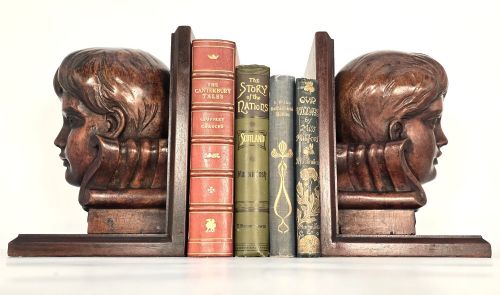
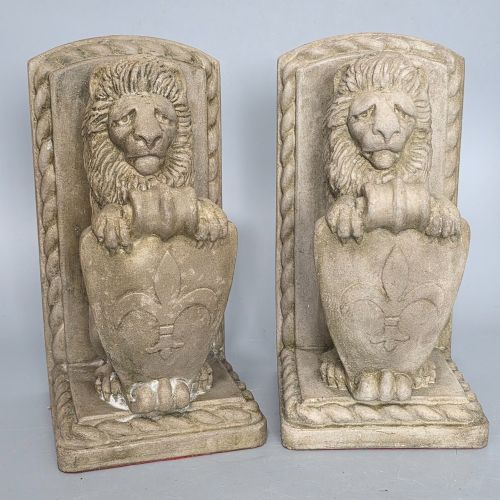
Victorian and Edwardian items dominate the offerings, providing sturdy oak, pine, and teak constructions designed to hold volumes upright. Novelty pieces shaped like dogs, elephants, and lions offer a lighter decorative touch typical of early twentieth-century studies.
How they were made
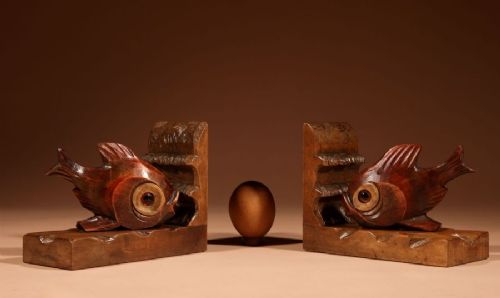
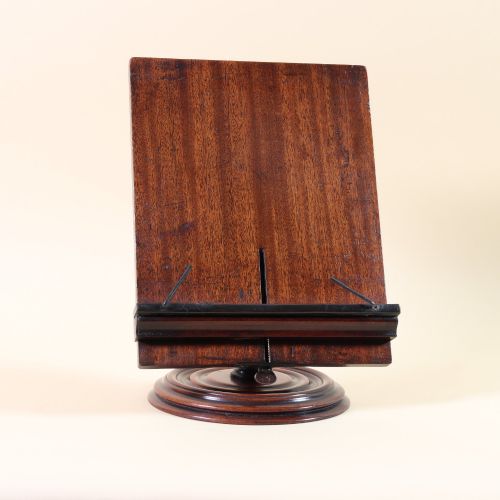
Craftsmen utilised traditional woodworking techniques to shape dense timbers such as mahogany, rosewood, oak, and olive wood into extending slides and carved book rests. Black Forest makers employed hand-carving methods on softwoods to create detailed animal figures with glass eyes and textured fur.
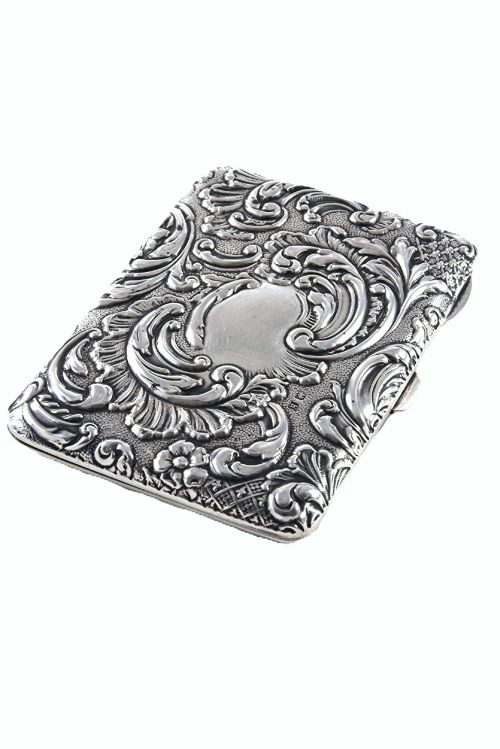
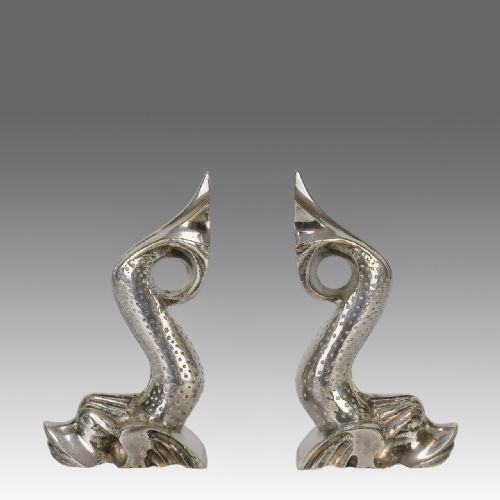
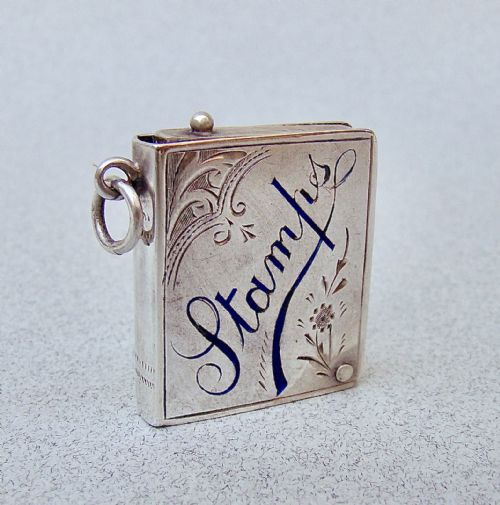
Metalworkers cast bronze, brass, and silver components, often incorporating sterling silver fronts onto leather and paper stationery items. Silver items bear hallmarks indicating assay offices in cities such as Birmingham and Glasgow, while cast bronze and stone pieces utilise moulds for animal and figural bookends.
Vintage Book Accessories Retail Price Guide 2026
Typical asking prices for vintage book accessories among the pieces listed under this phrase on Sellingantiques today, from the lower quarter to the upper quarter. They describe what is for sale here now, not the wider market.
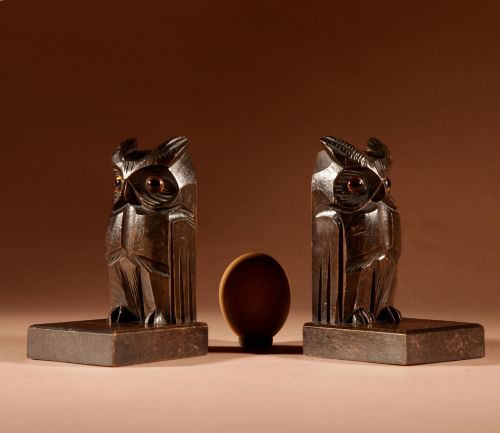
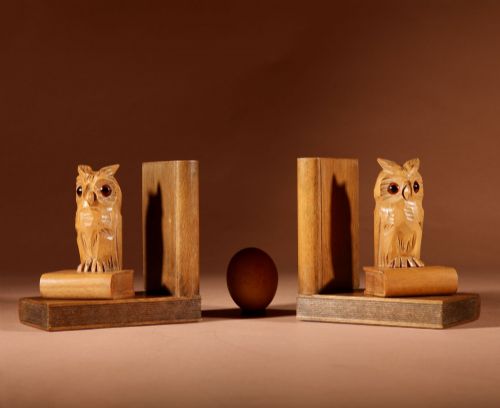
Among the heavy bronze animals and austere wooden racks, a surprising number of carved wooden owls and mischievous bears stand guard over the library shelves.
What varies in quality
Quality in these pieces rests upon the crispness of the carving, the weight of the metal castings, and the integrity of the mechanical joints in extending slides. Hand-carved wooden subjects with intricate detailing and well-preserved finishes command greater appreciation than mass-produced moulded equivalents.
The choice of materials dictates durability, with solid rosewood, teak, and cast bronze outlasting veneered or plated alternatives. Hallmarked silver components and makers' signatures on bronze casts elevate the standing of individual pieces within their respective categories.
Gillows·F Abella and Sons·Crisford and Norris·Franz Gruber·C Omin·Thornton Smith Co
The Vintage Book Accessories Glossary
- Book slide
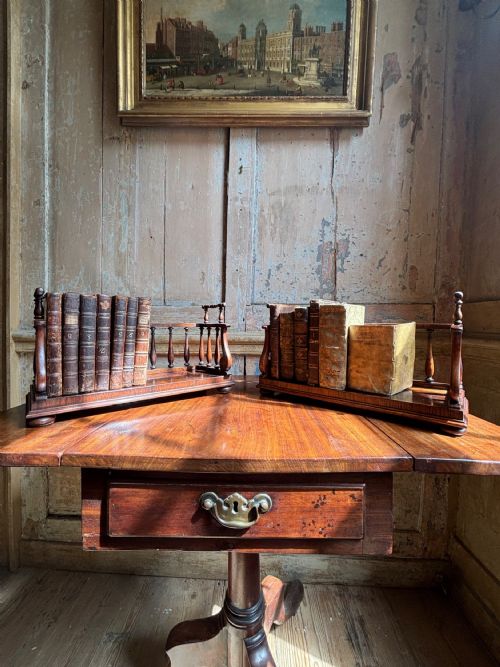
- An adjustable rack designed to hold a row of books upright on a desk or shelf, often featuring extending wooden sections. These devices contract or expand to accommodate varying numbers of volumes.
- Aide memoire
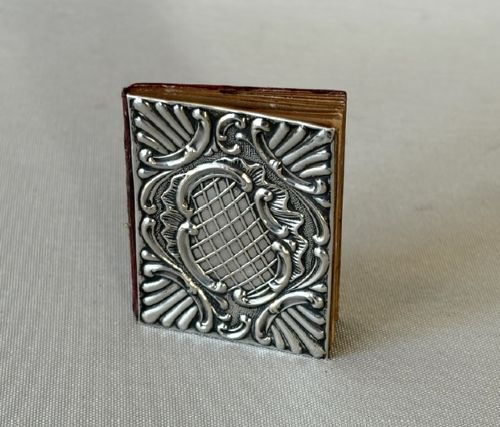
- A small pocket notebook or memorandum tablet mounted in silver or leather, used for jotting down daily reminders. Victorian examples frequently include internal silk pockets and a small pencil.
- Black Forest
- A style of wood carving originating from the mountain region in Germany, characterised by realistic depictions of animals such as bears, owls, and dogs. These carvings often form functional bookends or letter stands.
- Blotter folio
- A desk accessory comprising leather, wood, or metal covers enclosing absorbent paper sheets for drying ink. They protect writing surfaces and keep correspondence neat.
Vintage Book Accessories: Frequently Asked Questions
How do I identify Black Forest bookends?
Black Forest bookends feature hand-carved wooden animal subjects, most commonly bears, owls, or dogs, rendered in deep relief. They date primarily from the late nineteenth and early twentieth centuries.
Craftsmen in the German region used local timbers and highlighted anatomical details, sometimes incorporating glass eyes for realism.
What are page turners used for?
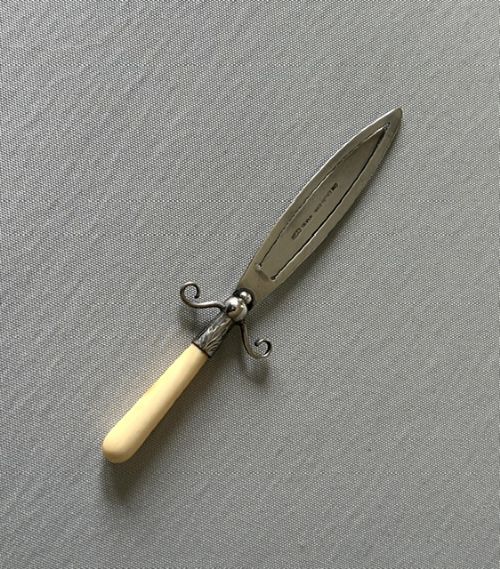
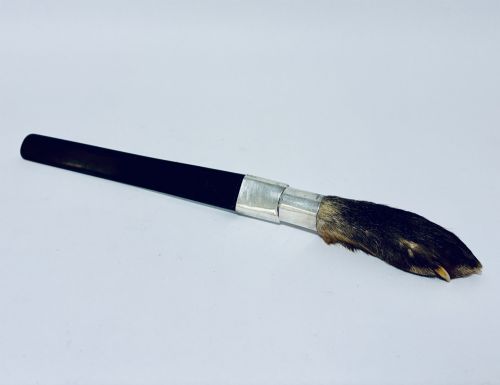
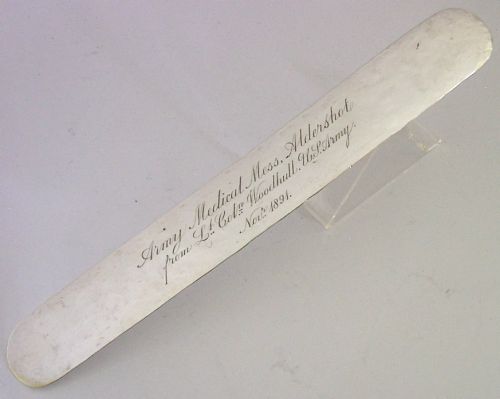
Page turners are flat, paddle-shaped implements designed to slice open uncut paper pages in antique books and turn them cleanly. They protect delicate paper from oils and tears.
Examples from the Victorian and Edwardian periods are frequently mounted in sterling silver with carved mother-of-pearl or ivory handles.
How were desk blotters used?
Desk blotters and blotter folios housed sheets of absorbent paper designed to blot wet ink from handwritten letters before envelopes were sealed. They remained essential desk accessories throughout the nineteenth and early twentieth centuries.
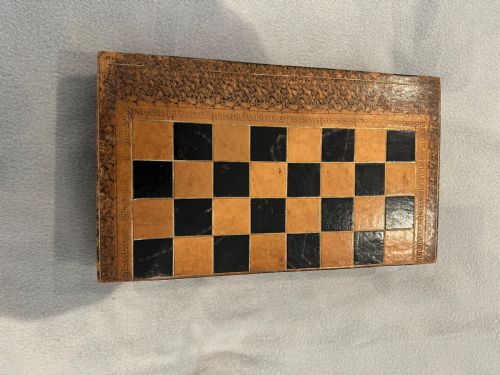
Cover materials ranged from embossed leather and silver plating to carved wood and Tunbridge ware inlay.