



Vintage Bonbonniere
These vintage bonbonniere pieces are small, decorative containers designed for sweets and small treasures, offering tactile elegance for any table.
Vintage Bonbonniere
When you search for a vintage bonbonniere, you encounter small decorative containers and dishes intended for sweets, sugar-plums, or small personal items. The selection spans distinct periods from the eighteenth century through the mid-twentieth century, capturing changing tastes in domestic display.
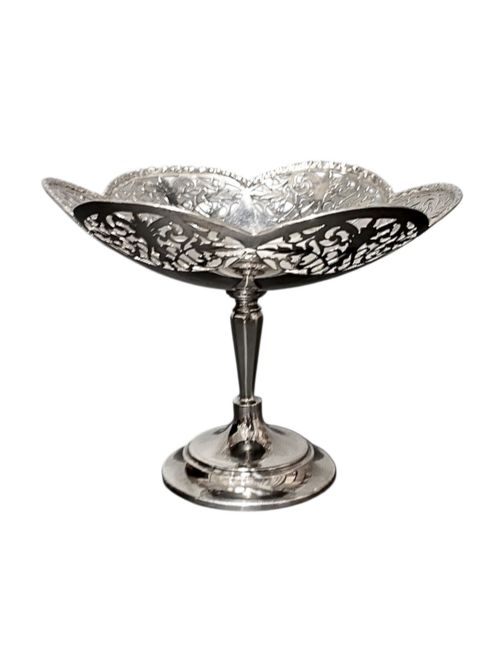
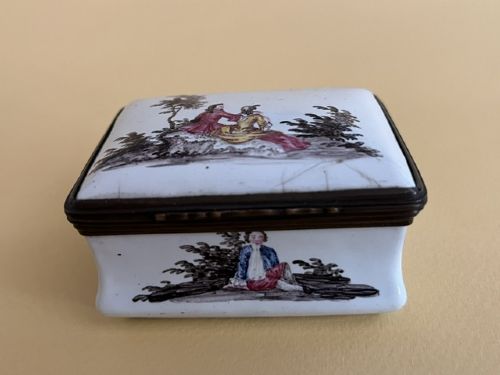
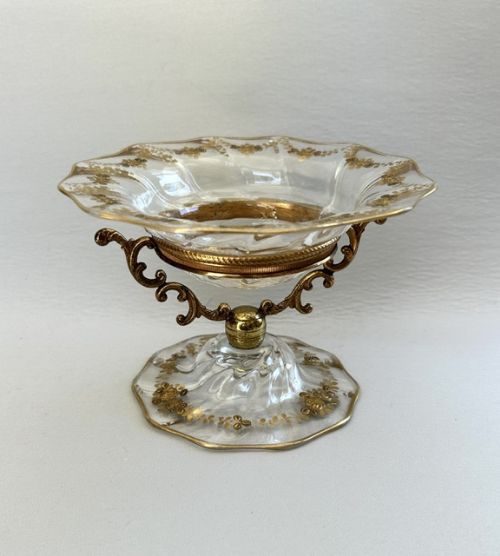
You will regularly meet small boxes, patch boxes, snuff boxes, and open dishes or tazzas designed to hold confections. Materials range from sterling silver and enamel to cut glass and ormolu, originating from English and continental workshops.
The forms adapt from Georgian and Rococo Revival curves to Edwardian delicacy and Art Deco geometry. Each piece reflects the social rituals of its era, serving as both a functional receptacle and a mantel or tabletop ornament.
How they were made
Makers shaped sterling silver and brass through casting, hammering, and pierced work, often incorporating tortoiseshell or glass inserts. Enamel boxes utilised copper cores fused with vitreous enamel paints to create detailed miniature lid scenes.
Cut glass and lead crystal vessels relied on wheel-cutting and mould-blowing techniques to produce deep facets and lidded jars. Ormolu mounts required precise bronze casting and gold gilding to frame glass and enamel bodies securely.
Vintage Bonbonniere Retail Price Guide 2026
Typical asking prices for vintage bonbonniere among the pieces listed under this phrase on Sellingantiques today, from the lower quarter to the upper quarter. They describe what is for sale here now, not the wider market.
Tiny patch boxes once concealed cosmetic facial spots, letting owners whisper social status through miniature painted lids.
What varies in quality
Quality rests upon the crispness of the chasing on silver surfaces and the precision of enamel miniature painting on copper boxes. Finer pieces maintain intact gilding and well-fitted hinges that operate smoothly without slack.
Glass vessels distinguish themselves through the depth of their wheel-cutting and the clarity of the lead crystal. Maker marks and assay office stamps further anchor the standing of metal pieces within their respective periods.
Viners and Co
The Vintage Bonbonniere Glossary
- Bonbonniere
- A small decorative container designed specifically for holding sweets or bonbons. These pieces often feature hinged lids and elaborate exterior ornamentation.
- Patch Box
- A small container originally used to hold cosmetic patches of silk or velvet worn on the face during the eighteenth century. They frequently feature enamelled lids with moral or romantic inscriptions.
- Ormolu
- Finely ground high-carat gold applied in a mercury amalgam to a bronze object. This technique imparts a rich golden finish to decorative stands and mounts.
- Tazza
- An Italian term for a small saucer-like dish mounted on a stem and foot. They function as elevated presentation vessels for sweets and small fruits.
- Snuff Box
- A small pocket-sized container used to hold ground tobacco for inhalation. Eighteenth-century examples often display intricate enamelwork or precious metal construction.
Vintage Bonbonniere: Frequently Asked Questions
What were bonbonniere containers used for?
These pieces originally served to hold sweet confections, sugar-plums, or mints offered to guests in formal drawing rooms. Their portable sizes also made them suitable for carrying scented lozenges.
Over time, many of these small vessels transitioned into purely decorative objects or repositories for trinkets and keepsakes. They occupied prominent positions on dressing tables, sideboards, and mantlepieces.
How do I distinguish eighteenth-century enamel boxes?
Eighteenth-century enamel boxes typically feature copper bases coated with a dense white vitreous enamel layer, painted by hand with pastoral or romantic scenes. The interior surfaces often exhibit a slightly uneven texture characteristic of early firing methods.
Later reproductions generally display mechanical printing techniques rather than delicate brushwork. The mounts on older pieces are usually cast in copper or brass rather than modern alloys.
Where were most vintage silver bonbon dishes made?
A significant portion of silver bonbon dishes and bowls originate from major English assay towns such as Sheffield and London. These pieces frequently bear clear maker marks and date letters stamped into the metal.
Continental workshops, particularly in France, produced comparable forms utilising distinct regional hallmarks and higher-purity silver standards. Both traditions emphasised pierced decorative borders and pedestal feet.
How should I care for antique glass and silver?
Silver components require periodic cleaning with a soft cloth and a gentle, non-abrasive polish to maintain their lustre. Avoid harsh chemical dips that strip away the natural patina accumulated over decades.
Cut glass and crystal vessels should be washed by hand in lukewarm water using mild detergent. Extreme temperature changes must be avoided to prevent stress fractures in older glass.