

Vintage Blue White Porcelain
Vintage blue white porcelain brings centuries of cobalt painting into the home through dishes, vases, and converted lamps.
Vintage Blue White Porcelain
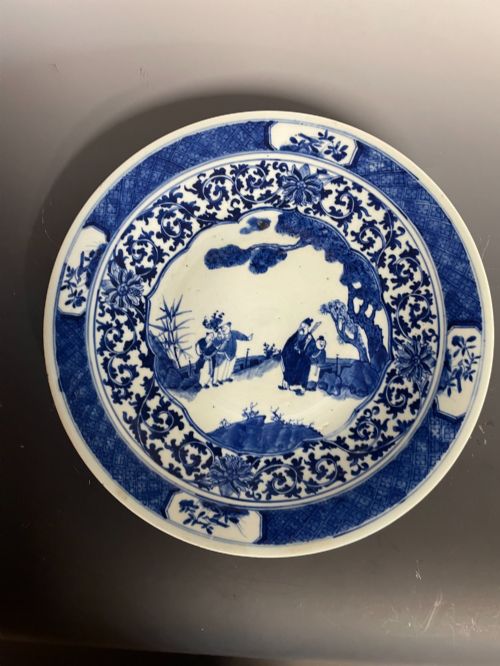
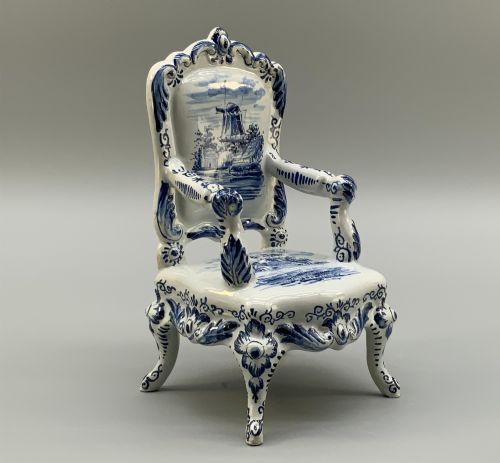
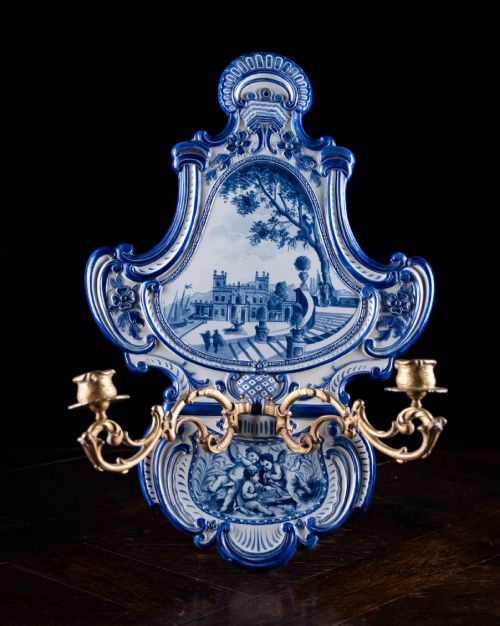
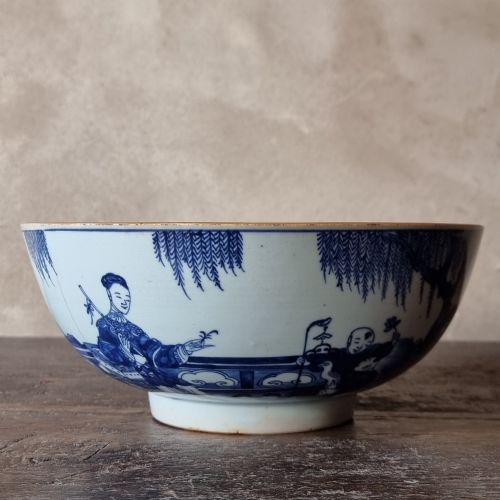
When searching for vintage blue white porcelain, collectors encounter pieces spanning from the seventeenth century through the Art Deco era. The selection ranges from English transferware and Delft earthenware to Chinese export porcelain and Japanese Imari wares.
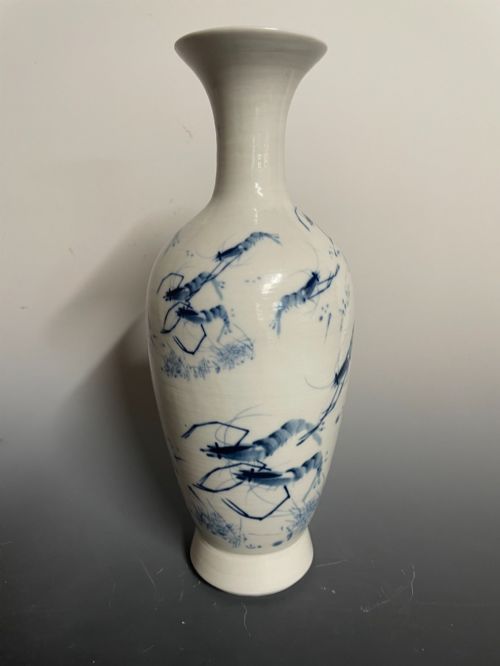
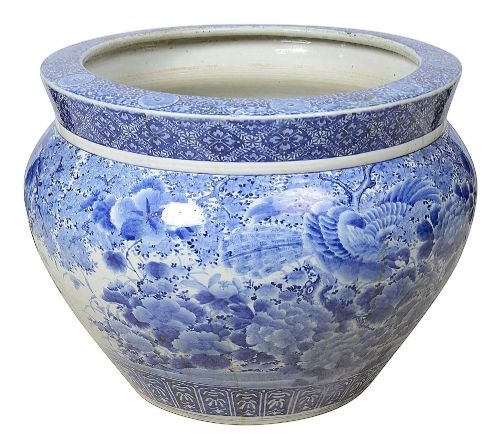
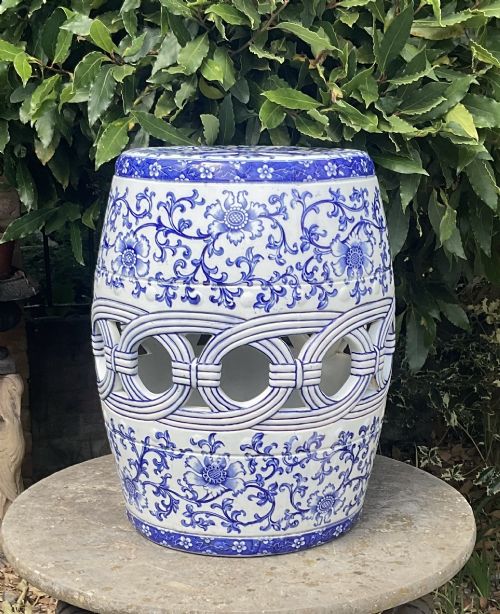
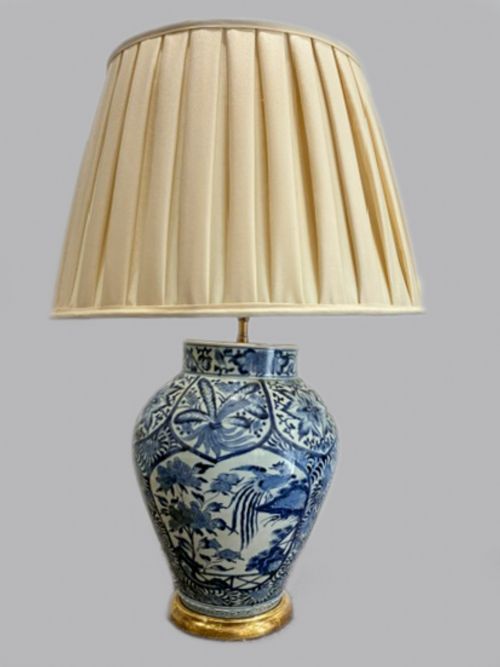
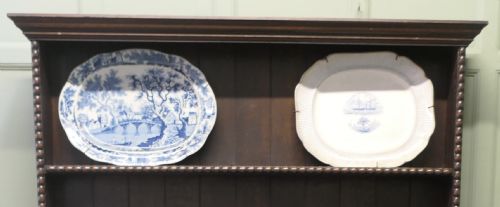
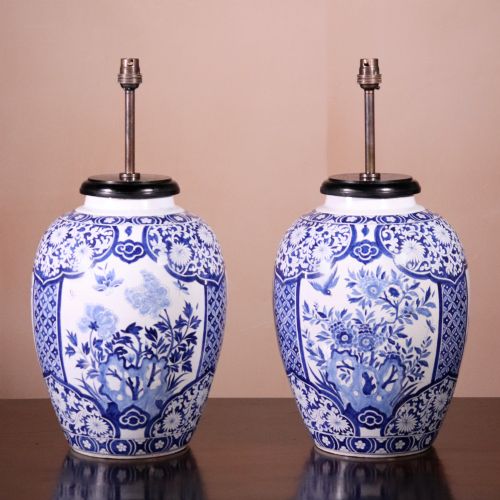
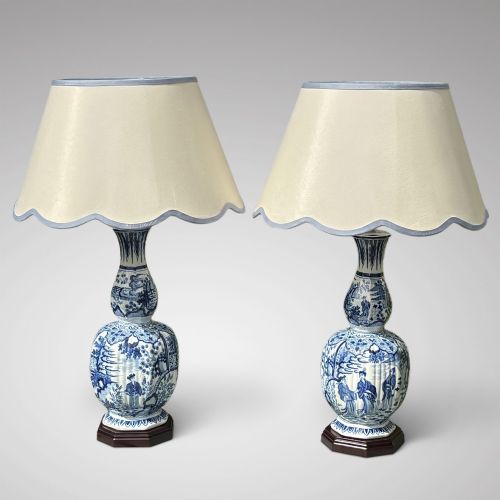
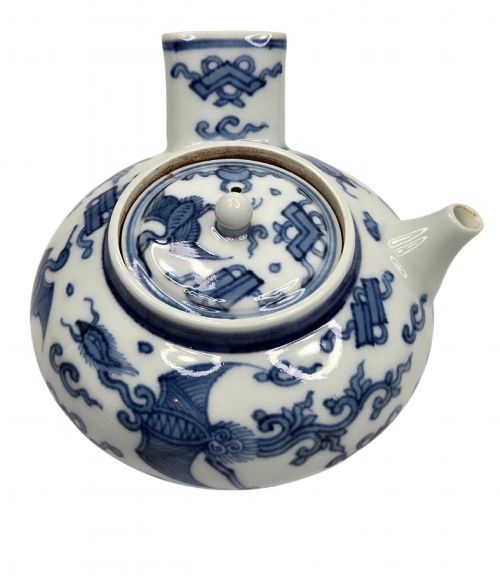
Tableware forms dominate the available items, including chargers, sauce boats, bowls, and complete tea sets. Decorative vessels such as vases, jardiniere, and ginger jars appear alongside lighting adaptations and domestic accessories.
European factories emulated Asian export models alongside their own native traditions, resulting in diverse cross-cultural designs. Victorian and Edwardian iterations sit alongside pieces from the Qing Dynasty and the Edo Period.
How They Were Made
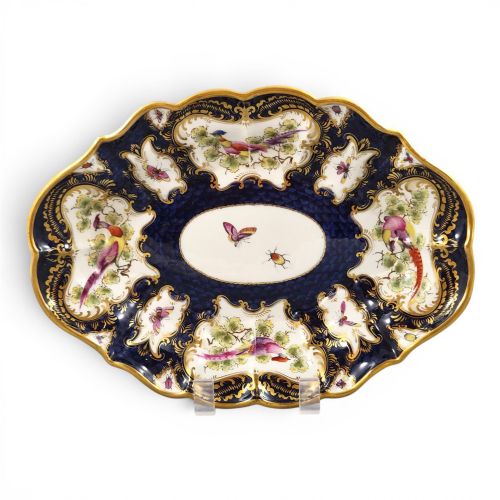
Cobalt underglaze provides the characteristic blue pigment applied directly to the ceramic body before firing. Enamel decoration and gold leaf accents sometimes overlay the glaze on later or more elaborate pieces.
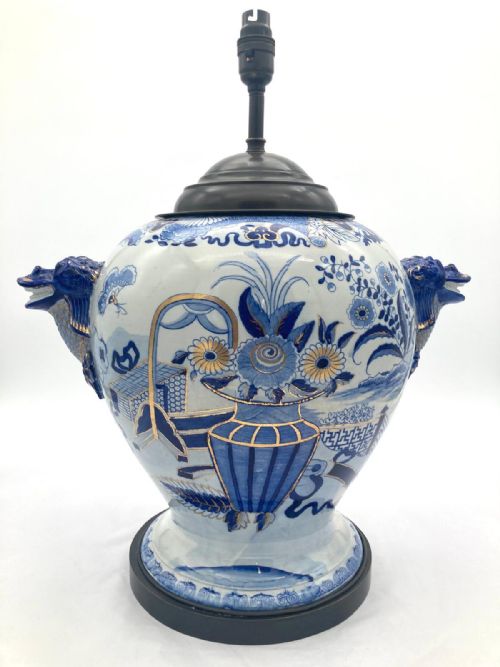
Makers utilised porcelain, ceramic, earthenware, and ironstone as bodies for these vessels. Metal mounts in brass, ormolu, and gilt-metal frequently finish items transformed into lamps or inkstands.
Listings feature items from the 17th century through the Art Deco period, utilising porcelain, earthenware, and ironstone.
What Varies in Quality
The clarity and depth of the cobalt underglaze separate standard production from superior examples. Controlled brushwork and crisp definition within the motifs indicate skilled factory execution.
The integration of secondary materials, such as finely chased ormolu mounts and gilt-metal fittings, distinguishes higher-tier decorative objects and converted lamps from basic domestic wares.
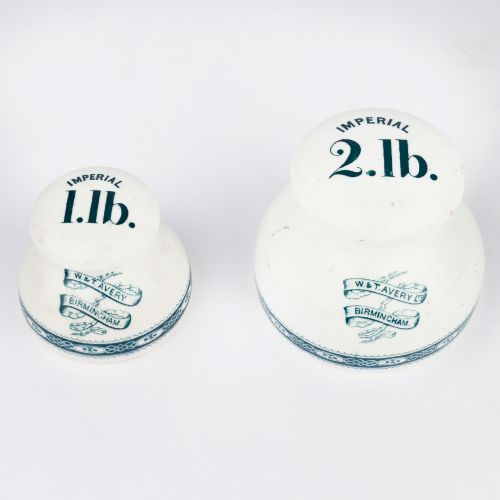
W & T Avery·Villeroy & Boch·Minton·Royal Worcester·Hicks and Meigh·Meissen·Wedgwood·Coalport
The Vintage Blue White Porcelain Glossary
- Cobalt Underglaze
- A blue metallic oxide pigment applied to pottery beneath a transparent glaze before high-temperature firing. This technique ensures the colour remains permanent and protected.
- Imari
- Japanese export porcelain decorated in underglaze blue, iron red, and gold. The style originated during the Edo Period and heavily influenced European ceramic factories.
- Transferware
- A method of applying complex decorative patterns to ceramics using a copperplate engraved transfer. It allowed factories to produce detailed blue and white scenes efficiently during the nineteenth century.
- Ironstone
- A patented heavy earthenware developed in Britain as a durable alternative to porcelain. It often accepts blue and white transfer designs with great crispness.
Vintage Blue White Porcelain: Frequently Asked Questions
How do I date blue and white porcelain?
Dating relies on factory backstamps, glaze characteristics, and stylistic conventions associated with periods like the Victorian era or the eighteenth century.
Form and potting weight also provide clues, as earlier pieces often show different clay bodies compared to later ironstone or transferware.
Are converted lamps safe to use?
Many antique vases and jars have been fitted for electricity to serve as table lamps. Rewiring by a professional ensures modern electrical safety while preserving the ceramic vessel.
Drilled bases or fitted mounts are common modifications found in historical lighting conversions.
How should I clean antique porcelain?
Gentle washing in warm water with mild soap preserves the glaze and any delicate enamel or gold leaf overglaze details. Abrasive sponges or harsh chemicals must be avoided to protect the surface.
Pieces with metal mounts or porous earthenware bodies require careful spot cleaning rather than total immersion.
What is the difference between porcelain and earthenware?
Porcelain is fired at higher temperatures, resulting in a vitrified, non-porous body that often rings when struck and appears translucent under strong light. Earthenware and ironstone are more opaque and absorbent.
Delft and certain utilitarian wares are typically earthenware with tin glazes rather than true hard-paste porcelain.