

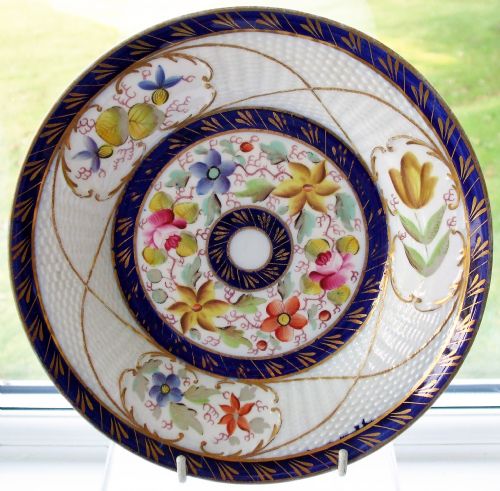


Vintage Blue Saucer
These vintage blue saucer pieces bring together centuries of ceramic history, offering both refined table use and decorative presence.
Vintage Blue Saucer
A vintage blue saucer typically appears within this selection as part of a tea service, coffee service, or as an individual ceramic dish originating from various historical periods. These pieces span the eighteenth, nineteenth, and twentieth centuries, incorporating British, European, and Japanese origins.
Buyers will encounter diverse stylistic influences across the listings, from Georgian and Victorian designs to Art Deco and Japanese Imari or blue and white traditions. Each object reflects the ceramic output of its specific era, utilising cobalt blue underglaze and hand-painted decoration.
What varies in quality
The refinement of the painted details and the precision of the cobalt blue underglaze application differentiate standard production from superior examples. Hand-painted birds, floral motifs, and bat wing patterns require advanced skill from the decorator.
The choice of material, such as fine bone china versus soft-paste porcelain or standard glass, influences the weight, translucency, and durability of the saucer. The inclusion of intact gold gilt or gold leaf enrichment elevates the stature of a piece.
Historical significance and factory provenance, including marked pieces from established houses like Coalport or Worcester, contribute to the desirability and standing of individual items within the range.
Vintage Blue Saucer Retail Price Guide 2026
Typical asking prices for vintage blue saucer among the pieces listed under this phrase on Sellingantiques today, from the lower quarter to the upper quarter. They describe what is for sale here now, not the wider market.
English, Russian, and Japanese workshops are represented in the current selection of wares.
Coalport·Gardner Porcelain·Lowestoft Porcelain·New Hall·Worcester
The Vintage Blue Saucer Glossary
- Cobalt blue underglaze
- A mineral pigment applied to ceramic bodies before glazing and high-temperature firing, ensuring the blue colour remains permanent beneath the glassy surface.
- Soft-paste porcelain
- An artificial porcelain composition fired at lower temperatures than hard-paste, common in early English factories like Worcester and Lowestoft.
- Bone china
- A type of porcelain containing bone ash, developed to provide increased strength, whiteness, and translucency in British tablewares.
- Gold gilt
- A thin layer of gold applied to the ceramic surface for decorative enrichment along rims and handles.
- Imari
- A style of Japanese export ceramics featuring rich cobalt blue and iron red, which heavily influenced European factories during the Georgian and Victorian eras.
Vintage Blue Saucer: Frequently Asked Questions
How do I care for antique saucers?
Wash these delicate ceramic and glass pieces gently by hand in warm water using mild soap. Avoid soaking items with gold leaf or enamel decoration to preserve the painted surfaces.
Store them securely in cabinets or use padded plate hangers if displaying them on walls. Sudden temperature changes can crack old soft-paste porcelain, so keep them away from direct heat.
Can I use them for daily tea?
While eighteenth and nineteenth-century pieces remain functional, their age and delicate glaze composition suggest occasional use rather than daily service. Hand washing is mandatory, as modern dishwashers will ruin old enamels and gold gilt.
Consider the material strength before use, noting that soft-paste porcelain and glass require more care than twentieth-century bone china.
How do I identify the period?
Look at the paste, weight, and underglaze characteristics to gauge the era of manufacture. Eighteenth-century pieces often display the softer body and characteristic glaze pooling of early English factories.
Factory marks, where present on the base, provide direct evidence of origin. Stylistic clues such as Victorian Imari or Art Deco geometry also help narrow down the date.
What is cobalt blue underglaze?
This technique involves painting cobalt oxide onto the unfired ceramic body before applying a clear glaze. A high-temperature kiln fire then fuses the blue pigment permanently beneath the glossy surface.
Because the decoration sits under the glaze, it resists fading and wear over centuries of handling.