
Vintage Blue Jar
A vintage blue jar brings rich colour and enduring form to a room, ranging from small vanity pots to large lidded vessels.
Vintage Blue Jar
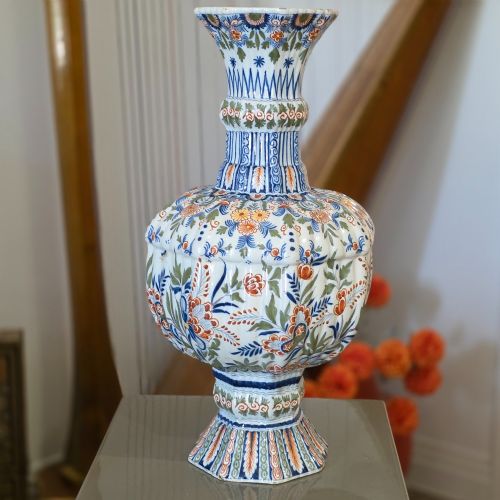
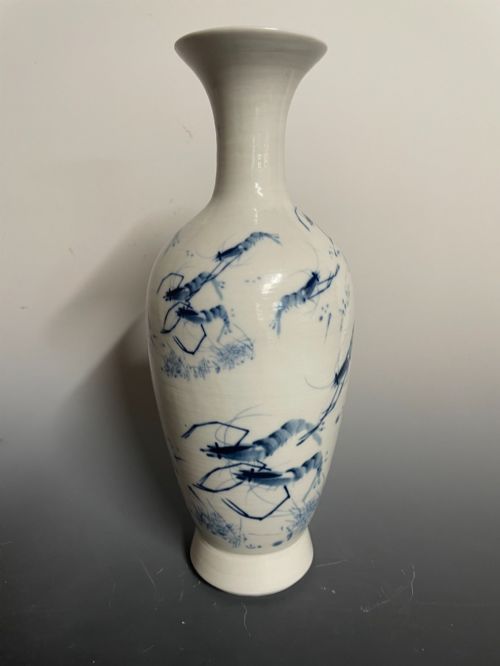
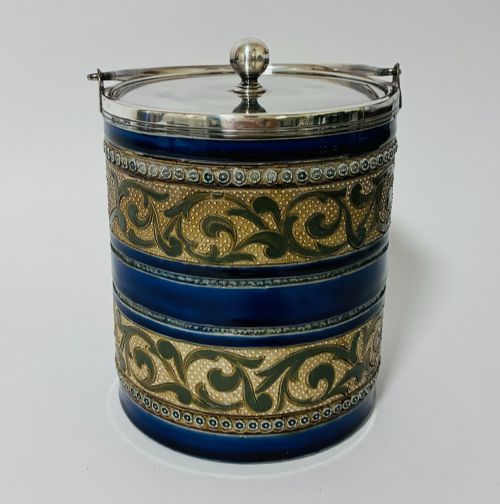
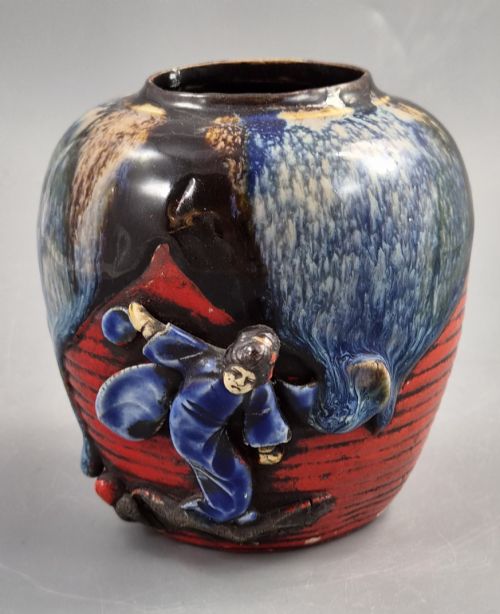
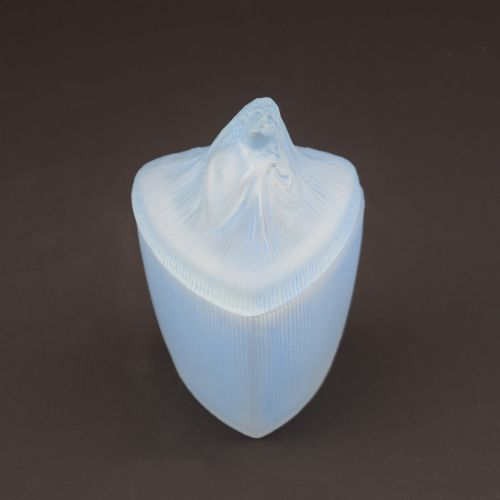
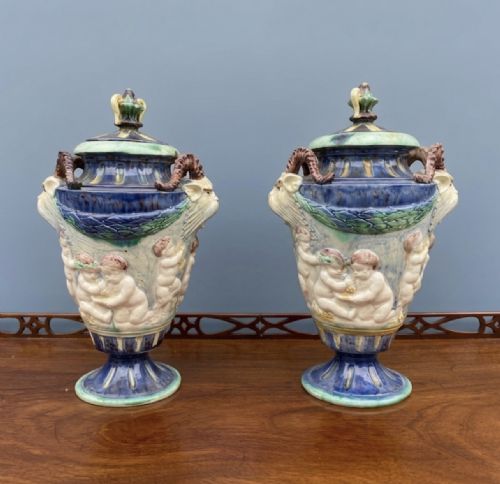
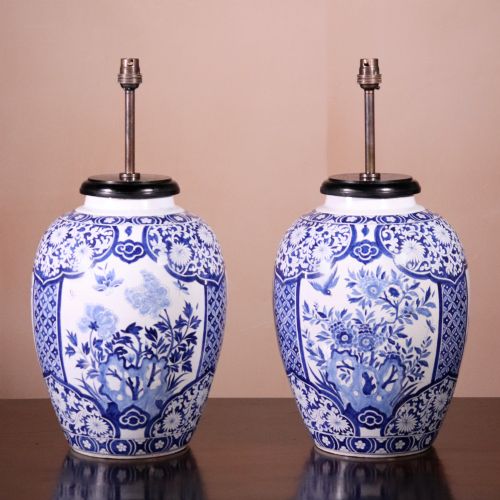
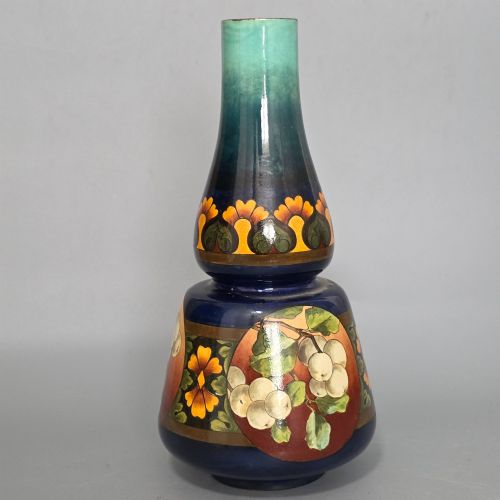
A vintage blue jar encompasses a wide variety of lidded vessels, storage containers, and display pieces originating from different periods and traditions. Buyers searching this phrase most frequently encounter ceramic and porcelain pieces spanning the nineteenth and twentieth centuries, including biscuit barrels, ginger jars, and vanity pots.
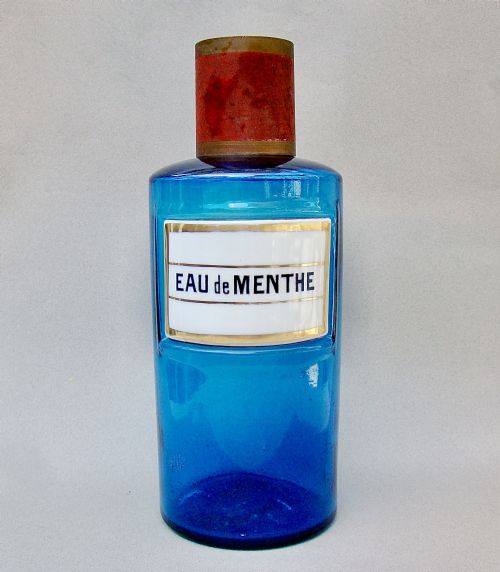
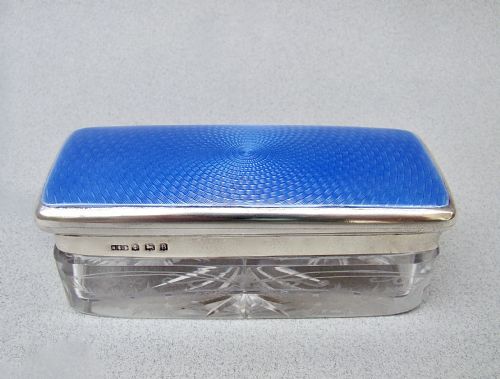
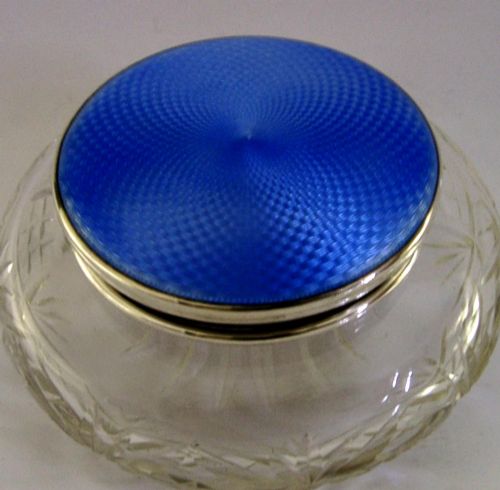
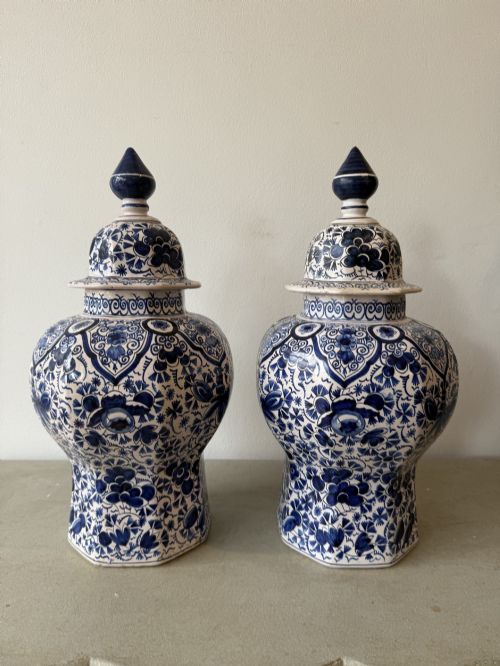
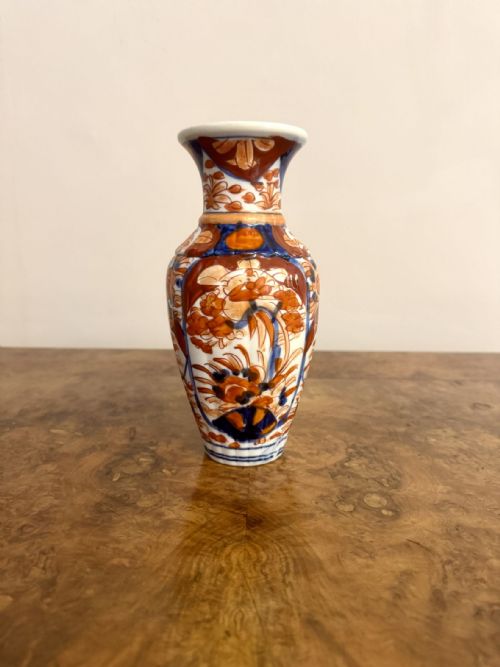
The selection ranges from English flow blue ceramics and Victorian chemist bottles to Japanese Imari porcelain and Dutch delft tobacco jars. Forms vary from small silver-topped dressing table boxes to large floor-standing vases and urns.
Origin points stretch across Europe and East Asia, reflecting diverse historical manufacturing centres. These vessels served practical functions in pharmacies, kitchens, and dressing tables before becoming purely decorative objects.
Materials and construction
Makers utilised a foundation of earthenware, porcelain, or glass, often applying cobalt glazes to achieve the characteristic blue tone. Firing techniques varied from high-temperature kilns for hard-paste porcelain to lower-temperature earthenware with tin glazes.
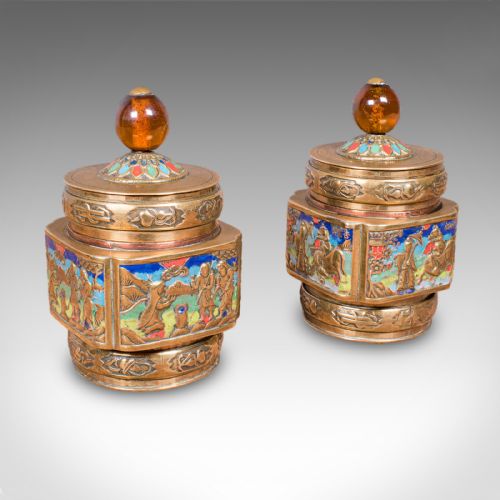
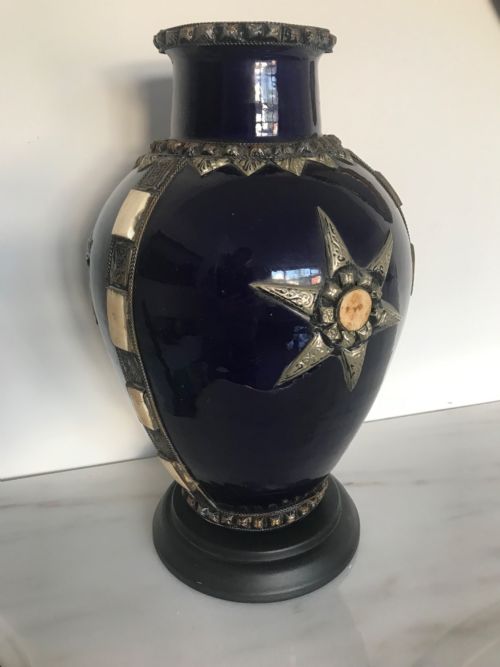
Metal mounts in brass, silver plate, or sterling silver frequently accompany ceramic bodies, particularly on biscuit barrels and dressing table jars. Decorative finishes include hand-painted motifs, transfer printing, gold leaf accents, and guilloche enamel details.
Listings feature items spanning the eighteenth, nineteenth, and twentieth centuries, utilising materials from brass and glass to porcelain and earthenware.
Distinctions in quality
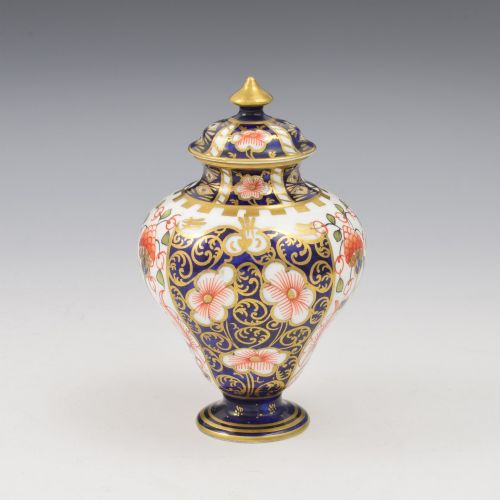
The finesse of the painted decoration distinguishes finer vessels from standard production pieces, particularly in hand-applied cobalt details on porcelain and delftware. Crispness in moulded or cut glass and the weight of silver or brass mounts indicate the original workshop standards.
Integrity of the glaze and the preservation of metallic mounts determine the condition tier. Pieces retaining matching lids and original stoppers command greater regard among collectors.
Henry Clifford Davis·Royal Crown Derby·Doulton Lambeth·Alice Euphemia Thatcher·Kinkozan
The Vintage Blue Jar Glossary
- Albarello
- A type of majolica pharmacy jar used for storing ointments and dry drugs, typically featuring an incurved waist for easy gripping.
- Biscuit Barrel
- A covered ceramic container designed for holding dry biscuits at the dining table, frequently fitted with a metal swing handle and plated lid.
- Guilloche Enamel
- A decorative technique involving precise mechanical engraving beneath a translucent enamel layer, common on dressing table pots.
- Flow Blue
- A style of transfer-printed earthenware where the cobalt blue ink blurred slightly during firing to create a soft, misty effect.
- Imari
- A traditional Japanese style of porcelain decoration characterised by cobalt blue, iron red, and gold overglaze elements.
Vintage Blue Jar: Frequently Asked Questions
How were antique blue ginger jars used?
Originally manufactured in China to store and transport spices, tea, and ginger, these lidded vessels later became decorative mantel ornaments in European homes.
Over time, their sturdy forms and striking cobalt designs made them favoured statement pieces for drawing rooms and hallways.
What is the difference between delftware and faience?
Delftware specifically refers to tin-glazed earthenware made in the Netherlands, most notably in the city of Delft, featuring characteristic blue and white motifs.
Faience is the broader European term for tin-glazed earthenware produced in France, Germany, and other regions, sharing similar decorative techniques.
How do I care for a vintage ceramic jar?
Dust ceramic and porcelain vessels gently with a soft, dry cloth and avoid submerging pieces with metallic mounts or delicate enamel in water.
Keep them away from direct sunlight and areas prone to extreme humidity to protect the glaze and any applied gold leaf.
Can I use an old chemist bottle for fresh flowers?
Large Victorian chemist bottles and pharmacy jars function well as rustic vases for stems and foliage, provided the interior is thoroughly rinsed.
Ensure that any historical labels or fragile glass surfaces are protected from moisture during cleaning.