
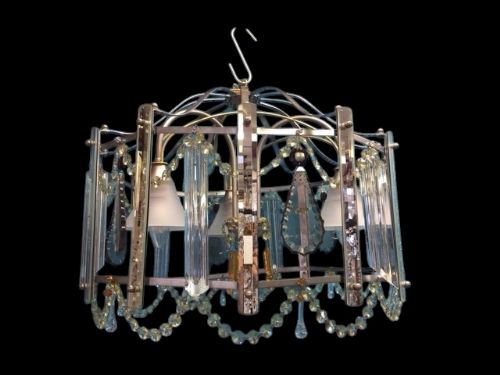
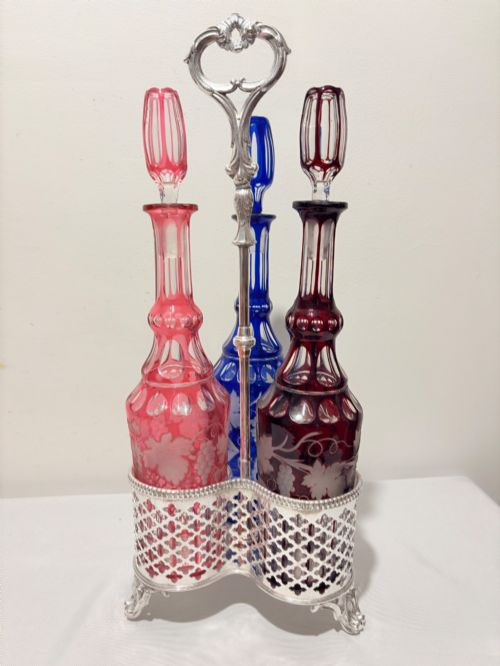
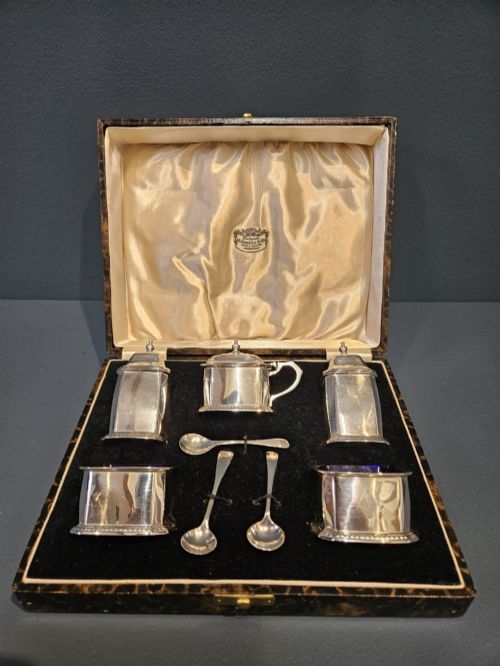
Vintage Blue Glass
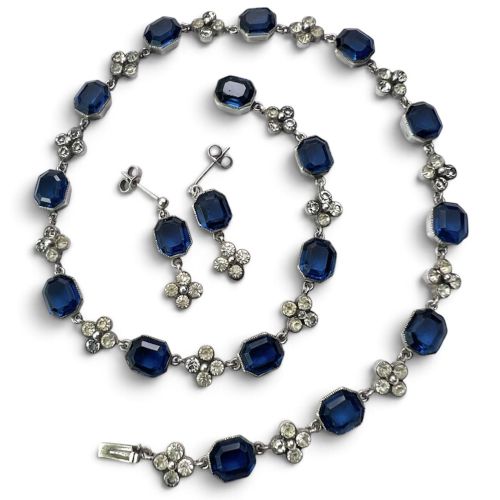
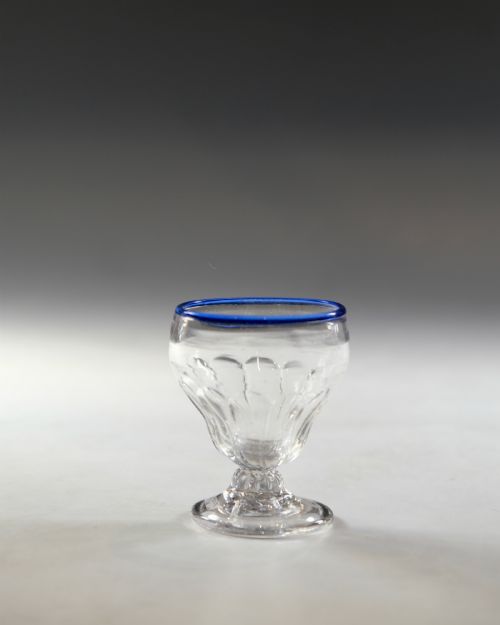
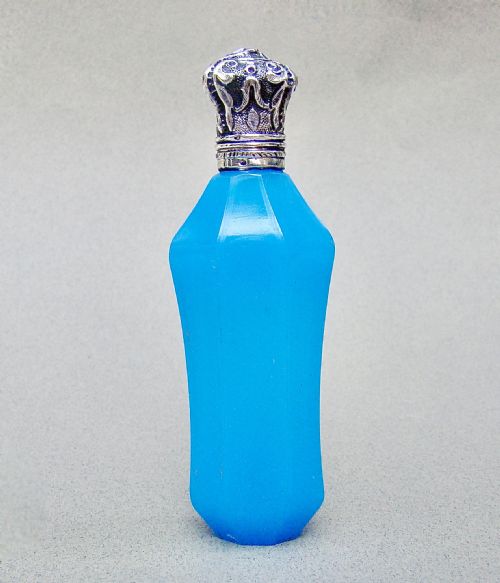
Vintage blue glass spans rich cobalt vessels, translucent opalescent bowls and delicate scent bottles shaped by changing decades of design.
Vintage Blue Glass
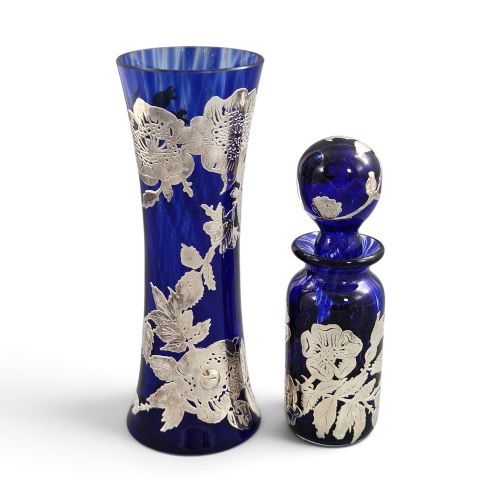
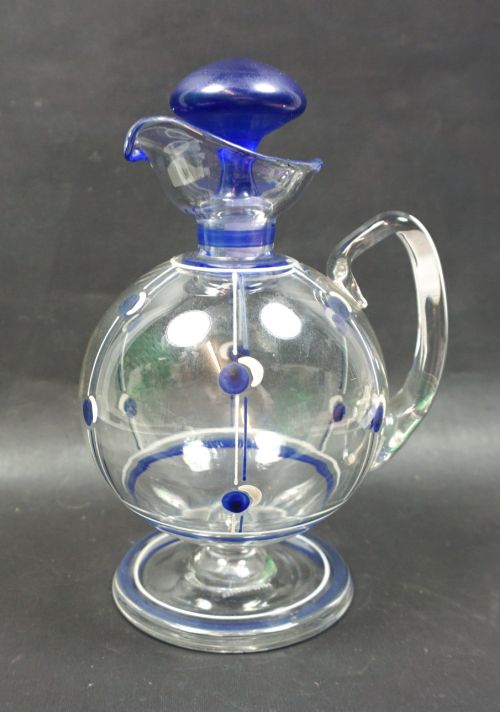
Vintage blue glass encompasses a diverse array of decorative and utilitarian objects, ranging from heavy chemist bottles and decanters to delicate scent bottles and dressing table jars.
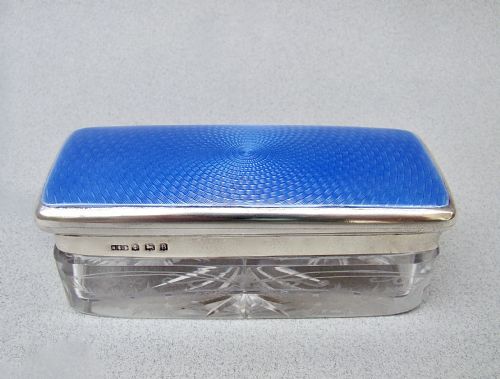
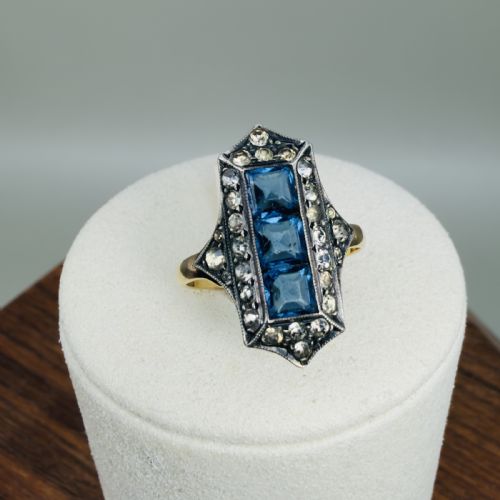
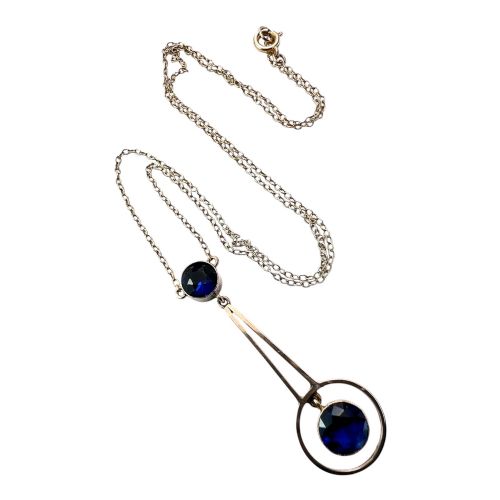
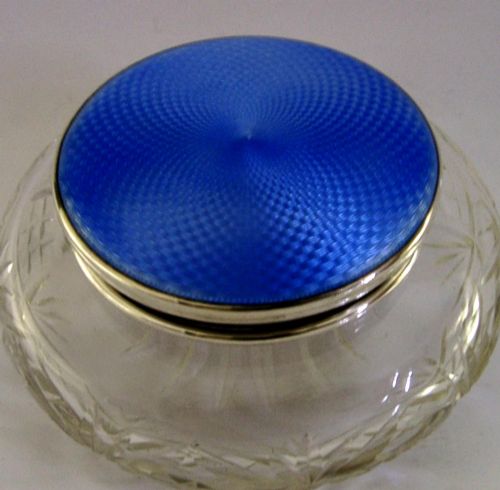
Pieces frequently surface alongside precious mountings of sterling silver, brass or enamel, reflecting the decorative priorities of periods such as the Victorian era and the Art Deco movement.
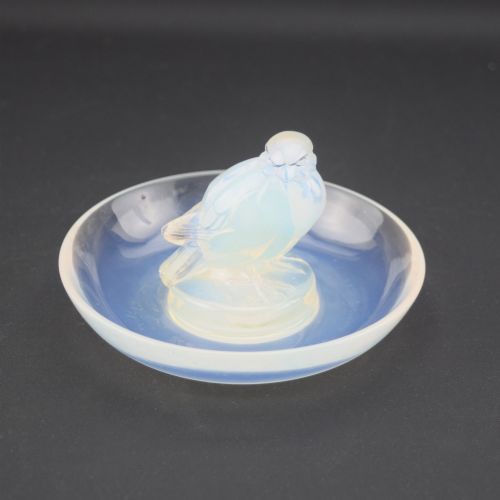
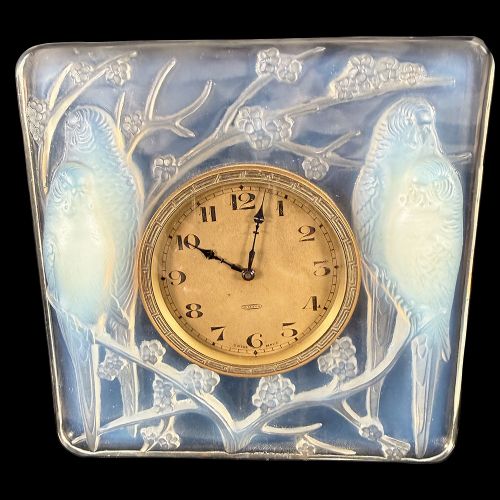
Collectors encounter everything from utilitarian tableware liners to masterworks of moulded opalescent crystal, grounding each search in tangible craftsmanship.
How they were made
Makers achieved distinctive colourations by introducing metallic oxides into the molten batch, producing deep cobalt tones or milky opalescent effects.
Hot glass was frequently press-moulded, blown into iron forms or hand-finished with cut facets, then occasionally paired with metalwork mounts of brass or sterling silver.
What varies in quality
Quality rests upon the crispness of mould relief, the depth of colour saturation within the material, and the refinement of any associated silver or enamel mountings.
Masterworks exhibit precision in their translucent optical properties and clean transitions, distinguishing exceptional studio output from standard commercial production.
Henry Clifford Davis·Rene Lalique·Amalric Walter·Daum Freres
The Vintage Blue Glass Glossary
- Opalescent Glass
- Glass that diffuses light to display a milky blue or fire-like shimmer across its raised surfaces. It changes appearance depending on the angle of illumination.
- Cobalt Glass
- Deep blue glass coloured using cobalt oxide during the melting process. It remains a staple of utilitarian chemist bottles and decorative tableware.
- Pate de Verre
- A kiln-casting method where crushed glass is packed into a mould and fused. This technique yields dense colour and a textured, granular surface finish.
- Guilloche
- An intricate mechanical engraving technique applied to metal underneath translucent enamel. It produces repeating geometric patterns visible through the coloured glaze.
Vintage Blue Glass: Frequently Asked Questions
How do I clean antique glass?
Wash pieces gently in warm water using mild soap, avoiding abrasive cloths or harsh chemical detergents that might damage delicate surface finishes.
Dry each item thoroughly with a soft lint-free cloth to prevent water spots from forming on the vintage material.
What periods do these pieces span?
The selection ranges from nineteenth-century Victorian and Georgian examples through the Edwardian era into the height of Art Deco production.
Mid-century items also appear, offering a broad view of historical manufacturing techniques and stylistic shifts.
Were these items purely decorative?
Many objects served functional roles in homes and dressing rooms, including scent bottles, mustard pots, vanity jars, and cruet sets.
Others, such as cabinet vases and art glass sculptures, were designed specifically for visual display.
How do I identify silver mounts?
Examine the metal surfaces for official hallmarks indicating assay offices, makers' marks, and standard purity indicators like sterling silver.
These stamps help verify the period and origin of the piece alongside the glass body.