




Vintage Blue Glass Urn
These vintage blue glass urn pieces are striking decorative vessels in cobalt, sapphire, and opalescent tones that bring rich colour and distinctive form to a room.
Vintage Blue Glass Urn
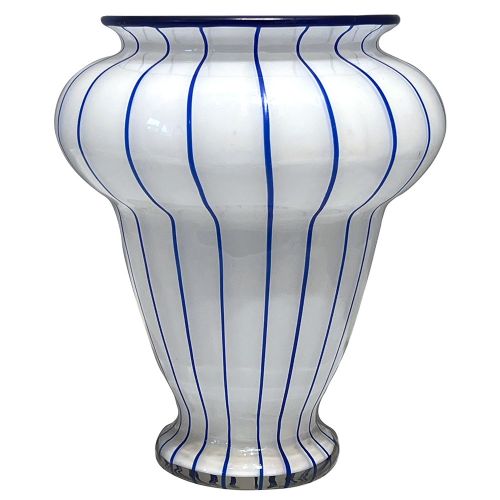
When you search for vintage blue glass urn items, you encounter decorative vessels that span the Victorian era, the Art Nouveau period, and the Art Deco style of the 1920s and 1930s. The forms vary from moulded and pressed glass shapes to lead crystal and cut glass designs.
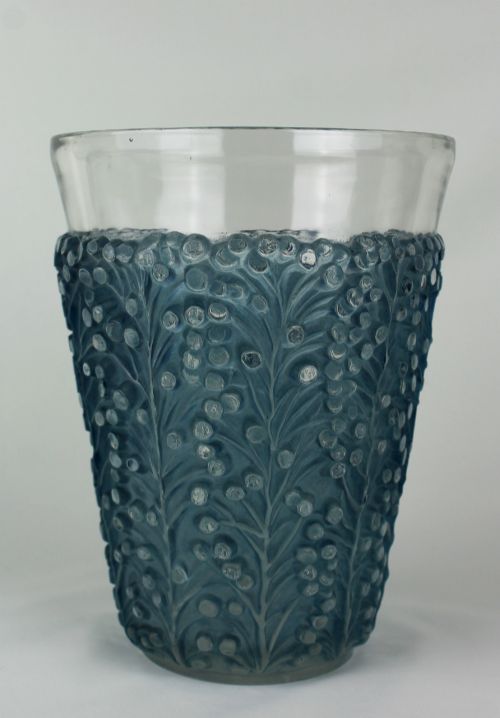
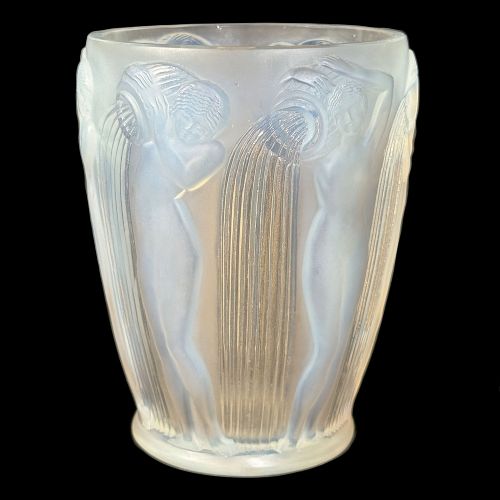
You are most likely to meet pieces produced in rich cobalt blue and opalescent glass, alongside examples featuring pewter overlays. These objects primarily function as decorative vases rather than utilitarian containers.
The origins represented in these pieces include notable glassworks from the early twentieth century as well as nineteenth-century Victorian workshops. Each period imparts a distinct silhouette and decorative treatment to the blue glass body.
Materials and production methods
The makers utilised molten glass infused with metallic oxides to achieve deep cobalt and sapphire shades, alongside specialised techniques for opalescent effects. Moulded and pressed glass methods allowed for intricate relief patterns and sculptural details.
Lead crystal and clear glass layers were frequently utilised in Victorian pieces, where skilled artisans cut through the coloured surface to reveal the clear glass beneath. Metalworking techniques also appear, notably pewter overlays applied directly to the glass bodies during the Art Nouveau period.
Vintage Blue Glass Urn Retail Price Guide 2026
Typical asking prices for vintage blue glass urn among the pieces listed under this phrase on Sellingantiques today, from the lower quarter to the upper quarter. They describe what is for sale here now, not the wider market.
The listings span the Victorian era, the Art Nouveau style, and the Art Deco period of the 1920s and 1930s.
Assessing quality in blue glass
Quality rests in the crispness of the moulded relief and the depth of the coloured glass, where superior examples exhibit sharp definition in sculptural motifs and rich tonal variation under changing light. Cut glass pieces demonstrate excellence through precise facets and clean removal of the outer glass layer to expose the clear material underneath.
The integration of metal elements, such as pewter overlays, distinguishes finer workmanship by fitting securely to the glass contour without excess solder or clumsy joins. The weight of the material and the absence of internal bubbles or distortion in the glass body further separate standard production from exceptional work.
R Lalique·René Lalique·Monart
The Vintage Blue Glass Urn Glossary
- Cobalt Glass
- Glass coloured to a deep blue shade by the addition of cobalt oxide during the melting process. This intense hue forms the base for many Victorian and twentieth-century decorative pieces.
- Opalescent Glass
- Glass that displays a milky, translucent quality with pearlescent highlights that shift in colour when viewed from different angles. It is particularly characteristic of twentieth-century French design.
- Cut to Clear
- A decorative technique where a cased glass vessel has its coloured outer layer carved away in patterns to expose a clear inner layer. This creates high contrast between the saturated blue surface and the transparent glass.
- Pewter Overlay
- Metal decoration applied to the exterior of a glass vessel, often cast in plant or floral motifs. This technique gained prominence during the Art Nouveau period to frame the coloured glass body.
Vintage Blue Glass Urn: Frequently Asked Questions
What periods do these blue glass pieces come from?
The pieces span the Victorian era through to the Art Deco period of the 1920s and 1930s.
Victorian items often feature cut glass and pewter mounts, while 1920s and 1930s examples lean towards opalescent glass and modernist forms.
How do I clean vintage blue glass?
Dust the surface regularly with a soft, dry cloth to prevent grime buildup in moulded relief and cut facets.
Avoid harsh chemical cleaners or submersion in hot water, particularly on pieces with pewter overlays.
How do I tell Art Nouveau from Art Deco pieces?
Art Nouveau items display organic, fluid lines inspired by nature, often incorporating pewter overlays and botanical motifs.
Art Deco pieces favour geometric precision, stylised floral reliefs, and the luminous qualities of opalescent glass.
Where should I display a blue glass vessel?
Place the piece near a natural light source to activate the depth of the cobalt or opalescent glass.
Ensure it sits on a stable, flat surface away from busy edges where it might be knocked.