



Edwardian Glass Decorative Vessel
These edwardian glass decorative vessel pieces bring remarkable form and historic charm into your home.
Edwardian Glass Decorative Vessel
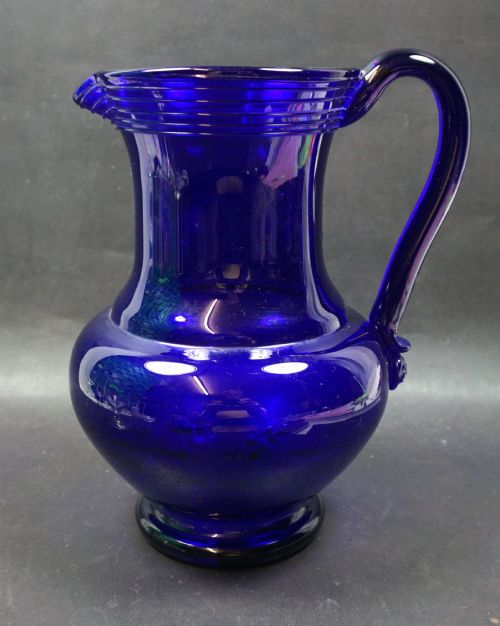
When you search for an edwardian glass decorative vessel, you encounter distinctive glassware designed to catch the light and display surfaces with genuine period character. The selection spans vases, decorative dishes, centrepieces, apothecary bottles, and jars.
The pieces on this page draw from periods including Victorian, Edwardian, and mid twentieth century aesthetics. Styles range from Art Nouveau and Arts and Crafts to Rococo Revival, creating a diverse visual landscape for collectors.
You are most likely to meet glassware shaped as vases or functional apothecary items. These vessels showcase varied manufacturing techniques and ornamentations typical of their respective periods.
Materials and construction
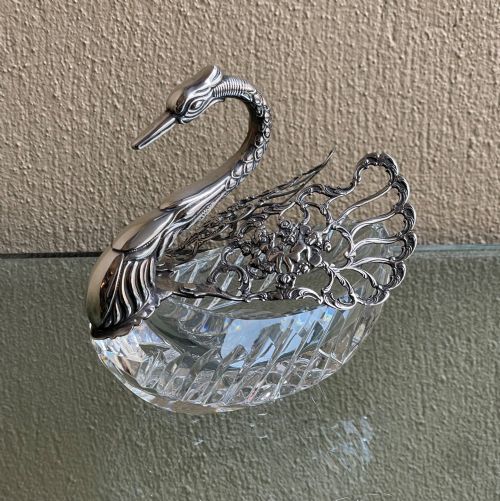
Makers utilised clear glass, cut glass, lead crystal, and cobalt glass to achieve different optical effects and weights. Some pieces incorporate metal elements such as silver plate and pewter mounts or overlays.
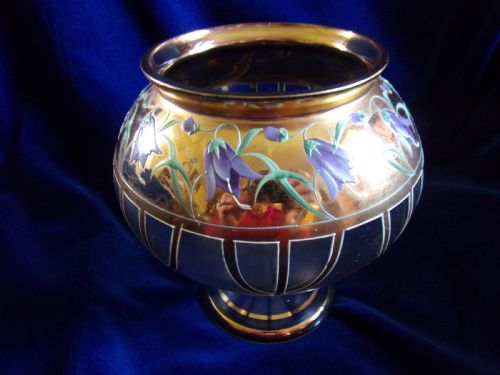
Decoration involved techniques like enamelling, gilding, gold leaf application, and cameo carving. Optically blown pieces display characteristic internal movement within the glass body.
Edwardian Glass Decorative Vessel Retail Price Guide 2026
Typical asking prices for edwardian glass decorative vessel among the pieces listed under this phrase on Sellingantiques today, from the lower quarter to the upper quarter. They describe what is for sale here now, not the wider market.
Object forms span standard vases and decorative dishes alongside apothecary bottles, carboys, and large centrepieces.
Assessing quality
Quality rests upon the crispness of the cutting, the purity of the crystal or glass, and the integration of any metalwork mounts. Artistry in surface decoration, such as hand enamelling or cameo layering, elevates a piece significantly.
Condition and originality dictate desirability. Complete metal overlays, intact gilding, and well preserved enamel details separate ordinary production from exceptional examples.
James Powell·Stuart·Emile Gallé
The Edwardian Glass Decorative Vessel Glossary
- Optically blown
- Glass blown into a ribbed or patterned mould to create internal optical distortion. This technique produces fine parallel lines or ripples within the vessel wall.
- Cameo glass
- Glass vessels featuring multiple fused layers of different colours carved away to create a raised design. It requires immense skill from the artisan.
- Silver plate
- A base metal coated with a thin layer of silver. This material often forms rims, handles, or decorative overlays on glass vessels.
- Enamel
- Opaque vitreous composition fused to the glass surface through firing. It adds colourful painted details and designs.
- Lead crystal
- Glass containing metal oxide that increases weight, brilliance, and clarity. It allows for deep, sharp facet cutting.
Edwardian Glass Decorative Vessel: Frequently Asked Questions
What is an edwardian glass decorative vessel used for?
These vessels served primarily as ornamental display pieces in period interiors, holding flowers or simply catching the light on a mantelpiece.
Larger items like apothecary carboys and jars also functioned originally in shop window displays or interior storage roles.
How do I style these glass pieces at home?
Place them near natural light sources such as windowsills or polished wooden sideboards to highlight the colours and textures of the glass.
Mixing different forms like vases and dishes creates a layered, historic aesthetic without crowding a room.
How can I tell period styles apart?
Art Nouveau examples display fluid, organic lines and floral motifs, often combined with pewter or enamel.
Victorian and Edwardian pieces frequently feature heavier cut crystal, flash overlays, or painted figures characteristic of Mary Gregory styles.
Are metal mounts original to the glass?
Many vessels feature integrated metalwork such as pewter overlays or silver plated rims applied during manufacture to enhance the decorative scheme.
Examining how the metal meets the glass helps determine whether mounts belong to the original design period.