







Vintage Blue Dresser
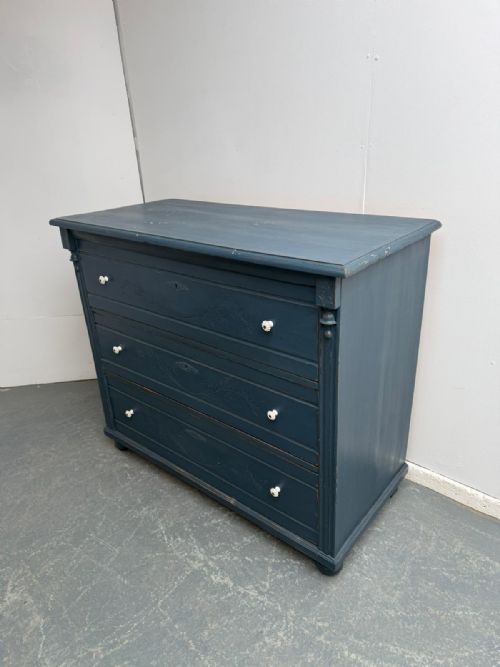
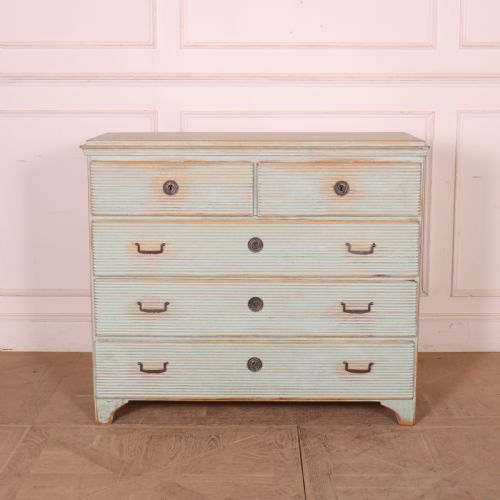
A vintage blue dresser brings functional storage and soft painted character to a room, ranging from rural English bases to Scandinavian country cupboards.
Vintage Blue Dresser
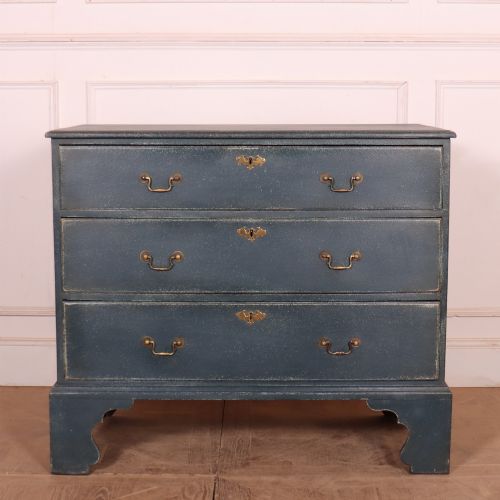
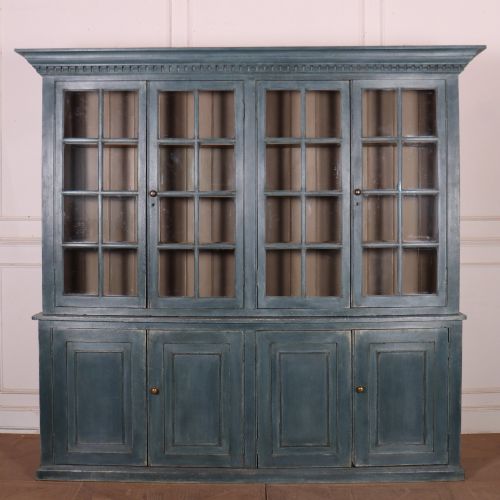
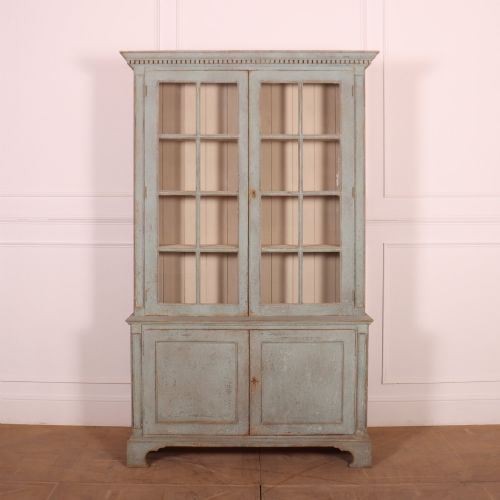
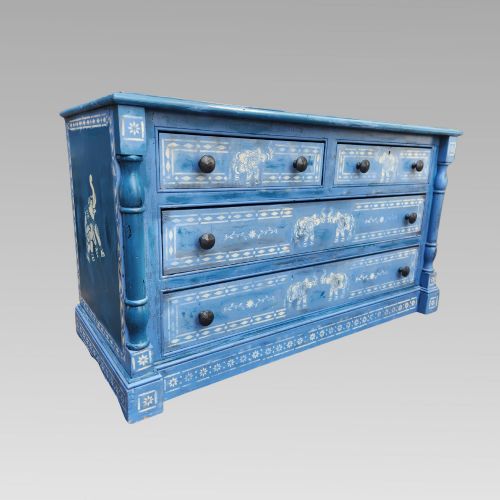
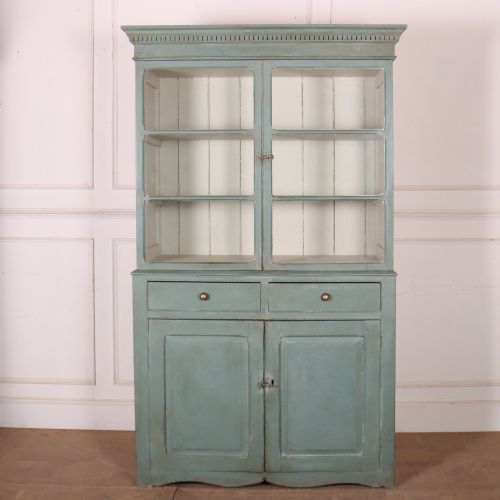
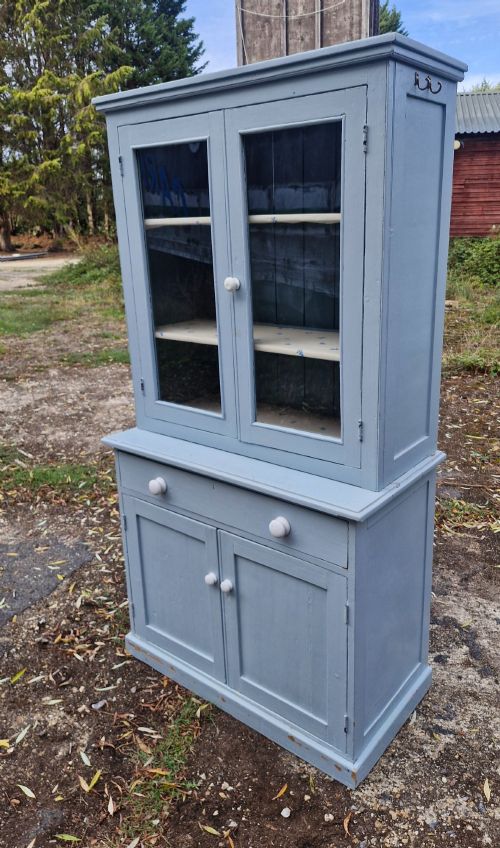
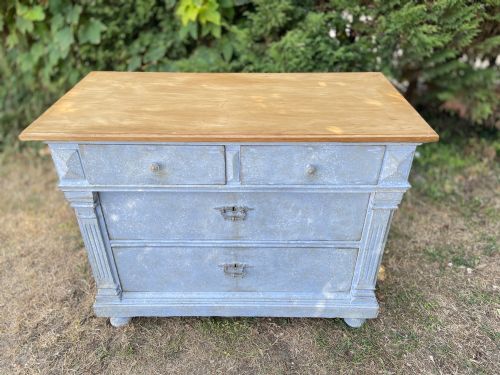
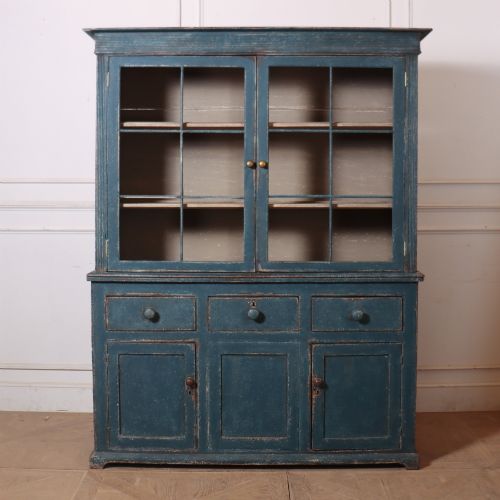
When searching for a vintage blue dresser, buyers encounter various forms such as kitchen dressers, two-part cupboards, and painted chests of drawers originating from regional English workshops and continental Europe. These pieces date across the eighteenth, nineteenth, and early twentieth centuries, reflecting utilitarian domestic needs in domestic settings. The most frequent examples on this page are pine kitchen dressers and painted chests of drawers finished in blue pigment.
Regional variations span West Country dressers, Scottish glazed cabinets, and Swedish or Baltic cupboards. Such furniture provides practical shelving and drawer capacity whilst displaying the marks of long household use. The surface finishes range from untouched layers of historic blue paint to hand-painted decorative schemes.
Materials and construction
Makers relied principally on solid pine and other softwoods for carcases, drawers, and shelving, joining elements with traditional dovetails and pegged joints. Iron and brass hardware, including drop handles and hinges, fastened doors and drawers securely.
Surfaces received coats of oil- or water-based paint, sometimes layered over decades to create rich patinated finishes. Glazed doors incorporated mouth-blown or early sheet glass held in wooden glazing bars.
Vintage Blue Dresser Retail Price Guide 2026
Typical asking prices for vintage blue dresser among the pieces listed under this phrase on Sellingantiques today, from the lower quarter to the upper quarter. They describe what is for sale here now, not the wider market.
Listings feature pine, painted wood, and brass components across nineteenth-century English and Scandinavian country styles.
Quality differences
Quality rests in the survival of original painted surfaces and structural integrity rather than smooth factory finishes. Pieces retaining their initial backboards, drawers, and brass or iron furniture command greater regard.
Proportion and regional carpentry distinguish better examples, such as those with cleanly cut bracket feet, fielded drawer fronts, and balanced door panels. Alterations to timber or stripped paint surfaces reduce the integrity of an antique.
Minton·René Lalique·Sabino
The Vintage Blue Dresser Glossary
- Dresser base
- The lower section of a kitchen dresser featuring drawers and cupboards without the upper plate rack. This form served as a heavy work surface in provincial houses.
- Commode
- A low chest of drawers or cabinet standing on legs, popular in eighteenth- and nineteenth-century European interiors. French and Swedish examples frequently incorporate curved serpentine fronts.
- Ragwork
- A decorative paint technique where rags or cloths create mottled, textured patterns on a surface. It appears on nineteenth-century Scandinavian cupboards to mimic grain or add visual depth.
Vintage Blue Dresser: Frequently Asked Questions
How do I clean a painted pine dresser?
Dust surfaces regularly with a dry or slightly damp cloth to prevent dirt accumulation. Avoid harsh chemical cleaners that strip historic paint layers.
Preserve the patina by applying specialist wax sparingly if the timber or paintwork appears dry. Test any product on a hidden area first.
Are these dressers suitable for modern kitchens?
These cabinets offer deep drawers and shelving that accommodate contemporary tableware and linens. Their practical storage makes them functional additions to dining rooms and kitchens.
Measure available floor space carefully, as provincial cupboards often feature deep cornices and varied footprints. Ensure adequate clearance for opening doors and drawers.
How do I identify a Gustavian cabinet?
Gustavian pieces display neoclassical restraint through fluted drawer fronts, straight tapering legs, and pale painted surfaces. They originate from Sweden during the nineteenth century or earlier.
Hardware tends to be simple cast brass or iron matching the geometric lines of the cabinet. Proportions remain balanced and light compared to heavier Victorian furniture.
What is a West Country dresser?
A West Country dresser originates from the south-west of England, constructed primarily from local pine or hardwood. These pieces served rural households for food preparation and storage.
They often feature open pot boards beneath drawers and sturdy pegged framing. Surviving examples carry decades of domestic use and original painted finishes.