





Vintage Blue Cupboard
A vintage blue cupboard brings regional charm and painted character to an interior.
Vintage Blue Cupboard
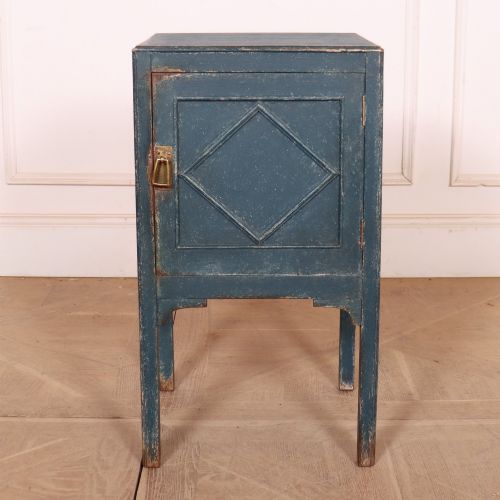
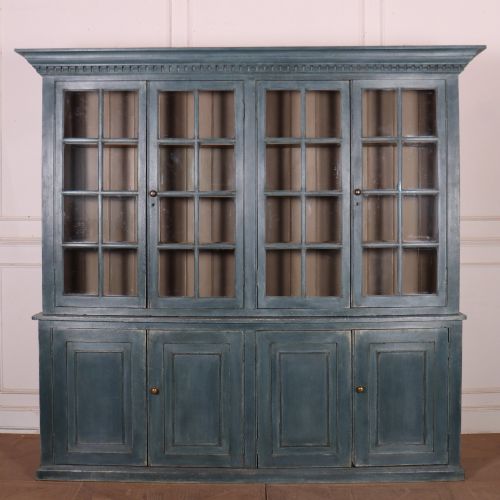
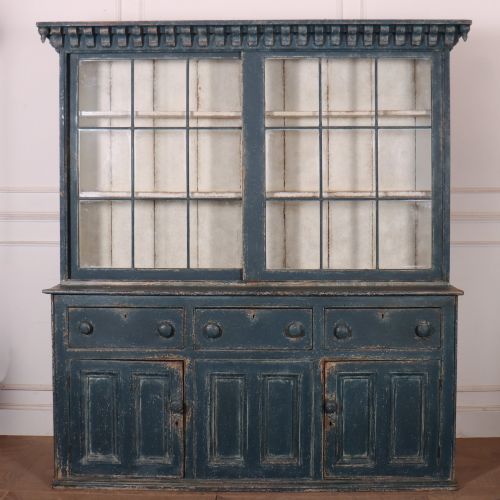
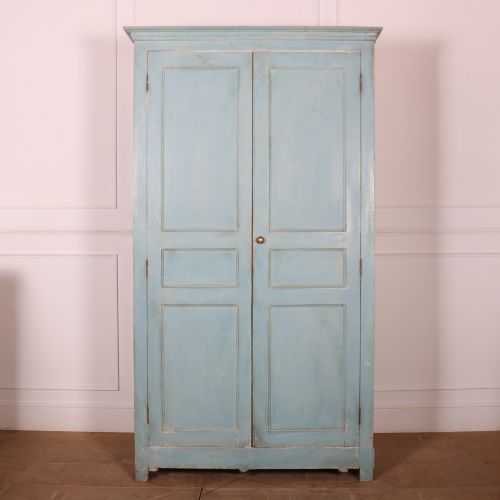
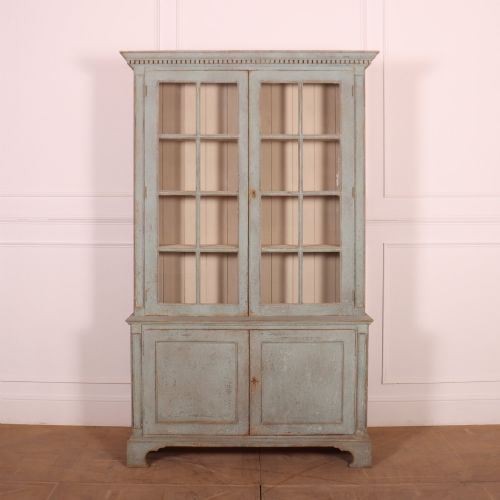
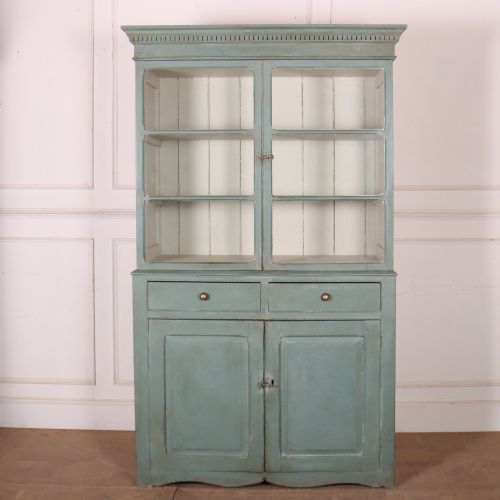
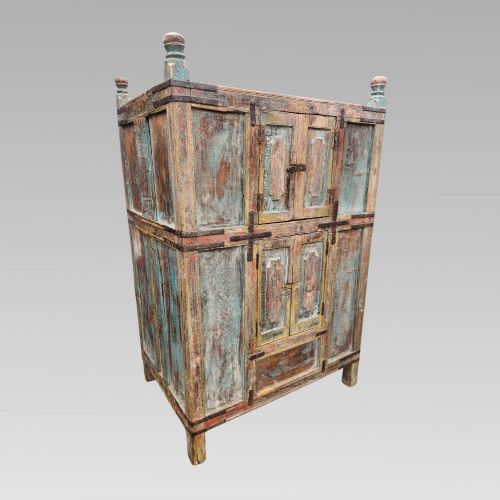
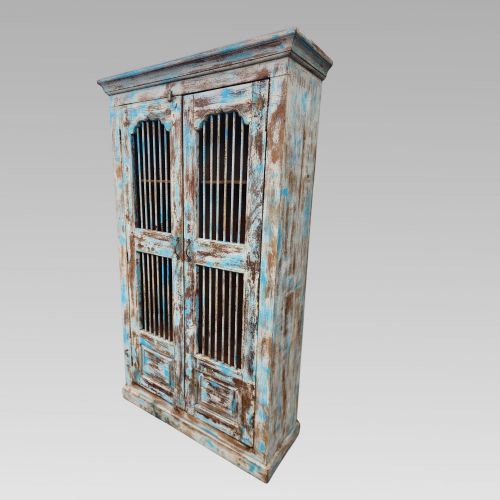
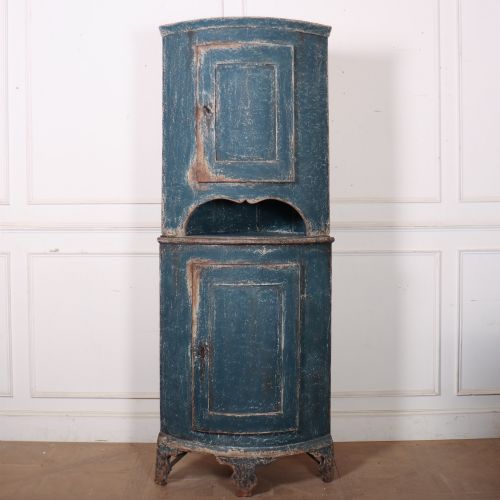
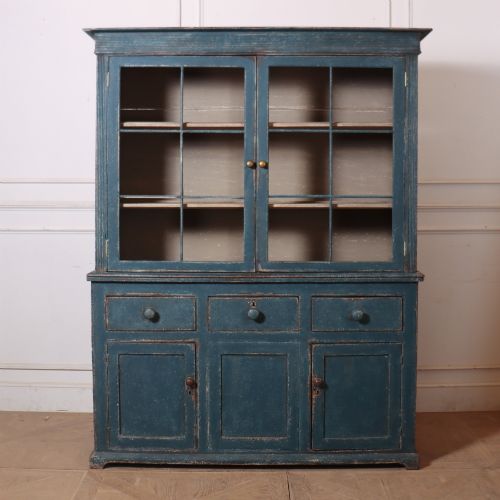
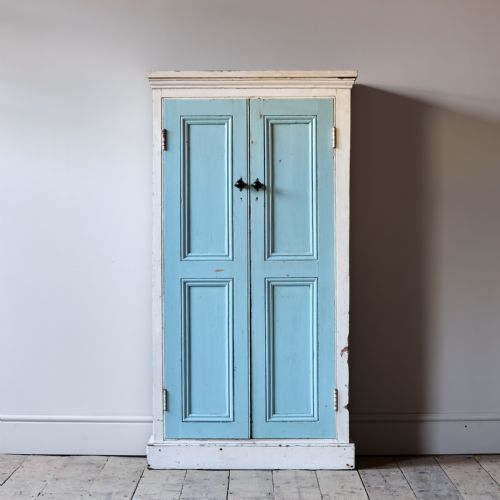
A vintage blue cupboard encompasses a diverse range of regional storage furniture, from tall kitchen dressers and linen cupboards to bedside cabinets and hanging wall units. Buyers searching for a vintage blue cupboard typically encounter rustic pine and painted wood pieces hailing from nineteenth-century British, Scandinavian, and continental European workshops. These utilitarian forms were built for domestic storage in farmhouses, kitchens, and halls before receiving coats of pigment that range from soft Gustavian blue-greys to vibrant folk finishes.
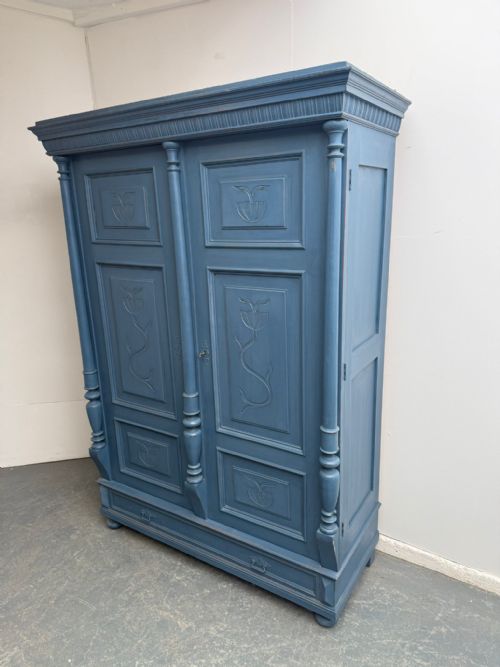
The regional variety on display spans several distinct decorative traditions, including Swedish corner cupboards, West Country dressers, and Austro-Hungarian hand-painted storage pieces. Nineteenth-century examples dominate the selections alongside early twentieth-century kitchen sideboards and occasional twentieth-century mahogany or cedar adaptations. Whether configured as a two-part kitchen cupboard, a glazed display cabinet, or a compact bedside unit, each piece retains the practical footprint of traditional domestic utility.
Construction and materials
Makers built these storage pieces predominantly from solid pine and regional softwoods, assembling carcasses with pegged joints, dovetailed drawer construction, and panelled doors. Iron and brass hardware such as strap hinges, latches, and drop handles secure the heavy timber doors, while occasional glass panes front the glazed kitchen cabinets and dressers.
Surfaces received layers of traditional paint, often applied as flat oil colours, distemper, or decorative ragwork finishes that patinated over decades of domestic use. Carved details appear on select Hungarian wardrobes and English pine cabinets, adding tactile depth to the painted wooden facades.
Vintage Blue Cupboard Retail Price Guide 2026
Typical asking prices for vintage blue cupboard among the pieces listed under this phrase on Sellingantiques today, from the lower quarter to the upper quarter. They describe what is for sale here now, not the wider market.
Nineteenth-century ragwork paint methods turned ordinary pine boards into marbled marvels using little more than scraps of cloth and linseed oil.
Assessing quality in painted storage furniture
The distinction between standard utility furniture and superior examples rests in the integrity of the original construction and the preservation of authentic surface finishes. Pieces retaining their early or original blue paint layers carry greater character than later, unrecorded overpainting, as genuine patination reveals the natural interaction between the soft timber substrate and historic pigments.
Structural harmony also dictates quality, separating straightforward vernacular joinery from more ambitious regional forms like bowed front corners, breakfront bookcases, or intricate carved panels. Well-balanced proportions and untouched ironwork elevate a simple pine cupboard into a statement interior piece.
The Vintage Blue Cupboard Glossary
- Gustavian
- The Swedish neoclassical design movement spanning the late eighteenth and nineteenth centuries, characterised by restrained carved detailing and pale painted finishes.
- Dovetail
- A traditional wood joint formed by interlocking wedge-shaped fingers, prized for its tensile strength in drawer construction.
- Ragwork
- A decorative paint technique where rags or cloths are dabbed into wet glaze to create mottled, textured surface patterns.
- Breakfront
- A piece of furniture featuring a central section that projects forward from the flanking flanking wings, adding architectural depth to bookcases and sideboards.
- Housekeeper's cupboard
- A large vernacular storage cabinet traditionally used for linens and dried stores in country houses, featuring multiple doors and internal shelving.
Vintage Blue Cupboard: Frequently Asked Questions
How do I style a blue cupboard in a modern room?
Allow the painted timber finish to act as a natural focal point by placing the piece against neutral plaster or lime-washed walls. The historic pigment softens contemporary spaces while providing practical enclosed shelving for everyday household items.
Pair the cupboard with complementary textiles and simple wooden furniture to echo the rustic vernacular origins of nineteenth-century pine storage.
Are these cupboards suitable for kitchen storage?
Many of these pieces originated as kitchen dressers, sideboards, or glazed cabinets designed specifically for culinary provisions, crockery, and linens. Their deep internal shelving and sturdy pine construction accommodate modern tableware and pantry items with ease.
Ensure that internal shelf depths match your intended storage needs, particularly when housing larger serving dishes or small appliances.
What is the difference between Swedish and English country pieces?
Swedish regional pieces often exhibit the pale, cooler blue-grey tones associated with the Gustavian and Scandinavian country traditions, frequently featuring refined neoclassical mouldings or clean architectural lines. English country furniture from the West Country or northern shires tends to prioritise heavier utility, displaying warmer pine timbers and robust vernacular proportions.
Both traditions rely on solid painted wood construction but reflect the distinct decorative preferences of their respective rural communities.
How should I care for historic painted wood?
Maintain painted surfaces by dusting gently with a dry, soft cloth and avoiding harsh chemical cleaning agents that can strip historic pigments. Keep wooden furniture away from direct heat sources and dramatic humidity fluctuations to prevent timber movement and paint flaking.
Applying a microcrystalline wax to unpainted interior pine surfaces helps preserve the dry timber without damaging the exterior decorative finish.