


Vintage Blue Armoire
A vintage blue armoire brings character and substantial storage to a room, spanning rustic folk traditions and formal periods.
Vintage Blue Armoire
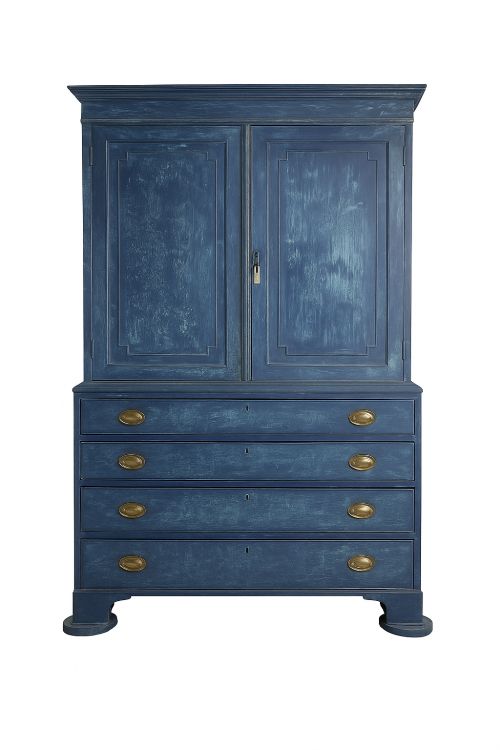
When you search for a vintage blue armoire, you find a collection of large storage furniture that encompasses traditional cupboards, linen presses, wardrobes, and kitchen cabinets. These pieces serve as functional storage while introducing historic painted finishes to an interior.
The pieces listed on this page span the 19th century, 1930, 1900, Regency, and Victorian periods. They originate from diverse traditions including Scandinavian country, rustic Indian, Victorian country, traditional Indian, Hungarian folk, Scandinavian folk art, and Gustavian styles.
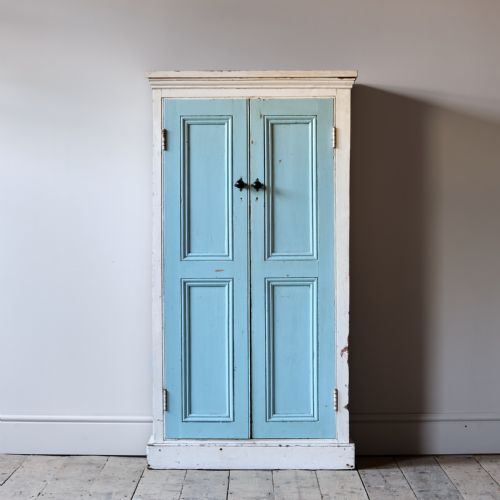
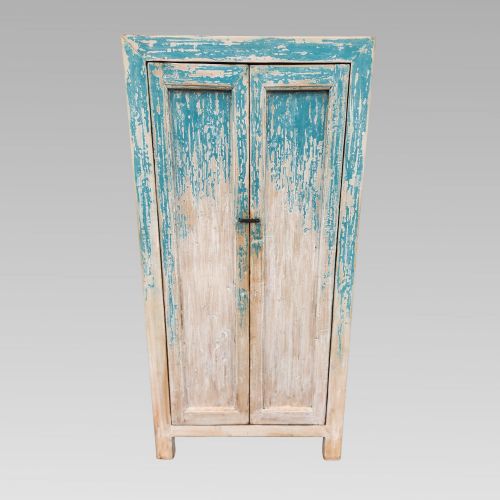
Buyers are most likely to encounter painted pine and wood cupboards originating from Scandinavian, Hungarian, and Indian traditions. Forms range from small housekeepers cupboards and cupboards on stands to double door wardrobes and kitchen cabinets.
How they were made
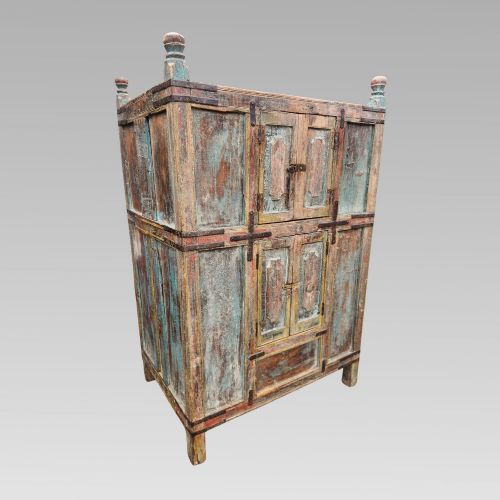
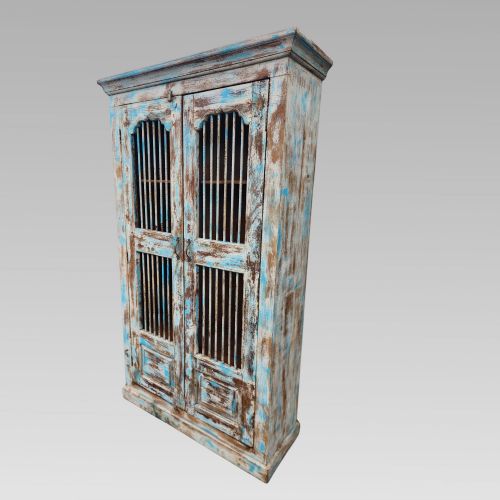
Makers constructed these storage pieces primarily using solid woods such as pine, teak, cedar, and general timber framing. Iron and brass hardware, including hinges and handles, provide functional and decorative elements across the various regional styles.
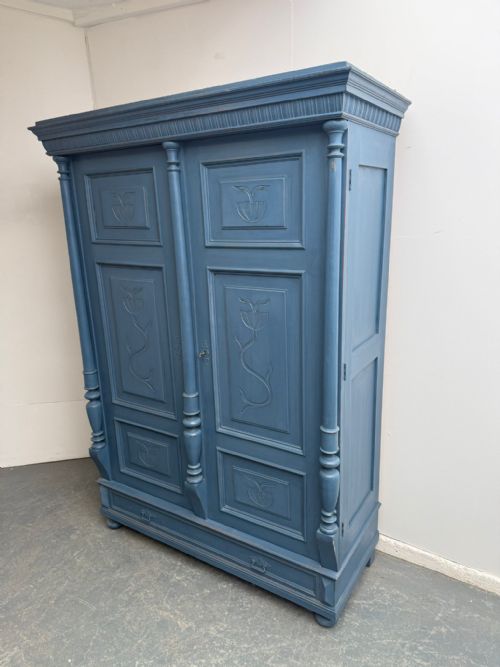
Surface treatments rely heavily on paint, applied in traditional blue hues that define the folk art, regional country, and Gustavian pieces. Carved details appear on specific traditional Indian and Hungarian items, showing regional woodworking techniques alongside joined panel construction.
A Hungarian hall wardrobe hides decades of folk history behind blue paint.
What varies in quality
The distinction between standard utility storage and finer examples rests in the originality of the painted surface and regional decorative details. Pieces featuring hand-painted folk motifs, carved woodwork, or specific historical styling such as Gustavian or Regency lines demonstrate greater craftsmanship.
Structural integrity depends on the selection of primary timbers like pine, cedar, or teak, alongside the preservation of original iron or brass fittings. The depth of the paint patina and the harmony of proportions separate everyday country cupboards from statement architectural pieces.
The Vintage Blue Armoire Glossary
- Armoire
- A tall wardrobe or cupboard, traditionally used for storing clothes. These pieces often feature double doors and internal shelving or hanging space.
- Linen Press
- A large cabinet designed specifically for storing folded linens and bedding. They frequently combine upper cupboard storage with lower drawer sections.
- Gustavian
- The Swedish interpretation of French neoclassical style, named after King Gustav III. It is characterised by restrained carved details and pale painted finishes.
- Almirah
- A regional term for a freestanding cupboard or wardrobe. These originate from Indian workshops and often utilise reclaimed timbers like teak or cedar.
- Housekeepers Cupboard
- A traditional utility cabinet utilised in large domestic properties for storing household stores and provisions. They typically offer robust wooden shelving enclosed by doors.
Vintage Blue Armoire: Frequently Asked Questions
What is a vintage blue armoire used for?
These cabinets provide substantial storage for clothing, linens, and general household items while serving as a prominent decorative feature in a room.
Their internal shelving and large enclosures make them practical alternatives to modern wardrobes.
Where do these painted cupboards originate from?
The pieces draw from diverse regional traditions including Scandinavia, Hungary, India, and Britain.
Each region imparted distinct aesthetic choices, from Gustavian neoclassical restraint to rustic folk art painting.
How do I identify a 19th-century piece?
Nineteenth-century construction relies on solid timber frames, traditional joinery, and hand-applied painted finishes rather than modern manufacturing.
Hardware components like iron hinges and brass fittings also reflect period methods.
What woods were used in these cabinets?
Makers utilised accessible regional timbers, most commonly pine for European folk and country pieces.
Indian workshops frequently employed native hardwoods such as teak and cedar.
Are the painted finishes original?
Many pieces retain historic or folk-painted surfaces that have developed an aged patina through decades of use.
Some items feature traditional hand-painted details characteristic of Scandinavian and Hungarian folk art.