

Vintage Blown Glass
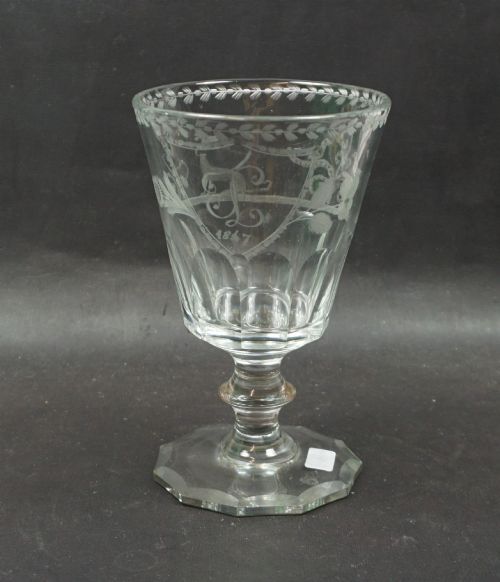
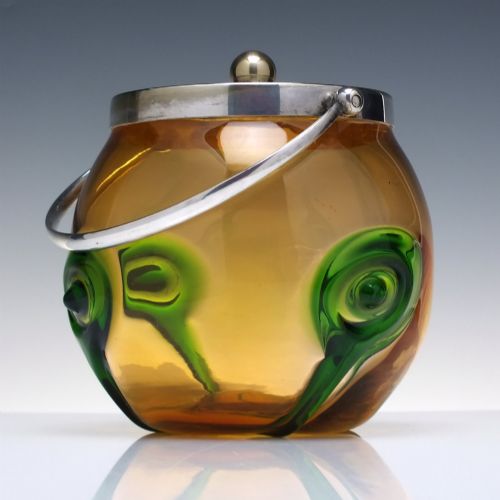
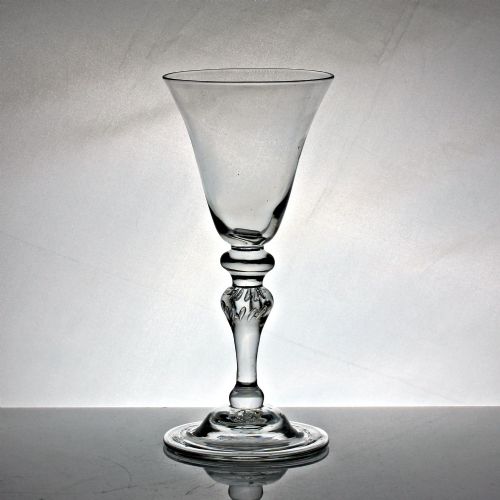
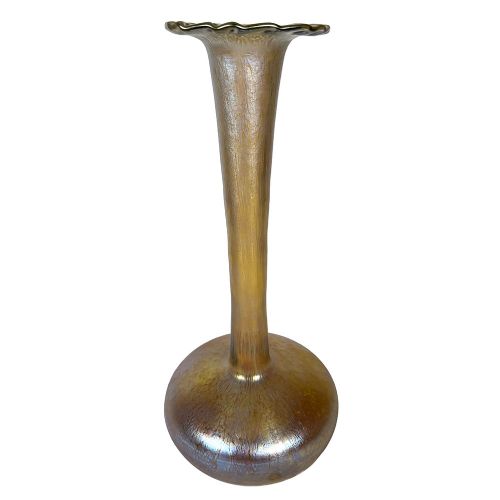
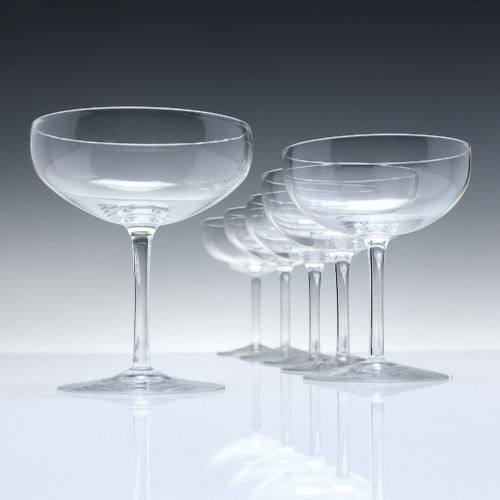
Vintage blown glass covers everything from Georgian baluster wine goblets to Art Nouveau iridescent vases formed by the breath of the maker.
Vintage Blown Glass
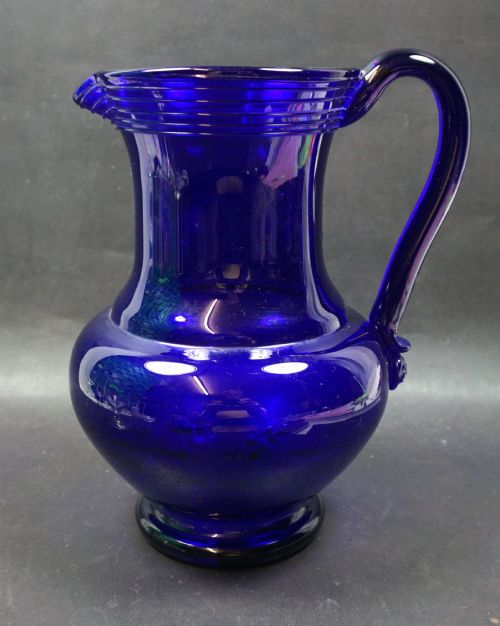
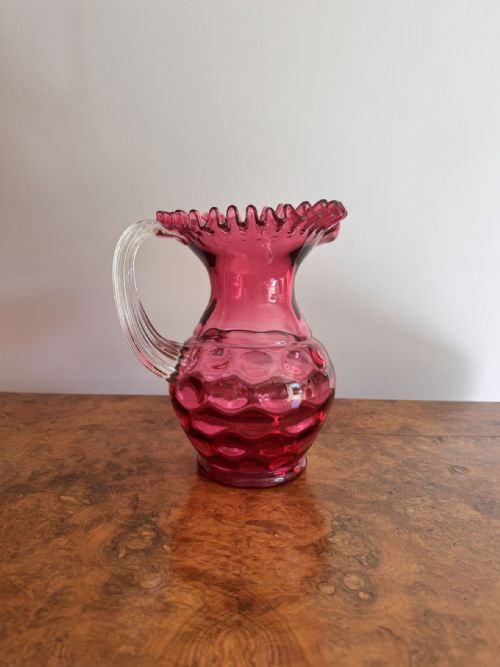
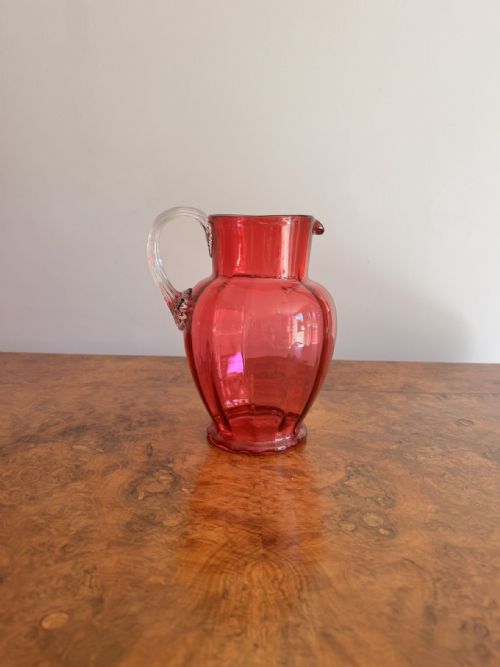
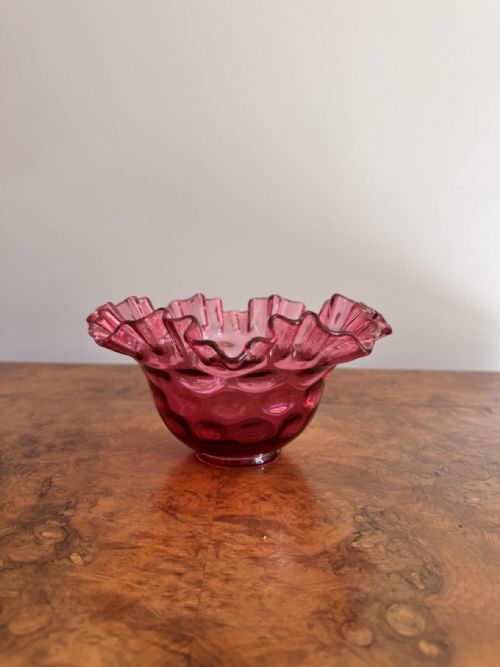
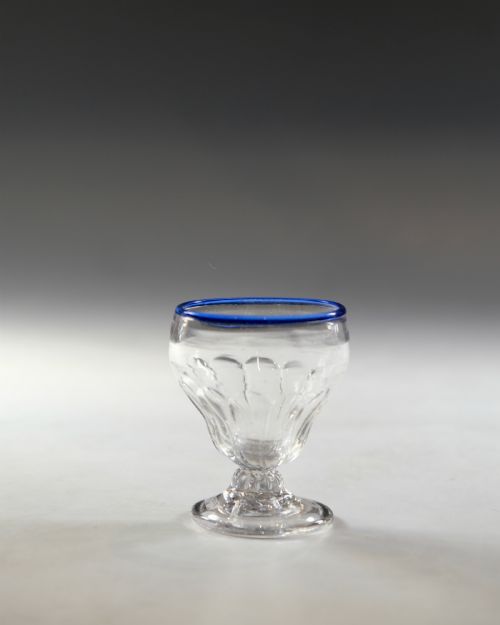
Vintage blown glass spans centuries of domestic and decorative objects, ranging from Georgian wine glasses and rummers to Victorian cranberry glass jugs and bowls. Buyers seeking vintage blown glass frequently encounter table glassware, decanters, and decorative vases shaped by heat and air.
The selection extends through various aesthetic movements, including Edwardian stemware, Art Nouveau iridescent vessels, and Art Deco designs. Pieces originate from diverse workshops and regions such as England, Scotland, Bohemia, Venice, and France.
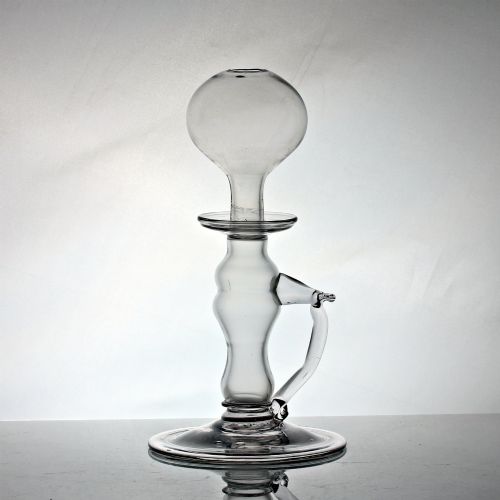
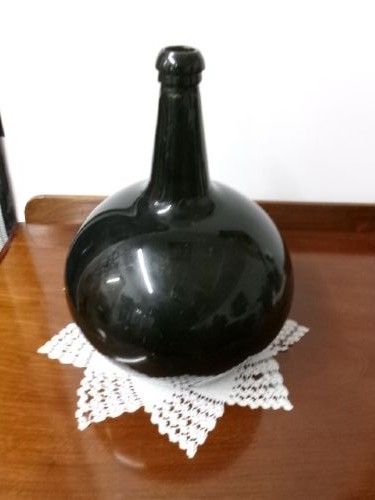
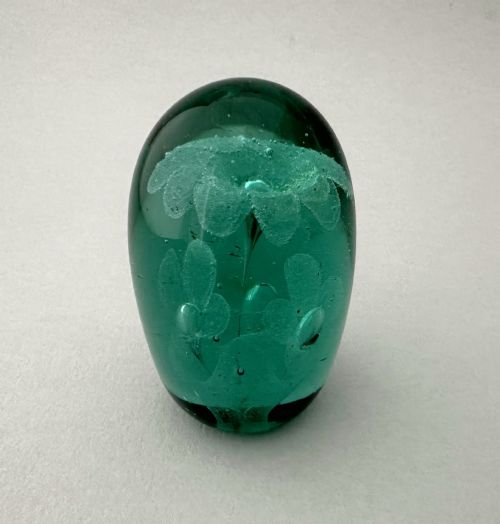
Functional objects sit alongside purely decorative items on this page, including oil lamps, apothecary carboys, and epergnes. Each form reflects the domestic habits and interior tastes of its specific period, from the 18th century onward.
How vintage blown glass was made
Makers formed these pieces using a blowpipe to inflate molten metal into hollow vessels, often working freehand or utilising moulds to shape the glass. Skilled hands added handles, stems, or feet while the material remained pliable at high temperatures.
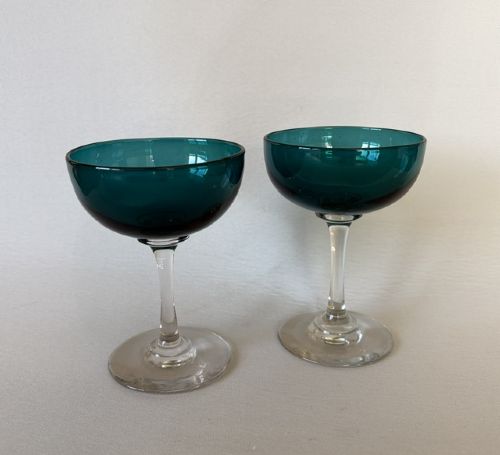
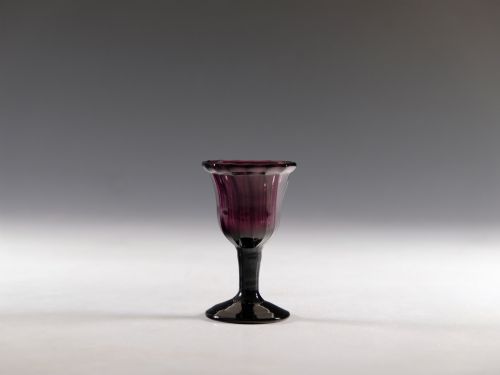
Surface decoration required specialised techniques like enamelling, painting, etching, or cameo carving, seen on Victorian green wine jugs and Edwardian vessels. Makers also achieved distinct colourations in the molten state through metallic oxides, producing cranberry, amber, amethyst, and turquoise glass.
Vintage Blown Glass Retail Price Guide 2026
Typical asking prices for vintage blown glass among the pieces listed under this phrase on Sellingantiques today, from the lower quarter to the upper quarter. They describe what is for sale here now, not the wider market.
Nailsea rolling pins were hung in cottages to bring good luck and ward off evil spirits.
What varies in quality
The distinction between ordinary and exceptional pieces lies in the control of the metal and the precision of the form. A well-balanced weight, even wall thickness, and clean optical clarity separate superior vessels from heavier, coarser domestic wares.
Artistic ambition and execution drive value at the upper end of the range, particularly in works carrying the signatures or distinct styles of established glasshouses and makers. The subtlety of decorative enamelwork, iridescent finishes, or cameo layering dictates the refinement of the piece.
Loetz·Daum·James Powell·Stevens and Williams·Gallé
The Vintage Blown Glass Glossary
- Baluster
- A heavy stem form on drinking vessels, swelling in the middle and tapering towards the foot, typical of Georgian glass.
- Cranberry glass
- A transparent pinkish-red glass coloured with gold chloride, widely utilised in Victorian tableware and jugs.
- Rummer
- A capacious drinking glass with a short stem and a round bowl, popular in the 18th and 19th centuries.
- Epergne
- A multi-tiered centrepiece featuring several trumpet-shaped vases branching from a central vessel.
- Carboy
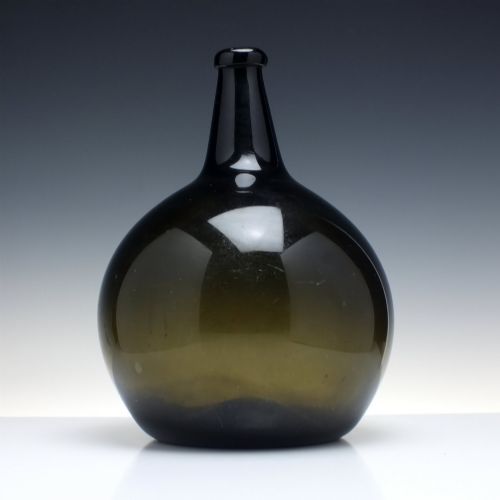
- A large, bulbous glass bottle traditionally housed in a protective basket or frame for storing liquids.
Vintage Blown Glass: Frequently Asked Questions
How do I clean antique blown glass?
Wash pieces by hand in warm water using a mild detergent, avoiding harsh scrubbing or sudden temperature changes that might stress the old material.
Dry them carefully with a soft lint-free cloth to maintain the surface finish without scratching the glass.
How can I tell Georgian glass from Victorian pieces?
Georgian glass often exhibits heavier metal with darker pontil marks and simpler, robust proportions on goblets and decanters.
Victorian pieces frequently display brighter colours like cranberry and incorporate more elaborate ornamentation and pressed or blown stems.
Are these glass items safe for daily use?
Many historical drinking glasses and bowls remain structurally sound for gentle use, but vintage pieces deserve careful handling.
Fine stemware and decorative vases face risks from modern dishwashers and heavy impact, so cautious use preserves them best.
What is pontil mark and why does it matter?
A pontil mark is the rough scar left on the base of a vessel where the punty rod was snapped off after blowing.
Its presence confirms the piece was hand-blown rather than machine-made, helping collectors identify older manufacturing methods.